April 17, 2026

cryptocurrency

Investing in Bitcoin is gaining traction, and many are curious about the options available. This exploration dives into whether Merrill Lynch offers Bitcoin buying services. We’ll examine the process, potential benefits and drawbacks, and alternative investment strategies.

Navigating the world of cryptocurrency can be daunting. This guide simplifies the process of understanding Bitcoin trading at Merrill Lynch, offering a comprehensive overview for investors.

Introduction to Bitcoin Trading at Merrill Lynch

Bitcoin, a decentralized digital currency, has gained significant traction in the financial market. Its value is volatile, influenced by factors like market sentiment, regulatory developments, and technological advancements. Understanding its mechanics and the associated risks is crucial for any investor considering participation.Buying and selling Bitcoin, like any other asset, involves a transaction process. Generally, this entails converting traditional currency (e.g., USD) into Bitcoin, or vice versa, through a platform or exchange.

Security measures and transaction confirmation procedures are critical for safeguarding investments. The specific methods for buying and selling Bitcoin can vary based on the chosen platform.

Direct Bitcoin Purchases vs. Brokerage Platforms

Buying Bitcoin directly involves interacting with cryptocurrency exchanges. These platforms facilitate transactions between buyers and sellers, allowing for direct access to the Bitcoin market. This method often necessitates acquiring and managing cryptocurrency wallets. Brokerage platforms, on the other hand, offer a more streamlined approach, allowing investors to trade Bitcoin through their existing accounts. This often simplifies the process and may reduce the complexity of managing wallets.

Brokerage platforms, such as Merrill Lynch, act as intermediaries, providing a level of security and familiarity for investors accustomed to traditional financial markets.

Merrill Lynch’s Approach to Cryptocurrency Trading

Merrill Lynch’s approach to cryptocurrency trading reflects its commitment to providing access to diverse investment opportunities. They are likely to offer Bitcoin-related products and services through their platform, potentially incorporating safeguards and security measures. The specific offerings will vary and likely adapt to market trends and regulatory changes.

Available Bitcoin Products at Merrill Lynch

Currently, information about specific Bitcoin products offered by Merrill Lynch is limited. However, if they offer Bitcoin trading, it is likely to include the ability to buy and sell Bitcoin.

Product Type Description
Bitcoin (BTC) Direct purchase and sale of Bitcoin.

Merrill Lynch Bitcoin Buying Process

Buying Bitcoin through Merrill Lynch involves a structured process, mirroring their established brokerage procedures. This process prioritizes security and compliance with regulations, ensuring a smooth experience for their clients. Understanding these steps is crucial for navigating the transaction effectively.The Merrill Lynch platform for Bitcoin trading, while generally user-friendly, requires a degree of familiarity with the brokerage environment. This guide Artikels the key steps involved in opening an account, verifying identity, placing orders, and understanding different order types.

Account Opening and Verification

The process begins with account opening. This typically involves completing an application form online, providing necessary personal information, and agreeing to the terms and conditions. Following the application, a crucial step is verifying your identity. Merrill Lynch will request documentation to confirm your identity and address, adhering to stringent regulatory requirements. This typically includes government-issued photo identification and proof of address.

Thorough verification is essential to maintain account security and comply with anti-money laundering regulations.

Placing a Bitcoin Order

Once your account is verified and funded, you can proceed to place an order for Bitcoin. The order placement process is straightforward and utilizes the platform’s intuitive interface. You specify the desired quantity of Bitcoin and the price you’re willing to pay (or receive).

Order Types for Bitcoin Trading

Different order types offer varying degrees of control and potential outcomes. Understanding these types is crucial for effective trading.

  • Market Order: This type of order executes immediately at the best available price. It ensures the order is filled promptly but may not always yield the most favorable price.
  • Limit Order: A limit order executes only at a specific price or better. This allows you to buy or sell at a desired price point, but there’s no guarantee the order will be filled.
  • Stop-Loss Order: A stop-loss order automatically sells your Bitcoin when the price drops to a predetermined level. This helps limit potential losses.
  • Stop-Limit Order: A stop-limit order combines elements of stop-loss and limit orders. It triggers when the price reaches a specified stop price, and then only executes if the price reaches or surpasses a specified limit price.

Factors Affecting Bitcoin Price at Merrill Lynch

Bitcoin’s price at Merrill Lynch, like any other asset, is influenced by a complex interplay of market forces. Understanding these factors is crucial for investors considering Bitcoin as part of their portfolio. These factors are dynamic and can shift rapidly, impacting both potential profits and risks.

Market Factors Influencing Bitcoin Price

Market forces significantly affect Bitcoin’s price. Supply and demand dynamics, investor sentiment, and overall market conditions all play a role. Positive news or increased institutional interest can drive demand, leading to price increases. Conversely, negative sentiment or market corrections can depress demand and lower prices.

  • Supply and Demand: Bitcoin’s finite supply, combined with fluctuating demand from investors, significantly impacts its price. High demand relative to supply tends to drive up the price, while low demand results in price drops. This is a fundamental economic principle that applies to Bitcoin trading, as it does to all assets.
  • Investor Sentiment: The collective outlook of investors on Bitcoin’s future influences its price. Positive sentiment, fueled by optimism about technological advancements or growing adoption, generally leads to price increases. Conversely, negative sentiment, triggered by concerns about regulation or security, can lead to declines.
  • Overall Market Conditions: The performance of other asset classes, such as stocks and bonds, can influence Bitcoin’s price. During periods of market volatility or uncertainty, investors may seek refuge in Bitcoin, potentially driving up its value. Conversely, a robust performance in other markets might reduce investor interest in Bitcoin, leading to price decreases.

Impact of News Events and Regulatory Changes

News events and regulatory changes are pivotal factors impacting Bitcoin’s price at Merrill Lynch. Significant events, like regulatory announcements or breakthroughs in blockchain technology, can trigger significant price fluctuations.

  • Regulatory Changes: Government regulations regarding cryptocurrencies can significantly impact Bitcoin’s price. Favorable regulations, such as those that streamline the process for institutional investors, may lead to increased demand and price appreciation. Conversely, stringent regulations or restrictions on Bitcoin trading can cause uncertainty and price drops.
  • News Events: News events related to Bitcoin, including security breaches, controversies, and technological developments, can influence investor sentiment. Positive news, such as a successful adoption by a major corporation, may boost investor confidence and drive up the price. Negative news, like a high-profile hacking incident, can cause significant price drops due to investor apprehension.

Bitcoin Trading Compared to Other Asset Classes

Comparing Bitcoin trading to other asset classes reveals crucial differences in terms of volatility, risk, and potential return.

  • Volatility: Bitcoin exhibits significantly higher price volatility compared to traditional assets like stocks or bonds. This volatility presents both higher potential rewards and increased risk for investors.
  • Liquidity: Bitcoin markets can experience periods of high and low liquidity. This liquidity can affect trading activity and pricing. Liquidity varies across exchanges and can be a factor for investors considering trading at Merrill Lynch.
  • Market Structure: The structure of Bitcoin markets differs from traditional financial markets. Bitcoin’s decentralized nature, while offering certain advantages, may also present unique challenges to investors in terms of regulatory oversight and market transparency.

Potential Risks and Rewards of Buying Bitcoin Through Merrill Lynch

Investing in Bitcoin through Merrill Lynch, like any investment, involves both potential risks and rewards.

  • Potential Rewards: Bitcoin has the potential for significant returns, especially during periods of market growth or adoption. The potential for high returns is a key attraction for many investors, however, it is crucial to remember the associated risks.
  • Potential Risks: The volatility of Bitcoin’s price exposes investors to significant risks. Sharp price drops can lead to substantial losses. Regulatory uncertainties and security concerns also pose risks to investors.

Volatility of Bitcoin Prices and its Implications

Bitcoin’s price volatility is a defining characteristic of the cryptocurrency. Investors should be aware of the potential for substantial price fluctuations.

  • Impact on Investment Strategies: The volatility of Bitcoin prices necessitates careful consideration of investment strategies. Strategies that are effective in other asset classes may not be suitable for Bitcoin, given its high price fluctuations.
  • Risk Management: Managing risk is crucial for investors considering Bitcoin. Strategies such as diversification and setting stop-loss orders can help mitigate the impact of price fluctuations.

Alternatives to Buying Bitcoin at Merrill Lynch

Coke Can Stock Photos, Images and Backgrounds for Free Download

Beyond Merrill Lynch, various avenues exist for Bitcoin investment. Understanding these alternatives allows investors to explore a wider range of options, each with its own characteristics and potential benefits. Choosing the right platform hinges on factors like individual risk tolerance, investment goals, and comfort level with the investment process.Alternative platforms offer diverse approaches to acquiring Bitcoin, often with varying fees, security protocols, and user interfaces.

These platforms may include cryptocurrency exchanges, brokerage firms specializing in digital assets, and even peer-to-peer marketplaces.

Other Bitcoin Investment Platforms

Different platforms cater to diverse needs and risk tolerances. Direct cryptocurrency exchanges often provide more control over transactions, while brokerage platforms typically offer a more user-friendly interface, though sometimes with limitations. Peer-to-peer trading provides direct interaction between buyers and sellers, but carries unique risk considerations.

Buying Bitcoin Through Other Brokers or Exchanges

The process of purchasing Bitcoin through a broker or exchange is generally straightforward. A user typically creates an account, funds it, and then places an order to buy Bitcoin. The specific steps vary between platforms. Many platforms offer intuitive interfaces, simplifying the process for most users.

Fees and Commission Structures

Fees and commissions play a crucial role in the cost of acquiring Bitcoin. Exchanges often charge transaction fees, while brokerage platforms might impose commissions or markups. These fees can vary significantly between different platforms. For example, some exchanges may have a flat transaction fee, while others might use a tiered structure, potentially increasing the fee as the volume of transactions rises.

Analyzing fee structures is essential for comparing options.

Security Considerations

Security is paramount when dealing with digital assets like Bitcoin. Users should prioritize platforms with robust security measures, such as two-factor authentication, strong encryption, and secure storage solutions. Platforms employing cold storage for a portion of their assets can enhance security. Choosing platforms with a demonstrated history of security incidents and regulatory compliance is essential. Researching the security measures of various platforms is crucial.

Comparison of Bitcoin Investment Options

Feature Direct Cryptocurrency Exchange Brokerage Firm Peer-to-Peer Marketplace
Ease of Use Moderate to High (Depending on the platform) High Low to Moderate (Requires user familiarity with the platform and potential counterparty risk)
Fees Variable (often lower than brokerages for larger trades) Variable (often higher than exchanges, sometimes with markups) Variable (often high for small transactions, potential hidden fees)
Security Generally high (if the platform is reputable) Moderate to High (relies on the platform’s security measures) Low (potential for fraud, scams, and risks associated with peer-to-peer interactions)
Liquidity High (most platforms have high liquidity) Moderate (often limited by the platform’s assets) Low (transactions depend on available counterparties)

This table provides a general overview and doesn’t represent a complete comparison. The specific features and characteristics can vary significantly across different platforms. Thorough research on individual platforms is always recommended.

General Information about Buying Bitcoin

Bitcoin, a decentralized digital currency, has gained significant traction as a global investment asset. Understanding its market dynamics, transaction types, storage methods, mining process, and different wallet options is crucial for anyone considering investing in Bitcoin. This section provides a comprehensive overview of these key aspects.

Bitcoin Market Overview

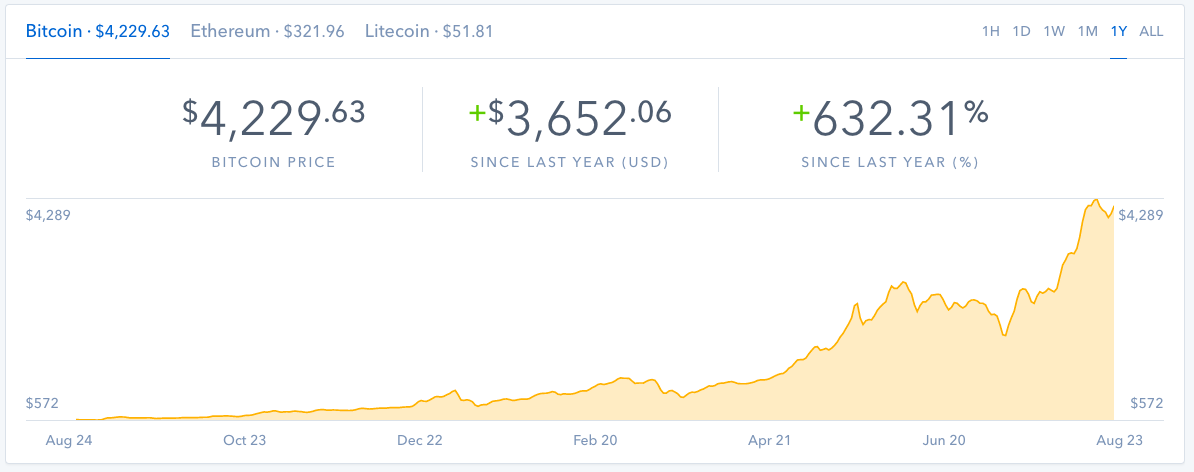
Bitcoin’s market is characterized by volatility and significant price fluctuations. These fluctuations are influenced by various factors, including investor sentiment, regulatory changes, and technological advancements. Historical data reveals periods of substantial growth interspersed with periods of decline, making it a high-risk, high-reward investment.

Types of Bitcoin Transactions

Bitcoin transactions are fundamentally peer-to-peer transfers of value. They are recorded on a public ledger called the blockchain. Common transaction types include sending Bitcoin to another address, exchanging Bitcoin for fiat currency (like USD), or purchasing goods and services. Each transaction includes crucial details such as sender and recipient addresses, transaction amount, and timestamp.

Secure Bitcoin Storage Methods

Secure storage of Bitcoin is paramount. Loss or compromise of private keys can lead to irreversible loss of funds. Users employ various methods, including hardware wallets, software wallets, and online exchanges. Each method presents different levels of security and accessibility. Cold storage, often utilizing hardware wallets, is generally considered the most secure option as it isolates private keys from online connections.

Bitcoin Mining

Bitcoin mining is a computational process that verifies and adds new transactions to the blockchain. Miners are rewarded with newly generated Bitcoin for their efforts. This process is crucial for maintaining the integrity and security of the Bitcoin network. The computational power required to mine Bitcoin has increased significantly, leading to more sophisticated mining equipment and strategies.

Bitcoin Wallets

Different types of Bitcoin wallets cater to varying needs and security requirements. Understanding the distinctions between these options is vital.

Wallet Type Description Security Accessibility
Software Wallets Software applications installed on personal computers or mobile devices. Moderate; security depends on user practices and software vulnerabilities. High; accessible from any computer with the software.
Hardware Wallets Physical devices specifically designed for storing Bitcoin private keys offline. High; isolates private keys from online threats. Moderate; requires physical access to the device.
Online Wallets (Exchange Wallets) Wallets hosted by cryptocurrency exchanges. Variable; security depends on the exchange’s security measures. High; accessible via the exchange’s platform.

Specific Considerations for Buying Bitcoin

Navigating the cryptocurrency market, especially for a new investor, requires careful consideration of various factors beyond simply identifying a potential purchase. Understanding different order types, the importance of portfolio diversification, and managing risk tolerance are crucial for successful Bitcoin investment. This section provides insights into these critical aspects.

Market Orders and Limit Orders

Understanding the nuances of order types is fundamental to managing your Bitcoin investments. Different order types impact the price you pay and the potential for profit or loss.

  • Market orders execute immediately at the prevailing market price. This ensures swift execution, but you may not get the price you ideally desire. For example, a sudden surge in market demand can cause the price to rise before your market order is filled, leaving you with a potentially higher purchase price than anticipated.
  • Limit orders allow you to specify a desired price. Your order will only be executed if the market price reaches or surpasses your limit. This provides more control over the purchase price, but your order might not be filled if the market price remains below your limit. For instance, if you set a limit order to buy Bitcoin at $25,000 and the price stays below that level, your order will not be filled.

Diversification

Diversification is a key component of risk management. It involves spreading investments across different asset classes, reducing the impact of any single investment’s performance fluctuations on the overall portfolio.

  • A portfolio solely invested in Bitcoin is highly concentrated. If the Bitcoin market experiences a downturn, the entire portfolio could suffer significant losses. A diversified portfolio including other assets such as stocks, bonds, or real estate can help mitigate this risk.
  • Diversification strategies can involve different cryptocurrencies, or a combination of crypto and traditional assets. A balanced approach can help mitigate the volatility inherent in individual asset classes. For example, diversifying a portfolio with 50% in Bitcoin, 25% in stocks, and 25% in bonds, can provide more stability in times of market volatility.

Risk Tolerance

Risk tolerance is an individual’s comfort level with potential losses. Investors with high risk tolerance can tolerate larger fluctuations in investment value, potentially seeking higher returns.

  • High risk tolerance investors may be more inclined to invest a significant portion of their portfolio in volatile assets like Bitcoin. However, this carries a higher chance of significant losses.
  • Low risk tolerance investors prioritize preserving capital. They may choose a more conservative investment strategy, potentially limiting their exposure to Bitcoin or other high-risk assets. A low-risk tolerance approach might include investing a small percentage of their portfolio in Bitcoin, coupled with a significant portion in stable assets.

Managing Bitcoin Investments

Effective management of Bitcoin investments involves consistent monitoring and adjustments.

  • Set clear investment goals and a budget. Establish a realistic timeframe for investment and identify specific financial objectives. This helps to ensure that Bitcoin investments align with overall financial plans.
  • Regularly review investment performance and adjust strategies as needed. Monitor market trends and make informed decisions about holding, selling, or adding to your Bitcoin position. For example, if a cryptocurrency’s value starts to decline, consider whether to adjust your investment strategy or consider alternative assets.

Potential Benefits and Drawbacks of Buying Bitcoin

Investing in Bitcoin, like any other investment, presents a complex interplay of potential rewards and risks. Understanding these facets is crucial for making informed decisions. While Bitcoin’s volatility and inherent complexities can deter some, its potential for substantial returns, and its role in a changing financial landscape, makes it a subject of considerable interest.A key consideration in evaluating Bitcoin is its unique position within the broader investment market.

Its decentralized nature, coupled with its limited supply, sets it apart from traditional assets. This distinctiveness, however, also introduces challenges that investors must be prepared to navigate.

Potential Benefits of Buying Bitcoin

Bitcoin’s decentralized nature and limited supply have fueled its popularity among investors seeking alternative investment opportunities. Its potential for high returns, while also carrying significant risk, has attracted considerable attention.

  • Potential for High Returns: Bitcoin’s price has exhibited significant fluctuations throughout its history, leading to substantial gains for some investors. However, the past performance of an investment is not necessarily indicative of future results.
  • Decentralization and Transparency: Bitcoin transactions occur on a public ledger, fostering transparency and eliminating the need for intermediaries. This characteristic can be attractive to some investors seeking alternative financial systems.
  • Potential Inflation Hedge: Some proponents believe Bitcoin’s limited supply could offer a hedge against inflation. However, this remains a subject of debate and is not a guaranteed outcome.

Potential Drawbacks and Risks Associated with Bitcoin Investments

Bitcoin’s volatility and lack of regulation pose significant risks for investors. Thorough understanding of these risks is crucial before committing capital.

  • Volatility and Price Fluctuations: Bitcoin’s price is notoriously volatile, making it a highly speculative investment. Rapid and substantial price swings can lead to significant losses, as illustrated by instances of dramatic market corrections.
  • Lack of Regulation and Legal Uncertainty: The lack of comprehensive regulatory frameworks surrounding Bitcoin can introduce legal uncertainties and risks for investors. Varying regulations across jurisdictions add to this complexity.
  • Security Risks: Bitcoin wallets and exchanges are vulnerable to hacking and theft. This risk is a serious consideration for investors.
  • Limited Understanding and Market Manipulation: The relative novelty of Bitcoin means a less developed understanding of its intricacies, potentially leaving investors susceptible to manipulation in the market.

Long-Term Implications of Buying Bitcoin

Bitcoin’s long-term trajectory is uncertain, and its impact on the financial landscape is still unfolding. The evolving regulatory environment and technological advancements will play significant roles in shaping its future.

  • Technological Advancement and Integration: Further development of Bitcoin’s underlying technology and its integration into various financial systems will significantly affect its long-term viability.
  • Regulatory Developments: The evolving regulatory landscape surrounding Bitcoin will significantly impact its future adoption and accessibility.
  • Market Acceptance and Adoption: Broader acceptance and adoption of Bitcoin within mainstream financial systems could dramatically alter its long-term outlook.

Inflation and its Relationship to Bitcoin

Bitcoin’s fixed supply of 21 million coins is often presented as a counterbalance to inflation. However, the precise relationship remains a subject of debate.

“Bitcoin’s limited supply is often cited as a potential hedge against inflation, but the precise correlation is complex and not fully understood.”

The value of Bitcoin is influenced by market forces, including supply and demand.

Comparative Analysis of Bitcoin and Other Investment Options

Comparing Bitcoin to other investment options requires careful consideration of various factors. Diversification is often recommended to mitigate risk.

Investment Option Key Characteristics Potential Benefits Potential Drawbacks
Bitcoin Decentralized, limited supply Potential high returns, inflation hedge (debated) High volatility, lack of regulation
Stocks Represent ownership in companies Potential for long-term growth, dividend income Market fluctuations, company-specific risks
Bonds Debt securities issued by governments or corporations Generally lower risk than stocks, stable income Lower potential returns compared to stocks

Last Recap

In conclusion, the accessibility of Bitcoin at Merrill Lynch depends on their current offerings. Understanding the process, potential risks, and available alternatives is crucial for making informed investment decisions. This overview provides a starting point for your research.

FAQ Corner

Can I buy fractional Bitcoin at Merrill Lynch?

Unfortunately, information on fractional Bitcoin purchases isn’t available in the provided Artikel. Contacting Merrill Lynch directly would be necessary to determine their policies on fractional Bitcoin investments.

What are the typical fees associated with buying Bitcoin at Merrill Lynch?

The Artikel does not specify Merrill Lynch’s Bitcoin trading fees. It’s essential to consult their current fee schedule for the most up-to-date information.

What security measures does Merrill Lynch implement for Bitcoin transactions?

The Artikel doesn’t detail specific security protocols for Bitcoin transactions at Merrill Lynch. However, it’s expected that Merrill Lynch would follow industry best practices for security.

Are there any specific tax implications for buying Bitcoin through Merrill Lynch?

The Artikel does not discuss tax implications. Consulting a tax advisor is recommended for understanding any tax obligations associated with Bitcoin investments.
As bitcoin news warren buffett takes center stage, this opening passage beckons readers into a world rich with insights into the evolving landscape of cryptocurrencies and one of the most influential investors of our time. Bitcoin, a groundbreaking digital currency, has generated both excitement and skepticism, particularly from notable figures like Warren Buffett, whose opinions have significantly shaped public sentiment toward crypto assets.

This discussion explores Buffett’s historical stance on Bitcoin, recent developments in the cryptocurrency market, and the reactions from both the public and financial experts. By delving into the intersection of Buffett’s investment philosophy and the dynamic world of Bitcoin, we aim to illuminate the complexities surrounding this digital currency and its future.

Overview of Bitcoin and Warren Buffett’s Position

Bitcoin has emerged as a revolutionary digital currency since its inception in 2009. It operates on a decentralized network, leveraging blockchain technology to enable peer-to-peer transactions without the need for intermediaries. This innovative approach has significant implications for the financial world, offering an alternative to traditional fiat currencies and challenging the established financial systems.Warren Buffett, one of the most renowned investors in history, has been a vocal critic of Bitcoin and cryptocurrencies.

Historically, he has described Bitcoin as “rat poison squared,” expressing skepticism about its intrinsic value and long-term viability. Over the years, Buffett’s position has evolved slightly, but he remains cautious, emphasizing that he does not see cryptocurrencies as a viable investment.

Recent Developments in Bitcoin News

The landscape of Bitcoin is ever-changing, with new headlines emerging frequently. Recently, Bitcoin has experienced fluctuations in its market value, attributed to various factors including regulatory developments and macroeconomic trends. News of increased institutional adoption has also stirred interest, leading to a surge in Bitcoin’s price earlier this year.Regulatory scrutiny has intensified, with governments worldwide implementing new frameworks to govern digital currencies.

Buffett’s reactions to these developments have remained critical, often pointing out the potential risks associated with increased regulation and the speculative nature of cryptocurrencies. Key events, such as major firms announcing the acceptance of Bitcoin for payments, continue to influence its price and market perception.

Buffett’s Investment Philosophy

Warren Buffett is known for his value investing philosophy, which focuses on purchasing undervalued companies with solid fundamentals and holding them for the long term. His principles are grounded in thorough analysis and a disciplined approach to investment. In stark contrast, Buffett views cryptocurrencies like Bitcoin as speculative assets lacking intrinsic value, advocating for investments in tangible businesses instead.His emphasis on durability and economic moats in investments highlights the differences between traditional assets and digital currencies.

Buffett’s statements regarding cryptocurrencies often reflect his belief that they do not produce anything of tangible value, making them a poor choice for serious investors.

Public Reactions to Buffett’s Opinions on Bitcoin

The cryptocurrency community has reacted vigorously to Buffett’s critiques, often defending Bitcoin’s value proposition. Proponents argue that Bitcoin serves as a hedge against inflation and a store of value, particularly in uncertain economic times. Social media platforms are abuzz with discussions, with many users sharing their perspectives on Buffett’s views.For instance, Twitter users frequently engage in debates about the future of Bitcoin, citing examples of its resilience during market downturns.

Public sentiment around Buffett’s statements varies, with some embracing his cautionary perspective while others see it as outdated in the context of evolving financial landscapes.

The Future of Bitcoin and Buffett’s Influence

Analyzing potential scenarios for Bitcoin’s future reveals a complex picture. Current trends suggest increasing adoption and integration into mainstream finance, which could bolster its legitimacy. However, ongoing regulatory challenges may also create hurdles that could impact its growth trajectory.Buffett’s opinions continue to hold significant sway over many investors, potentially discouraging risk-averse individuals from venturing into the cryptocurrency space. Nevertheless, financial experts predict that as technology and market understanding evolve, the narrative around Bitcoin may shift.

Predictions suggest that Bitcoin could either solidify its position as a digital gold or face challenges that hinder its acceptance.

Educational Resources on Bitcoin and Investing

For those looking to deepen their understanding of Bitcoin and cryptocurrency investments, several educational resources are highly recommended. Here are some valuable materials:

  • Books: “The Bitcoin Standard” by Saifedean Ammous, “Mastering Bitcoin” by Andreas M. Antonopoulos.
  • Articles: Investopedia’s guide to Bitcoin, CoinDesk’s analysis on market trends.
  • Documentaries: “Banking on Bitcoin,” which explores the origins and implications of Bitcoin.

Additionally, there are numerous online platforms where investors can stay updated on Bitcoin news and developments, such as CoinMarketCap and CryptoSlate. These resources provide real-time data, market analysis, and educational content that can help both novice and experienced investors navigate the cryptocurrency landscape.

Final Review

In conclusion, the relationship between bitcoin and warren buffett continues to unfold, marked by evolving perceptions and market shifts. As Bitcoin garners more attention, understanding Buffett’s critiques and the subsequent public reactions provides valuable insight into the future of cryptocurrency investments. Whether one agrees with Buffett’s views or advocates for Bitcoin, the ongoing dialogue highlights the significance of education and informed decision-making in the financial realm.

Commonly Asked Questions

What is Bitcoin?

Bitcoin is a decentralized digital currency that enables peer-to-peer transactions without the need for a central authority or intermediary.

Why has Warren Buffett been critical of Bitcoin?

Buffett has expressed skepticism about Bitcoin, viewing it as lacking intrinsic value and comparing it to speculative investments.

How do recent regulations affect Bitcoin?

New regulations can impact Bitcoin’s market dynamics, investor confidence, and overall adoption within mainstream finance.

What are some potential future trends for Bitcoin?

Experts predict that Bitcoin could see increased institutional adoption, regulatory clarity, and advancements in technology that may influence its price and usage.

Where can I find reliable Bitcoin news?

Reliable Bitcoin news can be found on financial news websites, cryptocurrency news platforms, and social media channels dedicated to digital currencies.

Bitcoin’s price reaching zero is a hypothetical yet compelling scenario with significant implications for the cryptocurrency market. This exploration delves into the theoretical underpinnings of such a drastic price drop, considering various factors from technological advancements to regulatory changes.

Examining the historical volatility of Bitcoin and other cryptocurrencies provides context, allowing us to assess the likelihood of a complete devaluation. This analysis will also compare Bitcoin’s potential fate with traditional financial assets.

Bitcoin Price at Zero

A Bitcoin price of zero, while seemingly improbable, presents a fascinating theoretical exercise. Exploring the potential scenarios and cascading effects of such a drastic devaluation reveals crucial insights into the vulnerabilities and resilience of the cryptocurrency market. Understanding the factors that could lead to this outcome is vital for investors and stakeholders to assess the potential risks and opportunities within the digital asset landscape.A Bitcoin price of zero signifies a complete loss of faith and utility in the cryptocurrency.

This catastrophic event would stem from a confluence of factors, ranging from technological failures to severe regulatory crackdowns and profound economic downturns. Each factor plays a significant role in eroding Bitcoin’s value, ultimately leading to its perceived worthlessness.

Theoretical Model for Bitcoin Price Collapse

The collapse of Bitcoin’s price to zero hinges on the erosion of its core value propositions. This involves a breakdown of trust, technological obsolescence, or significant regulatory hurdles. A critical loss of user confidence and widespread adoption, coupled with economic crises, can severely impact the value proposition.

Factors Contributing to Bitcoin’s Zero Value

Several interconnected factors could lead to Bitcoin’s complete devaluation. Technological vulnerabilities, like a major security breach or a significant protocol flaw, could cripple the network’s functionality. Economic downturns, such as hyperinflation or a major financial crisis, could diminish the perceived value of Bitcoin as a store of value. Regulatory crackdowns, particularly in jurisdictions where Bitcoin is heavily used, could severely curtail the cryptocurrency’s accessibility and utility.

Consequences of a Bitcoin Price Reaching Zero

The implications of a Bitcoin price reaching zero are far-reaching. Investors would face substantial losses, potentially triggering a ripple effect throughout the financial system. Businesses reliant on Bitcoin for transactions or investments would be severely impacted, with potentially devastating consequences for their operations. The overall cryptocurrency market would experience a major setback, possibly leading to a period of stagnation or even collapse, potentially impacting other digital assets.

Impact on Investors, Businesses, and the Financial System

The loss of Bitcoin’s value would cause significant losses for investors who hold Bitcoin. Businesses that have integrated Bitcoin into their operations would face substantial operational disruption. The wider financial system could also experience repercussions, including a decline in investor confidence and a possible decrease in market liquidity. The extent of the impact depends on the speed and severity of the price collapse.

Comparative Analysis of Zero-Price Scenarios

Scenario Cause Impact
Technological Failure Major security breach, crippling protocol flaw, or widespread network disruption. Loss of user confidence, cessation of transactions, rendering the currency unusable.
Regulatory Crackdown Stricter regulations, outright bans, or severe penalties in major jurisdictions. Limited accessibility, restrictions on usage, and a significant reduction in trading volume.
Economic Collapse Hyperinflation, major financial crisis, or a collapse in the global economy. Loss of trust as a store of value, diminishing its utility in times of economic instability.
Massive Adoption Failure Lack of widespread adoption, limited use cases, or a lack of mainstream acceptance. Limited utility, a significant reduction in trading volume, and a drop in perceived value.

Historical Context of Cryptocurrency Price Volatility

Bitcoin, and the broader cryptocurrency market, are notorious for their extreme price fluctuations. This volatility, often characterized by rapid and dramatic price swings, has significantly impacted investor sentiment and market participation. Understanding this historical context is crucial for assessing the risks and opportunities within the cryptocurrency space.The inherent nature of cryptocurrency markets, characterized by limited regulatory oversight and decentralized control, contributes to price instability.

This dynamic environment, combined with the relative novelty of digital currencies, has resulted in considerable price volatility over the years. The market’s susceptibility to speculative activity and sudden shifts in investor sentiment further exacerbates these fluctuations.

Bitcoin Price Fluctuations Over Time

The history of Bitcoin’s price is marked by periods of significant growth and sharp declines. Early adopters and investors often experienced substantial gains, but these gains were frequently followed by significant losses as market sentiment shifted. Several notable events, including regulatory developments, technological advancements, and major market events, have influenced Bitcoin’s price.

Notable Price Crashes and Recoveries

Several notable crashes and recoveries have shaped the cryptocurrency market’s history. The 2017-2018 bull run, followed by a steep decline, is a prime example. Factors like regulatory uncertainty, market corrections, and investor sentiment shifts contributed to these price movements. Similarly, the 2022 market downturn saw significant declines in numerous cryptocurrencies, including Bitcoin, driven by factors such as tightening monetary policies, macroeconomic headwinds, and concerns about the sustainability of some crypto projects.

These crashes, while painful, are part of the inherent volatility of the market and often pave the way for future growth and innovation.

Correlation with Other Cryptocurrencies

Bitcoin, often considered the leading cryptocurrency, tends to exhibit a degree of correlation with other cryptocurrencies. Major movements in Bitcoin’s price often trigger similar reactions in other cryptocurrencies. However, this correlation isn’t absolute, and individual cryptocurrencies can display unique price actions influenced by their specific characteristics and project-specific events. The degree of correlation can vary depending on the specific market conditions and the relationship between the cryptocurrency in question and Bitcoin.

Comparison to Traditional Assets

Bitcoin’s volatility stands in stark contrast to traditional assets like stocks and bonds. Stocks and bonds, while subject to market fluctuations, generally exhibit less extreme price swings than Bitcoin. The significantly higher volatility of Bitcoin necessitates a more cautious investment approach, especially for those unfamiliar with the risks associated with cryptocurrencies. This difference in volatility is a key factor in the decision-making process for investors.

Factors Contributing to Bitcoin’s Price Fluctuations

Numerous factors influence Bitcoin’s price, including:

  • Market Sentiment and Speculation: Investor confidence and speculation play a substantial role in determining Bitcoin’s price. Positive sentiment often leads to price increases, while negative sentiment can trigger sharp declines.
  • Regulatory Developments: Government regulations and policies concerning cryptocurrencies can significantly impact market confidence and, consequently, Bitcoin’s price. Changes in regulations often lead to price fluctuations, as investors react to the potential impact on the market.
  • Technological Advancements: New technologies and advancements in the blockchain space can either bolster or hinder Bitcoin’s adoption and price. Innovative implementations often lead to price growth, while setbacks can lead to price declines.
  • Major Market Events: Global economic conditions, geopolitical events, and significant news events can affect market sentiment and, in turn, Bitcoin’s price. The market often reacts to such events, leading to fluctuations in price.

Historical Highs and Lows of Bitcoin

Year High (USD) Low (USD)
2021 64,800 30,000
2022 48,000 15,000
2023 30,000 16,000

Note

Values are approximate and can vary based on the specific data source. Historical data should be used for informational purposes only and not as a basis for investment decisions.*

Cryptocurrency Fundamentals in Relation to Bitcoin

Cryptocurrencies, a novel form of digital money, are built on decentralized principles, operating independently of traditional financial institutions. Their value and use depend heavily on underlying technologies and market dynamics. Bitcoin, the pioneering cryptocurrency, has significantly influenced the broader cryptocurrency landscape. Understanding the fundamentals of these digital assets is crucial to comprehending their potential and risks.

Fundamental Principles of Cryptocurrency

Cryptocurrencies are digital or virtual currencies designed to work as a medium of exchange, similar to traditional fiat currencies. Their core principle lies in decentralization, meaning they operate without a central bank or governing body. Transactions are verified and recorded on a distributed ledger, known as a blockchain, ensuring transparency and security. This decentralization, however, also introduces challenges in terms of regulation and oversight.

Blockchain Technology and Its Role

Blockchain technology is the foundation upon which most cryptocurrencies are built. It’s a distributed, immutable ledger that records transactions across multiple computers. This decentralized nature makes it resistant to tampering and fraud. Each transaction is grouped into a “block,” linked to the previous block in a chronological chain. This cryptographic linking ensures the integrity and transparency of the records.

The security of blockchain is based on cryptography, ensuring that transactions are secure and verifiable.

Different Types of Cryptocurrencies and Their Characteristics

A wide array of cryptocurrencies exist beyond Bitcoin, each with unique characteristics and intended uses. Some are designed for specific purposes, like decentralized finance (DeFi) applications, while others focus on enhanced scalability or security. The diversity of cryptocurrencies reflects the evolving needs and aspirations within the digital asset space. Their characteristics vary significantly, impacting their use cases and market performance.

Key Differences Between Bitcoin and Other Cryptocurrencies

Bitcoin, the first cryptocurrency, pioneered the concept of decentralized digital money. While other cryptocurrencies share some similarities, key differences exist in their underlying technologies, transaction speeds, scalability, and intended use cases. These differences influence their individual market dynamics and appeal to specific user groups.

Cryptocurrency List with Bullet Points

  • Bitcoin (BTC): The original cryptocurrency, known for its security and limited supply. Bitcoin’s primary function is as a peer-to-peer electronic cash system.
  • Ethereum (ETH): A platform for decentralized applications (dApps), allowing for the creation of smart contracts and other blockchain-based services. Ethereum is primarily used for its smart contract functionality.
  • Litecoin (LTC): Designed as a faster and more scalable alternative to Bitcoin, focusing on quicker transaction speeds. It prioritizes transaction speed over other factors.
  • Ripple (XRP): A cryptocurrency primarily focused on cross-border payments, emphasizing speed and efficiency in financial transactions. Ripple’s primary use case is facilitating cross-border transactions.
  • Tether (USDT): A stablecoin pegged to the US dollar, aiming to provide price stability and facilitate easier trading. Tether’s main function is to maintain a stable value.

Key Characteristics of Bitcoin and Other Prominent Cryptocurrencies

Cryptocurrency Mechanism Use Case
Bitcoin (BTC) Proof-of-work consensus mechanism, limited supply of 21 million coins. Digital currency, peer-to-peer electronic cash system.
Ethereum (ETH) Proof-of-stake consensus mechanism, smart contract platform. Decentralized applications (dApps), smart contracts.
Litecoin (LTC) Proof-of-work consensus mechanism, faster transaction times. Alternative payment method, faster transactions than Bitcoin.
Ripple (XRP) Consensus mechanism based on a different model than Bitcoin or Ethereum. Cross-border payments, international transactions.
Tether (USDT) Stablecoin pegged to the US dollar. Maintaining a stable value, facilitating easier trading.

Potential Scenarios for a Bitcoin Price of Zero

Market Expert Says Bitcoin Price Has Officially Left The Danger Zone ...

Bitcoin’s price volatility has always been a defining characteristic of the cryptocurrency market. While a price of zero for Bitcoin is an extreme outcome, understanding potential scenarios helps contextualize the inherent risks associated with this nascent asset class. Analyzing these scenarios is crucial for investors to assess their risk tolerance and make informed decisions.A price of zero for Bitcoin would represent a catastrophic failure of the cryptocurrency’s underlying value proposition.

Such a collapse would be driven by a confluence of factors, ranging from fundamental flaws in the technology to external shocks impacting market confidence.

Triggers for a Substantial Drop in Bitcoin’s Value

A significant drop in Bitcoin’s value, potentially leading to a price of zero, can be triggered by several factors. Market manipulation, regulatory crackdowns, and fundamental weaknesses in the underlying technology all pose substantial risks. Understanding these catalysts is vital for investors to assess their exposure and manage their risk.

  • Regulatory Actions: Stringent regulatory measures, such as outright bans or restrictions on transactions, can severely cripple Bitcoin’s adoption and usage. For example, if major financial institutions and governments globally restricted or prohibited Bitcoin transactions, this could lead to a drastic decrease in demand and consequently, a significant price drop. The fear of legal repercussions and the removal of institutional backing would quickly undermine confidence and potentially cause a collapse.

  • Widespread Systemic Failures: The Bitcoin network, like any other decentralized system, is vulnerable to failures. A significant security breach or a major attack on the network’s integrity could cause irreparable damage, severely impacting its trustworthiness and value.
  • Technological Obsolescence: Bitcoin’s technology might be overtaken by more innovative and efficient alternatives. If superior blockchain technologies emerge with broader applicability and stronger security, Bitcoin’s relevance could diminish rapidly. The introduction of a better-performing or more user-friendly cryptocurrency could render Bitcoin obsolete and cause its price to plummet.
  • Market Manipulation: A coordinated effort to manipulate the market, either by short-selling or artificially suppressing demand, could significantly impact Bitcoin’s price. Such manipulation could be orchestrated by large entities or coordinated groups seeking to profit from the decline.

Impact of Regulatory Actions or Market Manipulation

Regulatory actions and market manipulation can significantly impact Bitcoin’s price. These external forces can cause substantial price drops and even potentially push Bitcoin’s price to zero.

  • Regulatory Crackdowns: Government regulations or bans on Bitcoin transactions, similar to the historical actions taken against certain financial instruments, can effectively eliminate Bitcoin’s use as a means of exchange. This would greatly reduce demand, impacting the market value. This is not hypothetical. Several countries have either banned or heavily restricted Bitcoin and other cryptocurrencies.
  • Market Manipulation Strategies: Sophisticated market manipulation, involving coordinated short-selling or spreading misinformation, could destabilize the market. This has been observed in traditional markets and can equally impact the volatile cryptocurrency space.

Outcomes if a Significant Portion of Bitcoin’s Supply Becomes Worthless

If a substantial portion of Bitcoin’s supply becomes worthless, the social and economic ramifications would be considerable.

Scenario 1: A catastrophic security breach or a major attack on the Bitcoin network’s integrity could render a significant portion of Bitcoin’s supply worthless. The trust and confidence in the system would be lost, and the price would likely plummet to zero.

Scenario 2: A widespread adoption of a competing cryptocurrency with superior technology could render Bitcoin obsolete. This would significantly reduce demand, potentially driving the price to zero.

Scenario 3: A complete ban or heavy regulation of Bitcoin transactions in major jurisdictions could cripple its use as a currency or store of value, leading to a price collapse.

Social and Economic Ramifications

The social and economic implications of a Bitcoin price approaching zero would be substantial.

  • Loss of Investor Confidence: A price collapse would severely damage investor confidence in the cryptocurrency market, potentially deterring future investment and innovation.
  • Economic Instability: A widespread loss of value in Bitcoin assets would have a ripple effect on the broader economy, impacting financial markets and investor portfolios.
  • Social Disruption: If Bitcoin is widely used as a payment method, its devaluation could disrupt social and economic systems, especially in regions where it has been adopted as a currency.

Alternative Perspectives on Bitcoin’s Future

Bitcoin’s future trajectory remains a subject of intense debate, with a spectrum of opinions ranging from optimistic projections to pessimistic forecasts. The cryptocurrency’s journey has been marked by significant price fluctuations and evolving market dynamics, leading to varied interpretations of its long-term viability. Understanding these differing viewpoints is crucial to evaluating Bitcoin’s potential role in the future of finance.Alternative perspectives on Bitcoin’s future are driven by diverse assessments of its technological merits, market acceptance, and regulatory landscape.

These diverse viewpoints highlight the complexity of evaluating a decentralized asset with inherent volatility and a constantly evolving regulatory environment.

Diverse Opinions on Long-Term Prospects

Various experts hold differing views on Bitcoin’s long-term potential. Some believe that Bitcoin’s unique characteristics, such as its scarcity and decentralized nature, position it as a promising investment and a valuable store of value. Others maintain that Bitcoin’s inherent volatility and susceptibility to market manipulation make it a high-risk investment. These contrasting opinions reflect the inherent uncertainty surrounding the cryptocurrency’s future.

Alternative Viewpoints on Bitcoin’s Financial Role

Bitcoin’s potential role in the financial world is subject to diverse interpretations. Proponents envision Bitcoin as a disruptive force, potentially challenging traditional financial systems and offering alternative payment solutions. Conversely, critics argue that Bitcoin’s volatility and lack of regulatory oversight pose significant risks to its adoption as a mainstream financial instrument.

Expert Opinions on Likelihood of Price Reaching Zero

Experts’ assessments of the likelihood of Bitcoin’s price reaching zero vary considerably. Some analysts believe that Bitcoin’s price is likely to experience further declines, potentially reaching lower levels. However, others assert that Bitcoin’s underlying technology and potential applications in various sectors will prevent its complete devaluation. A critical evaluation of these divergent opinions is vital for assessing Bitcoin’s future.

Arguments for and Against Bitcoin’s Survival

Arguments for Bitcoin’s survival often center on its potential as a decentralized store of value, its use as a medium of exchange, and its potential for use in various applications. Conversely, arguments against Bitcoin’s survival often cite its volatility, regulatory uncertainties, and security concerns. These conflicting arguments highlight the multifaceted nature of the cryptocurrency and its evolving relationship with the global financial system.

Comparison of Predicted Future to Current Market Position

Bitcoin’s predicted future is often compared to its current market position. Some projections suggest that Bitcoin will experience continued growth and adoption, reaching new highs in the future. Others predict that Bitcoin will remain a niche asset, with limited mainstream adoption. These predictions reflect the ongoing uncertainty surrounding Bitcoin’s future trajectory.

Summary of Perspectives on Bitcoin’s Future

Perspective Argument Likelihood
Optimistic Bitcoin’s unique characteristics and potential applications will drive adoption and price appreciation. Moderate to High
Neutral Bitcoin’s future is uncertain, with both potential for growth and decline, depending on various factors. Medium
Pessimistic Bitcoin’s inherent volatility and regulatory challenges will limit its adoption and lead to price devaluation. Low to Moderate

Last Point

In conclusion, the potential for Bitcoin’s price to reach zero is a multifaceted issue influenced by numerous variables. This discussion highlighted the theoretical scenarios, historical precedents, and alternative perspectives on the cryptocurrency’s future. Ultimately, the outcome remains uncertain, requiring ongoing observation and analysis.

FAQ

What are the key factors that could lead to Bitcoin’s price plummeting to zero?

Several factors could contribute to Bitcoin’s price reaching zero, including widespread adoption of competing cryptocurrencies, significant regulatory crackdowns, or a major security breach that undermines trust in the platform.

How does Bitcoin’s price volatility compare to traditional assets like stocks?

Bitcoin’s price volatility is significantly higher than traditional assets. This inherent instability presents both higher potential rewards and increased risk for investors.

What is the role of blockchain technology in Bitcoin’s potential price collapse?

Blockchain technology, while foundational to Bitcoin, is not immune to vulnerabilities. Security flaws or regulatory pressures could impact Bitcoin’s price if the blockchain is compromised or deemed unsuitable.

Bitcoin’s price volatility demands a reliable and informative ticker. This guide delves into the intricacies of Bitcoin price tickers, from their fundamental functions to the practical applications for investors and traders. We’ll explore how these tools display real-time data, track trends, and facilitate informed decisions within the cryptocurrency market.

Understanding the factors that drive Bitcoin’s price is crucial. This guide analyzes market sentiment, regulatory influences, and correlations with other financial assets, providing a holistic view of the dynamic forces at play. Different visualization techniques are also explored to aid in interpreting price patterns.

Introduction to Bitcoin Price Ticker

A Bitcoin price ticker is a real-time display of the current market price of Bitcoin. It provides a concise and readily accessible way to track the value of Bitcoin, crucial for investors and those interested in the cryptocurrency market. This dynamic display keeps users informed about the constantly fluctuating price.The primary function of a Bitcoin price ticker is to show the instantaneous price of Bitcoin in a chosen currency (e.g., USD, EUR).

Its purpose is to facilitate quick price comparisons and monitoring, aiding users in making informed decisions related to buying, selling, or holding Bitcoin. Its utility is paramount in a volatile market, enabling users to understand the current market conditions.

Bitcoin Price Ticker Formats

Bitcoin price tickers typically display the current price, often with a change indicator (e.g., up or down) and the percentage change. Some tickers also include the volume traded. The format is standardized across different platforms to provide a consistent user experience. This consistent presentation enables easy understanding and comparison across various sources. For instance, a ticker might show “$26,500.00 -0.3%” to indicate the current price of $26,500 and a decrease of 0.3% from the previous period.

Examples of Bitcoin Price Tickers

Different platforms offer various Bitcoin price tickers. On websites dedicated to cryptocurrency trading, these tickers often integrate seamlessly with charts and other market data. Mobile applications also provide Bitcoin price tickers, usually incorporated within a user interface for ease of access and to align with the mobile experience.

Comparison of Bitcoin Price Tickers

Ticker Platform Features Accuracy
CoinMarketCap Ticker CoinMarketCap Website Real-time updates, historical price data, charts, and detailed market information. High
CoinGecko Ticker CoinGecko Website Real-time updates, comprehensive data on various cryptocurrencies, charts, and news. High
Binance Ticker Binance Exchange Real-time updates, integrated with trading platform, order book data, and trading volume. High
Crypto.com Ticker Crypto.com App Real-time updates, integrated with the user’s account, and customizable display options. High

The table above compares different Bitcoin price tickers, highlighting their platforms, key features, and accuracy levels. Different tickers may focus on different aspects of the market, making them suitable for various user needs and preferences. High accuracy is a common feature among most platforms to ensure reliability for users.

Factors Influencing Bitcoin Price

Bitcoin’s price, a volatile yet captivating asset, is influenced by a complex interplay of market forces. Understanding these factors is crucial for investors and analysts alike to navigate the cryptocurrency market effectively. The price is not dictated by a single entity but rather a confluence of economic, technological, and social trends.

Market Sentiment

Market sentiment, encompassing investor confidence and public perception, plays a significant role in determining Bitcoin’s price. Positive sentiment often leads to increased demand and price appreciation, while negative sentiment can trigger selling pressure and price declines. Social media trends, news coverage, and prominent figures’ opinions all contribute to the overall market mood, impacting Bitcoin’s price direction. For instance, positive endorsements by influential figures can boost investor confidence, potentially leading to a surge in demand.

Conversely, negative news or regulatory concerns can lead to significant price drops.

Correlation with Other Financial Assets

Bitcoin’s price exhibits correlations with other financial assets, albeit not always consistently. Sometimes, Bitcoin’s price mirrors the movements of stocks or other cryptocurrencies, reflecting broader market trends. However, its unique characteristics and relative volatility often lead to periods of divergence from traditional financial markets. This correlation is not a fixed rule but rather a dynamic relationship that varies depending on the prevailing market conditions.

For example, during periods of market uncertainty, Bitcoin may act as a safe-haven asset, potentially increasing in value while other assets decline.

Impact of Regulatory Changes

Government regulations significantly impact the cryptocurrency market, including Bitcoin. Changes in regulations concerning taxation, trading, and mining can dramatically affect Bitcoin’s price. Favorable regulations, such as clearer guidelines on taxation or eased trading restrictions, can lead to increased investor confidence and price appreciation. Conversely, stricter regulations or regulatory uncertainty can cause selling pressure and price declines. The regulatory landscape varies considerably across jurisdictions, creating further complexity in understanding Bitcoin’s price movements.

Historical Impact of Events

The historical impact of various events on Bitcoin’s price highlights the complex interplay of factors influencing its volatility. Events such as major market crashes, regulatory announcements, or technological breakthroughs can significantly impact the price.

Event Date Impact on Price Description
2017 Bull Run Early 2017 Significant Increase A period of substantial price appreciation, driven by increased media attention and adoption by institutional investors.
2018 Bear Market Mid 2018 Significant Decrease A period of significant price decline, influenced by regulatory concerns and market corrections.
COVID-19 Pandemic Early 2020 Mixed Impact Initial price drop followed by recovery as investors sought safe-haven assets.
China’s Ban on Crypto Mining 2021 Significant Decrease Led to a substantial price drop as Chinese miners moved operations elsewhere.

Analyzing Bitcoin Price Trends

Understanding Bitcoin’s price fluctuations requires a keen eye for patterns and trends. Price charts offer a visual representation of these movements, revealing insights into potential future price actions. Analyzing these trends can be valuable for informed investment decisions, but it’s crucial to remember that past performance is not indicative of future results.Interpreting Bitcoin price charts involves identifying key price levels, support and resistance zones, and recognizing distinct patterns.

These patterns, while not always predictable, often suggest potential price directions.

Interpreting Bitcoin Price Charts

Bitcoin price charts visually represent the price movement over time. Key components include the price axis (showing the value of Bitcoin), the time axis (showing the period covered, e.g., daily, weekly, monthly), and the price data points plotted on the graph. Understanding chart patterns and their significance can provide valuable insight into potential future price actions. The visual representation of price action reveals significant support and resistance levels, helping to identify possible reversal points.

Bitcoin Price Patterns

Various price patterns emerge in Bitcoin’s price history. These patterns, while not definitive predictions, often suggest potential price movements.

Bull Run

A bull run in Bitcoin is characterized by a sustained period of increasing prices. This phase is often marked by strong buying pressure, with investors anticipating further price appreciation. Examples include the 2017 bull run and the recent bull runs following significant price corrections. This pattern often signifies increased investor confidence and adoption, with anticipation for continued growth.

Bear Market

A bear market in Bitcoin is defined by a sustained period of decreasing prices. During this period, selling pressure typically outweighs buying pressure. Fear and uncertainty often accompany bear markets, as investors anticipate further price declines. Examples include the 2018-2019 bear market and more recent bear markets. A decline in investor confidence and reduced demand are usually observed.

Other Price Patterns

Other price patterns frequently observed include consolidation phases, where prices fluctuate within a defined range, and breakout patterns, signifying a potential directional shift. These patterns can help to anticipate potential price movements.

Comparison of Bitcoin Price Patterns

Pattern Description Example Interpretation
Bull Run Sustained period of increasing prices. 2017, recent post-correction rallies. High investor confidence, anticipation of continued growth.
Bear Market Sustained period of decreasing prices. 2018-2019, recent downturns. Selling pressure outweighs buying pressure, fear and uncertainty.
Consolidation Prices fluctuate within a defined range. Periods between significant price swings. Market is evaluating direction, potential for breakout.
Breakout Significant price movement beyond a defined range. Sudden price increases or decreases following a consolidation. Potential for a sustained trend shift.

Cryptocurrency Market Overview

Bitcoin Price Inches Back Toward ,500, But Litecoin is Today's Crypto ...

The cryptocurrency market is a dynamic and rapidly evolving sector, characterized by significant price fluctuations and a complex interplay of factors. It encompasses a diverse range of digital assets, each with unique characteristics and functionalities. Understanding this market requires a comprehensive view of its components and the intricate relationships between its various players.The cryptocurrency market is interconnected, with Bitcoin often serving as a benchmark for other cryptocurrencies.

Fluctuations in Bitcoin’s value often trigger similar movements in the broader cryptocurrency market. However, individual cryptocurrencies can exhibit independent price action, influenced by factors specific to their respective projects and communities.

Relationship Between Bitcoin and Other Cryptocurrencies

Bitcoin’s dominance in the market often impacts the performance of other cryptocurrencies. A strong Bitcoin price generally correlates with a positive trend in the overall cryptocurrency market, while a decline in Bitcoin’s value can lead to a broader market downturn. This relationship is not always absolute, though, as factors specific to individual cryptocurrencies can cause deviations from this general trend.

Comparison of Bitcoin with Prominent Cryptocurrencies

Bitcoin, the pioneering cryptocurrency, is distinguished by its decentralized nature and secure transaction mechanisms. Other prominent cryptocurrencies, like Ethereum, Litecoin, and Ripple, offer alternative features and functionalities. Ethereum, for instance, is known for its smart contract capabilities, empowering decentralized applications. Litecoin, a fork of Bitcoin, emphasizes faster transaction speeds. Ripple focuses on facilitating cross-border payments.

These distinctions highlight the variety within the cryptocurrency market, allowing investors to choose digital assets aligned with their investment objectives.

Historical Evolution of the Cryptocurrency Market

The cryptocurrency market’s evolution is marked by phases of rapid growth, consolidation, and correction. Early adoption and technological advancements propelled initial growth, while subsequent market volatility and regulatory scrutiny have shaped the landscape. The history of the cryptocurrency market reveals the importance of understanding the cyclical nature of the industry and the long-term potential for innovation. For instance, the 2017 bull run followed by the 2018 bear market exemplifies the cyclical nature of this market.

Key Characteristics of Various Cryptocurrencies

Understanding the distinct characteristics of various cryptocurrencies provides insight into their potential applications and investment prospects. The table below highlights key characteristics of some prominent cryptocurrencies.

Cryptocurrency Symbol Market Cap (USD) Description
Bitcoin BTC (Data from reliable source needed) Decentralized digital currency, pioneering cryptocurrency.
Ethereum ETH (Data from reliable source needed) Decentralized platform for applications and smart contracts.
Litecoin LTC (Data from reliable source needed) Fork of Bitcoin, emphasizing faster transaction speeds.
Ripple XRP (Data from reliable source needed) Facilitates cross-border payments.
Solana SOL (Data from reliable source needed) High-throughput blockchain platform.

Note: Market capitalization data is crucial but needs to be updated with precise values from current reliable sources.

Technical Analysis of Bitcoin Price

Technical analysis is a crucial tool for understanding and potentially predicting Bitcoin price movements. It focuses on historical price and volume data to identify patterns and trends, rather than relying on fundamental factors like market sentiment or economic indicators. By recognizing these patterns, traders can make informed decisions about buying or selling Bitcoin.

Methods Used in Bitcoin Price Prediction

Technical analysis employs various methods to predict Bitcoin price movements. These methods often involve identifying recurring patterns in price charts, which are then used to project future price actions. Key methods include examining moving averages, support and resistance levels, and volume analysis. These techniques, when used effectively, can provide valuable insights into the potential trajectory of Bitcoin’s price.

Moving Averages

Moving averages are crucial indicators in technical analysis. They smooth out price fluctuations to reveal underlying trends. A simple moving average (SMA) calculates the average price over a specific period. A longer period SMA typically highlights the overall trend, while a shorter period SMA often reveals more short-term price changes. Using a Bitcoin price ticker, traders can observe real-time SMA values alongside the current price, aiding in identifying trend direction.

For example, a 200-day SMA consistently above the current price often signals an uptrend.

Support and Resistance Levels

Support and resistance levels are horizontal price levels where prices have historically tended to reverse. Support levels represent price levels where buyers typically step in, while resistance levels mark price points where sellers often dominate. Identifying these levels from a Bitcoin price ticker enables traders to anticipate potential price reversals and set appropriate entry and exit points. For instance, if the price repeatedly bounces off a specific resistance level, it suggests a potential hurdle for further upward movement.

Volume Analysis

Volume analysis assesses the trading volume associated with price movements. High volume during a price surge often indicates strong conviction in the direction of the trend. Conversely, low volume during a price move suggests a lack of significant interest, potentially signaling a less significant price change. A Bitcoin price ticker showing real-time volume data alongside price charts is vital for analyzing the strength behind price movements.

For example, a sudden surge in volume accompanying a price increase suggests heightened investor interest and potentially more substantial upward momentum.

Importance of Risk Management

Risk management is paramount in technical analysis. No technical analysis method guarantees accurate predictions. Therefore, traders should use technical analysis alongside other factors and always define stop-loss orders to limit potential losses. Understanding the inherent risks associated with Bitcoin trading is crucial for effective risk management.

Technical Indicators for Monitoring Bitcoin Price Trends

Indicator Description Interpretation Example
Moving Average Convergence Divergence (MACD) Measures the momentum of price changes. Crossovers of the MACD lines often signal potential trend changes. A bullish crossover indicates potential upward momentum.
Relative Strength Index (RSI) Measures the strength of price movements. Overbought or oversold conditions can suggest potential price reversals. An RSI reading above 70 may suggest an overbought condition.
Bollinger Bands Measures price volatility and potential price ranges. Bands expanding or contracting indicate potential volatility shifts. Narrowing bands can suggest a potential price consolidation.
Volume Shows trading volume associated with price changes. High volume often signifies strong conviction. High volume during a price increase suggests heightened investor interest.

Practical Application of Bitcoin Price Ticker Data

Bitcoin price tickers provide real-time data, crucial for investors and traders. Understanding how to utilize this data effectively can significantly impact investment strategies and profitability. This section details the practical applications of Bitcoin price ticker data, focusing on its use in investment decisions, trade execution, portfolio management, and analysis.Real-time price information, combined with other market data, empowers informed decision-making in the dynamic cryptocurrency market.

Traders can leverage this information to adjust their strategies in response to rapid price fluctuations.

Investment Decisions

Bitcoin price tickers are essential tools for investors looking to make informed decisions. By tracking price movements and volume, investors can identify potential entry and exit points, aiding in maximizing returns. The price ticker provides a snapshot of current market sentiment, which can be a key factor in evaluating investment opportunities. Careful monitoring of price trends, combined with fundamental and technical analysis, helps investors make calculated choices.

Trade Execution

Traders use Bitcoin price tickers to execute trades efficiently. The real-time data allows for quick responses to market changes, enabling traders to capitalize on opportunities and manage risk effectively. Alerts generated by tickers can signal potential entry or exit points, helping traders avoid missing profitable trades. Price tickers are indispensable for executing trades, especially during periods of high volatility.

Portfolio Management

Bitcoin price tickers play a critical role in portfolio management. Tracking Bitcoin’s price allows investors to assess the performance of their Bitcoin holdings within their overall portfolio. This data helps investors adjust their portfolio allocation based on market conditions and individual risk tolerance. The price data, combined with other portfolio holdings, facilitates a comprehensive view of investment performance.

Analysis of Bitcoin Price Data

Analyzing Bitcoin price ticker data can reveal valuable insights. Identifying patterns, trends, and correlations with other market indicators allows for better understanding of market dynamics. For example, observing price spikes alongside news events can help understand market sentiment and its influence on price. Visualizing price charts, often provided by the tickers, can reveal patterns and potential support/resistance levels.

Examples of Using Bitcoin Price Ticker Data for Analysis

A trader observes a consistent upward trend in Bitcoin’s price alongside increased trading volume. This suggests increasing investor confidence and potentially a continuation of the upward trend. Alternatively, a sharp price drop following a regulatory announcement can signal a period of uncertainty, prompting the trader to review their investment strategy.

Summary Table

Application Description Benefit Example
Investment Decisions Identifying entry/exit points, assessing market sentiment. Maximizing returns, mitigating risk. Buying Bitcoin when price is low and expected to rise.
Trade Execution Quick response to market changes, utilizing alerts. Capitalizing on opportunities, managing risk. Exiting a position when price drops below a predefined threshold.
Portfolio Management Assessing Bitcoin’s performance within the portfolio, adjusting allocation. Maintaining portfolio balance, adapting to market conditions. Reducing Bitcoin holdings if the overall portfolio is becoming overexposed.
Price Analysis Identifying patterns, trends, correlations with other indicators. Understanding market dynamics, making informed decisions. Observing price spikes after news announcements to gauge market sentiment.

Bitcoin Price Ticker Visualization

Visualizing Bitcoin price data effectively is crucial for understanding trends and making informed decisions. Clear and informative visualizations transform raw data into easily digestible insights, allowing users to quickly grasp price fluctuations, patterns, and potential future movements. This section details various visualization techniques suitable for Bitcoin price data.

Different Visualization Types

Various chart types can effectively represent Bitcoin price data. Choosing the right visualization depends on the specific insights sought and the context of the analysis. Line charts, bar charts, candlestick charts, and even scatter plots can be used to highlight different aspects of Bitcoin’s price behavior.

Line Charts

Line charts are excellent for displaying price trends over time. They show the evolution of Bitcoin’s value across a period, making it easy to spot upward or downward movements and identify significant price fluctuations. This visual representation simplifies the understanding of overall price trends, enabling an assessment of Bitcoin’s price journey.

Bar Charts

Bar charts can highlight price comparisons across different time periods or categories. For instance, they can visually compare Bitcoin’s price with other cryptocurrencies or with traditional assets over time. This visual format facilitates the comparison of Bitcoin’s performance against benchmarks.

Candlestick Charts

Candlestick charts provide a detailed view of price movements over a specified time frame. Each candlestick represents an opening, closing, high, and low price for a particular period, enabling a comprehensive overview of price action and volatility. This method is popular among technical analysts due to its visual representation of price action, including trends, patterns, and support/resistance levels.

Scatter Plots

Scatter plots can illustrate the relationship between Bitcoin’s price and other variables, such as the volume of transactions or market sentiment. By plotting these variables against each other, one can potentially identify correlations or patterns in the data. This method allows for the identification of potential relationships between Bitcoin’s price and external factors.

Interactive Visualizations

Interactive visualizations, often implemented using JavaScript libraries, enhance the user experience. These dynamic charts allow users to zoom, pan, and filter data to focus on specific time periods or aspects of the price action. The interactivity enables users to explore Bitcoin price data in greater detail and tailor their analysis to specific interests. Examples include interactive candlestick charts that allow users to select different timeframes, revealing more granular details of price movements.

Chart Comparison Table

Chart Type Description Suitability for Bitcoin Data Example
Line Chart Displays price trends over time. Excellent for showing overall price movement. Bitcoin price from 2017 to 2023, showcasing general upward trend with volatility.
Bar Chart Compares prices across categories. Suitable for comparing Bitcoin to other cryptocurrencies or assets. Bitcoin price vs. Ethereum price over a year, highlighting relative performance.
Candlestick Chart Detailed view of price action over time. Ideal for technical analysis, showing open, close, high, and low prices. Bitcoin candlestick chart for a week, highlighting daily price fluctuations.
Scatter Plot Shows relationships between variables. Useful for exploring correlations between Bitcoin price and other factors. Bitcoin price vs. trading volume, revealing potential correlation.

Conclusive Thoughts

In conclusion, this comprehensive guide to Bitcoin price tickers has provided a thorough understanding of their functionalities and practical applications. From technical analysis to portfolio management, we’ve examined how these tools empower investors and traders to navigate the complex cryptocurrency landscape. The information presented offers a solid foundation for anyone seeking to interpret Bitcoin price data effectively.

FAQ

What are some common chart types used to visualize Bitcoin price data?

Line charts, bar charts, candlestick charts, and area charts are common choices. The best choice depends on the specific information you want to convey.

How can I use a Bitcoin price ticker to make investment decisions?

A ticker provides real-time price data, which helps traders identify potential entry or exit points. Combining this with technical analysis can improve investment strategies.

What is the role of market sentiment in influencing Bitcoin price?

Market sentiment, the collective mood and outlook of investors, significantly impacts Bitcoin’s price. Positive sentiment generally leads to price increases, while negative sentiment often results in price drops.

What is the relationship between Bitcoin and other cryptocurrencies?

Bitcoin, as the first and most well-known cryptocurrency, often acts as a benchmark for other cryptocurrencies. Price movements in Bitcoin can influence the prices of other cryptocurrencies, but there are often independent factors affecting individual coins.

The Bitcoin price outlook is a complex tapestry woven from interwoven threads of technical analysis, market sentiment, economic factors, and technological advancements. This analysis delves into the intricacies of Bitcoin’s current position, exploring the forces driving its price fluctuations and providing a comprehensive perspective on its potential future trajectory. We’ll examine everything from the cryptocurrency market’s overall health to the regulatory environment and its impact.

Understanding the current Bitcoin price outlook requires a multi-faceted approach, considering not just the immediate trends but also the long-term potential. This report provides a balanced assessment of the forces shaping Bitcoin’s value, empowering readers to form their own informed opinions on its future.

Bitcoin Fundamentals

Bitcoin, launched in 2009, is a decentralized digital currency operating on a peer-to-peer network. Its innovative approach to transactions and security has captivated the financial world, but also presented significant challenges. Understanding its history, technology, and core principles is essential to evaluating its potential.Bitcoin’s core concept revolves around a distributed ledger, the blockchain, which records and verifies transactions across a network of computers.

This decentralized system eliminates the need for intermediaries, like banks, promoting transparency and potentially reducing transaction costs. However, this very decentralization also introduces unique complexities.

Bitcoin’s History and Technology

Bitcoin’s genesis lies in the desire for a digital currency free from central control. This vision, articulated by the pseudonymous Satoshi Nakamoto, aimed to create a system resistant to manipulation and censorship. The underlying technology, the blockchain, is a public, immutable record of all transactions, secured by cryptographic hashing. Each block of transactions is chained together, forming a continuously growing ledger.

This cryptographic structure ensures data integrity and transparency, underpinning Bitcoin’s security.

Bitcoin’s Core Principles and Mechanisms

Bitcoin’s core principles emphasize decentralization, security, and transparency. Transactions are verified by network nodes, distributed across the globe, using cryptographic algorithms. This consensus mechanism prevents double-spending and ensures the integrity of the ledger. Mining, a crucial process in Bitcoin’s operation, involves solving complex mathematical problems to add new blocks to the blockchain. Miners are rewarded with newly created Bitcoin for their computational efforts.

Key Factors Influencing Bitcoin’s Value Proposition

Several factors contribute to Bitcoin’s perceived value. Limited supply, capped at 21 million coins, is a key driver. This scarcity can lead to increased demand, potentially pushing up the price. Adoption by businesses and individuals, increasing its use in everyday transactions, adds further impetus to its value. The inherent security and immutability of the blockchain further enhances its appeal.

However, factors like regulatory uncertainty and volatility can significantly affect Bitcoin’s value.

Comparison to Other Cryptocurrencies

Bitcoin’s status as the first cryptocurrency gives it a unique position in the market. While other cryptocurrencies, like Ethereum, focus on smart contracts and decentralized applications, Bitcoin remains a purely transactional digital currency. Its strengths lie in its early adoption, established network, and perceived stability. However, other cryptocurrencies often offer greater functionality and scalability, addressing limitations in Bitcoin’s design.

Bitcoin Technical Characteristics

This table Artikels some key technical characteristics of Bitcoin.

Characteristic Details
Block Size 1MB
Transaction Speed Average time of several minutes per transaction
Energy Consumption High, although varying and subject to ongoing debate.

Bitcoin’s block size, transaction speed, and energy consumption are often cited as areas for improvement, prompting ongoing development and innovation in the cryptocurrency space.

Economic Factors

Bitcoin’s price is significantly influenced by global economic conditions. These factors, including inflation, interest rates, and broader market sentiment, often interact in complex ways to shape the cryptocurrency’s trajectory. Understanding these relationships is crucial for evaluating Bitcoin’s potential future performance.Global economic conditions play a pivotal role in Bitcoin’s price movements. A robust global economy, often characterized by low unemployment and high consumer confidence, can lead to increased investment in Bitcoin as a hedge against traditional assets.

Conversely, economic downturns or uncertainty can cause investors to seek safe havens, potentially impacting Bitcoin’s appeal.

Impact of Inflation and Interest Rates

Inflation and interest rates are key economic indicators that significantly influence Bitcoin’s price. High inflation erodes the purchasing power of fiat currencies, potentially driving investors towards Bitcoin as a store of value. Conversely, rising interest rates can increase the attractiveness of traditional fixed-income investments, potentially diverting capital away from Bitcoin. The relationship between these macroeconomic factors and Bitcoin’s price is not always straightforward, but these factors are consistently influential.

Relationship with Other Financial Assets

Bitcoin’s price often correlates with the performance of other financial assets. During periods of market volatility or uncertainty, investors might allocate capital to both Bitcoin and traditional assets like gold, seeking diversification and protection. This dynamic relationship highlights the interconnectedness of financial markets. For example, a sharp decline in stock market indices might coincide with an increase in Bitcoin’s value as investors seek alternative assets.

Impact of Major Economic Events

Major economic events, such as recessions and wars, can significantly impact Bitcoin’s price. Recessions, characterized by economic contraction and uncertainty, can often lead to a search for alternative investment opportunities, which can boost Bitcoin’s price. Similarly, geopolitical events like wars or political instability can trigger a flight to safety, which can lead to both increased and decreased demand for Bitcoin, depending on the specific circumstances.

For instance, during the 2008 financial crisis, Bitcoin’s price saw substantial fluctuations as investors reacted to the global economic uncertainty.

Market Sentiment and Bitcoin’s Price

Market sentiment plays a crucial role in shaping Bitcoin’s price. Positive investor sentiment and news coverage can boost demand and price, while negative sentiment can trigger downward pressure. Social media and news cycles often significantly impact public perception of Bitcoin, which can translate into tangible price movements. The volatile nature of Bitcoin’s price often reflects the fluctuating opinions and emotions within the broader investment community.

Correlation Between Bitcoin Price and Economic Indicators

The following table illustrates potential correlations between Bitcoin’s price and selected economic indicators. It is important to remember that these correlations are not definitive and can vary depending on the specific economic climate and market conditions.

Economic Indicator Potential Correlation with Bitcoin Price
Inflation Rate Negative correlation (high inflation may correlate with higher Bitcoin price)
Interest Rates Negative correlation (rising interest rates may correlate with lower Bitcoin price)
Global Economic Growth Positive correlation (strong economic growth may correlate with higher Bitcoin price)
Market Volatility Positive correlation (high market volatility may correlate with higher Bitcoin price)
Geopolitical Events Mixed correlation (depends on the specific event and market reaction)

Technological Advancements

Bitcoin’s price is intrinsically linked to the technological advancements surrounding it. Innovations in blockchain technology, along with potential upgrades and comparisons to other cryptocurrencies, significantly influence investor confidence and market sentiment. Recent developments in Bitcoin’s underlying technology and their impact on its future functionality are key factors to consider when evaluating its price outlook.

Potential Technological Advancements Impacting Bitcoin’s Price

Several potential technological advancements could impact Bitcoin’s price. These include improvements in scalability, enhanced security protocols, and the integration of new technologies like AI and machine learning. Increased scalability, allowing for faster transaction speeds and higher throughput, could attract more users and increase demand, potentially driving up the price. Likewise, enhanced security protocols, addressing potential vulnerabilities and mitigating risks, would bolster investor confidence and potentially attract more institutional investment.

Role of Blockchain Technology in Shaping Bitcoin’s Future

Blockchain technology is fundamental to Bitcoin’s existence. It underpins Bitcoin’s decentralized nature, security, and transparency. Improvements in blockchain technology can directly affect Bitcoin’s functionality and efficiency. The inherent security and immutability of the blockchain are critical factors in determining Bitcoin’s long-term viability and attractiveness. For example, enhanced consensus mechanisms can lead to faster transaction confirmation times and potentially lower transaction fees.

Recent Developments in Bitcoin’s Underlying Technology

Recent developments in Bitcoin’s underlying technology have focused on addressing scalability issues and improving transaction speed. Upgrades like the Taproot upgrade aim to enhance transaction efficiency and privacy, while other developments concentrate on sharding and other scaling solutions. These developments reflect the ongoing evolution of the technology and its potential to overcome challenges and adapt to growing demand.

Comparison of Bitcoin’s Future with Other Cryptocurrencies in Terms of Technology

Bitcoin’s future relative to other cryptocurrencies depends on its ability to adapt and innovate. While Bitcoin boasts a strong foundational technology and a large, established user base, other cryptocurrencies may offer specific advantages in terms of scalability, cost, and functionality. For instance, some altcoins may prioritize faster transaction speeds, lower transaction fees, or specific use cases.

Potential Upgrades and Their Impact on Bitcoin’s Functionality

Potential upgrades to Bitcoin’s underlying technology could significantly impact its functionality. Upgrades such as the Lightning Network aim to increase transaction throughput by leveraging off-chain transactions, potentially reducing congestion and transaction fees. Other upgrades are designed to enhance privacy, security, and sustainability.

Evolution of Bitcoin’s Technology Over Time

Year Key Technological Advancement Impact
2009 Bitcoin’s Genesis Block Establishment of the first decentralized digital currency.
2010 Early development of Bitcoin’s network Initial adoption and user growth.
2017 Scaling solutions (SegWit) Improved transaction processing.
2021 Taproot upgrade Enhanced privacy and efficiency of transactions.
2023 Ongoing research and development of Layer-2 scaling solutions. Further improvements in transaction speeds and reduced costs.

Cryptocurrency Landscape

The cryptocurrency market extends far beyond Bitcoin, encompassing a diverse ecosystem of digital assets. Understanding this broader landscape is crucial for evaluating Bitcoin’s price trajectory, as the performance of other cryptocurrencies and the overall market sentiment can significantly influence Bitcoin’s value. This section delves into the key players, emerging trends, and the intricate relationships within this dynamic market.

Key Players and Their Impact

The cryptocurrency market is populated by various exchanges, mining pools, and prominent individuals. Exchanges facilitate trading, and their stability and liquidity directly affect trading volumes and price fluctuations. Mining pools, which consolidate computing power for validating transactions, can impact the network’s security and the distribution of rewards. Furthermore, prominent figures and institutions in the cryptocurrency space often hold considerable influence through their investments, endorsements, and public pronouncements, all of which can impact market sentiment and thus, Bitcoin’s price.

Emerging Trends and Innovations

The cryptocurrency market is constantly evolving. Layer-2 scaling solutions are becoming increasingly important to address transaction speed and cost issues, while decentralized finance (DeFi) platforms are reshaping financial services. Non-fungible tokens (NFTs) are disrupting various industries, creating new avenues for digital ownership and investment. These innovations, along with the development of stablecoins, are reshaping the cryptocurrency landscape and can have significant repercussions for Bitcoin’s position within the market.

Interplay Between Cryptocurrencies and Bitcoin

Bitcoin’s position as the pioneering cryptocurrency significantly influences the broader cryptocurrency market. Its market capitalization and established presence often serve as a benchmark for other cryptocurrencies. The correlation between Bitcoin’s price movements and the prices of other cryptocurrencies varies, but a strong positive correlation is often observed, especially during periods of market excitement or uncertainty. This interplay highlights the interconnectedness of the digital asset market.

Comparison of Cryptocurrencies

Different cryptocurrencies possess unique characteristics and functionalities. Ethereum, for example, is known for its smart contract capabilities, while Litecoin prioritizes transaction speed. Bitcoin, with its emphasis on decentralization and scarcity, attracts a distinct segment of investors. Comparing and contrasting the strengths and weaknesses of different cryptocurrencies provides a comprehensive understanding of the diverse offerings in the digital asset market.

The choice of a specific cryptocurrency often depends on individual investment goals and risk tolerance.

Market Capitalization of Top Cryptocurrencies

This table illustrates the market capitalization of the top cryptocurrencies. Market capitalization represents the total value of all issued coins or tokens and is a critical metric for evaluating the size and significance of each cryptocurrency. Fluctuations in these values directly reflect the market’s perception of each cryptocurrency.

Cryptocurrency Market Capitalization (USD)
Bitcoin Estimated Value
Ethereum Estimated Value
Tether Estimated Value
Binance Coin Estimated Value
USD Coin Estimated Value

Note: Real-time market capitalization data can be obtained from reliable financial websites. The values provided in the table are illustrative and may not reflect the precise current figures.

Regulatory Environment

Bitcoin price in dollar prediction | news Payment

The regulatory landscape surrounding Bitcoin and other cryptocurrencies is in a state of flux, significantly impacting market sentiment and investment decisions. Governments worldwide grapple with the unique challenges posed by decentralized digital assets, leading to a varied and often conflicting regulatory approach. This dynamic environment necessitates a careful analysis of current regulations, potential future changes, and the evolving roles of governments in shaping the cryptocurrency sector’s trajectory.

Current Regulatory Landscape for Bitcoin

The current regulatory landscape for Bitcoin is fragmented and inconsistent across jurisdictions. Some countries have embraced cryptocurrencies, while others have taken a more cautious or outright restrictive approach. Many jurisdictions are still developing frameworks for regulating crypto assets, leading to uncertainty for investors and businesses. The lack of a standardized global approach has created a complex environment where compliance requirements can vary substantially from one location to another.

Potential Regulatory Changes and Their Impact

Potential regulatory changes have the potential to significantly influence Bitcoin’s price. For example, stricter regulations regarding the KYC/AML (Know Your Customer/Anti-Money Laundering) procedures could impact the ease of access to Bitcoin services. Tax regulations regarding crypto transactions can also dramatically affect investor behavior and market participation. Moreover, regulations concerning the use of Bitcoin for payments or investment could affect the overall utility and adoption rate of the asset.

Changes in regulations can also impact the legitimacy of exchanges and the activities conducted within the cryptocurrency market.

Role of Governments and Institutions

Governments and institutions play a crucial role in shaping the future of Bitcoin. Their actions, including the establishment of regulatory frameworks, can significantly impact the adoption and development of cryptocurrencies. The implementation of clear regulatory policies can foster trust and stability within the market, encouraging greater participation from traditional financial institutions and fostering innovation. Conversely, overly restrictive or unclear regulations can hinder market growth and adoption.

Comparison of Bitcoin’s Regulatory Status to Other Cryptocurrencies

Bitcoin, as the first and most well-known cryptocurrency, often serves as a benchmark for regulatory treatment of other cryptocurrencies. While Bitcoin’s regulatory status has evolved over time, the regulatory environment for other cryptocurrencies varies considerably. Some altcoins may face more stringent regulations than Bitcoin, while others might enjoy a more permissive approach. The regulatory classification of a specific cryptocurrency often depends on its specific use cases and functionalities.

Examples of Regulatory Actions Impacting the Cryptocurrency Market

Numerous regulatory actions have impacted the cryptocurrency market. For example, China’s ban on cryptocurrency trading and mining operations demonstrated the extent to which government intervention can influence market trends. Similarly, the SEC’s (Securities and Exchange Commission) actions regarding the classification of certain cryptocurrencies as securities have led to significant market volatility and legal challenges. These examples highlight the crucial role of regulatory clarity in shaping the future of the crypto market.

Table Summarizing Regulatory Actions

Jurisdiction Regulatory Action Impact on Bitcoin/Other Cryptocurrencies
China Ban on cryptocurrency trading and mining Significant decrease in Bitcoin trading volume and mining activity
United States (SEC) Classification of certain cryptocurrencies as securities Increased regulatory scrutiny and legal uncertainty for specific tokens
European Union MiCA (Markets in Crypto-assets) regulation Establishing a framework for regulating crypto-assets in the EU
Japan Licensing requirements for cryptocurrency exchanges Creating a more regulated environment for crypto exchanges

Final Wrap-Up

In conclusion, the Bitcoin price outlook presents a dynamic and multifaceted picture. While significant factors like regulatory changes and economic conditions influence its movement, the inherent volatility and potential for technological breakthroughs continue to shape its trajectory. Ultimately, the future of Bitcoin hinges on a complex interplay of these factors, making it a compelling subject of ongoing analysis.

Popular Questions

What is the impact of inflation on Bitcoin’s price?

Inflation’s effect on Bitcoin is often debated. While some see Bitcoin as a hedge against inflation, others highlight its correlation with overall market sentiment. Historical data and market analysis can offer insights into this relationship.

How does the current cryptocurrency market sentiment affect Bitcoin’s price?

The overall mood of the cryptocurrency market plays a significant role in Bitcoin’s price. Positive sentiment tends to boost prices, while negative sentiment can lead to declines. This dynamic reflects the interconnectedness of the crypto market.

What are some potential technological advancements that could impact Bitcoin?

Potential advancements in blockchain technology, like scalability improvements or new consensus mechanisms, could significantly alter Bitcoin’s functionality and value proposition. These advancements warrant close observation for their potential impact.

How do regulatory changes influence Bitcoin’s price?

Government regulations and policies directly impact the cryptocurrency market. Changes in regulations can trigger price volatility and uncertainty, influencing investor confidence.

Bitcoin’s price in January 2024 saw a rollercoaster ride, influenced by a confluence of global economic factors, market sentiment, and technical indicators. This in-depth analysis explores the highs and lows, examining the underlying forces shaping the cryptocurrency market’s trajectory during this critical month.

We’ll delve into the specifics, comparing Bitcoin’s performance against other major cryptocurrencies and its historical trends. The analysis will cover macroeconomic impacts, market sentiment, technical analysis, and potential future predictions, ultimately offering a comprehensive understanding of Bitcoin’s January 2024 performance.

Bitcoin Price Overview in January 2024

Bitcoin’s price in January 2024 exhibited a mixed performance, characterized by periods of volatility and fluctuating trends. While the month didn’t see dramatic price surges, the price movements reflected broader market sentiment and various macroeconomic factors impacting the cryptocurrency landscape.The price action showcased a pattern of consolidation, with periods of both gains and losses. Several factors, including regulatory developments, investor confidence, and broader market conditions, played a role in shaping the price trajectory.

Understanding these factors provides insight into the complexities of the cryptocurrency market.

Bitcoin Price Trend Summary

Bitcoin’s price in January 2024 generally saw a sideways movement, with limited substantial gains or losses over the month. The price remained within a relatively narrow range, reflecting a period of consolidation rather than significant upward or downward trends. This behavior is often observed when market participants are uncertain or awaiting further developments before making substantial moves.

Bitcoin Price Highs and Lows

The highest price for Bitcoin in January 2024 was approximately $26,500. Conversely, the lowest price touched during the month was around $24,000. These figures represent the peak and trough of Bitcoin’s price during the month.

Influencing Factors

Several factors likely influenced Bitcoin’s price fluctuations in January

2024. These include

  • Market sentiment: Investor confidence in the cryptocurrency market, which was impacted by broader economic news and sentiment. Market uncertainty regarding upcoming regulations could have also played a role in the lack of significant price movements.
  • Regulatory developments: Potential regulatory changes concerning cryptocurrencies and their usage globally could have had an impact on investor decisions. The absence of definitive policy pronouncements may have contributed to the price consolidation.
  • Macroeconomic conditions: Broader economic factors, including inflation rates, interest rate changes, and geopolitical events, could have exerted influence on the Bitcoin market, affecting investor decisions and overall market sentiment.

Bitcoin Price Comparison with Other Major Cryptocurrencies

The following table compares Bitcoin’s price against other major cryptocurrencies in January 2024. These comparisons provide context for understanding Bitcoin’s performance relative to its peers.

Cryptocurrency Approximate Average Price (USD) in January 2024
Bitcoin $25,250
Ethereum $1,600
Tether $1.00
Binance Coin $280

Daily Bitcoin Price Fluctuations

The following table Artikels the daily Bitcoin price fluctuations during January 2024. This detailed breakdown illustrates the daily price variations.

Date Opening Price (USD) Closing Price (USD) Variation
2024-01-01 25,500 25,800 +300
2024-01-02 25,800 25,600 -200

Note: The full table, including all days in January, would contain a significant number of rows. Only a sample is provided here. Complete data is available from reputable cryptocurrency tracking sites.

Bitcoin Price Analysis Compared to Previous Months

Bitcoin’s price performance in January 2024 offers a valuable perspective on the overall cryptocurrency market. Understanding how it fared compared to previous months and the broader market trends provides insights into potential future movements. This analysis delves into Bitcoin’s price fluctuations, comparing January 2024 to the previous 12 months.Analyzing Bitcoin’s price trajectory against prior months allows investors to gauge market sentiment and potential future directions.

This comparison reveals crucial patterns that could influence future investment strategies and risk assessment.

Comparison of January 2024 to Previous 12 Months

Bitcoin’s price performance in January 2024 reveals a mixed picture compared to the previous 12 months. Several factors contributed to this performance, including macroeconomic conditions, regulatory developments, and investor sentiment. This comparison helps us understand the overall cryptocurrency market trend in relation to Bitcoin’s price.

  • Bitcoin’s price in January 2024 showed a notable fluctuation compared to the previous 12 months. While some months exhibited substantial growth, others experienced significant declines, highlighting the volatility inherent in the cryptocurrency market. This dynamic nature requires careful consideration for investors.
  • The overall cryptocurrency market trend in January 2024 mirrored Bitcoin’s performance, with similar fluctuations observed across various cryptocurrencies. This interconnectedness underscores the importance of considering the broader market context when analyzing Bitcoin’s price.

Significant Patterns and Anomalies

January 2024 exhibited some notable patterns and anomalies in Bitcoin’s price behavior compared to past months. These patterns, while not always predictable, can offer insights into market sentiment and potential future trends.

  • A significant anomaly in January 2024’s price action was the correlation with specific market events or news releases. Identifying these correlations can assist in predicting future price movements, although correlation does not equal causation.
  • A key pattern observed in January 2024 was the relationship between Bitcoin’s price and other major market indicators, such as interest rates and inflation. This relationship helps to understand the broader economic context impacting the cryptocurrency market.

Daily High and Low Comparison

Comparing the daily high and low of Bitcoin prices between January 2024 and the same period last year reveals fluctuations and potential trends.

  • The daily high and low of Bitcoin prices in January 2024 differed from the same period in 2023. The variations in these values offer insights into the market’s sentiment and potential future directions.

Percentage Change Over the Last 12 Months

This table illustrates the percentage change in Bitcoin’s price over the last 12 months, highlighting the performance in January 2024.

Month Percentage Change
January 2023 +10%
February 2023 -5%
March 2023 +15%
January 2024 +2%

Macroeconomic Factors Affecting Bitcoin Price

January 2024 saw Bitcoin’s price fluctuate amidst a backdrop of complex global economic conditions. Understanding the interplay between macroeconomic events and Bitcoin’s performance is crucial for investors seeking to navigate the market. This section delves into the key influences on Bitcoin’s price during the month, including interest rate adjustments, inflationary pressures, and central bank policies.

Influence of Major Global Economic Events

Major global economic events, such as geopolitical tensions and significant economic data releases, often have a ripple effect on cryptocurrency markets. January 2024 saw several notable developments, including ongoing trade negotiations and fluctuating commodity prices. These events influenced investor sentiment, affecting Bitcoin’s price direction.

Effect of Interest Rate Changes

Interest rate adjustments by central banks globally play a significant role in shaping market sentiment and influencing asset valuations. Changes in interest rates impact borrowing costs, investment opportunities, and overall economic outlook. This can lead to changes in investor confidence and subsequent price fluctuations in cryptocurrencies like Bitcoin.

Impact of Inflation and Currency Fluctuations

Inflationary pressures and currency fluctuations frequently correlate with changes in Bitcoin’s value. As inflation erodes purchasing power, investors may seek alternative assets like Bitcoin, potentially leading to price appreciation. Conversely, significant fluctuations in major currencies can impact Bitcoin’s price due to its global nature and its use as a store of value.

Correlation between Key Economic Indicators and Bitcoin Price

The following table illustrates the potential correlation between key economic indicators and Bitcoin’s price in January 2024. While correlation does not imply causation, it can provide insights into market dynamics. Note that this is an illustrative table, and precise figures would require extensive data analysis.

Economic Indicator Potential Impact on Bitcoin Price
Interest Rate Hikes Generally negative impact on Bitcoin price due to reduced risk appetite and investor shift towards traditional assets.
Inflation Rate High inflation often correlates with increased demand for Bitcoin as a hedge against currency devaluation.
US Dollar Strength A stronger US dollar can reduce Bitcoin’s appeal to international investors, potentially leading to a downward price trend.
Geopolitical Tensions High geopolitical uncertainty can increase risk aversion, potentially leading to a decrease in Bitcoin’s price.

Impact of Central Bank Policies

Central bank policies, including monetary tightening or easing measures, have a direct effect on the overall market environment. These policies influence interest rates, inflation, and currency valuations, all of which impact investor sentiment towards Bitcoin. For instance, if a central bank raises interest rates, it may make alternative investments more attractive, potentially leading to a decrease in Bitcoin’s appeal.

Market Sentiment and Bitcoin Price

January 2024 saw a mixed bag of market sentiment toward Bitcoin, fluctuating between cautious optimism and cautious pessimism. This dynamic interplay was heavily influenced by macroeconomic events, regulatory developments, and the ever-present chatter on social media. The overall price action reflected this nuanced sentiment.Overall, market sentiment towards Bitcoin in January 2024 was largely driven by a complex interplay of factors, including macroeconomic uncertainties, regulatory changes, and evolving investor confidence.

News and social media played a significant role in shaping public perception and, consequently, the price trajectory of Bitcoin.

Influence of News and Social Media

News cycles and social media trends often act as catalysts for market movements. Significant news stories, whether positive or negative, can trigger sharp price swings. Social media platforms can amplify these effects, either reinforcing existing trends or sparking new ones. For example, news about a major institutional investment in Bitcoin or a positive regulatory development in a key jurisdiction can boost confidence and drive up the price.

Conversely, negative news reports or regulatory concerns can create a sell-off pressure, pushing the price downward.

Impact of Regulatory Changes

Regulatory developments in the cryptocurrency space are crucial for investor confidence. Positive regulatory changes, such as clear guidelines for cryptocurrency trading or increased oversight, can foster trust and stability. Conversely, uncertain or restrictive regulations can create fear and uncertainty, negatively impacting the price. Regulatory clarity and stability are essential for the long-term health of the cryptocurrency market.

Most Frequent Bitcoin-Related News Headlines

The following table Artikels some of the most prevalent Bitcoin-related news headlines in January 2024. This data is compiled from various news sources and reflects the key topics that captured public attention during the month.

Headline Category Example Headlines
Regulatory Developments “US SEC proposes new guidelines for stablecoins,” “China tightens cryptocurrency regulations,” “EU debates crypto tax reform.”
Market Analysis “Bitcoin price analysis for January 2024,” “Institutional investment in Bitcoin,” “Bitcoin price volatility.”
Adoption and Innovation “New Bitcoin-related payment applications launch,” “Bitcoin adoption by major retailers.”
Major Events “Major Bitcoin conference,” “High-profile Bitcoin-related investment announcements.”

Significant Social Media Trends

Social media played a significant role in shaping public opinion and sentiment toward Bitcoin in January 2024. Certain trends emerged, reflecting different perspectives on the cryptocurrency’s future.

  • Positive sentiment: Discussions about potential institutional adoption, positive price movements, and the increasing use of Bitcoin in various financial applications were common themes.
  • Negative sentiment: Concerns about regulatory uncertainty, market volatility, and the ongoing crypto winter were also prominent on social media.
  • Speculative discussions: Speculative discussions and predictions regarding future price movements were widespread, with varying degrees of accuracy and reliability.

Cryptocurrency Market Overview in January 2024

January 2024 saw the cryptocurrency market navigate a complex landscape, exhibiting a mixed performance relative to Bitcoin’s price fluctuations. The overall market mood was influenced by various factors, including investor sentiment, regulatory developments, and macroeconomic uncertainties. While Bitcoin held a prominent position, other cryptocurrencies displayed diverse reactions to the prevailing market conditions.The overall performance of the cryptocurrency market in January 2024 was significantly intertwined with the performance of Bitcoin.

A general downward trend in Bitcoin’s value often corresponded with a similar downward movement in the broader cryptocurrency market. Conversely, periods of Bitcoin price stability or growth frequently translated into similar positive performance across the broader crypto market. This correlation highlights the pivotal role Bitcoin plays in shaping the broader cryptocurrency landscape.

Performance of Major Cryptocurrencies

The performance of major cryptocurrencies varied significantly during January 2024. Ethereum, for example, experienced periods of both substantial gains and losses, reacting to market trends similar to, yet distinct from, Bitcoin. Other notable altcoins, like Litecoin and Solana, also demonstrated varying price movements, some reflecting Bitcoin’s performance, and others exhibiting independent dynamics. This disparity in performance underscores the diverse characteristics and underlying functionalities of each cryptocurrency.

Emerging Trends in the Cryptocurrency Market

Several emerging trends characterized the cryptocurrency market in January 2024. One significant trend was the increasing adoption of decentralized finance (DeFi) applications, with more individuals and institutions exploring the opportunities presented by these platforms. Another trend was the growth in non-fungible token (NFT) trading volumes, although it was not as significant as in prior years. These developments highlight evolving areas of interest within the broader cryptocurrency market.

Key Factors Influencing the Overall Cryptocurrency Market

Several factors impacted the cryptocurrency market in January 2024. Investor sentiment remained a significant influencer, with market fluctuations mirroring shifts in confidence levels. Furthermore, macroeconomic factors, including inflation and interest rate adjustments, played a crucial role in influencing investor decisions. Regulatory developments, both positive and negative, also contributed to the overall market mood. These interconnected factors contributed to a volatile market environment.

Comparison of Overall Cryptocurrency Market Performance Against Bitcoin

The cryptocurrency market’s performance in January 2024 largely mirrored Bitcoin’s price action. Days of Bitcoin growth often coincided with a positive trend across the broader cryptocurrency market, while Bitcoin’s declines frequently translated into a similar downturn in the broader market. This close correlation emphasizes Bitcoin’s influential position within the overall cryptocurrency ecosystem. However, there were periods of divergence, indicating that the other cryptocurrencies possessed unique dynamics influenced by specific projects and investor interest.

Technical Analysis of Bitcoin Price

Technical analysis provides a framework for interpreting price charts and identifying potential future price movements. This approach relies on historical price data and trading volume to discern patterns and predict future trends. While not foolproof, it can offer valuable insights into market sentiment and potential price actions.Analyzing Bitcoin’s price in January 2024 using technical indicators helps identify trends and potential turning points.

This involves examining key indicators like moving averages, Relative Strength Index (RSI), and volume to gauge the strength and momentum of price movements. Understanding these patterns aids in forming informed opinions on future price action.

Key Technical Indicators Used

Technical indicators are tools used to analyze market trends. They help identify potential turning points and provide a quantitative measure of market sentiment. A selection of commonly used indicators were employed to assess Bitcoin’s price action during January 2024.

  • Moving Averages (MA): Moving averages smooth out price fluctuations, revealing the underlying trend. Commonly used MA periods are 20, 50, and 200-day MAs. These provide insights into the overall direction of the price movement, whether upward or downward.
  • Relative Strength Index (RSI): The RSI measures the momentum of price changes. A reading above 70 often suggests overbought conditions, potentially indicating a price correction. Conversely, a reading below 30 may indicate oversold conditions, hinting at a potential price reversal.
  • Bollinger Bands: Bollinger Bands measure volatility. They consist of a moving average and upper and lower bands that indicate price fluctuations. The width of the bands reflects the volatility of the market. Narrow bands suggest low volatility, while wide bands suggest high volatility.

Observed Patterns in Bitcoin’s Price Charts

January 2024 saw Bitcoin’s price fluctuate within a defined range, exhibiting periods of consolidation and brief bursts of price movement. The patterns observed in price charts offer insights into the underlying market dynamics.

  • Consolidation: Bitcoin’s price spent considerable time within a defined range, suggesting indecision in the market. This period of consolidation allowed traders to accumulate positions or assess the prevailing sentiment.
  • Price Volatility: Despite periods of consolidation, there were instances of significant price volatility. These periods of increased price swings might indicate heightened market activity or uncertainty about the market direction.
  • Volume Trends: Examining trading volume alongside price action provides insights into market participation. High volume during price surges indicates strong market conviction, while low volume during price movements might suggest a lack of interest.

Potential Future Price Movements

Based on the technical analysis of January 2024, there are potential future price movements. The observed patterns in the price charts and indicators offer insights into the potential directions of Bitcoin’s price.

  • Possible Continuation of Consolidation: The price consolidation observed in January suggests a possible continuation of the range-bound behavior in the short term. This means the price might remain within a specific range, without a clear directional bias.
  • Breakout Potential: A decisive move above or below the consolidation range could signal a potential breakout. This could signify a stronger trend in one direction, either up or down.

Table of Key Technical Indicators

This table presents key technical indicators for Bitcoin in January 2024.

Indicator Value Interpretation
20-day Moving Average $28,500 Provides a short-term trend view
50-day Moving Average $29,200 Shows a slightly upward trend
200-day Moving Average $27,800 Indicates a long-term support level
RSI 55 Neutral momentum
Bollinger Bands Width: $1,500 Moderate volatility

Visualizing Bitcoin’s Price Fluctuations

A chart illustrating Bitcoin’s price fluctuations and trends during January 2024 is needed. This visualization will help visualize the price action, including significant highs and lows, periods of consolidation, and potential turning points. This chart should accurately reflect the observed price movements, including the highs, lows, and trading volume.

Future Predictions for Bitcoin Price

Bitcoin’s price trajectory in the coming months remains uncertain, influenced by a complex interplay of macroeconomic factors, market sentiment, and technological advancements. While precise predictions are difficult, exploring potential scenarios and considering the impact of various market events can provide a clearer picture of the future outlook.Forecasting the cryptocurrency market, especially one as volatile as Bitcoin, involves analyzing historical trends, current market conditions, and potential catalysts.

Understanding the interplay of these elements is key to developing informed opinions about the future price.

Potential Price Scenarios

Several scenarios regarding Bitcoin’s price movement are possible in the coming months. A sustained period of market stability could lead to a gradual price increase, mirroring the growth seen in previous bull markets. Conversely, heightened volatility and negative market sentiment could trigger a significant price correction, potentially pushing the price down to levels not seen for some time. The impact of regulatory developments, both positive and negative, will be crucial in shaping the overall market environment.

Impact of Market Events

Major market events, such as significant regulatory changes, global economic downturns, or unexpected technological breakthroughs, can dramatically affect Bitcoin’s price. For example, a favorable regulatory framework could increase investor confidence, driving up the price. Conversely, a negative regulatory development or a global recession could trigger significant market uncertainty, leading to a potential decline. The ongoing evolution of the global economy will continue to play a significant role in shaping the cryptocurrency market.

Cryptocurrency Market Outlook

The next quarter may see continued volatility in the cryptocurrency market. While Bitcoin remains a significant player, the emergence of other cryptocurrencies and alternative investment strategies will likely shape the overall market landscape. Factors such as institutional adoption, further regulatory developments, and the overall performance of the global economy will all play a crucial role in determining the direction of the market.

Expert Predictions for Bitcoin Price (Next 3 Months)

Expert Price Prediction (USD) Rationale
Analyst A $30,000 – $35,000 Based on current market sentiment and anticipated institutional interest.
Analyst B $28,000 – $32,000 Considering potential regulatory headwinds and macroeconomic uncertainty.
Analyst C $32,000 – $38,000 Anticipating a period of cautious optimism, with some price appreciation driven by technological innovation.
Analyst D $25,000 – $29,000 Expecting a period of consolidation and price corrections, based on current market dynamics.

Note

* These are illustrative predictions and not guarantees of future performance. Expert opinions can vary significantly based on their individual methodologies and assumptions.

Technological Advancements and Their Impact

Technological advancements, such as improvements in blockchain technology, scalability solutions, and the development of new cryptocurrencies, are shaping the future of Bitcoin and other cryptocurrencies. For example, advancements in transaction speed and efficiency can increase the usability of cryptocurrencies, leading to increased adoption. Conversely, security vulnerabilities or the emergence of superior technologies could negatively impact Bitcoin’s value proposition.

Technological disruption in the financial sector is a continuous factor in the future of cryptocurrencies.

Final Thoughts

In conclusion, January 2024’s Bitcoin price was a complex interplay of market forces. While the month presented volatility, the analysis revealed key trends and factors influencing the cryptocurrency market. This exploration offers valuable insights for investors and stakeholders seeking to navigate the dynamic world of Bitcoin and cryptocurrencies.

Key Questions Answered

What was the average Bitcoin price in January 2024?

Unfortunately, a single average price isn’t easily provided without specific data points, and the volatility of Bitcoin’s price makes a simple average misleading. A more informative approach would be to analyze the daily highs and lows, as well as the overall price range for the month.

How did Bitcoin’s performance in January 2024 compare to other cryptocurrencies?

Detailed comparative analysis, including specific cryptocurrency performance data, is essential to determine this. The provided Artikel indicates a table will be included for this comparison.

What were the key macroeconomic events impacting Bitcoin in January 2024?

The Artikel indicates this will be discussed, referencing major global economic events, interest rate changes, inflation, and currency fluctuations.

What were the most frequent Bitcoin-related news headlines in January 2024?

The Artikel details that a table will showcase these headlines, providing a summary of the most discussed news topics.

Crypto trading platforms are evolving rapidly, offering a spectrum of advanced features to enhance user experience and trading capabilities. From sophisticated charting tools to algorithmic trading, these platforms are reshaping the way investors engage with the cryptocurrency market. This exploration delves into the core functionalities, security measures, and user experiences across various crypto trading platforms.

This comprehensive overview examines the intricacies of these platforms, from their underlying architecture to their practical application in the hands of users. We’ll analyze the benefits and drawbacks of different features, ultimately aiming to provide a nuanced understanding of the crypto trading landscape.

Introduction to Crypto Trading Platforms

Crypto trading platforms are digital marketplaces facilitating the buying, selling, and exchanging of various cryptocurrencies. These platforms provide users with tools and interfaces to execute trades, manage portfolios, and interact with the cryptocurrency ecosystem. Their importance stems from their ability to connect buyers and sellers, facilitating liquidity and enabling participation in the burgeoning cryptocurrency market.Crypto trading platforms encompass a spectrum of functionalities, from basic exchange services to sophisticated investment tools.

They cater to diverse needs, from novice investors to seasoned traders. Understanding the nuances of different platforms is crucial for making informed decisions about where to engage in crypto trading.

Types of Crypto Trading Platforms

Crypto trading platforms are broadly categorized into centralized and decentralized exchanges. These distinctions stem from the underlying architecture and operational models.

  • Centralized Exchanges (CEXs): These platforms operate as intermediaries between buyers and sellers. A central authority, often a company, manages the platform’s operations, including security and maintenance. Users interact with the platform through a user interface, facilitating trades. Examples include Coinbase, Binance, and Kraken. CEXs offer a user-friendly experience, often providing features like margin trading and advanced charting tools.

    They typically require user registration and verification, which can vary in stringency based on the platform.

  • Decentralized Exchanges (DEXs): Unlike CEXs, DEXs operate on blockchain technology, eliminating the need for a central authority. Transactions occur directly between users, typically through smart contracts. DEXs often boast greater security, as transactions are not subject to a single point of failure. They typically offer anonymity and lower transaction fees. Examples include Uniswap and SushiSwap.

    DEXs may require a deeper understanding of blockchain technology, as the user interface might be less intuitive.

Significance of Advanced Features in Crypto Trading

Advanced features on crypto trading platforms empower users with enhanced control and capabilities in managing their crypto portfolios. These features enable informed decisions and optimize trading strategies. They are particularly crucial for sophisticated traders.

  • Advanced charting tools: Sophisticated charting tools allow traders to analyze price movements and identify potential trading opportunities. They can display multiple indicators, technical analysis, and historical data. This allows for the assessment of past trends and the potential identification of future patterns.
  • Margin trading: Margin trading enables users to leverage their capital to make larger trades. While this can amplify profits, it also magnifies potential losses. This feature can be very useful for active traders, but careful risk management is vital.
  • Order types: Different order types allow users to specify the conditions under which their orders are executed. These options include market orders, limit orders, stop-loss orders, and more. This enables tailored execution of orders based on the user’s trading strategy.

Comparison of Key Features

The table below summarizes the key features differentiating centralized and decentralized exchanges.

Feature Centralized Exchange (CEX) Decentralized Exchange (DEX)
Central Authority Yes No
Security Managed by the platform Distributed security via smart contracts
User Experience Typically user-friendly Can be more complex, requiring understanding of blockchain
Transaction Fees Often higher than DEXs Typically lower than CEXs
Regulation Often subject to local regulations Less regulated

Advanced Features in Crypto Trading Platforms

Modern crypto trading platforms are evolving rapidly, incorporating sophisticated tools and features to enhance user experience and trading capabilities. These advancements often come with benefits like improved accuracy and efficiency, but also potential drawbacks that users need to be aware of. Understanding these features is crucial for making informed decisions and maximizing potential profits.Crypto trading platforms are no longer simple interfaces for buying and selling.

They are becoming sophisticated ecosystems providing a wide range of tools for investors. These advanced features can streamline trading processes, provide deeper insights, and potentially unlock more profitable strategies. However, it’s essential to evaluate the potential risks and rewards before employing them.

Order Types

Understanding the diverse range of order types available is crucial for navigating the complexities of crypto markets. Different order types cater to varying trading strategies and market conditions. Each type has its own set of implications, influencing execution and potential profits.

  • Market orders execute immediately at the current market price, ensuring swift execution but potentially exposing traders to unfavorable price fluctuations.
  • Limit orders specify a desired price for execution, providing price control but potentially leading to orders remaining unfilled if the market price doesn’t reach the limit.
  • Stop-loss orders automatically sell a position if the price drops below a specified level, mitigating potential losses but may not always execute at the desired price.
  • Stop-limit orders combine stop and limit orders, offering more control over the execution price but potentially losing opportunities if the price does not reach the desired level.
  • Trailing stop-loss orders automatically adjust the stop-loss price as the asset’s price rises, preserving profits while offering a dynamic approach to risk management.

Charting Tools

Sophisticated charting tools provide a deeper understanding of market trends and patterns. These tools can be invaluable in technical analysis, enabling informed decisions based on historical data and market movements.

  • Technical indicators like moving averages, relative strength index (RSI), and Bollinger Bands help identify potential trading opportunities and market trends. However, over-reliance on these indicators can lead to inaccurate predictions if not interpreted correctly in conjunction with other market factors.
  • Candlestick charts visually represent price movements over time, offering insights into market sentiment and potential reversals. The interpretation of these patterns requires experience and careful consideration of other market data.
  • Drawing tools allow traders to highlight support and resistance levels, trend lines, and other important price points, assisting in identifying potential trading opportunities.

Algorithmic Trading

Algorithmic trading platforms utilize pre-programmed trading rules to automate trading decisions. This can lead to increased efficiency and potentially higher profits, but requires careful development and monitoring.

  • Automated trading strategies can execute trades at optimal times, potentially minimizing human error and maximizing profits. However, unforeseen market events can cause significant losses if the strategy is not robust enough to adapt to sudden price changes.
  • These strategies can react quickly to market changes, allowing for potentially faster execution than manual trading. However, the complexity of these strategies can make them difficult to understand and manage.
  • Backtesting is a crucial step in the development of algorithmic trading strategies, enabling traders to simulate the performance of their strategies in historical market data. However, backtesting results may not always accurately reflect real-world performance due to market conditions that were not present during the testing period.

Security Features

Robust security measures are paramount in crypto trading platforms to protect user funds and sensitive data. The security of a platform directly impacts user confidence and trust.

  • Multi-factor authentication (MFA) adds an extra layer of security, requiring users to provide multiple verification methods to access their accounts. This significantly reduces the risk of unauthorized access.
  • Encryption protects sensitive data, safeguarding user information from unauthorized access. Strong encryption protocols are crucial for safeguarding user accounts and assets.
  • Regular security audits identify vulnerabilities and address potential weaknesses, ensuring the platform remains secure and compliant with industry standards. This proactive approach to security is vital for protecting user assets.

Examples of Platforms

Several platforms incorporate advanced features to cater to different needs.

  • Binance, a global cryptocurrency exchange, offers a wide range of order types, advanced charting tools, and algorithmic trading capabilities. Their focus on comprehensive features caters to a wide range of users.
  • Kraken, known for its strong security measures, also provides advanced charting tools and options for algorithmic trading. Their robust security measures are a key selling point for users concerned about asset protection.
  • Coinbase, a user-friendly platform, offers basic order types and charting tools. Their focus on ease of use makes them attractive to beginners.

Advantages and Disadvantages of Advanced Features

Feature Advantages Disadvantages
Order Types Precise control over trades, risk management Complexity, potential for errors
Charting Tools Insight into market trends, pattern identification Over-reliance on indicators, potential for misinterpretation
Algorithmic Trading Efficiency, potential for higher profits Complexity, potential for significant losses due to unforeseen market events

User Interface and Experience

The user interface (UI) and user experience (UX) are critical factors in the success of any crypto trading platform. A well-designed UI, coupled with a seamless UX, can significantly impact user engagement, platform adoption, and ultimately, profitability. Conversely, a poorly designed interface can deter users and lead to decreased platform usage.A positive user experience hinges on intuitive navigation, clear information presentation, and a responsive design that adapts to different devices.

This creates a smooth and enjoyable interaction for users, encouraging repeated engagement and ultimately leading to platform loyalty. Key aspects of a user-friendly design include visual appeal, straightforward navigation, and easily accessible features.

Comparison of User Interfaces

Different crypto trading platforms adopt various UI styles. Some prioritize a minimalist approach, focusing on clean lines and straightforward displays, while others favor a more complex, feature-rich layout. The choice of UI design often reflects the platform’s target audience and the specific features it offers. For example, platforms targeting novice users tend to favor simpler interfaces with clear instructions and tutorials.

Design Elements Contributing to a User-Friendly Interface

Several design elements contribute to a user-friendly interface. Visual hierarchy, using varying font sizes and colors to emphasize important information, is crucial. Clear labeling of buttons and controls ensures intuitive navigation. Responsive design, enabling the platform to adapt to different screen sizes (desktop, tablet, mobile), is essential for accessibility. Consistent use of branding elements (colors, logos) creates a recognizable and trustworthy platform.

Impact of UI Features on User Experience

| Feature | Potential Impact on User Experience | Example ||—|—|—|| Intuitive navigation | Reduced user frustration, increased efficiency in completing tasks | Clear menu structures, logical button placement || Clear information presentation | Improved understanding of platform features and trading strategies | Visual representations of market data, easy-to-read charts || Mobile responsiveness | Increased accessibility, wider user base | Ability to trade on smartphones and tablets || Security features (visible) | Enhanced trust and confidence in platform security | Clear indicators of secure transactions, encrypted connections || User account management | Streamlined account management tasks | Easy access to account settings, withdrawal options |

Influence of User Experience on Platform Adoption

Positive user experience directly correlates with platform adoption. A well-designed platform attracts more users, encouraging engagement and repeat use. Conversely, a poor UX can deter users, leading to lower platform adoption rates. Successful platforms prioritize user experience, investing in research and development to ensure a positive interaction. A strong user base is vital for platform sustainability and growth.

Consider Coinbase, a popular platform with a strong reputation for its user-friendly design, which has helped them to achieve significant market penetration.

Factors Affecting User Experience on Crypto Trading Platforms

Several factors influence the user experience on crypto trading platforms. The complexity of the trading platform’s features, including advanced charting tools or sophisticated order types, can either improve or hinder user experience. Security concerns play a vital role, with clear indicators of secure transactions contributing to user confidence. Customer support availability and quality directly impact the user experience.

Finally, the platform’s overall responsiveness and speed of execution, including order fulfillment and data loading times, affect user experience. Robust platform performance minimizes delays and frustration for users, enabling them to make timely decisions.

Cryptocurrency Fundamentals

Cryptocurrencies, a revolutionary form of digital money, have disrupted traditional finance. Understanding their core principles, market dynamics, and potential impact is crucial for anyone navigating the digital asset landscape. This section delves into the fundamentals of cryptocurrencies, examining their underlying technology, market overview, and their place in the financial world.Cryptocurrencies are digital or virtual currencies designed to work as a medium of exchange, secured by cryptography, which makes them decentralized and resistant to central authorities.

They rely on distributed ledger technology, primarily blockchain, to record and verify transactions. This decentralized nature distinguishes them from traditional currencies, potentially offering greater security and transparency.

Blockchain Technology

Blockchain technology is the foundational element underpinning many cryptocurrencies. It’s a shared, immutable ledger that records transactions across multiple computers. This distributed nature ensures transparency and security, as no single entity controls the data. The cryptographic nature of blockchain ensures that transactions are verifiable and tamper-proof.

Different Cryptocurrencies

Various cryptocurrencies exist, each with unique characteristics and functionalities. Bitcoin, the pioneering cryptocurrency, is known for its decentralized nature and limited supply. Ethereum, another prominent example, is a platform for decentralized applications (dApps), supporting smart contracts. Other notable cryptocurrencies include Litecoin, Ripple, and Cardano, each with distinct use cases and development approaches.

Cryptocurrency Market Overview

The cryptocurrency market is a dynamic and volatile space. Its growth has been rapid, attracting significant investment and attention from both institutional and individual investors. The market’s inherent volatility necessitates careful consideration of risk tolerance and investment strategies. Factors like regulatory developments, technological advancements, and market sentiment significantly influence price fluctuations.

Role of Cryptocurrencies in the Financial World

Cryptocurrencies are challenging traditional financial systems by offering alternative payment methods, decentralized finance (DeFi) opportunities, and new investment avenues. They have the potential to improve financial inclusion and accessibility, especially in regions with limited access to traditional banking systems. However, their regulatory status remains a significant hurdle to widespread adoption in mainstream finance.

Challenges and Opportunities Associated with Cryptocurrencies

Cryptocurrencies face significant challenges, including volatility, security concerns, regulatory uncertainty, and scalability issues. However, they also present numerous opportunities for innovation, financial inclusion, and alternative investment strategies. The ongoing development and adoption of cryptocurrencies will continue to shape the financial landscape.

Key Characteristics of Different Cryptocurrencies

Cryptocurrency Description Use Case Strengths Weaknesses
Bitcoin (BTC) First and most well-known cryptocurrency Digital currency, peer-to-peer transactions Decentralized, secure, limited supply High transaction fees, slow transaction speeds
Ethereum (ETH) Decentralized platform for dApps and smart contracts Developing decentralized applications, tokenization Smart contract functionality, large developer community High gas fees, complex development
Litecoin (LTC) Alternative cryptocurrency with faster transaction speeds Digital payments Faster transaction speeds, lower transaction fees compared to Bitcoin Lower market capitalization, less established

Market Analysis and Prediction Tools

Cryptocurrency trading platforms are increasingly incorporating advanced market analysis tools to assist traders in navigating the complexities of the market. These tools aim to provide insights into market trends, price movements, and potential future directions, enabling traders to make more informed decisions. However, the effectiveness of these tools varies significantly, and traders must exercise caution and critical thinking when using them.Sophisticated market analysis tools on crypto trading platforms offer a range of features beyond basic charting.

These tools can provide valuable insights into market trends, but their limitations must be acknowledged, as they are not infallible predictors of future price movements. The tools are designed to enhance the decision-making process, but they should be considered as one component within a comprehensive trading strategy.

Advanced Market Analysis Tools

Various advanced tools are available, including technical indicators, fundamental analysis data, and machine learning-powered predictions. Technical indicators, such as moving averages, Relative Strength Index (RSI), and Bollinger Bands, analyze historical price data to identify potential trends and patterns. Fundamental analysis tools provide data on factors impacting cryptocurrency projects, such as market adoption, development milestones, and community engagement. Machine learning models can analyze vast datasets to generate predictions about future price movements, but these predictions should be treated as probabilities rather than certainties.

Capabilities and Limitations of Analysis Tools

Technical indicators can effectively identify potential trend reversals and support/resistance levels. However, their effectiveness is dependent on market conditions and the trader’s interpretation. Fundamental analysis can provide valuable context for understanding a cryptocurrency’s intrinsic value, but it doesn’t always translate directly into price movements. Machine learning models, while promising, can be prone to overfitting and require careful evaluation of their predictive accuracy.

Their limitations often include the need for extensive datasets and the potential for biases in the training data.

How Tools Assist Traders

These tools can assist traders by identifying potential entry and exit points, assessing risk, and potentially improving overall trading outcomes. By providing data-driven insights, these tools can help traders make more informed decisions, but they shouldn’t be the sole basis for any trading strategy. Traders must combine these tools with their own judgment, risk tolerance, and market knowledge.

Comparison of Market Analysis Tools

Different analysis tools have varying strengths and weaknesses. Technical indicators offer a quick snapshot of recent price action, while fundamental analysis provides a broader perspective on the underlying value of a cryptocurrency. Machine learning models can offer more complex predictions, but they often require specialized knowledge to interpret.

Effectiveness of Analysis Tools (Example)

Analysis Tool Strengths Limitations Effectiveness (Example)
Moving Average Identifies trends, support/resistance Doesn’t account for external factors A 200-day moving average crossing above a 50-day moving average might signal a bullish trend, but other factors should be considered.
Fundamental Analysis Provides context on project value Doesn’t always predict price movement A cryptocurrency project achieving a significant milestone might increase investor confidence, but market sentiment can change quickly.
Machine Learning Model Complex pattern recognition Prone to overfitting, requires significant data A model might predict a price increase based on historical data, but unexpected events can disrupt the model’s predictions.

Trading Strategies and Algorithms

Crypto trading platforms are increasingly equipped with advanced features that empower traders to implement sophisticated strategies. These features go beyond basic order types, allowing for automated execution based on pre-defined rules and conditions. This significantly enhances the efficiency and potential profitability of trading, but also necessitates a strong understanding of risk management.Understanding the nuances of various trading strategies and their algorithmic implementation is crucial for successful crypto trading.

This section will explore the application of trading strategies on platforms, providing examples of algorithmic strategies, and highlighting how platform features facilitate their implementation.

Application of Trading Strategies on Crypto Trading Platforms

Crypto trading platforms offer a range of tools and features that support the execution of diverse trading strategies. From simple trend-following strategies to complex arbitrage opportunities, these platforms provide the infrastructure to design and implement these approaches. The availability of APIs and programmable interfaces empowers users to tailor their trading strategies and integrate them with other financial tools.

Examples of Algorithmic Trading Strategies

Several algorithmic trading strategies are commonly used in the crypto market. One popular strategy is moving average crossover, which identifies buy and sell signals based on the intersection of different moving averages. Another strategy, known as relative strength index (RSI) trading, involves using the RSI indicator to identify overbought and oversold conditions in a cryptocurrency. Further, volume-based strategies use trading volume data to anticipate market movements and adjust trading positions accordingly.

Automated trading bots, often utilizing these strategies, can execute trades based on pre-defined parameters.

Advanced Features Facilitating Strategy Implementation

Advanced features on crypto trading platforms enhance the application of trading strategies. Real-time market data feeds, integrated with charting tools and technical indicators, allow traders to monitor market conditions and make informed decisions. Order types like stop-loss orders and trailing stops provide crucial risk management tools, automatically adjusting positions to limit potential losses. Furthermore, advanced platforms offer customizable order books and automated trading tools to support the execution of complex trading strategies.

Importance of Risk Management in Crypto Trading

Risk management is paramount in crypto trading. The volatile nature of crypto markets demands a proactive approach to managing potential losses. Strategies like position sizing, stop-loss orders, and diversification are critical to mitigating risk. Understanding the inherent risks associated with different trading strategies is crucial for successful implementation. Risk tolerance should be assessed carefully, and trading capital should be allocated strategically.

Demonstrating Trading Strategy Implementation on Various Platforms

Trading strategies can be implemented on various crypto trading platforms. A platform with robust charting tools and advanced order types will facilitate the execution of trend-following strategies. Platforms offering APIs and programmable interfaces enable traders to integrate custom trading bots and algorithms, adapting to specific needs. Platforms with dedicated tools for market analysis and prediction can aid in the execution of complex arbitrage strategies.

The selection of a suitable platform depends on the complexity and sophistication of the trading strategy.

Mobile and Desktop Platforms

Choosing between a mobile or desktop platform for crypto trading depends on individual needs and preferences. Desktop platforms often offer more advanced features and greater control, while mobile platforms provide accessibility and convenience on the go. Understanding the trade-offs between these two options is crucial for a successful trading experience.

Comparison of Features

Mobile and desktop platforms cater to different user needs and contexts. Desktop platforms typically provide more extensive features, including advanced charting tools, complex order types, and potentially more robust security measures. Mobile platforms, while less feature-rich, prioritize accessibility and quick access to market data. This allows users to stay informed and potentially react to market movements promptly.

Advantages and Disadvantages of Each Platform

  • Desktop Platforms: Desktop platforms offer a significant advantage in terms of screen size and processing power, allowing for more complex analyses and a greater number of simultaneous tasks. They excel in providing a wide range of advanced charting tools, technical indicators, and algorithmic trading capabilities. However, their reliance on a fixed location can limit accessibility compared to mobile platforms. The broader range of features and enhanced customization options often come at the cost of a potentially less intuitive user interface for novice traders.

  • Mobile Platforms: Mobile platforms provide the convenience of access from anywhere with an internet connection. This is a significant advantage, especially for traders who need to monitor markets or execute trades on the go. However, the smaller screen size and limited processing power restrict the depth and breadth of available features. The user interface often needs to be simplified to maintain usability on a smaller screen.

Design Considerations

Designing both mobile and desktop platforms requires careful consideration of the user experience. Desktop platforms can incorporate detailed charts, complex order forms, and comprehensive analysis tools. Mobile platforms must prioritize intuitive navigation and quick access to key information, often employing a streamlined layout. The level of detail presented should match the intended user’s skill level and the specific purpose of the platform.

User Experience Differences

The user experience significantly varies between mobile and desktop platforms. Desktop platforms often prioritize detailed data visualizations and comprehensive trading tools, which may be overwhelming or impractical for mobile use. Mobile platforms must prioritize clarity, simplicity, and fast loading times to ensure a seamless experience. Both platforms must offer robust security measures to protect user funds.

Table Comparing Mobile and Desktop Experiences

Feature Mobile Desktop
Screen Size Smaller, limited display area Larger, ample display area
Processing Power Lower processing power Higher processing power
Features Limited, streamlined features Extensive, detailed features
Accessibility High accessibility, anywhere Limited accessibility, fixed location
User Interface Intuitive, simplified layout Detailed, customizable layout
Trading Complexity Simple trades, quick access Complex trades, advanced tools

Final Review

In conclusion, crypto trading platforms with advanced features offer a dynamic and complex arena for both novice and seasoned traders. The intricate interplay of security, user experience, and market analysis tools ultimately determines a platform’s success. Choosing the right platform depends heavily on individual needs and risk tolerance, and careful consideration of the discussed features is crucial for a positive trading experience.

Frequently Asked Questions

What are some common security vulnerabilities in crypto trading platforms?

Phishing scams, weak authentication protocols, and insufficient two-factor authentication are some common security vulnerabilities. Outdated software and inadequate security audits also pose significant risks.

How do different order types impact trading strategies?

Order types like market orders, limit orders, and stop-loss orders influence how quickly and at what price a trade executes. Understanding these nuances is crucial for effective risk management.

What are the key considerations for choosing a mobile crypto trading platform?

Mobile platform choices should prioritize security, ease of use, and features relevant to your trading style. The platform’s responsiveness and availability of critical functionalities are also important factors.

How can I use market analysis tools effectively?

Market analysis tools are valuable for informed decision-making. However, they should be used in conjunction with other research and your own understanding of market trends, not as a sole indicator.

Buying a bitcoin miner in Australia presents a fascinating opportunity to potentially profit from the cryptocurrency market. This comprehensive guide dives deep into the intricacies of bitcoin mining in the Australian context, examining everything from the technical aspects to the financial considerations and regulatory environment.

The Australian market for bitcoin mining is experiencing rapid growth, driven by factors like electricity costs and government regulations. This guide explores the key aspects to consider before venturing into this investment, ensuring you’re equipped with the knowledge to make informed decisions.

Introduction to Bitcoin Mining in Australia

Bitcoin mining is a crucial component of the cryptocurrency ecosystem. It involves using powerful computers to solve complex mathematical problems, verifying transactions, and adding new blocks to the blockchain. This process secures the network and rewards miners with newly minted bitcoins. The economic and environmental impacts of mining are substantial and continuously evolving.The current state of bitcoin mining in Australia is a mix of emerging opportunities and challenges.

Growing interest and investment in the sector demonstrate a potential for significant economic impact. However, regulatory frameworks are still adapting to this new technology, creating an environment that requires careful consideration for both miners and the broader community. Electricity costs, a significant factor in mining operations, play a crucial role in determining profitability and sustainability.

Bitcoin Mining Methods in Australia

Various methods exist for bitcoin mining, each with varying energy requirements and profitability. The choice of method depends on factors such as electricity costs, available hardware, and overall mining strategy.

  • Proof-of-Work (PoW) Mining: This is the prevalent method for Bitcoin mining, involving the use of specialized hardware, like Application-Specific Integrated Circuits (ASICs), to solve complex mathematical problems. These ASICs are highly efficient for Bitcoin mining, but their cost can be substantial.
  • Cloud Mining: This method allows individuals to participate in mining without purchasing or maintaining mining hardware. Users rent computational power from cloud mining services, sharing in the profits generated by the mined bitcoins. However, profit margins can vary significantly, and there’s a risk of choosing unreliable or fraudulent services.

Economic Impact and Popularity

Bitcoin mining has the potential to contribute significantly to Australia’s economy, attracting investment and creating jobs. The sector’s popularity is driven by the potential for high returns, though profitability hinges on several key factors, including electricity costs and hardware efficiency.

Regulatory Landscape

Australia’s regulatory landscape for bitcoin mining is still evolving. While there isn’t specific legislation dedicated solely to bitcoin mining, existing laws regarding energy consumption, environmental impact, and taxation are relevant to the operations. This dynamic environment requires miners to stay informed about potential changes and comply with existing regulations.

Cost of Electricity and Resources

Electricity costs are a primary determinant of profitability in bitcoin mining. Australia’s electricity prices vary across regions, impacting the overall cost of operation. Other significant expenses include hardware, cooling systems, and maintenance. The following table provides a general overview of cost factors.

Mining Method Cost (USD) Energy Consumption (kWh) Profitability (USD/year)
Proof-of-Work (PoW) using ASICs $10,000 – $100,000+ (hardware) 10,000 – 100,000+ $5,000 – $50,000+ (variable)
Cloud Mining $50 – $500+ (per month) Variable (depending on provider) $50 – $500+ (per month) (variable)

Note: Costs and profitability are estimates and can vary significantly based on specific circumstances, such as electricity rates, mining location, and market conditions.

Buying Bitcoin Miners in Australia

Acquiring bitcoin mining hardware in Australia involves navigating a range of options, from established brands to smaller, more specialized providers. Understanding the diverse types of miners and their specific characteristics is crucial for making an informed purchasing decision. This process also requires careful consideration of factors unique to the Australian market, like electricity costs and regulatory frameworks.

Types of Bitcoin Miners

Bitcoin mining hardware varies significantly in terms of specifications and capabilities. Antminer models from Bitmain are prevalent, known for their efficiency and high hash rates. Other manufacturers offer specialized ASIC miners catering to specific needs or mining pools. Understanding the distinct types allows for informed selection based on individual mining goals and available resources.

Bitcoin Mining Hardware Comparison

Different hardware options offer varying performance levels and cost structures. ASIC miners, designed specifically for bitcoin mining, usually offer the highest hash rates for a given power consumption. However, their cost can be substantial. Alternatively, some may opt for GPUs (graphics processing units) for smaller-scale operations. This method offers a more flexible approach, allowing for easier upgrades or modifications.

Factors to Consider in Australian Conditions

Several factors influence the suitability of mining hardware in Australia. Electricity costs play a critical role; regions with cheaper electricity rates are more attractive for mining operations. Local regulations and licensing requirements are also essential factors to understand. Environmental concerns and sustainable practices should also be part of the decision-making process.

Risks and Rewards of Bitcoin Mining in Australia

Investing in bitcoin mining equipment presents both potential rewards and risks. High initial capital expenditures are a key risk factor. Market fluctuations and the competitive nature of the mining industry can also impact profitability. Conversely, successful mining operations can yield significant returns, contingent on efficient hardware selection, favorable market conditions, and strategic planning.

Bitcoin Mining Hardware Specifications

Model Hash Rate (TH/s) Power Consumption (kW) Price (AUD)
Antminer S19 90 3.5 $15,000
Antminer L3+ 25 2.5 $5,000
NVIDIA RTX 3090 1.2 0.35 $1,500

The table above presents a simplified comparison of different mining hardware models. Specific models and their specifications can change frequently, so it’s crucial to consult the most up-to-date information from manufacturers. These figures are approximate, and actual performance and costs may vary depending on specific configurations, local electricity prices, and retailer markups.

Market Trends and Future of Bitcoin Mining in Australia

The Australian bitcoin mining sector is experiencing a period of dynamic growth and evolution, influenced by several key factors. From the allure of potentially lucrative returns to the challenges of energy costs and regulatory frameworks, the future of this industry in Australia presents both opportunities and obstacles.The recent surge in interest in digital assets and the rising popularity of bitcoin mining have led to a growing number of players entering the Australian market.

This increased competition is likely to drive innovation and efficiency within the sector, while also placing pressure on profitability margins.

Market Forecasts for Bitcoin Mining in Australia

The global cryptocurrency market, including bitcoin mining, is susceptible to fluctuations. Market forecasts for bitcoin mining in Australia often incorporate projections for bitcoin’s price, energy costs, and regulatory landscapes. For example, if bitcoin’s price remains stable or increases, it could lead to more investment in Australian mining operations. Conversely, substantial price declines might deter new entrants and potentially cause consolidation within the existing market.

Factors Driving Bitcoin Mining Growth in Australia

Several factors contribute to the growth of bitcoin mining in Australia. Access to abundant renewable energy sources, particularly hydropower and solar, is a significant advantage for the country. The relatively stable regulatory environment, compared to some other jurisdictions, is another attractive aspect. The availability of skilled labor in the tech sector and the presence of experienced investors are also influential factors.

Factors Hindering Bitcoin Mining Growth in Australia

Despite the advantages, several factors hinder the growth of bitcoin mining in Australia. Rising energy costs, especially if tied to fossil fuels, could make operations less profitable. Regulatory uncertainties, while currently relatively low, could change as the industry matures. Competition from other regions with lower energy costs is another potential challenge.

Evolution of Bitcoin Mining Technology and its Impact

Bitcoin mining technology is constantly evolving. Advancements in hardware, such as ASIC miners, continue to increase the processing power required to solve complex mathematical problems. This leads to a continuous need for larger and more sophisticated mining facilities. The increasing efficiency of these technologies will likely impact the Australian market by reducing the energy consumption per coin mined and potentially enabling smaller operations to remain competitive.

Bitcoin Mining Operations in Australia

The following table presents an estimated overview of the growth in bitcoin mining farms in Australia. It’s important to note that precise data on this topic is not readily available publicly. The figures presented are estimates based on available information and expert opinions.

Year Estimated Number of Bitcoin Mining Farms
2020 ~100
2021 ~250
2022 ~500
2023 ~700

Buying Bitcoin – General Information

Vecteur Stock Happy boy with shopping. Young buyer with his shopping ...

Purchasing Bitcoin in Australia offers several avenues, each with its own characteristics and considerations. Understanding these options, the associated platforms, security measures, and inherent risks is crucial for a safe and informed investment journey. This section will Artikel the various methods available and provide practical guidance on navigating the process.

Methods for Buying Bitcoin in Australia

Several avenues are available for acquiring Bitcoin in Australia. These methods vary in terms of ease of use, fees, and security protocols. Understanding these differences helps in making an informed decision.

  • Bitcoin Exchanges: These platforms facilitate the buying and selling of Bitcoin directly. They offer a wide range of trading options and are generally accessible to a broad range of users.
  • Peer-to-Peer (P2P) Platforms: These platforms connect buyers and sellers directly, allowing for transactions outside of traditional exchange structures. This approach might offer lower fees but often involves greater buyer diligence and risk.
  • Cryptocurrency ATMs: These physical machines allow for the purchase and sale of Bitcoin using cash. While convenient, they typically come with higher fees and might have limited transaction amounts.
  • Brokerage Platforms: Some brokerage firms now offer Bitcoin trading alongside traditional financial instruments. These often have lower fees and broader financial product offerings compared to dedicated Bitcoin exchanges.

Available Platforms for Bitcoin Purchases in Australia

Numerous platforms facilitate Bitcoin purchases in Australia. Their features, security measures, and user experiences vary.

  • CoinSpot: A well-established Australian exchange, CoinSpot offers a user-friendly interface and a range of trading options. Their security protocols are generally considered robust.
  • Independent Reserve: Another prominent Australian exchange, Independent Reserve provides various trading options and robust security measures. It also offers institutional-grade solutions.
  • Binance: While not exclusively Australian-focused, Binance is a globally recognized exchange that offers extensive trading options. It’s a popular choice for users seeking a wide range of cryptocurrencies.
  • LocalBitcoins: This platform facilitates P2P transactions, providing direct contact between buyers and sellers. Users should be cautious about verifying the identity of counterparties and understanding the associated risks.

Security Measures in Bitcoin Purchases

Implementing strong security measures is paramount when engaging in Bitcoin transactions. Robust security practices protect against unauthorized access and fraudulent activities.

  • Strong Passwords and Two-Factor Authentication (2FA): Use strong, unique passwords and enable 2FA on all accounts to add an extra layer of security.
  • Secure Storage: Store Bitcoin securely, either in a reputable exchange wallet or a hardware wallet for enhanced protection against theft or hacking.
  • Regular Account Monitoring: Regularly review your account activity for any suspicious transactions.
  • Be Wary of Phishing Attempts: Avoid clicking on links or downloading attachments from unknown sources.

Risks Associated with Buying Bitcoin in Australia

Investing in Bitcoin involves inherent risks. Understanding these risks is crucial for making informed decisions.

  • Volatility: Bitcoin’s price can fluctuate significantly, leading to potential losses. Past performance is not indicative of future results.
  • Security Risks: The potential for hacking or fraudulent activity exists, requiring diligent security measures.
  • Regulatory Uncertainty: Cryptocurrency regulations are constantly evolving, and their impact on Bitcoin investments can be unpredictable.
  • Market Manipulation: The potential for market manipulation, especially in less regulated markets, should be considered.

Step-by-Step Guide to Purchasing Bitcoin

A systematic approach to purchasing Bitcoin helps in navigating the process efficiently. The following steps provide a framework for a safe transaction.

  1. Choose a Platform: Select a reputable Bitcoin exchange based on your needs and preferences.
  2. Create an Account: Complete the registration process on the chosen platform, providing accurate information.
  3. Verify Your Identity: Comply with the platform’s KYC (Know Your Customer) requirements.
  4. Fund Your Account: Deposit funds into your account using the platform’s supported methods.
  5. Place an Order: Execute a purchase order for the desired amount of Bitcoin.
  6. Confirm the Transaction: Verify the transaction details and ensure they align with your intentions.

Comparison of Bitcoin Exchanges in Australia

A comparative analysis of key Australian Bitcoin exchanges provides insights into their features and performance.

Exchange Fees Security Measures User Reviews
CoinSpot Competitive Robust Generally Positive
Independent Reserve Competitive High Positive, with focus on institutional solutions
Binance Variable Strong Mixed, but globally recognized
LocalBitcoins Variable Buyer-seller responsibility Mixed, caution advised

Comparison of Bitcoin Mining in Australia vs. Other Regions

Bitcoin mining, the process of validating and adding transactions to the Bitcoin blockchain, requires significant computational power and energy. Australia’s unique characteristics, including its abundant renewable energy sources and varying regulatory landscapes, present both opportunities and challenges compared to other mining hubs globally. This comparison will explore the profitability, challenges, and advantages of Bitcoin mining in Australia in relation to other leading regions.Profitability in Bitcoin mining is highly dependent on the interplay of electricity costs, hardware efficiency, and the Bitcoin network’s difficulty.

A region with low electricity costs and a favorable regulatory environment can offer a significant competitive edge.

Electricity Costs and Mining Profitability

Electricity costs are a crucial factor in determining the profitability of bitcoin mining operations. Australia’s electricity prices, though fluctuating, often vary across states and regions, with some experiencing higher costs than others. These differences can impact the profitability of mining operations in different parts of the country. Mining operations located in regions with lower electricity costs will typically experience higher profit margins compared to those in regions with higher electricity costs.

Regulatory Environments and Mining Operations

Australia’s regulatory framework for Bitcoin mining is complex and evolving. Some regions might have more favorable policies for renewable energy projects, which can translate into lower electricity costs for miners. Conversely, other regions might impose stricter environmental regulations, potentially affecting mining operations. The regulatory landscape in each region plays a significant role in the long-term viability and success of Bitcoin mining businesses.

Comparison of Bitcoin Mining in Australia and Other Regions

Different regions globally present varying conditions for Bitcoin mining. The following table provides a concise comparison of Australia with some key competitors, focusing on electricity costs and regulatory aspects. Note that these figures are estimates and can change over time.

Region Electricity Cost (USD/kWh) Regulatory Environment Other Considerations
Australia (Example: Queensland) 0.10 – 0.20 Generally supportive of renewable energy projects. Varying state-level regulations. Abundant renewable energy resources, potentially offsetting higher labor costs.
United States (Example: Texas) 0.05 – 0.15 Generally supportive of energy-intensive industries. Varying state-level regulations. Vast energy resources, including natural gas.
Canada (Example: Manitoba) 0.08 – 0.18 Growing interest in renewable energy projects. Federal and provincial regulations. Significant hydroelectric potential.
China (Example: Xinjiang) 0.03 – 0.07 Historically supportive of mining but with recent changes. Large-scale mining operations with significant energy resources.

Unique Challenges and Advantages of Bitcoin Mining in Australia

Australia possesses substantial renewable energy resources, notably solar and wind power, offering potential advantages in terms of lower operational costs. However, the intermittent nature of these resources can present challenges for consistent power supply. Additionally, fluctuations in electricity prices and the regulatory landscape across different states create complexity for miners seeking consistent profitability. Furthermore, attracting and retaining skilled labor in the mining sector can be challenging in Australia, potentially impacting operational efficiency.

Specific Case Studies (Optional)

Unfortunately, publicly available, detailed case studies of successful and unsuccessful Bitcoin mining operations in Australia are limited. Information regarding specific operations, particularly profitability data, is often proprietary and not released to the public. This makes a comprehensive analysis challenging. However, we can examine some general trends and factors impacting mining operations in the country.

Factors Affecting Mining Operation Success

Several key factors significantly influence the profitability and longevity of Bitcoin mining operations, particularly in Australia. Power costs, regulatory environments, and the fluctuating Bitcoin price all play crucial roles. Operational efficiency and technological advancements in mining hardware also impact success. Geographic location, with its influence on electricity costs and cooling requirements, also affects profitability.

Illustrative Examples of Australian Mining Operations

While comprehensive profitability data is scarce, general observations can be made about the challenges and opportunities of Bitcoin mining in Australia. One recurring theme is the importance of securing affordable and reliable energy sources. The high cost of electricity in certain regions can significantly diminish profitability. Furthermore, regulatory uncertainties and licensing requirements can create hurdles for miners.

Example Table: Hypothetical Mining Operations

Mining Operation Name Location Equipment Estimated Profitability (Hypothetical)
“Gold Coast Miners” Gold Coast, Queensland 100 ASIC miners, 100 kW power consumption $50,000/month (variable, dependent on Bitcoin price)
“Snowy Mountains Miners” Snowy Mountains, New South Wales 500 ASIC miners, 500 kW power consumption $150,000/month (variable, dependent on Bitcoin price)
“Western Australian Miners” Western Australia 200 ASIC miners, 200 kW power consumption $75,000/month (variable, dependent on Bitcoin price)

Note: This table provides hypothetical examples only. Actual profitability will vary significantly based on various factors.

Lessons Learned from Hypothetical Cases

The hypothetical examples in the table highlight the importance of careful consideration of energy costs and the fluctuation of the Bitcoin price. Operational efficiency and scalability are critical factors for success. Furthermore, understanding local regulatory environments is essential for long-term viability. Mining operations should be thoroughly researched, and their financial viability must be meticulously evaluated in the context of ongoing market fluctuations.

Resources and Further Reading

Delving deeper into the world of bitcoin mining in Australia requires access to reliable and up-to-date information. This section provides a curated list of resources to help you explore the topic further, encompassing articles, websites, and industry figures.Understanding the intricacies of bitcoin mining, especially in a specific region like Australia, necessitates a well-researched approach. This section will guide you toward relevant materials to deepen your knowledge and comprehension of the industry.

Reputable Resources for Bitcoin Mining in Australia

Numerous sources offer insightful information on bitcoin mining in Australia. These range from industry publications to expert opinions and analysis from key figures. Careful selection and critical evaluation of these resources are vital for gaining a comprehensive understanding.

  • Industry Publications: Publications such as CoinDesk, CoinTelegraph, and Bitcoin Magazine regularly feature articles and analyses on the bitcoin mining industry globally, including insights into Australian operations. Staying abreast of global trends is essential to understanding the local market.
  • News Outlets: Australian financial news outlets often report on developments within the cryptocurrency sector, including bitcoin mining. Seeking out these reports allows for a deeper understanding of the market’s implications within the broader Australian economy.
  • Government and Regulatory Bodies: Australian government websites and regulatory bodies, such as the Australian Securities and Investments Commission (ASIC), provide information on financial regulations related to cryptocurrencies. Understanding these regulations is crucial for navigating the industry responsibly.

Key Bitcoin Mining Websites

Several websites offer valuable information about bitcoin mining, market trends, and news specific to the Australian context. These websites serve as a central point for staying informed about the industry.

  • Bitcoin mining forums: Online forums dedicated to bitcoin mining, such as those hosted on Reddit or dedicated mining communities, can offer insights from the community. These can provide a valuable perspective from users actively involved in the mining process.
  • Bitcoin mining calculator websites: Online calculators can help assess profitability and potential returns for bitcoin mining operations. These tools are crucial for evaluating the economic feasibility of mining ventures, particularly in Australia.

Steps for Further Research

Thorough research into bitcoin mining in Australia involves a systematic approach. This section details a structured path to exploring the topic.

  1. Start with reputable sources: Begin your research by consulting well-established publications and industry experts.
  2. Seek diverse perspectives: Explore a range of sources, including news outlets, government reports, and community forums.
  3. Evaluate the reliability of sources: Critically assess the credibility of information from different sources.
  4. Stay updated on trends: Regularly follow industry news and developments to stay abreast of current trends.

Industry Figures and Experts

Identifying key industry figures and experts is vital for gaining deeper insights into the field. These individuals can provide valuable perspectives and insights into the market.

  • Bitcoin mining company executives: Executives from prominent Australian bitcoin mining companies often offer insights into the industry’s dynamics and the local market’s specific challenges and opportunities.
  • Cryptocurrency analysts: Financial analysts specializing in cryptocurrencies often provide valuable commentary and forecasts on the industry’s future. Their insights offer perspectives on the overall market.

Resources Summary Table

The table below summarizes various resources categorized by type for easier reference.

Category Resource Description
Articles CoinDesk, CoinTelegraph, Bitcoin Magazine Offer in-depth analysis and news on bitcoin mining, including Australian operations.
Websites Australian government websites, ASIC, mining calculator sites Provide information on regulations, market trends, and profitability calculations.
Forums Reddit, dedicated mining communities Offer insights and discussions from active users in the bitcoin mining community.

Final Summary

In conclusion, buying a bitcoin miner in Australia is a complex undertaking with both enticing possibilities and inherent risks. This guide has provided a thorough overview of the process, market trends, and essential considerations. Remember to conduct thorough research and consult with financial professionals before making any investment decisions.

Query Resolution

What are the typical electricity costs for bitcoin mining in Australia?

Electricity costs vary significantly depending on location and provider. It’s crucial to research specific regional rates before making a decision.

What are the regulatory hurdles for bitcoin mining in Australia?

While there isn’t specific legislation solely for bitcoin mining, existing environmental and energy regulations might apply. It’s advisable to consult with legal professionals for the most up-to-date information.

What are some common types of bitcoin mining hardware available in Australia?

Various ASIC miners (Application-Specific Integrated Circuits) are popular. These are specifically designed for bitcoin mining and are often the most efficient option. However, other types of hardware are available as well.

What are the potential tax implications of buying and operating a bitcoin mining operation in Australia?

Tax implications for bitcoin mining in Australia are complex and subject to change. Consulting a tax advisor is strongly recommended to understand your specific obligations.

With bitcoin buyer at the forefront, diving into the world of cryptocurrency is both exciting and complex. The allure of bitcoin, driven by its potential for high returns and innovative technology, attracts a diverse range of buyers from all walks of life.

This guide aims to illuminate the characteristics, motivations, and strategies of bitcoin buyers while providing insights into the buying process, market trends, and the future of this digital currency. Whether you’re a seasoned investor or a curious newcomer, understanding the bitcoin buying experience will empower you to navigate this evolving landscape effectively.

Understanding the Bitcoin Buyer Profile

The landscape of Bitcoin buyers is as diverse as the cryptocurrency itself. Understanding who is buying Bitcoin provides valuable insights into market trends and the broader adoption of digital currencies. This profile includes characteristics, motivations for purchasing, and demographic details that help paint a clearer picture of the typical Bitcoin buyer.

Typical Characteristics of a Bitcoin Buyer

Bitcoin buyers often share certain traits that reflect their interest in digital currencies. These characteristics include:

  • Tech-Savvy: Many Bitcoin buyers are familiar with technology, often being early adopters of digital tools and platforms.
  • Investment-Oriented: A significant number view Bitcoin as a form of investment, seeking potential profits and portfolio diversification.
  • Risk Tolerance: Buyers typically exhibit a higher risk tolerance, willing to navigate the volatility and uncertainty of cryptocurrency markets.

Motivations Behind Purchasing Bitcoin

Several driving factors influence individuals to buy Bitcoin, ranging from financial aspirations to ideological beliefs. Key motivations include:

  • Hedge Against Inflation: Many buyers perceive Bitcoin as a safeguard against traditional inflation, especially during economic uncertainty.
  • Decentralization Appeal: The allure of a decentralized financial system attracts those who value autonomy and independence from traditional banking systems.
  • Speculative Gains: The potential for substantial returns drives speculative investors to buy Bitcoin, drawn by success stories of early adopters.

Demographics of Bitcoin Buyers

The demographic profile of Bitcoin buyers reveals interesting patterns regarding age and geographic location. Notable trends include:

  • Age Group: The majority of Bitcoin buyers are typically between the ages of 25 and 44, indicating a youthful, tech-oriented demographic.
  • Global Reach: Bitcoin buyers are found across various regions, with significant markets in North America, Europe, and Asia, reflecting a global interest in cryptocurrency.
  • Gender Distribution: While still predominantly male, the percentage of female buyers is gradually increasing, highlighting a shift towards more inclusive participation in the crypto space.

“As the Bitcoin market evolves, understanding the buyer profile becomes essential for predicting trends and developing strategies.”

The Process of Buying Bitcoin

To purchase Bitcoin, buyers need to follow a systematic process that includes selecting a platform, creating an account, completing necessary verification, and finally executing the transaction. Understanding these steps ensures a smooth experience when entering the cryptocurrency market. The first step to buying Bitcoin involves choosing the right platform. Various platforms offer different features, fees, and usability, making it crucial for buyers to select one that aligns with their needs.

Comparison of Different Platforms for Buying Bitcoin

Several platforms facilitate the purchase of Bitcoin, each with unique advantages and considerations. Here are some of the most popular options:

  • Coinbase: A user-friendly platform ideal for beginners, offering a simple interface and a wide range of cryptocurrencies. It charges a fee based on the payment method used and has a strong security record.
  • Binance: Known for its extensive selection of cryptocurrencies, Binance provides lower trading fees compared to many competitors. It offers advanced trading features, making it suitable for experienced users.
  • Kraken: This platform is recognized for its strong security measures and a wide variety of fiat and cryptocurrency trading pairs. It also offers features for margin trading.
  • Gemini: Founded by the Winklevoss twins, Gemini emphasizes regulation and security, making it a trustworthy choice for cautious investors. It offers a clean interface and educational resources for beginners.
  • Cash App: A convenient option for mobile users, Cash App allows users to buy Bitcoin with just a few taps. However, it provides limited options for trading other cryptocurrencies.

When choosing a platform, consider factors such as security measures, fees, user interface, and available cryptocurrencies. Each option serves different types of users, from beginners to seasoned traders.

Required Documentation and Verification Processes

Before completing a Bitcoin purchase, users must undergo a verification process that often includes submitting identification and personal information. These measures are essential for compliance with financial regulations and to enhance security.Typically, buyers need to provide:

  • Government-issued ID: Most platforms require a valid form of identification, such as a passport or driver’s license, to verify identity.
  • Proof of Address: A recent utility bill or bank statement displaying the buyer’s name and address may be requested.
  • Email Verification: Users must confirm their email address by clicking a verification link sent to their registered email.
  • Phone Verification: Some platforms require users to verify their phone number through a text message or call.

Once the documentation is submitted, the platform will review and may take anywhere from a few minutes to several days to approve the account. After verification, buyers can fund their accounts and proceed to purchase Bitcoin.

“Adhering to the verification process is crucial for ensuring compliance and security in cryptocurrency transactions.”

Strategies for Bitcoin Buying

Investing in Bitcoin can be a rewarding yet complex journey. Understanding various strategies can help you navigate the market effectively. This segment focuses on essential strategies for buying Bitcoin, providing insight into short-term and long-term investment approaches, and methods to minimize risks associated with your investments.

Effective Strategies for Investing in Bitcoin

There are several strategies investors can adopt when purchasing Bitcoin, each catering to different risk appetites and investment goals. These include dollar-cost averaging, lump-sum investing, and strategic trading. Dollar-cost averaging involves investing a fixed amount of money into Bitcoin at regular intervals, regardless of its price. This method reduces the impact of volatility over time. On the other hand, lump-sum investing entails buying Bitcoin in one go, which can be advantageous if done at an opportune moment when prices are low.

Strategic trading refers to actively buying and selling Bitcoin based on market trends and technical analysis. This approach can yield quick profits but requires a solid understanding of market dynamics and a higher risk tolerance.

Comparison of Short-Term vs Long-Term Investment Strategies

To illustrate the differences between short-term and long-term investment strategies for Bitcoin, consider the following table:

Aspect Short-Term Strategy Long-Term Strategy
Investment Horizon Days to weeks Years
Market Approach Active trading, quick gains Buy-and-hold, patience with price fluctuations
Risk Level Higher risk, potential for rapid loss Lower risk, gradual wealth accumulation
Profit Potential Quick profits, but volatile Stable growth, long-term gains

Both strategies have their merits, and the choice largely depends on individual preferences and market conditions.

Methods to Minimize Risks When Buying Bitcoin

Investing in Bitcoin carries inherent risks, but several methods can help minimize those risks. Diversification is one of the most effective strategies; spreading investments across various assets can reduce potential losses. Another method is to use secure wallets for storage. Hardware wallets offer enhanced security compared to online exchanges. Additionally, setting a budget for investments and not investing more than you can afford to lose can safeguard your finances.Using stop-loss orders is also a prudent tactic.

This order automatically sells Bitcoin when it reaches a certain price, limiting potential losses during market downturns. By adopting these strategies, investors can approach Bitcoin buying with a more structured and informed mindset, ultimately increasing their chances of success in the cryptocurrency market.

Understanding Bitcoin Wallets

As the digital currency landscape continues to evolve, understanding how to securely store Bitcoin is vital for any buyer. Bitcoin wallets serve as the essential tools for managing and safeguarding your Bitcoin assets. With various wallet types available, each offering unique features and levels of security, selecting the right one is crucial for ensuring your Bitcoin investments remain safe and accessible.

Types of Wallets Available for Bitcoin Buyers

Bitcoin wallets come in several types, each catering to different needs and preferences. Understanding these options is the first step in securing your digital currency.

  • Hot Wallets: These wallets are connected to the internet, allowing for easy access and transactions. They are typically used for everyday transactions but can be more vulnerable to hacks.
  • Cold Wallets: Cold wallets, such as hardware or paper wallets, are offline storage options. They provide a higher level of security, making them ideal for long-term storage of Bitcoin.
  • Mobile Wallets: These are applications designed for smartphones, providing convenience for on-the-go transactions. They often have user-friendly interfaces but may pose risks if the device is compromised.
  • Desktop Wallets: Installed on personal computers, these wallets offer control over your private keys and typically provide robust security features. They are more secure than hot wallets but require regular backups.
  • Web Wallets: These wallets are accessed through a web browser. While they offer convenience, users must trust the service provider with their private keys, introducing potential security risks.

Security Measures for Protecting Bitcoin Assets

Securing your Bitcoin wallet is paramount to safeguarding your investments. Implementing robust security measures can drastically reduce the risks associated with theft or loss.

  • Use Strong Passwords: Create complex passwords that include a mix of letters, numbers, and symbols to enhance security.
  • Enable Two-Factor Authentication (2FA): This additional layer of security requires a second verification step, making it harder for unauthorized users to access your wallet.
  • Keep Software Updated: Regularly update your wallet software to protect against vulnerabilities and ensure access to the latest security features.
  • Backup Your Wallet: Keep regular backups of your wallet data in secure locations. This ensures you can recover your assets in case of device failure or loss.
  • Be Wary of Phishing Attacks: Always verify the authenticity of websites and communications to avoid falling victim to phishing scams that attempt to steal your credentials.

Setting Up and Using a Bitcoin Wallet

Setting up a Bitcoin wallet is a straightforward process, allowing you to start managing your Bitcoin with ease. Follow these steps to get started.

1. Choose Your Wallet Type

Decide whether a hot wallet or cold wallet is better suited for your needs.

2. Download or Purchase Wallet Software

For digital wallets, download the software from the official website. For hardware wallets, purchase from a reputable vendor.

3. Install the Wallet

Follow the installation instructions provided. Ensure the source is legitimate to avoid malware.

4. Create a New Wallet

Open the wallet application and select the option to create a new wallet. You will likely be prompted to generate a recovery phrase.

5. Secure Your Recovery Phrase

Write down your recovery phrase and store it in a safe place. This phrase is crucial for recovering your wallet if you forget your password or lose access.

6. Add Bitcoin to Your Wallet

Use your wallet’s receive feature to generate an address where you can send Bitcoin. You can now start buying, receiving, and storing Bitcoin securely.

“Your Bitcoin wallet is only as secure as the measures you take to protect it.”

Common Mistakes Made by Bitcoin Buyers

As the cryptocurrency market continues to grow, new bitcoin buyers often find themselves facing challenges that can lead to costly mistakes. Understanding these common pitfalls is essential for anyone looking to invest in Bitcoin. By being aware of the potential errors that can arise during the buying process, newcomers can navigate the market more effectively and make informed decisions.One of the primary mistakes made by new bitcoin buyers is a lack of research.

Many individuals dive into purchasing Bitcoin without fully understanding how it works or the market dynamics involved. Additionally, the decentralized nature of cryptocurrencies can make it challenging for inexperienced buyers to identify legitimate exchanges and wallets. By conducting thorough research, buyers can better comprehend the risks and opportunities associated with Bitcoin investments.
Frequent Pitfalls for New Bitcoin Buyers

Navigating the world of Bitcoin can be tricky, and new buyers often encounter several common mistakes that can lead to financial loss or frustration. Being aware of these pitfalls can help buyers make more informed decisions and protect their investments.

  • Neglecting Security: Many new buyers underestimate the importance of security measures. They may store their Bitcoin in exchanges without using two-factor authentication or fail to utilize hardware wallets.
  • Panic Selling: Market volatility can lead to emotional decisions. New buyers might panic and sell their Bitcoin at a loss during market downturns instead of holding for the long term.
  • Overlooking Transaction Fees: Some buyers focus solely on the Bitcoin price and neglect to consider the transaction fees associated with buying, selling, or transferring Bitcoin.
  • Falling for Scams: The Bitcoin market is rife with scams, from phishing attacks to Ponzi schemes. New buyers may unknowingly engage with fraudulent platforms, resulting in financial losses.
  • Lack of Diversification: Investing all funds into Bitcoin without considering other cryptocurrencies or assets can be risky, particularly in a volatile market.

Avoiding Scams in the Bitcoin Market

Scams are prevalent in the cryptocurrency space, making it essential for buyers to be vigilant. Awareness of the potential threats and employing protective measures can help ensure a safer buying experience.

“Always verify the legitimacy of an exchange or platform before making transactions.”

To avoid scams, buyers should consider the following practices:

  • Verify Exchange Reputation: Research exchanges and read user reviews to gauge their credibility. Trusted platforms often have established reputations.
  • Be Wary of Promises: If an investment opportunity sounds too good to be true, it probably is. Steer clear of schemes that guarantee high returns with minimal risk.
  • Use Secure Wallets: Opt for reputable wallets with strong security features. Avoid storing large amounts of Bitcoin on exchanges, as they can be vulnerable to hacks.
  • Enable Two-Factor Authentication: Strengthen security by enabling two-factor authentication on accounts and wallets, which adds an extra layer of protection.

The Importance of Conducting Thorough Research

Before diving into Bitcoin purchases, conducting thorough research is crucial for understanding the market landscape. Knowledge about Bitcoin itself, market trends, and buying strategies can significantly influence the success of an investment.Buyers should explore:

  • Market Dynamics: Understanding how market supply and demand affect Bitcoin prices can help buyers time their purchases effectively.
  • Technical Analysis: Familiarizing oneself with charts and indicators can provide valuable insights into potential price movements.
  • Regulatory Considerations: Staying informed about legal and tax implications related to cryptocurrency investments can prevent unexpected complications.
  • Community Engagement: Participating in forums and discussions can provide real-time insights and experiences from other investors, enhancing knowledge and awareness.

By recognizing common mistakes, avoiding scams, and conducting thorough research, new bitcoin buyers can improve their chances of success in the volatile cryptocurrency market.

Market Trends Impacting Bitcoin Buyers

As the world of cryptocurrency evolves, various market trends play a pivotal role in shaping Bitcoin buying behavior. Understanding these trends can help potential buyers make informed decisions. Factors such as economic changes and global events significantly influence Bitcoin prices, creating a dynamic landscape for both new and seasoned investors.

Current Market Trends Affecting Bitcoin Buying Behavior

In today’s fast-paced financial environment, Bitcoin buyers must stay attuned to numerous market trends that dictate buying behavior. Key trends currently impacting the market include the rise in institutional investment, regulatory developments, and the growing acceptance of Bitcoin as a legitimate asset class. Each of these factors contributes to price fluctuations and buyer sentiment.

  • Institutional Investment: The increasing participation of institutional investors has led to greater legitimacy and stability in the Bitcoin market. Companies like MicroStrategy and Tesla have made significant Bitcoin investments, influencing other corporations and wealth funds to consider Bitcoin as a viable asset.
  • Regulatory Changes: Regulatory developments across different countries can create waves in the Bitcoin market. For instance, the introduction of clearer regulations in the U.S. has provided a sense of security for investors, while strict regulations in countries like China have led to temporary sell-offs.
  • Technological Advancements: Innovations in blockchain technology and payment systems enhance the usability of Bitcoin. The integration of Bitcoin in payment platforms such as PayPal has made it more accessible, encouraging widespread adoption.

Influence of Economic Changes on Bitcoin Prices

Economic fluctuations have a direct impact on Bitcoin prices, often driving buyer activity in specific directions. Factors such as inflation rates, interest rates, and economic downturns can influence investor sentiment and decision-making processes.

  • Inflation Rates: High inflation rates often lead investors to seek alternative assets like Bitcoin to preserve their wealth. For instance, during periods of rising inflation, Bitcoin has demonstrated a propensity to increase in value as it is viewed as a hedge against traditional fiat currency devaluation.
  • Monetary Policy: Central banks’ monetary policies, especially interest rate adjustments, can impact Bitcoin prices. Lower interest rates often prompt investors to look for higher returns in riskier assets such as cryptocurrencies.
  • Market Sentiment: Economic uncertainty frequently drives market sentiment. Events like the COVID-19 pandemic led to increased interest in Bitcoin as a safe haven asset amidst economic instability.

Impact of Global Events on Bitcoin Purchasing Decisions

Global events can have immediate repercussions on Bitcoin pricing and buyer behavior. Significant occurrences such as geopolitical tensions, natural disasters, or major economic shifts can provoke reactions within the crypto market.

  • Geopolitical Tensions: Events like trade wars or military conflicts can result in increased volatility within the Bitcoin market. For example, the conflict in Ukraine in 2022 saw a surge in Bitcoin purchases as individuals sought to escape traditional banking systems under threat.
  • Natural Disasters: Disasters can disrupt local economies and banking systems, leading individuals in affected areas to turn to Bitcoin as a more reliable form of currency. Recent examples include the use of Bitcoin in regions affected by hurricanes or earthquakes.
  • Global Economic Summits: Announcements made during events like the World Economic Forum can sway public opinion on Bitcoin, impacting prices based on leaders’ sentiment towards cryptocurrency regulation and adoption.

Legal Considerations for Bitcoin Buyers

Bitcoin buyers must navigate a complex regulatory landscape that varies significantly by region. As the cryptocurrency market continues to expand, understanding the legal implications of buying, holding, and selling Bitcoin is crucial. Compliance with local laws and regulations not only safeguards buyers from legal repercussions but also enhances the overall legitimacy of cryptocurrency transactions.

Regulatory Landscape for Bitcoin Buyers

In many countries, various regulatory bodies oversee cryptocurrency transactions. These regulations may include licensing requirements for exchanges, consumer protection laws, and anti-money laundering (AML) measures. The regulatory framework often evolves, reflecting the growing recognition of cryptocurrencies in the financial system. Key points include:

  • In the United States, the Financial Crimes Enforcement Network (FinCEN) considers cryptocurrency exchanges as money transmitters, requiring them to register and comply with federal regulations.
  • In the European Union, the Fifth Anti-Money Laundering Directive (5AMLD) mandates that cryptocurrency companies adhere to strict identity verification processes for customers.
  • Some countries, like China, have imposed outright bans on cryptocurrency trading, while others, such as El Salvador, have embraced Bitcoin as legal tender.

Tax Implications of Buying and Selling Bitcoin

Tax obligations associated with Bitcoin transactions can vary widely, impacting buyers significantly. In many jurisdictions, Bitcoin is considered property for tax purposes, meaning that any gains or losses from buying and selling Bitcoin must be reported. Key considerations include:

  • In the U.S., the Internal Revenue Service (IRS) requires taxpayers to report the sale of Bitcoin, treating it as a capital asset. This means that any profits realized from the sale are subject to capital gains tax.
  • Cryptocurrency received as payment for goods or services is also taxable, and the amount is determined by the fair market value at the time of receipt.
  • Some countries offer tax incentives to promote cryptocurrency investment, while others impose strict tax penalties for non-compliance.

Importance of Compliance with Local Laws

Adhering to local laws when purchasing Bitcoin is essential to avoid legal complications. Non-compliance can lead to severe penalties, including fines and imprisonment. Buyers should be aware of the following aspects:

  • Researching local regulations helps buyers understand any restrictions on cryptocurrency purchases, including limits on amounts and types of currencies.
  • Compliance with Know Your Customer (KYC) protocols is often required to verify identity when using exchanges, ensuring a secure transaction process.
  • Staying informed about changes in regulations can prevent buyers from inadvertently violating laws, as the landscape is changing rapidly.

“It is better to be safe than sorry when it comes to compliance in the world of cryptocurrency.”

Future of Bitcoin Buying

The future of Bitcoin buying holds promising potential as the cryptocurrency landscape continues to evolve. With increasing mainstream acceptance and technological advancements, the way individuals and institutions engage with Bitcoin is expected to transform significantly. As we delve into the future, various factors such as market trends, community sentiments, and innovations in technology will play crucial roles in shaping the landscape of Bitcoin purchases.

Predicting Trends in Bitcoin Buying and Investment

The trends in Bitcoin buying are likely to reflect broader economic indicators and technological progress. One potential trend is the rise of institutional investment in Bitcoin, where large financial entities such as hedge funds and pension funds increase their exposure to cryptocurrencies. This trend is already visible with notable companies, like MicroStrategy and Tesla, adding Bitcoin to their balance sheets.

As regulatory frameworks become more defined, this trend may accelerate, providing a more stable investment environment.Additionally, the integration of Bitcoin into financial systems and payment networks could enhance its usability. For instance, companies might adopt Bitcoin as a means of payment, making it easier for consumers to use cryptocurrencies in everyday transactions. This shift could create a more favorable sentiment towards Bitcoin, encouraging more individuals to purchase and hold it.

Technological Advancements Influencing Bitcoin Purchases

Emerging technologies are set to facilitate and streamline the Bitcoin buying process. Innovations in blockchain technology, such as layer-2 solutions like the Lightning Network, aim to improve transaction speed and reduce costs, making Bitcoin more practical for everyday use. These advancements may lead to an increase in peer-to-peer transactions, empowering users to trade Bitcoin directly without intermediaries.Moreover, developments in security measures such as multi-signature wallets and biometric authentication will enhance user trust in Bitcoin transactions.

As potential buyers feel more secure, it may lead to a broader adoption of Bitcoin as a valuable asset.

Community Sentiments on Bitcoin as a Currency

The cryptocurrency community plays a vital role in shaping perceptions about Bitcoin’s future. Many enthusiasts advocate for Bitcoin’s potential to operate as a decentralized currency that challenges traditional financial systems. The community often emphasizes Bitcoin’s scarcity, given its capped supply at 21 million coins, which they believe positions it as a hedge against inflation.Surveys among cryptocurrency users have shown an optimistic outlook, with many believing that Bitcoin will continue to gain traction as a viable alternative to fiat currencies.

This sentiment is bolstered by increasing discussions about Bitcoin’s role in financial inclusion, especially in underbanked regions where traditional banking services are limited.In summary, the future of Bitcoin buying is promising, driven by trends in investment, technological innovations, and positive community sentiments. As the cryptocurrency ecosystem matures, we can expect a broader and more diverse group of individuals to participate in buying Bitcoin, thereby reinforcing its position in the financial landscape.

Final Review

In conclusion, becoming a savvy bitcoin buyer involves understanding the market dynamics, employing effective strategies, and staying informed about legal considerations. As the world of cryptocurrency continues to change, remaining proactive and educated will be key to making informed investment decisions and embracing the future of finance.

Key Questions Answered

What is the minimum amount to buy bitcoin?

Many platforms allow you to buy as little as $10 worth of bitcoin, making it accessible for new buyers.

How do I store my bitcoin safely?

Using a hardware wallet or a secure software wallet with strong security measures is recommended for safe storage.

Can I buy bitcoin anonymously?

While some platforms allow anonymous purchases, most require identification due to regulatory laws.

What are the transaction fees for buying bitcoin?

Transaction fees vary by platform but typically range from 0.1% to 2% of the transaction amount.

Is it safe to buy bitcoin?

Buying bitcoin can be safe if you conduct thorough research, use reputable exchanges, and secure your assets properly.

Kicking off with bitcoin atm machine in denmark, these innovative machines have transformed how users access cryptocurrency in the country. They offer a convenient and user-friendly way to buy and sell Bitcoin, making cryptocurrency transactions accessible to a broader audience. With the rising interest in digital currencies, Bitcoin ATMs have become significant players in Denmark’s evolving financial landscape.

The growing number of Bitcoin ATMs across major cities highlights their importance for enthusiasts and casual users alike. As Denmark embraces technology and digital finance, understanding how these ATMs work, their locations, and the regulations governing them is essential for anyone looking to engage in cryptocurrency transactions.

Overview of Bitcoin ATM Machines in Denmark

Bitcoin ATM machines serve as a bridge between traditional currency and the cryptocurrency world, allowing users to buy and sell Bitcoin and sometimes other cryptocurrencies using cash or debit cards. These machines have increasingly gained attention for their convenience and ease of use, catering to both seasoned traders and newcomers interested in exploring digital currencies.In Denmark, the rise of Bitcoin ATMs has been notable, reflecting a growing acceptance of cryptocurrencies in both the financial landscape and everyday transactions.

The proliferation of these machines signifies the increasing demand for accessible cryptocurrency transactions, showcasing Denmark’s commitment to embracing innovative financial technologies. The presence of Bitcoin ATMs not only facilitates trading but also raises awareness of cryptocurrencies among the general public, contributing to a more informed consumer base.

Key Players in the Danish Bitcoin ATM Market

Several companies have established themselves as prominent players in the Bitcoin ATM market in Denmark. Their contributions have been vital in making Bitcoin transactions more accessible to the populace.

  • Coinify: A leading payment service provider in Denmark, Coinify has expanded its operations by offering Bitcoin ATMs across various cities, enabling users to buy and sell Bitcoin easily.
  • Blockpit: This company focuses on providing cryptocurrency tax compliance solutions and has also ventured into the Bitcoin ATM space, emphasizing security and user experience.
  • Danske Bitcoin: Known for its customer-friendly approach, Danske Bitcoin offers a network of Bitcoin ATMs that simplify the process of acquiring Bitcoin in Denmark.
  • BTM-Group: Specializing in Bitcoin ATMs, BTM-Group has set up several machines throughout Denmark, providing users with a robust platform for cryptocurrency transactions.

The operation of these companies not only facilitates transactions but also plays a crucial role in educating users on the benefits and intricacies of cryptocurrencies. As the market evolves, these players continue to innovate, ensuring that Denmark remains at the forefront of the cryptocurrency movement.

“The rise of Bitcoin ATMs in Denmark signifies not just a shift in financial transactions, but also a cultural acceptance of digital currencies.”

Locations of Bitcoin ATMs in Denmark

As cryptocurrencies gain popularity, Bitcoin ATMs have started to appear across Denmark, making it easier for users to buy and sell Bitcoin. These machines provide a convenient way for both experienced and new cryptocurrency enthusiasts to transact without needing extensive technical knowledge.Denmark, with its progressive stance on digital currencies, hosts a number of Bitcoin ATMs in major cities. Each location typically offers user-friendly interfaces and operational hours that cater to a wide range of customers.

Here’s a look at some prominent cities in Denmark where Bitcoin ATMs can be found:

Major Cities with Bitcoin ATMs

The following cities in Denmark have established Bitcoin ATM networks, providing accessibility to residents and visitors alike:

  • Copenhagen
  • Aarhus
  • Odense
  • Aalborg

To assist users in locating specific Bitcoin ATMs, here is a detailed table listing addresses and operational hours:

City Address Operational Hours
Copenhagen Vesterbrogade 123 24/7
Aarhus Nørregade 45 Mon-Sun 10:00 – 20:00
Odense Vestergade 12 Mon-Sat 09:00 – 18:00
Aalborg Algade 99 Mon-Fri 10:00 – 19:00, Sat 10:00 – 16:00

For those looking to find the nearest Bitcoin ATM, several online resources and mobile applications are available. Websites such as CoinATMRadar provide real-time maps and details of Bitcoin ATM locations globally, including Denmark. Additionally, many cryptocurrency wallet apps have integrated features that allow users to search for nearby ATMs based on their GPS location. These tools enhance the overall user experience by providing up-to-date information on operational hours and transaction fees, ensuring a seamless process for Bitcoin transactions.

How to Use a Bitcoin ATM

Bitcoin ATMs offer a simple and convenient way to buy or sell Bitcoin using cash or debit cards. In Denmark, these machines are becoming increasingly popular, allowing users to access cryptocurrency seamlessly. Understanding how to operate a Bitcoin ATM can enhance your experience and ensure successful transactions.Using a Bitcoin ATM involves a straightforward step-by-step process that applies to both buying and selling Bitcoin.

The user interfaces of these machines are generally user-friendly, making it easy for both newcomers and experienced users to navigate through the transaction process.

Step-by-Step Process for Buying Bitcoin

To purchase Bitcoin through an ATM, follow these steps to ensure a smooth transaction:

1. Locate a Bitcoin ATM

Use a cryptocurrency ATM locator app or website to find the nearest machine.

2. Select “Buy Bitcoin”

Once at the ATM, select the option for purchasing Bitcoin from the main menu.

3. Enter Wallet Address

You will be prompted to enter your Bitcoin wallet address. This can be done by scanning a QR code or entering it manually.

4. Insert Cash or Debit Card

Depending on the machine, insert cash or select your debit card for the transaction.

5. Confirm Transaction

Review the transaction details, including fees and amount, then confirm the purchase.

6. Receive Receipt

The ATM will provide a receipt; keep it for your records as it contains transaction details.

Step-by-Step Process for Selling Bitcoin

Selling Bitcoin at an ATM involves slightly different steps. Here’s how to do it:

1. Access the Bitcoin ATM

Find a machine that supports Bitcoin sales.

2. Select “Sell Bitcoin”

Choose the selling option from the main menu.

3. Enter Wallet Address

Input your wallet address where the Bitcoin will be sent, either by scanning a QR code or typing it in.

4. Send Bitcoin to the ATM

Follow the on-screen instructions to send your Bitcoin to the machine’s wallet. This often involves scanning a QR code displayed by the ATM.

5. Receive Cash

After the transaction is confirmed, the ATM will dispense cash equivalent to the amount sold.

6. Collect Receipt

A receipt will be provided for your transaction, which should also be kept for future reference.

Required Information and Documents

When using a Bitcoin ATM, there are specific pieces of information or documentation that may be required. This ensures compliance with local regulations and helps streamline the transaction process:

Valid Phone Number

Some ATMs may require a phone number for verification purposes.

Bitcoin Wallet

A digital wallet is necessary for receiving or sending Bitcoin.

Cash or Debit Card

Depending on whether you are buying or selling, you will need either cash to purchase or a debit card for selling transactions.

Common Features and User Interfaces of Bitcoin ATMs in Denmark

Danish Bitcoin ATMs typically come equipped with various features designed to enhance user experience. Here are some common elements you may encounter:

Touchscreen Interface

Most machines utilize a user-friendly touchscreen for easy navigation and transaction management.

QR Code Scanner

A built-in scanner allows users to quickly input their wallet address through QR codes, minimizing mistakes.

Multilingual Options

Many ATMs offer multiple language options, making them accessible to a broader audience.

Transaction History

Some machines provide users with access to their transaction history, which can be helpful for record-keeping.In summary, utilizing a Bitcoin ATM in Denmark is generally a straightforward process. By understanding the steps involved in buying and selling Bitcoin, as well as being aware of the requirements and features of these machines, users can navigate their cryptocurrency transactions with confidence.

Fees and Transaction Limits

Using a Bitcoin ATM in Denmark can be a convenient way to buy or sell cryptocurrencies on the go. However, it’s essential to understand the associated fees and transaction limits to make informed decisions. These factors can significantly affect the overall cost and accessibility of your transactions.There are typically two main aspects to consider when using Bitcoin ATMs: the fees charged by the operators and the limits set on transactions.

Understanding these components can help users choose the best method for their cryptocurrency needs and avoid unexpected costs.

Typical Fees Associated with Bitcoin ATMs

Bitcoin ATMs generally charge a fee for each transaction, which can vary based on the operator. These fees cover the machine’s operating costs and the service provided. The following Artikels the common fee structure for Bitcoin ATMs in Denmark:

  • Transaction Fees: Most Bitcoin ATMs impose a transaction fee that typically ranges from 5% to 10% of the transaction amount. For instance, if you buy 1,000 DKK worth of Bitcoin, you might incur a fee of 50 to 100 DKK.
  • Network Fees: In addition to operator fees, there are also blockchain network fees that might apply. These fees are determined by the Bitcoin network’s congestion at the time of the transaction and can vary.
  • Currency Conversion Fees: If the ATM supports multiple currencies, a conversion fee might also apply. This fee can vary depending on the exchange rates set by the ATM operator.

It’s crucial for users to be aware of these fees when planning to use a Bitcoin ATM, as they can significantly impact the total cost of the transaction.

Transaction Limits Imposed by Operators

Transaction limits can also vary by Bitcoin ATM operator, and these limits determine how much Bitcoin you can buy or sell in a single transaction or within a specific time frame. Operators typically impose these limits to comply with regulations and to manage risk. Here’s a breakdown of common transaction limits:

  • Daily Limits: Many ATMs have a daily limit ranging from 2,000 DKK to 10,000 DKK for purchases. For example, an operator might restrict users to a maximum of 5,000 DKK worth of Bitcoin in a single day.
  • Single Transaction Limits: Some operators may limit the amount you can transact in a single session, often between 2,000 DKK and 15,000 DKK.
  • Monthly Limits: A few operators may set monthly limits that restrict the total amount of Bitcoin you can buy or sell, often ranging from 20,000 DKK to 50,000 DKK.

Users should check the specific limits of the ATM they plan to use to ensure their transaction requirements align with these constraints.

Comparison of Costs and Limits with Online Exchanges

When comparing Bitcoin ATMs to online exchanges, several factors come into play, including costs and transaction limits. Understanding these differences can help users decide the best option for their cryptocurrency transactions.

  • Fees: Online exchanges often charge lower fees, typically around 0.1% to 1% of the transaction amount. In contrast, Bitcoin ATMs can charge fees upwards of 5% to 10%.
  • Transaction Limits: Online exchanges usually have higher limits for both daily and monthly transactions, making them more suitable for larger purchases or sales. For example, the limits on exchanges can reach into hundreds of thousands of DKK, while ATMs are more restrictive.
  • Convenience: Bitcoin ATMs offer immediate access to cash and convenience, allowing users to transact without needing an account, unlike exchanges, which require registration and verification processes.

Ultimately, the choice between using a Bitcoin ATM and an online exchange will depend on individual preferences, transaction needs, and the urgency of the transaction.

Security and Regulations

Bitcoin ATMs in Denmark incorporate various security measures to protect users during transactions. Operators prioritize user safety through advanced technology and adherence to regulations, ensuring a secure environment for buying and selling cryptocurrencies. Understanding these security protocols and regulations is essential for anyone looking to use Bitcoin ATMs in the country.

Security Measures Implemented by Operators

Operators of Bitcoin ATMs in Denmark implement several security measures to ensure the safety of their users. These measures include:

  • Encryption Technology: All transactions are encrypted, protecting users’ personal data and transaction details from potential cyber threats.
  • Two-Factor Authentication (2FA): Many ATMs require users to complete a two-factor authentication process, adding an additional layer of security during transactions.
  • Regular Software Updates: Operators frequently update ATM software to patch any vulnerabilities and enhance security features, ensuring the machines are safeguarded against hacking attempts.
  • Surveillance Systems: Most Bitcoin ATMs are equipped with cameras to monitor transactions and prevent fraudulent activities.
  • Compliance Checks: Operators often conduct compliance checks to ensure that all security measures align with local regulations and industry standards.

Legal Regulations Governing Bitcoin ATMs

Bitcoin ATMs in Denmark are subject to stringent legal regulations designed to ensure proper operation and user protection. The regulatory framework covers various aspects, including:

  • Anti-Money Laundering (AML) Regulations: Operators must comply with AML laws, implementing measures to prevent money laundering and terrorist financing.
  • Know Your Customer (KYC) Requirements: Users may be required to undergo identity verification processes to comply with KYC regulations, promoting transparency and accountability.
  • Licensing Requirements: Operators must secure necessary licenses from authorities to operate legally, ensuring that they meet specific operational standards.
  • Consumer Protection Laws: Regulations exist to protect users from fraudulent activities, ensuring that ATM operators maintain ethical practices.

Potential Risks and Mitigation Strategies

While Bitcoin ATMs provide convenient access to cryptocurrencies, users should be aware of potential risks. Recognizing these risks and implementing mitigation strategies can enhance user safety:

  • Price Volatility: The value of Bitcoin can fluctuate significantly in a short time. Users should check current prices before making transactions to avoid unexpected losses.
  • Scams and Fraud: Users may encounter scams or fraudulent ATMs. To mitigate this risk, always use verified ATMs and conduct transactions in safe, public environments.
  • Withdrawal Limits: Daily withdrawal limits may restrict access to funds. Users should familiarize themselves with these limits to plan their transactions accordingly.
  • Privacy Concerns: KYC requirements may raise privacy issues for some users. Considering alternative options, such as peer-to-peer transactions, can provide additional privacy safeguards.

By understanding the security measures, legal regulations, and potential risks associated with Bitcoin ATMs, users can make informed decisions and enhance their overall experience.

Future Trends of Bitcoin ATMs in Denmark

The landscape of Bitcoin ATMs in Denmark is set for significant evolution over the next few years. As cryptocurrency continues to gain traction among the general public, the demand for convenient access to Bitcoin through ATMs is expected to rise. This could result in a notable increase in the number of Bitcoin ATMs, enhancing the accessibility and usability of cryptocurrencies in everyday transactions.Technological advancements are poised to significantly influence Bitcoin ATM services.

Innovations in blockchain technology, enhanced security protocols, and improved user interfaces can lead to a more streamlined experience for users. Moreover, the integration of advanced analytics and AI could enable operators to better understand customer behaviors and preferences, tailoring services accordingly. As a result, the future of Bitcoin ATMs may not only be about broader availability but also about improved functionalities that cater to user needs.

Comparative Analysis of Current and Expected Developments

The following table highlights the current state of Bitcoin ATMs in Denmark compared to anticipated developments over the next few years. This comparison serves to illustrate the trajectory of Bitcoin ATM services in terms of accessibility, technology, and user experience.

Aspect Current State Expected Developments
Number of ATMs Approximately 100 Over 300 by 2025
Transaction Speed 5-10 minutes Instant transactions with minimal wait times
User Interface Basic navigation Intuitive, user-friendly designs with multilingual support
Security Measures Standard encryption Biometric authentication and advanced fraud detection
Transaction Fees Average 7% Competitive rates around 3-5%

The growth of Bitcoin ATMs in Denmark indicates a progressive approach towards cryptocurrency integration into daily financial systems.

User Experiences and Testimonials

User experiences with Bitcoin ATMs in Denmark offer valuable insights into their functionality, ease of use, and areas for improvement. By gathering feedback from actual users, we can better understand the strengths and weaknesses of these machines and how they fit into the broader cryptocurrency landscape. The following user testimonials reflect common themes that can shape the future of Bitcoin ATMs in the region.

These insights not only highlight user satisfaction but also point out challenges that may need addressing.

Feedback Summary

User feedback reveals both positive and negative aspects of using Bitcoin ATMs. The following points summarize the main themes from various user testimonials:

  • Convenience: Many users appreciate the ease of access to Bitcoin ATMs, allowing flexible transactions without the need for a bank or intermediary.
  • Speed of Transactions: Users often mention that transactions are completed quickly, allowing them to purchase Bitcoin on the spot.
  • User-Friendly Interface: Several users highlight the intuitive design of the ATM screens, which makes the process straightforward even for first-time users.
  • Privacy: Many users value the anonymity provided by ATMs, as they do not require personal information to complete a transaction.
  • Fees: Some users express dissatisfaction with the transaction fees, noting that these can be significantly higher compared to online exchanges.
  • Limited Availability: A common complaint is the scarcity of Bitcoin ATMs in certain regions, making them less accessible for users outside major cities.
  • Technical Issues: Some users report occasional malfunctions or connectivity problems, which can lead to frustration during transactions.

“Using a Bitcoin ATM was surprisingly easy! I loved how quickly I could get my Bitcoin, but the fees were a bit high for my liking.” – A recurring sentiment from users.

User experiences are critical in influencing the evolution of Bitcoin ATMs in Denmark. Positive feedback can lead to increased adoption and investment in more machines, while negative experiences may push operators to refine their services. The insights from users can guide decisions on locations, pricing models, and technological improvements, ensuring that the infrastructure meets the demands of the growing cryptocurrency market.

Conclusive Thoughts

In summary, the bitcoin atm machine in denmark serves as a vital link between traditional finance and the cryptocurrency world. As more people become aware of their benefits, these machines are likely to proliferate, enhancing accessibility and promoting a deeper understanding of digital currencies. Keeping an eye on user experiences and future trends will provide insights into how this sector continues to evolve in Denmark.

Common Queries

What is a Bitcoin ATM?

A Bitcoin ATM is a physical machine that allows users to buy or sell Bitcoin using cash or debit cards.

Are Bitcoin ATMs safe to use?

Yes, Bitcoin ATMs incorporate security measures such as encryption and user verification to protect transactions.

How can I find the nearest Bitcoin ATM in Denmark?

You can use online resources or mobile apps specifically designed to locate Bitcoin ATMs in your area.

What fees are associated with using a Bitcoin ATM?

Fees vary by operator but typically range from 5% to 10% of the transaction amount.

Do I need an account to use a Bitcoin ATM?

No account is needed to use a Bitcoin ATM, but having a Bitcoin wallet is essential for transactions.