April 17, 2026

admin

Looking to dive into the world of cryptocurrency? Luno offers a gateway to buying Bitcoin and other cryptocurrencies. This guide provides a detailed overview, covering everything from account creation to security best practices. We’ll explore the ins and outs of Luno’s platform, compare it to other exchanges, and delve into the fundamentals of Bitcoin and cryptocurrency investments.

From understanding different account types to navigating the complexities of various cryptocurrencies, we’ll equip you with the knowledge needed to make informed decisions. This comprehensive guide will walk you through the process of purchasing Bitcoin on Luno, highlighting essential security measures and providing a clear roadmap for success in this dynamic market.

Introduction to Luno and Bitcoin Trading

Luno, a prominent cryptocurrency exchange, has carved a niche for itself in the global digital asset landscape. Founded in 2013, it has played a significant role in making Bitcoin and other cryptocurrencies more accessible to users around the world. Its user-friendly platform and commitment to security have attracted a large user base, particularly in regions where traditional financial services might be less readily available.Luno’s platform offers a comprehensive suite of features tailored for both novice and experienced cryptocurrency traders.

From simple Bitcoin purchases to complex trading strategies, the platform accommodates various needs. Luno’s focus on security and regulatory compliance ensures a secure environment for users to engage in their financial transactions.

Luno’s History and Role in the Cryptocurrency Market

Luno’s history is intertwined with the evolution of the cryptocurrency market. Its early presence helped establish a foothold for digital assets in emerging markets. This early adoption and pioneering efforts have positioned Luno as a trusted and established player in the cryptocurrency space.

Features and Benefits of Using Luno

Luno’s platform provides a range of features designed to enhance the user experience and facilitate smooth trading operations. These features contribute to a positive and user-friendly environment. Security measures are paramount, employing industry-standard protocols to safeguard user funds.

  • User-Friendly Interface: Luno’s intuitive platform simplifies the process of buying, selling, and managing cryptocurrency holdings. This accessibility is a key benefit for both novice and experienced users.
  • Competitive Fees: Luno offers competitive trading fees, aiming to provide users with cost-effective transactions.
  • Multiple Payment Options: Luno supports a variety of payment methods, catering to users from different regions and financial backgrounds. This versatility enhances the user experience by offering choices.
  • 24/7 Customer Support: Round-the-clock customer support is available to address user queries and concerns promptly, thereby enhancing the overall user experience.

Account Types Offered by Luno

Luno provides various account types to accommodate diverse user needs and financial situations. Each account type offers a unique set of features and benefits.

  • Standard Account: This is the most basic account type, suitable for users who are just starting their cryptocurrency journey. It often includes essential features for beginners, such as limited trading volumes and fewer advanced options.
  • Premium Account: A premium account offers enhanced features and benefits, including higher trading limits, priority customer support, and potentially lower fees for high-volume traders. It’s tailored for users who actively trade larger amounts of cryptocurrency.

Comparison of Luno to Other Major Exchanges

This table Artikels a comparative analysis of Luno’s features relative to other prominent cryptocurrency exchanges. The table considers key factors such as fees, security, and offered features.

Platform Fees Security Features
Luno Competitive, tiered fee structure. Industry-standard security measures, including two-factor authentication. User-friendly interface, multiple payment methods, and 24/7 customer support.
Binance Variable fees based on trading volume. Robust security measures, including cold storage and multi-signature wallets. Extensive trading options, large market capitalization, and a vast selection of cryptocurrencies.
Coinbase Fixed or tiered fees. Strong security protocols, incorporating advanced security measures. User-friendly interface, simple deposit and withdrawal methods, and regulatory compliance.
Kraken Variable fees, tiered fee structure. High level of security, including multi-factor authentication and advanced security measures. Advanced trading options, high liquidity, and a wide range of supported cryptocurrencies.

Understanding Bitcoin and Cryptocurrency

Bitcoin and other cryptocurrencies have rapidly gained popularity, offering an alternative to traditional financial systems. This section delves into the fundamental concepts, risks, and diverse types of cryptocurrencies, providing a comprehensive overview for potential investors.Bitcoin, the pioneering cryptocurrency, operates on a decentralized network using blockchain technology. This technology records and verifies transactions across a distributed ledger, enhancing security and transparency.

Its value proposition lies in its potential for global transactions without intermediaries, reduced transaction fees, and the possibility of higher returns compared to traditional investments.

Fundamental Concepts of Bitcoin

Bitcoin’s core concept rests on the blockchain, a secure and transparent digital ledger. Transactions are verified and added to the blockchain in blocks, creating a permanent and immutable record. This decentralization removes the need for intermediaries, enabling peer-to-peer transactions. Bitcoin’s value is determined by market forces, supply and demand, and public perception. A key aspect is its limited supply, with a maximum of 21 million Bitcoins.

Bitcoin’s Underlying Technology

Bitcoin’s underlying technology, the blockchain, uses cryptography to secure transactions and prevent fraud. Transactions are grouped into blocks, which are then chained together to form a permanent record. Proof-of-work is a critical mechanism in Bitcoin’s security model, requiring computational power to validate transactions and add new blocks to the chain. This process ensures the integrity and security of the network.

Risks Associated with Cryptocurrency Investments

Investing in Bitcoin and other cryptocurrencies carries inherent risks. Volatility is a significant concern, with prices fluctuating dramatically over short periods. Regulatory uncertainty and market manipulation can also impact cryptocurrency values. Security risks, including hacking and scams, are also present. A lack of established regulatory frameworks in many jurisdictions also contributes to the inherent risks.

Different Types of Cryptocurrencies

Beyond Bitcoin, numerous other cryptocurrencies exist, each with its unique characteristics and use cases. These include altcoins, which often target specific niche applications or address perceived limitations of Bitcoin. Different types of cryptocurrencies leverage varying underlying technologies and consensus mechanisms. For example, some utilize proof-of-stake instead of proof-of-work, offering potentially lower energy consumption.

Cryptocurrency Use Cases

Cryptocurrency Use Case Advantages Disadvantages
Bitcoin (BTC) Global peer-to-peer transactions, remittances, and diversifying investment portfolios. Decentralized, transparent, and low transaction fees compared to traditional systems in some cases. High volatility, limited functionality beyond basic transactions.
Ethereum (ETH) Smart contract development, decentralized applications (dApps), and tokenized assets. Facilitates a broad range of applications, supports diverse use cases. Complexity in understanding the technology, relatively higher transaction costs compared to Bitcoin in some cases.
Tether (USDT) Stablecoin pegged to the US dollar, facilitating cryptocurrency trading and hedging. Provides price stability, enabling easier integration with traditional financial systems. Susceptibility to manipulation, potential for instability if the peg is broken.
Dogecoin (DOGE) Meme-based cryptocurrency, used for novelty and sometimes for microtransactions. High accessibility and potential for social media buzz. Limited functionality, extremely volatile, often associated with speculation rather than significant utility.

Buying Bitcoin on Luno

Getting started with Bitcoin on Luno is straightforward. This guide will walk you through the essential steps, from account creation to monitoring your holdings. Understanding the process empowers you to confidently navigate the platform and manage your Bitcoin investments effectively.The Luno platform offers a secure and user-friendly environment for buying and selling Bitcoin and other cryptocurrencies. It’s crucial to understand the steps involved in account creation and verification, as well as the different order types and payment methods available.

This ensures a smooth and safe trading experience.

Creating a Luno Account and Verification

Setting up a Luno account involves providing necessary personal information. Accurate and complete information is vital for verification. This process is designed to protect your account and comply with regulations.

  • Register: Visit the Luno website and click on the “Sign Up” button. Fill in the required fields with accurate personal details, including your email address and desired password. Review the platform’s terms and conditions and confirm your agreement.
  • Verification: Luno requires verification to ensure compliance with KYC (Know Your Customer) regulations. This step involves submitting documents to verify your identity, typically a valid government-issued photo ID and proof of address. These documents must be clearly visible and in good condition.
  • Account Activation: Once your verification is complete, your Luno account is activated. You can now access the platform and start exploring trading options.

Purchasing Bitcoin on Luno

Luno allows various payment methods for Bitcoin purchases. Transaction fees apply and vary based on the chosen payment method and the amount transacted. Familiarize yourself with the fees to optimize your transactions.

  • Payment Methods: Luno supports a range of payment methods for buying Bitcoin, including bank transfers, credit/debit cards, and others. Each method might have different transaction limits and associated fees.
  • Transaction Fees: Luno charges transaction fees on Bitcoin purchases. These fees can be displayed and reviewed before confirming a transaction. The exact amount may depend on several factors, such as the chosen payment method and the volume of the transaction.
  • Order Types: Different order types allow you to specify how you want to buy Bitcoin. Market orders execute immediately at the current market price. Limit orders let you set a desired price, and if the price reaches it, the order is filled.

Order Types for Bitcoin Purchases

Understanding the different order types available is key to managing your Bitcoin purchases. Each type has its own implications for price and execution.

  • Market Orders: Market orders execute immediately at the prevailing market price. This is the fastest way to buy Bitcoin, but you might not get the best possible price.
  • Limit Orders: Limit orders allow you to set a desired price for your Bitcoin purchase. If the price reaches your limit, the order is filled. This can ensure you buy at a specific price but might not result in an immediate purchase.

Monitoring Bitcoin Holdings and Transactions

Tracking your Bitcoin holdings and transactions on Luno provides a clear picture of your investments. Luno’s platform allows you to monitor your portfolio, view transaction history, and manage your assets effectively.

  • Transaction History: The Luno platform offers detailed transaction history. This enables you to review past transactions, including the date, time, quantity, price, and payment method used.
  • Portfolio Overview: Luno’s platform displays a comprehensive overview of your Bitcoin holdings. This view includes your current balance, value, and transaction history.

Step-by-Step Guide to Buying Bitcoin on Luno

This structured guide simplifies the Bitcoin purchase process on Luno.

  1. Create a Luno account and verify your identity. Complete the required steps to ensure your account is verified.
  2. Fund your Luno account with your chosen payment method. Deposit the necessary funds.
  3. Locate the Bitcoin trading section on the Luno platform. Navigate to the appropriate section for Bitcoin transactions.
  4. Select the desired order type (e.g., market or limit order). Choose the type of order that suits your investment strategy.
  5. Specify the quantity of Bitcoin you wish to purchase. Enter the amount of Bitcoin you want to buy.
  6. Review the transaction details, including the price, fees, and total cost. Carefully examine all details before confirming the transaction.
  7. Confirm the transaction. Once you’re satisfied with the details, confirm the purchase.
  8. Monitor your Bitcoin holdings and transactions on the Luno platform. Review your portfolio and transaction history to keep track of your investment.

Security and Safety on Luno

Luno prioritizes the security of its users’ funds and accounts. Robust security measures are in place to protect against various threats, including cyberattacks and fraudulent activities. This section details Luno’s security protocols and offers advice on how to maintain a secure Luno account.

Luno’s Security Measures

Luno employs a multi-layered approach to security, incorporating advanced technologies and procedures to safeguard user assets. These measures are constantly reviewed and updated to adapt to evolving threats in the cryptocurrency landscape.

Measure Description Benefits Drawbacks
Two-Factor Authentication (2FA) Requires a second verification method (e.g., a code sent to your phone) beyond your password to access your account. Significantly increases account security by adding an extra layer of protection against unauthorized access. Requires a functioning phone and may present a slight inconvenience for users who are not comfortable with 2FA.
Secure Hardware Wallets Luno employs secure hardware wallets to store private keys offline, making them resistant to online hacking attempts. Provides an extremely secure method for safeguarding sensitive cryptographic keys. May require additional technical knowledge for users to utilize the hardware wallets.
Regular Security Audits Luno undergoes rigorous security audits from independent third-party firms. Ensures adherence to best security practices and identification of potential vulnerabilities. Audits may be expensive and require time, although this is crucial for long-term security.
Advanced Encryption Uses strong encryption protocols to protect data transmitted between users and Luno’s servers. Protects user data from unauthorized interception during transmission. Requires constant updates and maintenance to stay current with evolving encryption threats.

Protecting Your Luno Account and Crypto

Maintaining a secure Luno account is crucial for safeguarding your cryptocurrency holdings. Following best practices can significantly reduce the risk of compromise.

  • Strong Passwords: Create strong, unique passwords for your Luno account and other online accounts. Avoid using easily guessed passwords.
  • Regular Account Monitoring: Regularly review your account activity and transactions to detect any suspicious activity promptly.
  • Avoid Phishing Scams: Be wary of unsolicited emails or messages asking for your login credentials or private keys. Legitimate companies will never ask for this information via email or SMS.
  • Safe Storage of Private Keys: Never share your private keys with anyone. Storing them securely, preferably offline, is essential to prevent theft.

Importance of Safe Private Keys

Your private keys are the keys to accessing your cryptocurrency holdings. Losing or compromising these keys can result in the permanent loss of your assets. Safeguarding your private keys is paramount.

Cryptocurrency Scams and Fraud

Be cautious of fraudulent activities and scams targeting cryptocurrency traders. Common tactics include phishing emails, fake investment schemes, and pump-and-dump schemes.

“Verify the legitimacy of any investment opportunity before committing your funds. Do thorough research and consult with financial professionals if needed.”

Buying Bitcoin (General)

Luno buy bitcoin and crypto

Purchasing Bitcoin, like any other investment, involves careful consideration of available methods and potential risks. Understanding the diverse options and the inherent volatility of the market is crucial for making informed decisions. This section explores various avenues for acquiring Bitcoin, factors influencing platform selection, and the general process, emphasizing the importance of responsible investment practices.

Comparison of Bitcoin Acquisition Methods

Different methods exist for acquiring Bitcoin, each with its own set of characteristics. Exchanges, often favoured for their accessibility and liquidity, provide a platform for buying and selling Bitcoin using fiat currency (like USD or EUR). Over-the-counter (OTC) markets, on the other hand, facilitate transactions between individuals or institutions, offering greater flexibility but potentially higher risks due to a lack of regulatory oversight.

The choice between these methods depends on individual needs and risk tolerance.

Factors to Consider When Choosing a Platform

Several key factors should be considered when selecting a platform for buying Bitcoin. Security measures, including encryption protocols and cold storage solutions, are paramount. Fees charged for transactions, including trading fees and withdrawal fees, should be assessed to ensure they are reasonable and transparent. Platform usability and customer support are also crucial aspects for a seamless experience.

The platform’s regulatory compliance and licensing status are critical indicators of its trustworthiness and adherence to industry standards.

General Bitcoin Purchase Process Overview

The general process for buying Bitcoin, regardless of the platform, typically involves these steps:

  • Account Creation: A user account needs to be established on the chosen platform, which may involve providing personal information and verifying identity to comply with regulations.
  • Funding the Account: Funds need to be deposited into the account, often through bank transfers or other secure methods. Ensure the platform is compliant with local regulations regarding funding sources.
  • Placing an Order: A buy order for Bitcoin is placed at the desired price and quantity. This might involve using limit orders or market orders.
  • Verification and Confirmation: The platform will verify the order and, if successful, confirm the transaction. Confirmation times may vary based on the platform and transaction volume.
  • Bitcoin Delivery: Upon successful completion of the transaction, the purchased Bitcoin will be credited to the user’s wallet, and the funds will be debited from the account.

Market Volatility and Potential Losses

Bitcoin prices are susceptible to significant fluctuations, influenced by various market forces. This volatility can lead to substantial gains or losses. Understanding the market dynamics, including news events, regulatory changes, and technological advancements, is crucial for assessing potential risks. Thorough research and diversification of investment strategies are recommended. Historical data and expert analysis can provide insights into market trends, but predictions are inherently uncertain.

Flowchart of Bitcoin Purchase

This flowchart illustrates the general steps for purchasing Bitcoin.“`[Start] –> [Choose Platform] –> [Account Creation] –> [Funding Account] –> [Place Order] –> [Verification & Confirmation] –> [Bitcoin Delivery] –> [End]“`

Additional Services and Features on Luno

Luno offers a suite of services beyond Bitcoin trading, catering to a broader range of cryptocurrency investments. Understanding these additional features is crucial for making informed decisions about your crypto portfolio. This section explores Luno’s ecosystem, from trading other cryptocurrencies to transferring assets and utilizing fiat currency.

Trading Other Cryptocurrencies

Luno’s platform facilitates trading in various cryptocurrencies, allowing users to diversify their portfolios. This broader selection expands investment options beyond Bitcoin, enabling exposure to different market trends and potential returns. Users can explore and compare various crypto assets to make informed decisions about their investments.

Unique Features of Luno’s Platform

Luno distinguishes itself through several platform-specific features. These features aim to enhance the user experience and offer added security and convenience. One notable feature is the user-friendly interface, designed to make navigating the platform intuitive and accessible. Another key aspect is the robust security measures implemented to protect user funds and data.

Transferring Bitcoin Between Luno and Other Wallets

Luno provides secure methods for transferring Bitcoin to and from other digital wallets. The process typically involves generating a Bitcoin address and entering the destination address for the transfer. Luno’s platform guides users through this process with clear instructions and prompts. This flexibility enables users to move their Bitcoin holdings between different platforms or personal wallets as needed.

The Role of Fiat Currency in Bitcoin Transactions

Fiat currency, such as USD or EUR, plays a critical role in Bitcoin transactions on Luno. Users often need to deposit fiat currency into their Luno account to purchase Bitcoin or other cryptocurrencies. This enables the conversion of fiat into cryptocurrency and vice-versa. The integration of fiat currency allows for seamless access to the cryptocurrency market.

Comparing Luno Features

Feature Description Advantages Disadvantages
Trading Other Cryptocurrencies Allows users to trade a variety of cryptocurrencies beyond Bitcoin. Expanded investment opportunities, diversification potential. Potential for increased complexity, managing diverse market trends.
User-Friendly Interface Intuitive platform design for easy navigation. Simplified trading experience, accessibility for new users. May not cater to advanced users requiring extensive customization options.
Robust Security Measures High-level security protocols to protect user funds. Enhanced safety and security, user trust. Potential for slightly more complex setup compared to less secure platforms.
Fiat Currency Integration Allows seamless conversion between fiat and cryptocurrency. Convenience of using familiar currency, wider accessibility. Potential for fluctuations in exchange rates impacting profit/loss.

Luno and Bitcoin: Market Trends

Bitcoin and cryptocurrency markets are dynamic environments, subject to constant fluctuations. Understanding these trends is crucial for informed investment decisions. Recent market activity has been influenced by a complex interplay of factors, including regulatory shifts, technological advancements, and global economic conditions. Luno, as a prominent cryptocurrency exchange, is directly affected by these market forces.

Recent Market Trends Affecting Bitcoin and Cryptocurrency Prices

Recent trends in the Bitcoin and cryptocurrency markets showcase a complex interplay of factors. Volatility remains a defining characteristic, with prices exhibiting significant fluctuations. These price swings are often driven by news events, regulatory announcements, and shifts in investor sentiment. For example, the recent increase in interest rates by central banks globally has often impacted the price of Bitcoin, as investors look for alternative investment opportunities.

Factors Influencing Bitcoin Price Fluctuations

Numerous factors contribute to the fluctuating nature of Bitcoin’s price. Market sentiment plays a significant role, with investor confidence and fear impacting supply and demand. News events, both positive and negative, can trigger sudden price movements. Technological advancements, such as the development of new blockchain applications, can either boost or depress investor interest. Government regulations and policies, especially those concerning cryptocurrency, are major determinants of the market’s direction.

Impact of Regulatory Changes on Luno and the Bitcoin Market

Regulatory changes worldwide have a direct impact on cryptocurrency exchanges like Luno and the Bitcoin market as a whole. Stricter regulations can increase compliance costs for exchanges, potentially affecting their operations. Conversely, favorable regulations can stimulate market growth and attract more investors. Luno, as a regulated exchange, must adapt to regulatory environments, maintaining compliance and fostering trust. Examples of how different regulatory frameworks in various countries have impacted the Bitcoin market can be seen in the different regulations around taxation and KYC/AML policies.

Future Prospects for Luno and Bitcoin

Predicting the future of Bitcoin and Luno involves assessing multiple potential scenarios. Continued technological advancements, such as advancements in blockchain technology and the development of decentralized finance (DeFi) applications, could significantly impact Bitcoin’s future. The evolution of regulatory frameworks across different jurisdictions will also play a critical role. The adoption of Bitcoin and cryptocurrencies by mainstream financial institutions could further propel their development.

While these advancements are potential factors, no one can definitively predict the exact path of the market.

Bitcoin Price Trends Over the Past Year (Illustrative Example)

Date Bitcoin Price (USD)
January 1, 2023 $23,000
April 1, 2023 $30,000
July 1, 2023 $28,000
October 1, 2023 $25,000
December 31, 2023 $27,500

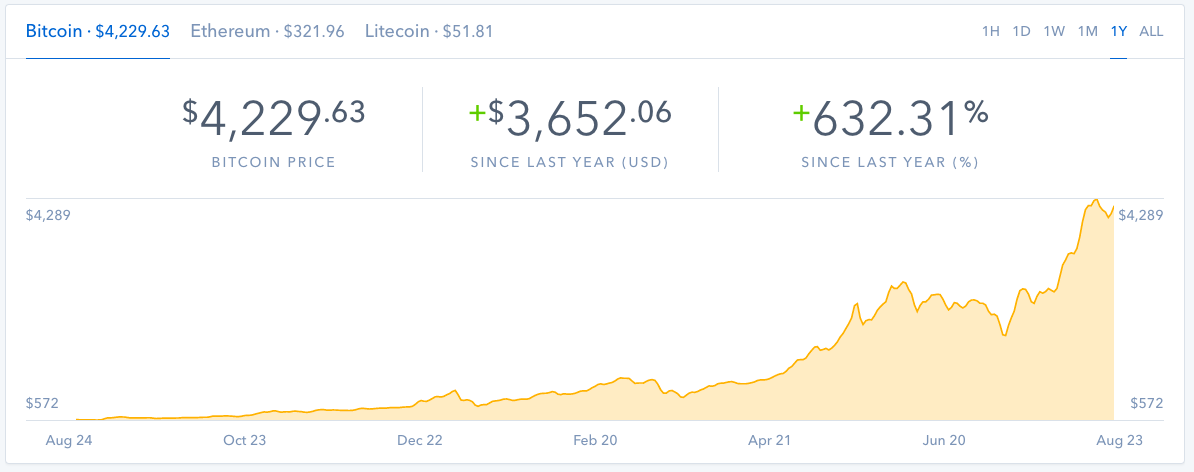
This table presents a hypothetical illustration of Bitcoin’s price fluctuations over the past year. Actual price data should be consulted from reputable sources for precise information. A visual representation, like a line graph, would further clarify the trend.

Final Thoughts

In conclusion, buying Bitcoin and other cryptocurrencies on Luno involves understanding the platform’s features, security measures, and market trends. This guide provided a comprehensive overview, enabling you to navigate the process with confidence. By understanding the potential risks and rewards, you can make informed decisions and potentially profit from this innovative financial landscape. Remember to prioritize security and conduct thorough research before investing.

FAQs

What are the different account types offered by Luno?

Luno offers various account types catering to different needs. Basic accounts are suitable for beginners, while premium accounts may offer more features and potentially lower fees. Each account type comes with varying benefits and limitations.

What are the risks associated with cryptocurrency investments?

Cryptocurrency investments come with inherent risks. Market volatility, security concerns, and regulatory uncertainty are key factors to consider before entering this market. Thorough research and diversification are crucial.

How do I keep my Luno account and cryptocurrency holdings secure?

Following Luno’s security guidelines and best practices is crucial. Safeguarding your private keys and being aware of scams are vital steps in protecting your investments. Consider using strong passwords and enabling two-factor authentication.

What are the different payment methods for purchasing Bitcoin on Luno?

Luno supports various payment methods for buying Bitcoin. These may include bank transfers, credit/debit cards, and other digital payment options. Check Luno’s website for the most up-to-date list of supported methods.

Beginning with bitcoin mining algorithm, the narrative unfolds in a compelling and distinctive manner, drawing readers into a story that promises to be both engaging and uniquely memorable.

The process of bitcoin mining revolves around specialized algorithms that not only validate transactions but also secure the entire Bitcoin network. With the SHA-256 algorithm at its core, mining serves as a critical mechanism ensuring the integrity and security of blockchain technology, making it essential for both users and miners alike.

Overview of Bitcoin Mining Algorithms

Bitcoin mining algorithms are at the core of the Bitcoin network, serving as the mechanisms that validate transactions and secure the blockchain. These algorithms are responsible for solving complex mathematical problems, known as cryptographic puzzles, which require substantial computational power. The significance of these algorithms cannot be overstated, as they ensure the integrity and security of the Bitcoin ecosystem while facilitating the mining process that rewards participants with new bitcoins.Mining algorithms contribute to blockchain security by creating a decentralized network of miners who compete to solve these puzzles.

As a result, the likelihood of a single entity gaining control over the blockchain diminishes, thereby enhancing its security. A strong mining algorithm protects the network against attacks and ensures that transactions are processed fairly and transparently.

Types of Bitcoin Mining Algorithms

The primary algorithm used in Bitcoin mining is the SHA-256 algorithm, which stands for Secure Hash Algorithm 256-bit. This algorithm is favored for its balance of security and efficiency, making it suitable for the demands of Bitcoin mining. Miners use SHA-256 to generate a hash that must meet specific criteria, thus facilitating the addition of new blocks to the blockchain.In contrast to SHA-256, other cryptocurrencies often utilize different algorithms.

For example, Ethereum employs Ethash, while Litecoin uses Scrypt. Comparing these algorithms highlights several differences:

  • SHA-256: Focused on security, but requires significant computational resources.
  • Ethash: Designed to be memory-hard, making it resistant to ASIC mining, which encourages decentralization.
  • Scrypt: Memory-intensive, allowing for the participation of consumer-grade hardware but can be less secure than SHA-256.

Each algorithm has its advantages and disadvantages, affecting mining efficiency, hardware requirements, and overall security.

How Mining Algorithms Work

The process of mining involves several steps that miners undertake to validate transactions. Initially, miners collect unconfirmed transactions from the Bitcoin network and compile them into a candidate block. The mining algorithm, SHA-256 in Bitcoin’s case, is then applied to this block, creating a hash. Miners continuously modify a value called a nonce within the block header to produce different hashes until one matches the target set by the network’s difficulty level.

This process is computationally intensive and requires considerable energy. Once a valid hash is found, the miner broadcasts the resulting block to the network, and if approved, it becomes part of the blockchain.

Interactions between miners and the blockchain occur through mining algorithms, which dictate how quickly miners can solve puzzles and add blocks. The competitive nature of mining incentivizes miners to invest in more powerful hardware, leading to rapid advancements in technology.

The Role of Mining Difficulty

Mining difficulty directly affects the performance of algorithms by determining how challenging it is to find a valid hash. The Bitcoin network adjusts this difficulty approximately every two weeks, ensuring that blocks are added to the blockchain roughly every ten minutes. This adjustment process is vital to maintaining the network’s stability and efficiency.As mining difficulty increases, it can impact miners’ profitability, as more time and resources are required to mine new blocks.

Miners must constantly evaluate whether their operational costs align with potential rewards, leading to strategic decisions regarding equipment upgrades or participation in mining pools.

Environmental Impact of Mining Algorithms

Bitcoin mining algorithms are notorious for their high energy consumption. The SHA-256 algorithm’s requirement for computational power translates to significant energy use, which raises concerns about the carbon footprint associated with mining activities. Comparatively, the energy consumption of Bitcoin mining can rival that of entire countries, leading to ongoing discussions about its sustainability.Efforts to reduce the environmental impacts of Bitcoin mining are gaining traction.

Strategies include transitioning to renewable energy sources, improving mining efficiency through better hardware, and implementing carbon offset initiatives. These strategies aim to minimize the ecological footprint while still allowing the benefits of Bitcoin mining to be realized.

Future of Bitcoin Mining Algorithms

The future of Bitcoin mining algorithms holds potential advancements that could reshape the landscape of cryptocurrency mining. Innovations in hardware and software could enhance the efficiency of mining operations, while new algorithms may emerge that could offer improved security and sustainability.Quantum computing poses a significant challenge to existing mining algorithms, including SHA-256. As this technology advances, the Bitcoin network may need to adapt its algorithms to remain secure against potential attacks.

Furthermore, trends such as the increasing popularity of proof-of-stake models could influence Bitcoin’s mining practices, leading to discussions about transitioning away from energy-intensive processes.

Conclusive Thoughts

In conclusion, understanding the intricacies of the bitcoin mining algorithm reveals its pivotal role in the cryptocurrency landscape. As technology evolves and new challenges arise, the future of mining algorithms promises to adapt, ensuring that Bitcoin remains a secure and viable option for digital transactions.

FAQ

What is the purpose of bitcoin mining algorithms?

The primary purpose of bitcoin mining algorithms is to validate transactions and secure the Bitcoin network by solving complex cryptographic puzzles.

How does mining difficulty impact miners?

Mining difficulty adjusts the complexity of puzzles that miners must solve, influencing their profitability and the overall security of the network.

Are there alternative mining algorithms?

Yes, other cryptocurrencies use different algorithms like Ethash for Ethereum, but SHA-256 remains unique to Bitcoin.

What are the environmental concerns of bitcoin mining?

Bitcoin mining consumes significant energy, raising concerns about its carbon footprint and environmental sustainability.

What’s the future outlook for bitcoin mining algorithms?

The future may see advancements like quantum computing, which could impact current mining techniques and strategies.

Investing in Bitcoin is gaining traction, and many are curious about the options available. This exploration dives into whether Merrill Lynch offers Bitcoin buying services. We’ll examine the process, potential benefits and drawbacks, and alternative investment strategies.

Navigating the world of cryptocurrency can be daunting. This guide simplifies the process of understanding Bitcoin trading at Merrill Lynch, offering a comprehensive overview for investors.

Introduction to Bitcoin Trading at Merrill Lynch

Bitcoin, a decentralized digital currency, has gained significant traction in the financial market. Its value is volatile, influenced by factors like market sentiment, regulatory developments, and technological advancements. Understanding its mechanics and the associated risks is crucial for any investor considering participation.Buying and selling Bitcoin, like any other asset, involves a transaction process. Generally, this entails converting traditional currency (e.g., USD) into Bitcoin, or vice versa, through a platform or exchange.

Security measures and transaction confirmation procedures are critical for safeguarding investments. The specific methods for buying and selling Bitcoin can vary based on the chosen platform.

Direct Bitcoin Purchases vs. Brokerage Platforms

Buying Bitcoin directly involves interacting with cryptocurrency exchanges. These platforms facilitate transactions between buyers and sellers, allowing for direct access to the Bitcoin market. This method often necessitates acquiring and managing cryptocurrency wallets. Brokerage platforms, on the other hand, offer a more streamlined approach, allowing investors to trade Bitcoin through their existing accounts. This often simplifies the process and may reduce the complexity of managing wallets.

Brokerage platforms, such as Merrill Lynch, act as intermediaries, providing a level of security and familiarity for investors accustomed to traditional financial markets.

Merrill Lynch’s Approach to Cryptocurrency Trading

Merrill Lynch’s approach to cryptocurrency trading reflects its commitment to providing access to diverse investment opportunities. They are likely to offer Bitcoin-related products and services through their platform, potentially incorporating safeguards and security measures. The specific offerings will vary and likely adapt to market trends and regulatory changes.

Available Bitcoin Products at Merrill Lynch

Currently, information about specific Bitcoin products offered by Merrill Lynch is limited. However, if they offer Bitcoin trading, it is likely to include the ability to buy and sell Bitcoin.

Product Type Description
Bitcoin (BTC) Direct purchase and sale of Bitcoin.

Merrill Lynch Bitcoin Buying Process

Buying Bitcoin through Merrill Lynch involves a structured process, mirroring their established brokerage procedures. This process prioritizes security and compliance with regulations, ensuring a smooth experience for their clients. Understanding these steps is crucial for navigating the transaction effectively.The Merrill Lynch platform for Bitcoin trading, while generally user-friendly, requires a degree of familiarity with the brokerage environment. This guide Artikels the key steps involved in opening an account, verifying identity, placing orders, and understanding different order types.

Account Opening and Verification

The process begins with account opening. This typically involves completing an application form online, providing necessary personal information, and agreeing to the terms and conditions. Following the application, a crucial step is verifying your identity. Merrill Lynch will request documentation to confirm your identity and address, adhering to stringent regulatory requirements. This typically includes government-issued photo identification and proof of address.

Thorough verification is essential to maintain account security and comply with anti-money laundering regulations.

Placing a Bitcoin Order

Once your account is verified and funded, you can proceed to place an order for Bitcoin. The order placement process is straightforward and utilizes the platform’s intuitive interface. You specify the desired quantity of Bitcoin and the price you’re willing to pay (or receive).

Order Types for Bitcoin Trading

Different order types offer varying degrees of control and potential outcomes. Understanding these types is crucial for effective trading.

  • Market Order: This type of order executes immediately at the best available price. It ensures the order is filled promptly but may not always yield the most favorable price.
  • Limit Order: A limit order executes only at a specific price or better. This allows you to buy or sell at a desired price point, but there’s no guarantee the order will be filled.
  • Stop-Loss Order: A stop-loss order automatically sells your Bitcoin when the price drops to a predetermined level. This helps limit potential losses.
  • Stop-Limit Order: A stop-limit order combines elements of stop-loss and limit orders. It triggers when the price reaches a specified stop price, and then only executes if the price reaches or surpasses a specified limit price.

Factors Affecting Bitcoin Price at Merrill Lynch

Bitcoin’s price at Merrill Lynch, like any other asset, is influenced by a complex interplay of market forces. Understanding these factors is crucial for investors considering Bitcoin as part of their portfolio. These factors are dynamic and can shift rapidly, impacting both potential profits and risks.

Market Factors Influencing Bitcoin Price

Market forces significantly affect Bitcoin’s price. Supply and demand dynamics, investor sentiment, and overall market conditions all play a role. Positive news or increased institutional interest can drive demand, leading to price increases. Conversely, negative sentiment or market corrections can depress demand and lower prices.

  • Supply and Demand: Bitcoin’s finite supply, combined with fluctuating demand from investors, significantly impacts its price. High demand relative to supply tends to drive up the price, while low demand results in price drops. This is a fundamental economic principle that applies to Bitcoin trading, as it does to all assets.
  • Investor Sentiment: The collective outlook of investors on Bitcoin’s future influences its price. Positive sentiment, fueled by optimism about technological advancements or growing adoption, generally leads to price increases. Conversely, negative sentiment, triggered by concerns about regulation or security, can lead to declines.
  • Overall Market Conditions: The performance of other asset classes, such as stocks and bonds, can influence Bitcoin’s price. During periods of market volatility or uncertainty, investors may seek refuge in Bitcoin, potentially driving up its value. Conversely, a robust performance in other markets might reduce investor interest in Bitcoin, leading to price decreases.

Impact of News Events and Regulatory Changes

News events and regulatory changes are pivotal factors impacting Bitcoin’s price at Merrill Lynch. Significant events, like regulatory announcements or breakthroughs in blockchain technology, can trigger significant price fluctuations.

  • Regulatory Changes: Government regulations regarding cryptocurrencies can significantly impact Bitcoin’s price. Favorable regulations, such as those that streamline the process for institutional investors, may lead to increased demand and price appreciation. Conversely, stringent regulations or restrictions on Bitcoin trading can cause uncertainty and price drops.
  • News Events: News events related to Bitcoin, including security breaches, controversies, and technological developments, can influence investor sentiment. Positive news, such as a successful adoption by a major corporation, may boost investor confidence and drive up the price. Negative news, like a high-profile hacking incident, can cause significant price drops due to investor apprehension.

Bitcoin Trading Compared to Other Asset Classes

Comparing Bitcoin trading to other asset classes reveals crucial differences in terms of volatility, risk, and potential return.

  • Volatility: Bitcoin exhibits significantly higher price volatility compared to traditional assets like stocks or bonds. This volatility presents both higher potential rewards and increased risk for investors.
  • Liquidity: Bitcoin markets can experience periods of high and low liquidity. This liquidity can affect trading activity and pricing. Liquidity varies across exchanges and can be a factor for investors considering trading at Merrill Lynch.
  • Market Structure: The structure of Bitcoin markets differs from traditional financial markets. Bitcoin’s decentralized nature, while offering certain advantages, may also present unique challenges to investors in terms of regulatory oversight and market transparency.

Potential Risks and Rewards of Buying Bitcoin Through Merrill Lynch

Investing in Bitcoin through Merrill Lynch, like any investment, involves both potential risks and rewards.

  • Potential Rewards: Bitcoin has the potential for significant returns, especially during periods of market growth or adoption. The potential for high returns is a key attraction for many investors, however, it is crucial to remember the associated risks.
  • Potential Risks: The volatility of Bitcoin’s price exposes investors to significant risks. Sharp price drops can lead to substantial losses. Regulatory uncertainties and security concerns also pose risks to investors.

Volatility of Bitcoin Prices and its Implications

Bitcoin’s price volatility is a defining characteristic of the cryptocurrency. Investors should be aware of the potential for substantial price fluctuations.

  • Impact on Investment Strategies: The volatility of Bitcoin prices necessitates careful consideration of investment strategies. Strategies that are effective in other asset classes may not be suitable for Bitcoin, given its high price fluctuations.
  • Risk Management: Managing risk is crucial for investors considering Bitcoin. Strategies such as diversification and setting stop-loss orders can help mitigate the impact of price fluctuations.

Alternatives to Buying Bitcoin at Merrill Lynch

Coke Can Stock Photos, Images and Backgrounds for Free Download

Beyond Merrill Lynch, various avenues exist for Bitcoin investment. Understanding these alternatives allows investors to explore a wider range of options, each with its own characteristics and potential benefits. Choosing the right platform hinges on factors like individual risk tolerance, investment goals, and comfort level with the investment process.Alternative platforms offer diverse approaches to acquiring Bitcoin, often with varying fees, security protocols, and user interfaces.

These platforms may include cryptocurrency exchanges, brokerage firms specializing in digital assets, and even peer-to-peer marketplaces.

Other Bitcoin Investment Platforms

Different platforms cater to diverse needs and risk tolerances. Direct cryptocurrency exchanges often provide more control over transactions, while brokerage platforms typically offer a more user-friendly interface, though sometimes with limitations. Peer-to-peer trading provides direct interaction between buyers and sellers, but carries unique risk considerations.

Buying Bitcoin Through Other Brokers or Exchanges

The process of purchasing Bitcoin through a broker or exchange is generally straightforward. A user typically creates an account, funds it, and then places an order to buy Bitcoin. The specific steps vary between platforms. Many platforms offer intuitive interfaces, simplifying the process for most users.

Fees and Commission Structures

Fees and commissions play a crucial role in the cost of acquiring Bitcoin. Exchanges often charge transaction fees, while brokerage platforms might impose commissions or markups. These fees can vary significantly between different platforms. For example, some exchanges may have a flat transaction fee, while others might use a tiered structure, potentially increasing the fee as the volume of transactions rises.

Analyzing fee structures is essential for comparing options.

Security Considerations

Security is paramount when dealing with digital assets like Bitcoin. Users should prioritize platforms with robust security measures, such as two-factor authentication, strong encryption, and secure storage solutions. Platforms employing cold storage for a portion of their assets can enhance security. Choosing platforms with a demonstrated history of security incidents and regulatory compliance is essential. Researching the security measures of various platforms is crucial.

Comparison of Bitcoin Investment Options

Feature Direct Cryptocurrency Exchange Brokerage Firm Peer-to-Peer Marketplace
Ease of Use Moderate to High (Depending on the platform) High Low to Moderate (Requires user familiarity with the platform and potential counterparty risk)
Fees Variable (often lower than brokerages for larger trades) Variable (often higher than exchanges, sometimes with markups) Variable (often high for small transactions, potential hidden fees)
Security Generally high (if the platform is reputable) Moderate to High (relies on the platform’s security measures) Low (potential for fraud, scams, and risks associated with peer-to-peer interactions)
Liquidity High (most platforms have high liquidity) Moderate (often limited by the platform’s assets) Low (transactions depend on available counterparties)

This table provides a general overview and doesn’t represent a complete comparison. The specific features and characteristics can vary significantly across different platforms. Thorough research on individual platforms is always recommended.

General Information about Buying Bitcoin

Bitcoin, a decentralized digital currency, has gained significant traction as a global investment asset. Understanding its market dynamics, transaction types, storage methods, mining process, and different wallet options is crucial for anyone considering investing in Bitcoin. This section provides a comprehensive overview of these key aspects.

Bitcoin Market Overview

Bitcoin’s market is characterized by volatility and significant price fluctuations. These fluctuations are influenced by various factors, including investor sentiment, regulatory changes, and technological advancements. Historical data reveals periods of substantial growth interspersed with periods of decline, making it a high-risk, high-reward investment.

Types of Bitcoin Transactions

Bitcoin transactions are fundamentally peer-to-peer transfers of value. They are recorded on a public ledger called the blockchain. Common transaction types include sending Bitcoin to another address, exchanging Bitcoin for fiat currency (like USD), or purchasing goods and services. Each transaction includes crucial details such as sender and recipient addresses, transaction amount, and timestamp.

Secure Bitcoin Storage Methods

Secure storage of Bitcoin is paramount. Loss or compromise of private keys can lead to irreversible loss of funds. Users employ various methods, including hardware wallets, software wallets, and online exchanges. Each method presents different levels of security and accessibility. Cold storage, often utilizing hardware wallets, is generally considered the most secure option as it isolates private keys from online connections.

Bitcoin Mining

Bitcoin mining is a computational process that verifies and adds new transactions to the blockchain. Miners are rewarded with newly generated Bitcoin for their efforts. This process is crucial for maintaining the integrity and security of the Bitcoin network. The computational power required to mine Bitcoin has increased significantly, leading to more sophisticated mining equipment and strategies.

Bitcoin Wallets

Different types of Bitcoin wallets cater to varying needs and security requirements. Understanding the distinctions between these options is vital.

Wallet Type Description Security Accessibility
Software Wallets Software applications installed on personal computers or mobile devices. Moderate; security depends on user practices and software vulnerabilities. High; accessible from any computer with the software.
Hardware Wallets Physical devices specifically designed for storing Bitcoin private keys offline. High; isolates private keys from online threats. Moderate; requires physical access to the device.
Online Wallets (Exchange Wallets) Wallets hosted by cryptocurrency exchanges. Variable; security depends on the exchange’s security measures. High; accessible via the exchange’s platform.

Specific Considerations for Buying Bitcoin

Navigating the cryptocurrency market, especially for a new investor, requires careful consideration of various factors beyond simply identifying a potential purchase. Understanding different order types, the importance of portfolio diversification, and managing risk tolerance are crucial for successful Bitcoin investment. This section provides insights into these critical aspects.

Market Orders and Limit Orders

Understanding the nuances of order types is fundamental to managing your Bitcoin investments. Different order types impact the price you pay and the potential for profit or loss.

  • Market orders execute immediately at the prevailing market price. This ensures swift execution, but you may not get the price you ideally desire. For example, a sudden surge in market demand can cause the price to rise before your market order is filled, leaving you with a potentially higher purchase price than anticipated.
  • Limit orders allow you to specify a desired price. Your order will only be executed if the market price reaches or surpasses your limit. This provides more control over the purchase price, but your order might not be filled if the market price remains below your limit. For instance, if you set a limit order to buy Bitcoin at $25,000 and the price stays below that level, your order will not be filled.

Diversification

Diversification is a key component of risk management. It involves spreading investments across different asset classes, reducing the impact of any single investment’s performance fluctuations on the overall portfolio.

  • A portfolio solely invested in Bitcoin is highly concentrated. If the Bitcoin market experiences a downturn, the entire portfolio could suffer significant losses. A diversified portfolio including other assets such as stocks, bonds, or real estate can help mitigate this risk.
  • Diversification strategies can involve different cryptocurrencies, or a combination of crypto and traditional assets. A balanced approach can help mitigate the volatility inherent in individual asset classes. For example, diversifying a portfolio with 50% in Bitcoin, 25% in stocks, and 25% in bonds, can provide more stability in times of market volatility.

Risk Tolerance

Risk tolerance is an individual’s comfort level with potential losses. Investors with high risk tolerance can tolerate larger fluctuations in investment value, potentially seeking higher returns.

  • High risk tolerance investors may be more inclined to invest a significant portion of their portfolio in volatile assets like Bitcoin. However, this carries a higher chance of significant losses.
  • Low risk tolerance investors prioritize preserving capital. They may choose a more conservative investment strategy, potentially limiting their exposure to Bitcoin or other high-risk assets. A low-risk tolerance approach might include investing a small percentage of their portfolio in Bitcoin, coupled with a significant portion in stable assets.

Managing Bitcoin Investments

Effective management of Bitcoin investments involves consistent monitoring and adjustments.

  • Set clear investment goals and a budget. Establish a realistic timeframe for investment and identify specific financial objectives. This helps to ensure that Bitcoin investments align with overall financial plans.
  • Regularly review investment performance and adjust strategies as needed. Monitor market trends and make informed decisions about holding, selling, or adding to your Bitcoin position. For example, if a cryptocurrency’s value starts to decline, consider whether to adjust your investment strategy or consider alternative assets.

Potential Benefits and Drawbacks of Buying Bitcoin

Investing in Bitcoin, like any other investment, presents a complex interplay of potential rewards and risks. Understanding these facets is crucial for making informed decisions. While Bitcoin’s volatility and inherent complexities can deter some, its potential for substantial returns, and its role in a changing financial landscape, makes it a subject of considerable interest.A key consideration in evaluating Bitcoin is its unique position within the broader investment market.

Its decentralized nature, coupled with its limited supply, sets it apart from traditional assets. This distinctiveness, however, also introduces challenges that investors must be prepared to navigate.

Potential Benefits of Buying Bitcoin

Bitcoin’s decentralized nature and limited supply have fueled its popularity among investors seeking alternative investment opportunities. Its potential for high returns, while also carrying significant risk, has attracted considerable attention.

  • Potential for High Returns: Bitcoin’s price has exhibited significant fluctuations throughout its history, leading to substantial gains for some investors. However, the past performance of an investment is not necessarily indicative of future results.
  • Decentralization and Transparency: Bitcoin transactions occur on a public ledger, fostering transparency and eliminating the need for intermediaries. This characteristic can be attractive to some investors seeking alternative financial systems.
  • Potential Inflation Hedge: Some proponents believe Bitcoin’s limited supply could offer a hedge against inflation. However, this remains a subject of debate and is not a guaranteed outcome.

Potential Drawbacks and Risks Associated with Bitcoin Investments

Bitcoin’s volatility and lack of regulation pose significant risks for investors. Thorough understanding of these risks is crucial before committing capital.

  • Volatility and Price Fluctuations: Bitcoin’s price is notoriously volatile, making it a highly speculative investment. Rapid and substantial price swings can lead to significant losses, as illustrated by instances of dramatic market corrections.
  • Lack of Regulation and Legal Uncertainty: The lack of comprehensive regulatory frameworks surrounding Bitcoin can introduce legal uncertainties and risks for investors. Varying regulations across jurisdictions add to this complexity.
  • Security Risks: Bitcoin wallets and exchanges are vulnerable to hacking and theft. This risk is a serious consideration for investors.
  • Limited Understanding and Market Manipulation: The relative novelty of Bitcoin means a less developed understanding of its intricacies, potentially leaving investors susceptible to manipulation in the market.

Long-Term Implications of Buying Bitcoin

Bitcoin’s long-term trajectory is uncertain, and its impact on the financial landscape is still unfolding. The evolving regulatory environment and technological advancements will play significant roles in shaping its future.

  • Technological Advancement and Integration: Further development of Bitcoin’s underlying technology and its integration into various financial systems will significantly affect its long-term viability.
  • Regulatory Developments: The evolving regulatory landscape surrounding Bitcoin will significantly impact its future adoption and accessibility.
  • Market Acceptance and Adoption: Broader acceptance and adoption of Bitcoin within mainstream financial systems could dramatically alter its long-term outlook.

Inflation and its Relationship to Bitcoin

Bitcoin’s fixed supply of 21 million coins is often presented as a counterbalance to inflation. However, the precise relationship remains a subject of debate.

“Bitcoin’s limited supply is often cited as a potential hedge against inflation, but the precise correlation is complex and not fully understood.”

The value of Bitcoin is influenced by market forces, including supply and demand.

Comparative Analysis of Bitcoin and Other Investment Options

Comparing Bitcoin to other investment options requires careful consideration of various factors. Diversification is often recommended to mitigate risk.

Investment Option Key Characteristics Potential Benefits Potential Drawbacks
Bitcoin Decentralized, limited supply Potential high returns, inflation hedge (debated) High volatility, lack of regulation
Stocks Represent ownership in companies Potential for long-term growth, dividend income Market fluctuations, company-specific risks
Bonds Debt securities issued by governments or corporations Generally lower risk than stocks, stable income Lower potential returns compared to stocks

Last Recap

In conclusion, the accessibility of Bitcoin at Merrill Lynch depends on their current offerings. Understanding the process, potential risks, and available alternatives is crucial for making informed investment decisions. This overview provides a starting point for your research.

FAQ Corner

Can I buy fractional Bitcoin at Merrill Lynch?

Unfortunately, information on fractional Bitcoin purchases isn’t available in the provided Artikel. Contacting Merrill Lynch directly would be necessary to determine their policies on fractional Bitcoin investments.

What are the typical fees associated with buying Bitcoin at Merrill Lynch?

The Artikel does not specify Merrill Lynch’s Bitcoin trading fees. It’s essential to consult their current fee schedule for the most up-to-date information.

What security measures does Merrill Lynch implement for Bitcoin transactions?

The Artikel doesn’t detail specific security protocols for Bitcoin transactions at Merrill Lynch. However, it’s expected that Merrill Lynch would follow industry best practices for security.

Are there any specific tax implications for buying Bitcoin through Merrill Lynch?

The Artikel does not discuss tax implications. Consulting a tax advisor is recommended for understanding any tax obligations associated with Bitcoin investments.

As bitcoin news warren buffett takes center stage, this opening passage beckons readers into a world rich with insights into the evolving landscape of cryptocurrencies and one of the most influential investors of our time. Bitcoin, a groundbreaking digital currency, has generated both excitement and skepticism, particularly from notable figures like Warren Buffett, whose opinions have significantly shaped public sentiment toward crypto assets.

This discussion explores Buffett’s historical stance on Bitcoin, recent developments in the cryptocurrency market, and the reactions from both the public and financial experts. By delving into the intersection of Buffett’s investment philosophy and the dynamic world of Bitcoin, we aim to illuminate the complexities surrounding this digital currency and its future.

Overview of Bitcoin and Warren Buffett’s Position

Bitcoin has emerged as a revolutionary digital currency since its inception in 2009. It operates on a decentralized network, leveraging blockchain technology to enable peer-to-peer transactions without the need for intermediaries. This innovative approach has significant implications for the financial world, offering an alternative to traditional fiat currencies and challenging the established financial systems.Warren Buffett, one of the most renowned investors in history, has been a vocal critic of Bitcoin and cryptocurrencies.

Historically, he has described Bitcoin as “rat poison squared,” expressing skepticism about its intrinsic value and long-term viability. Over the years, Buffett’s position has evolved slightly, but he remains cautious, emphasizing that he does not see cryptocurrencies as a viable investment.

Recent Developments in Bitcoin News

The landscape of Bitcoin is ever-changing, with new headlines emerging frequently. Recently, Bitcoin has experienced fluctuations in its market value, attributed to various factors including regulatory developments and macroeconomic trends. News of increased institutional adoption has also stirred interest, leading to a surge in Bitcoin’s price earlier this year.Regulatory scrutiny has intensified, with governments worldwide implementing new frameworks to govern digital currencies.

Buffett’s reactions to these developments have remained critical, often pointing out the potential risks associated with increased regulation and the speculative nature of cryptocurrencies. Key events, such as major firms announcing the acceptance of Bitcoin for payments, continue to influence its price and market perception.

Buffett’s Investment Philosophy

Warren Buffett is known for his value investing philosophy, which focuses on purchasing undervalued companies with solid fundamentals and holding them for the long term. His principles are grounded in thorough analysis and a disciplined approach to investment. In stark contrast, Buffett views cryptocurrencies like Bitcoin as speculative assets lacking intrinsic value, advocating for investments in tangible businesses instead.His emphasis on durability and economic moats in investments highlights the differences between traditional assets and digital currencies.

Buffett’s statements regarding cryptocurrencies often reflect his belief that they do not produce anything of tangible value, making them a poor choice for serious investors.

Public Reactions to Buffett’s Opinions on Bitcoin

The cryptocurrency community has reacted vigorously to Buffett’s critiques, often defending Bitcoin’s value proposition. Proponents argue that Bitcoin serves as a hedge against inflation and a store of value, particularly in uncertain economic times. Social media platforms are abuzz with discussions, with many users sharing their perspectives on Buffett’s views.For instance, Twitter users frequently engage in debates about the future of Bitcoin, citing examples of its resilience during market downturns.

Public sentiment around Buffett’s statements varies, with some embracing his cautionary perspective while others see it as outdated in the context of evolving financial landscapes.

The Future of Bitcoin and Buffett’s Influence

Analyzing potential scenarios for Bitcoin’s future reveals a complex picture. Current trends suggest increasing adoption and integration into mainstream finance, which could bolster its legitimacy. However, ongoing regulatory challenges may also create hurdles that could impact its growth trajectory.Buffett’s opinions continue to hold significant sway over many investors, potentially discouraging risk-averse individuals from venturing into the cryptocurrency space. Nevertheless, financial experts predict that as technology and market understanding evolve, the narrative around Bitcoin may shift.

Predictions suggest that Bitcoin could either solidify its position as a digital gold or face challenges that hinder its acceptance.

Educational Resources on Bitcoin and Investing

For those looking to deepen their understanding of Bitcoin and cryptocurrency investments, several educational resources are highly recommended. Here are some valuable materials:

  • Books: “The Bitcoin Standard” by Saifedean Ammous, “Mastering Bitcoin” by Andreas M. Antonopoulos.
  • Articles: Investopedia’s guide to Bitcoin, CoinDesk’s analysis on market trends.
  • Documentaries: “Banking on Bitcoin,” which explores the origins and implications of Bitcoin.

Additionally, there are numerous online platforms where investors can stay updated on Bitcoin news and developments, such as CoinMarketCap and CryptoSlate. These resources provide real-time data, market analysis, and educational content that can help both novice and experienced investors navigate the cryptocurrency landscape.

Final Review

In conclusion, the relationship between bitcoin and warren buffett continues to unfold, marked by evolving perceptions and market shifts. As Bitcoin garners more attention, understanding Buffett’s critiques and the subsequent public reactions provides valuable insight into the future of cryptocurrency investments. Whether one agrees with Buffett’s views or advocates for Bitcoin, the ongoing dialogue highlights the significance of education and informed decision-making in the financial realm.

Commonly Asked Questions

What is Bitcoin?

Bitcoin is a decentralized digital currency that enables peer-to-peer transactions without the need for a central authority or intermediary.

Why has Warren Buffett been critical of Bitcoin?

Buffett has expressed skepticism about Bitcoin, viewing it as lacking intrinsic value and comparing it to speculative investments.

How do recent regulations affect Bitcoin?

New regulations can impact Bitcoin’s market dynamics, investor confidence, and overall adoption within mainstream finance.

What are some potential future trends for Bitcoin?

Experts predict that Bitcoin could see increased institutional adoption, regulatory clarity, and advancements in technology that may influence its price and usage.

Where can I find reliable Bitcoin news?

Reliable Bitcoin news can be found on financial news websites, cryptocurrency news platforms, and social media channels dedicated to digital currencies.

Bitcoin’s price reaching zero is a hypothetical yet compelling scenario with significant implications for the cryptocurrency market. This exploration delves into the theoretical underpinnings of such a drastic price drop, considering various factors from technological advancements to regulatory changes.

Examining the historical volatility of Bitcoin and other cryptocurrencies provides context, allowing us to assess the likelihood of a complete devaluation. This analysis will also compare Bitcoin’s potential fate with traditional financial assets.

Bitcoin Price at Zero

A Bitcoin price of zero, while seemingly improbable, presents a fascinating theoretical exercise. Exploring the potential scenarios and cascading effects of such a drastic devaluation reveals crucial insights into the vulnerabilities and resilience of the cryptocurrency market. Understanding the factors that could lead to this outcome is vital for investors and stakeholders to assess the potential risks and opportunities within the digital asset landscape.A Bitcoin price of zero signifies a complete loss of faith and utility in the cryptocurrency.

This catastrophic event would stem from a confluence of factors, ranging from technological failures to severe regulatory crackdowns and profound economic downturns. Each factor plays a significant role in eroding Bitcoin’s value, ultimately leading to its perceived worthlessness.

Theoretical Model for Bitcoin Price Collapse

The collapse of Bitcoin’s price to zero hinges on the erosion of its core value propositions. This involves a breakdown of trust, technological obsolescence, or significant regulatory hurdles. A critical loss of user confidence and widespread adoption, coupled with economic crises, can severely impact the value proposition.

Factors Contributing to Bitcoin’s Zero Value

Several interconnected factors could lead to Bitcoin’s complete devaluation. Technological vulnerabilities, like a major security breach or a significant protocol flaw, could cripple the network’s functionality. Economic downturns, such as hyperinflation or a major financial crisis, could diminish the perceived value of Bitcoin as a store of value. Regulatory crackdowns, particularly in jurisdictions where Bitcoin is heavily used, could severely curtail the cryptocurrency’s accessibility and utility.

Consequences of a Bitcoin Price Reaching Zero

The implications of a Bitcoin price reaching zero are far-reaching. Investors would face substantial losses, potentially triggering a ripple effect throughout the financial system. Businesses reliant on Bitcoin for transactions or investments would be severely impacted, with potentially devastating consequences for their operations. The overall cryptocurrency market would experience a major setback, possibly leading to a period of stagnation or even collapse, potentially impacting other digital assets.

Impact on Investors, Businesses, and the Financial System

The loss of Bitcoin’s value would cause significant losses for investors who hold Bitcoin. Businesses that have integrated Bitcoin into their operations would face substantial operational disruption. The wider financial system could also experience repercussions, including a decline in investor confidence and a possible decrease in market liquidity. The extent of the impact depends on the speed and severity of the price collapse.

Comparative Analysis of Zero-Price Scenarios

Scenario Cause Impact
Technological Failure Major security breach, crippling protocol flaw, or widespread network disruption. Loss of user confidence, cessation of transactions, rendering the currency unusable.
Regulatory Crackdown Stricter regulations, outright bans, or severe penalties in major jurisdictions. Limited accessibility, restrictions on usage, and a significant reduction in trading volume.
Economic Collapse Hyperinflation, major financial crisis, or a collapse in the global economy. Loss of trust as a store of value, diminishing its utility in times of economic instability.
Massive Adoption Failure Lack of widespread adoption, limited use cases, or a lack of mainstream acceptance. Limited utility, a significant reduction in trading volume, and a drop in perceived value.

Historical Context of Cryptocurrency Price Volatility

Bitcoin, and the broader cryptocurrency market, are notorious for their extreme price fluctuations. This volatility, often characterized by rapid and dramatic price swings, has significantly impacted investor sentiment and market participation. Understanding this historical context is crucial for assessing the risks and opportunities within the cryptocurrency space.The inherent nature of cryptocurrency markets, characterized by limited regulatory oversight and decentralized control, contributes to price instability.

This dynamic environment, combined with the relative novelty of digital currencies, has resulted in considerable price volatility over the years. The market’s susceptibility to speculative activity and sudden shifts in investor sentiment further exacerbates these fluctuations.

Bitcoin Price Fluctuations Over Time

The history of Bitcoin’s price is marked by periods of significant growth and sharp declines. Early adopters and investors often experienced substantial gains, but these gains were frequently followed by significant losses as market sentiment shifted. Several notable events, including regulatory developments, technological advancements, and major market events, have influenced Bitcoin’s price.

Notable Price Crashes and Recoveries

Several notable crashes and recoveries have shaped the cryptocurrency market’s history. The 2017-2018 bull run, followed by a steep decline, is a prime example. Factors like regulatory uncertainty, market corrections, and investor sentiment shifts contributed to these price movements. Similarly, the 2022 market downturn saw significant declines in numerous cryptocurrencies, including Bitcoin, driven by factors such as tightening monetary policies, macroeconomic headwinds, and concerns about the sustainability of some crypto projects.

These crashes, while painful, are part of the inherent volatility of the market and often pave the way for future growth and innovation.

Correlation with Other Cryptocurrencies

Bitcoin, often considered the leading cryptocurrency, tends to exhibit a degree of correlation with other cryptocurrencies. Major movements in Bitcoin’s price often trigger similar reactions in other cryptocurrencies. However, this correlation isn’t absolute, and individual cryptocurrencies can display unique price actions influenced by their specific characteristics and project-specific events. The degree of correlation can vary depending on the specific market conditions and the relationship between the cryptocurrency in question and Bitcoin.

Comparison to Traditional Assets

Bitcoin’s volatility stands in stark contrast to traditional assets like stocks and bonds. Stocks and bonds, while subject to market fluctuations, generally exhibit less extreme price swings than Bitcoin. The significantly higher volatility of Bitcoin necessitates a more cautious investment approach, especially for those unfamiliar with the risks associated with cryptocurrencies. This difference in volatility is a key factor in the decision-making process for investors.

Factors Contributing to Bitcoin’s Price Fluctuations

Numerous factors influence Bitcoin’s price, including:

  • Market Sentiment and Speculation: Investor confidence and speculation play a substantial role in determining Bitcoin’s price. Positive sentiment often leads to price increases, while negative sentiment can trigger sharp declines.
  • Regulatory Developments: Government regulations and policies concerning cryptocurrencies can significantly impact market confidence and, consequently, Bitcoin’s price. Changes in regulations often lead to price fluctuations, as investors react to the potential impact on the market.
  • Technological Advancements: New technologies and advancements in the blockchain space can either bolster or hinder Bitcoin’s adoption and price. Innovative implementations often lead to price growth, while setbacks can lead to price declines.
  • Major Market Events: Global economic conditions, geopolitical events, and significant news events can affect market sentiment and, in turn, Bitcoin’s price. The market often reacts to such events, leading to fluctuations in price.

Historical Highs and Lows of Bitcoin

Year High (USD) Low (USD)
2021 64,800 30,000
2022 48,000 15,000
2023 30,000 16,000

Note

Values are approximate and can vary based on the specific data source. Historical data should be used for informational purposes only and not as a basis for investment decisions.*

Cryptocurrency Fundamentals in Relation to Bitcoin

Cryptocurrencies, a novel form of digital money, are built on decentralized principles, operating independently of traditional financial institutions. Their value and use depend heavily on underlying technologies and market dynamics. Bitcoin, the pioneering cryptocurrency, has significantly influenced the broader cryptocurrency landscape. Understanding the fundamentals of these digital assets is crucial to comprehending their potential and risks.

Fundamental Principles of Cryptocurrency

Cryptocurrencies are digital or virtual currencies designed to work as a medium of exchange, similar to traditional fiat currencies. Their core principle lies in decentralization, meaning they operate without a central bank or governing body. Transactions are verified and recorded on a distributed ledger, known as a blockchain, ensuring transparency and security. This decentralization, however, also introduces challenges in terms of regulation and oversight.

Blockchain Technology and Its Role

Blockchain technology is the foundation upon which most cryptocurrencies are built. It’s a distributed, immutable ledger that records transactions across multiple computers. This decentralized nature makes it resistant to tampering and fraud. Each transaction is grouped into a “block,” linked to the previous block in a chronological chain. This cryptographic linking ensures the integrity and transparency of the records.

The security of blockchain is based on cryptography, ensuring that transactions are secure and verifiable.

Different Types of Cryptocurrencies and Their Characteristics

A wide array of cryptocurrencies exist beyond Bitcoin, each with unique characteristics and intended uses. Some are designed for specific purposes, like decentralized finance (DeFi) applications, while others focus on enhanced scalability or security. The diversity of cryptocurrencies reflects the evolving needs and aspirations within the digital asset space. Their characteristics vary significantly, impacting their use cases and market performance.

Key Differences Between Bitcoin and Other Cryptocurrencies

Bitcoin, the first cryptocurrency, pioneered the concept of decentralized digital money. While other cryptocurrencies share some similarities, key differences exist in their underlying technologies, transaction speeds, scalability, and intended use cases. These differences influence their individual market dynamics and appeal to specific user groups.

Cryptocurrency List with Bullet Points

  • Bitcoin (BTC): The original cryptocurrency, known for its security and limited supply. Bitcoin’s primary function is as a peer-to-peer electronic cash system.
  • Ethereum (ETH): A platform for decentralized applications (dApps), allowing for the creation of smart contracts and other blockchain-based services. Ethereum is primarily used for its smart contract functionality.
  • Litecoin (LTC): Designed as a faster and more scalable alternative to Bitcoin, focusing on quicker transaction speeds. It prioritizes transaction speed over other factors.
  • Ripple (XRP): A cryptocurrency primarily focused on cross-border payments, emphasizing speed and efficiency in financial transactions. Ripple’s primary use case is facilitating cross-border transactions.
  • Tether (USDT): A stablecoin pegged to the US dollar, aiming to provide price stability and facilitate easier trading. Tether’s main function is to maintain a stable value.

Key Characteristics of Bitcoin and Other Prominent Cryptocurrencies

Cryptocurrency Mechanism Use Case
Bitcoin (BTC) Proof-of-work consensus mechanism, limited supply of 21 million coins. Digital currency, peer-to-peer electronic cash system.
Ethereum (ETH) Proof-of-stake consensus mechanism, smart contract platform. Decentralized applications (dApps), smart contracts.
Litecoin (LTC) Proof-of-work consensus mechanism, faster transaction times. Alternative payment method, faster transactions than Bitcoin.
Ripple (XRP) Consensus mechanism based on a different model than Bitcoin or Ethereum. Cross-border payments, international transactions.
Tether (USDT) Stablecoin pegged to the US dollar. Maintaining a stable value, facilitating easier trading.

Potential Scenarios for a Bitcoin Price of Zero

Market Expert Says Bitcoin Price Has Officially Left The Danger Zone ...

Bitcoin’s price volatility has always been a defining characteristic of the cryptocurrency market. While a price of zero for Bitcoin is an extreme outcome, understanding potential scenarios helps contextualize the inherent risks associated with this nascent asset class. Analyzing these scenarios is crucial for investors to assess their risk tolerance and make informed decisions.A price of zero for Bitcoin would represent a catastrophic failure of the cryptocurrency’s underlying value proposition.

Such a collapse would be driven by a confluence of factors, ranging from fundamental flaws in the technology to external shocks impacting market confidence.

Triggers for a Substantial Drop in Bitcoin’s Value

A significant drop in Bitcoin’s value, potentially leading to a price of zero, can be triggered by several factors. Market manipulation, regulatory crackdowns, and fundamental weaknesses in the underlying technology all pose substantial risks. Understanding these catalysts is vital for investors to assess their exposure and manage their risk.

  • Regulatory Actions: Stringent regulatory measures, such as outright bans or restrictions on transactions, can severely cripple Bitcoin’s adoption and usage. For example, if major financial institutions and governments globally restricted or prohibited Bitcoin transactions, this could lead to a drastic decrease in demand and consequently, a significant price drop. The fear of legal repercussions and the removal of institutional backing would quickly undermine confidence and potentially cause a collapse.

  • Widespread Systemic Failures: The Bitcoin network, like any other decentralized system, is vulnerable to failures. A significant security breach or a major attack on the network’s integrity could cause irreparable damage, severely impacting its trustworthiness and value.
  • Technological Obsolescence: Bitcoin’s technology might be overtaken by more innovative and efficient alternatives. If superior blockchain technologies emerge with broader applicability and stronger security, Bitcoin’s relevance could diminish rapidly. The introduction of a better-performing or more user-friendly cryptocurrency could render Bitcoin obsolete and cause its price to plummet.
  • Market Manipulation: A coordinated effort to manipulate the market, either by short-selling or artificially suppressing demand, could significantly impact Bitcoin’s price. Such manipulation could be orchestrated by large entities or coordinated groups seeking to profit from the decline.

Impact of Regulatory Actions or Market Manipulation

Regulatory actions and market manipulation can significantly impact Bitcoin’s price. These external forces can cause substantial price drops and even potentially push Bitcoin’s price to zero.

  • Regulatory Crackdowns: Government regulations or bans on Bitcoin transactions, similar to the historical actions taken against certain financial instruments, can effectively eliminate Bitcoin’s use as a means of exchange. This would greatly reduce demand, impacting the market value. This is not hypothetical. Several countries have either banned or heavily restricted Bitcoin and other cryptocurrencies.
  • Market Manipulation Strategies: Sophisticated market manipulation, involving coordinated short-selling or spreading misinformation, could destabilize the market. This has been observed in traditional markets and can equally impact the volatile cryptocurrency space.

Outcomes if a Significant Portion of Bitcoin’s Supply Becomes Worthless

If a substantial portion of Bitcoin’s supply becomes worthless, the social and economic ramifications would be considerable.

Scenario 1: A catastrophic security breach or a major attack on the Bitcoin network’s integrity could render a significant portion of Bitcoin’s supply worthless. The trust and confidence in the system would be lost, and the price would likely plummet to zero.

Scenario 2: A widespread adoption of a competing cryptocurrency with superior technology could render Bitcoin obsolete. This would significantly reduce demand, potentially driving the price to zero.

Scenario 3: A complete ban or heavy regulation of Bitcoin transactions in major jurisdictions could cripple its use as a currency or store of value, leading to a price collapse.

Social and Economic Ramifications

The social and economic implications of a Bitcoin price approaching zero would be substantial.

  • Loss of Investor Confidence: A price collapse would severely damage investor confidence in the cryptocurrency market, potentially deterring future investment and innovation.
  • Economic Instability: A widespread loss of value in Bitcoin assets would have a ripple effect on the broader economy, impacting financial markets and investor portfolios.
  • Social Disruption: If Bitcoin is widely used as a payment method, its devaluation could disrupt social and economic systems, especially in regions where it has been adopted as a currency.

Alternative Perspectives on Bitcoin’s Future

Bitcoin’s future trajectory remains a subject of intense debate, with a spectrum of opinions ranging from optimistic projections to pessimistic forecasts. The cryptocurrency’s journey has been marked by significant price fluctuations and evolving market dynamics, leading to varied interpretations of its long-term viability. Understanding these differing viewpoints is crucial to evaluating Bitcoin’s potential role in the future of finance.Alternative perspectives on Bitcoin’s future are driven by diverse assessments of its technological merits, market acceptance, and regulatory landscape.

These diverse viewpoints highlight the complexity of evaluating a decentralized asset with inherent volatility and a constantly evolving regulatory environment.

Diverse Opinions on Long-Term Prospects

Various experts hold differing views on Bitcoin’s long-term potential. Some believe that Bitcoin’s unique characteristics, such as its scarcity and decentralized nature, position it as a promising investment and a valuable store of value. Others maintain that Bitcoin’s inherent volatility and susceptibility to market manipulation make it a high-risk investment. These contrasting opinions reflect the inherent uncertainty surrounding the cryptocurrency’s future.

Alternative Viewpoints on Bitcoin’s Financial Role

Bitcoin’s potential role in the financial world is subject to diverse interpretations. Proponents envision Bitcoin as a disruptive force, potentially challenging traditional financial systems and offering alternative payment solutions. Conversely, critics argue that Bitcoin’s volatility and lack of regulatory oversight pose significant risks to its adoption as a mainstream financial instrument.

Expert Opinions on Likelihood of Price Reaching Zero

Experts’ assessments of the likelihood of Bitcoin’s price reaching zero vary considerably. Some analysts believe that Bitcoin’s price is likely to experience further declines, potentially reaching lower levels. However, others assert that Bitcoin’s underlying technology and potential applications in various sectors will prevent its complete devaluation. A critical evaluation of these divergent opinions is vital for assessing Bitcoin’s future.

Arguments for and Against Bitcoin’s Survival

Arguments for Bitcoin’s survival often center on its potential as a decentralized store of value, its use as a medium of exchange, and its potential for use in various applications. Conversely, arguments against Bitcoin’s survival often cite its volatility, regulatory uncertainties, and security concerns. These conflicting arguments highlight the multifaceted nature of the cryptocurrency and its evolving relationship with the global financial system.

Comparison of Predicted Future to Current Market Position

Bitcoin’s predicted future is often compared to its current market position. Some projections suggest that Bitcoin will experience continued growth and adoption, reaching new highs in the future. Others predict that Bitcoin will remain a niche asset, with limited mainstream adoption. These predictions reflect the ongoing uncertainty surrounding Bitcoin’s future trajectory.

Summary of Perspectives on Bitcoin’s Future

Perspective Argument Likelihood
Optimistic Bitcoin’s unique characteristics and potential applications will drive adoption and price appreciation. Moderate to High
Neutral Bitcoin’s future is uncertain, with both potential for growth and decline, depending on various factors. Medium
Pessimistic Bitcoin’s inherent volatility and regulatory challenges will limit its adoption and lead to price devaluation. Low to Moderate

Last Point

In conclusion, the potential for Bitcoin’s price to reach zero is a multifaceted issue influenced by numerous variables. This discussion highlighted the theoretical scenarios, historical precedents, and alternative perspectives on the cryptocurrency’s future. Ultimately, the outcome remains uncertain, requiring ongoing observation and analysis.

FAQ

What are the key factors that could lead to Bitcoin’s price plummeting to zero?

Several factors could contribute to Bitcoin’s price reaching zero, including widespread adoption of competing cryptocurrencies, significant regulatory crackdowns, or a major security breach that undermines trust in the platform.

How does Bitcoin’s price volatility compare to traditional assets like stocks?

Bitcoin’s price volatility is significantly higher than traditional assets. This inherent instability presents both higher potential rewards and increased risk for investors.

What is the role of blockchain technology in Bitcoin’s potential price collapse?

Blockchain technology, while foundational to Bitcoin, is not immune to vulnerabilities. Security flaws or regulatory pressures could impact Bitcoin’s price if the blockchain is compromised or deemed unsuitable.

Bitcoin’s price volatility demands a reliable and informative ticker. This guide delves into the intricacies of Bitcoin price tickers, from their fundamental functions to the practical applications for investors and traders. We’ll explore how these tools display real-time data, track trends, and facilitate informed decisions within the cryptocurrency market.

Understanding the factors that drive Bitcoin’s price is crucial. This guide analyzes market sentiment, regulatory influences, and correlations with other financial assets, providing a holistic view of the dynamic forces at play. Different visualization techniques are also explored to aid in interpreting price patterns.

Introduction to Bitcoin Price Ticker

A Bitcoin price ticker is a real-time display of the current market price of Bitcoin. It provides a concise and readily accessible way to track the value of Bitcoin, crucial for investors and those interested in the cryptocurrency market. This dynamic display keeps users informed about the constantly fluctuating price.The primary function of a Bitcoin price ticker is to show the instantaneous price of Bitcoin in a chosen currency (e.g., USD, EUR).

Its purpose is to facilitate quick price comparisons and monitoring, aiding users in making informed decisions related to buying, selling, or holding Bitcoin. Its utility is paramount in a volatile market, enabling users to understand the current market conditions.

Bitcoin Price Ticker Formats

Bitcoin price tickers typically display the current price, often with a change indicator (e.g., up or down) and the percentage change. Some tickers also include the volume traded. The format is standardized across different platforms to provide a consistent user experience. This consistent presentation enables easy understanding and comparison across various sources. For instance, a ticker might show “$26,500.00 -0.3%” to indicate the current price of $26,500 and a decrease of 0.3% from the previous period.

Examples of Bitcoin Price Tickers

Different platforms offer various Bitcoin price tickers. On websites dedicated to cryptocurrency trading, these tickers often integrate seamlessly with charts and other market data. Mobile applications also provide Bitcoin price tickers, usually incorporated within a user interface for ease of access and to align with the mobile experience.

Comparison of Bitcoin Price Tickers

Ticker Platform Features Accuracy
CoinMarketCap Ticker CoinMarketCap Website Real-time updates, historical price data, charts, and detailed market information. High
CoinGecko Ticker CoinGecko Website Real-time updates, comprehensive data on various cryptocurrencies, charts, and news. High
Binance Ticker Binance Exchange Real-time updates, integrated with trading platform, order book data, and trading volume. High
Crypto.com Ticker Crypto.com App Real-time updates, integrated with the user’s account, and customizable display options. High

The table above compares different Bitcoin price tickers, highlighting their platforms, key features, and accuracy levels. Different tickers may focus on different aspects of the market, making them suitable for various user needs and preferences. High accuracy is a common feature among most platforms to ensure reliability for users.

Factors Influencing Bitcoin Price

Bitcoin’s price, a volatile yet captivating asset, is influenced by a complex interplay of market forces. Understanding these factors is crucial for investors and analysts alike to navigate the cryptocurrency market effectively. The price is not dictated by a single entity but rather a confluence of economic, technological, and social trends.

Market Sentiment

Market sentiment, encompassing investor confidence and public perception, plays a significant role in determining Bitcoin’s price. Positive sentiment often leads to increased demand and price appreciation, while negative sentiment can trigger selling pressure and price declines. Social media trends, news coverage, and prominent figures’ opinions all contribute to the overall market mood, impacting Bitcoin’s price direction. For instance, positive endorsements by influential figures can boost investor confidence, potentially leading to a surge in demand.

Conversely, negative news or regulatory concerns can lead to significant price drops.

Correlation with Other Financial Assets

Bitcoin’s price exhibits correlations with other financial assets, albeit not always consistently. Sometimes, Bitcoin’s price mirrors the movements of stocks or other cryptocurrencies, reflecting broader market trends. However, its unique characteristics and relative volatility often lead to periods of divergence from traditional financial markets. This correlation is not a fixed rule but rather a dynamic relationship that varies depending on the prevailing market conditions.

For example, during periods of market uncertainty, Bitcoin may act as a safe-haven asset, potentially increasing in value while other assets decline.

Impact of Regulatory Changes

Government regulations significantly impact the cryptocurrency market, including Bitcoin. Changes in regulations concerning taxation, trading, and mining can dramatically affect Bitcoin’s price. Favorable regulations, such as clearer guidelines on taxation or eased trading restrictions, can lead to increased investor confidence and price appreciation. Conversely, stricter regulations or regulatory uncertainty can cause selling pressure and price declines. The regulatory landscape varies considerably across jurisdictions, creating further complexity in understanding Bitcoin’s price movements.

Historical Impact of Events

The historical impact of various events on Bitcoin’s price highlights the complex interplay of factors influencing its volatility. Events such as major market crashes, regulatory announcements, or technological breakthroughs can significantly impact the price.

Event Date Impact on Price Description
2017 Bull Run Early 2017 Significant Increase A period of substantial price appreciation, driven by increased media attention and adoption by institutional investors.
2018 Bear Market Mid 2018 Significant Decrease A period of significant price decline, influenced by regulatory concerns and market corrections.
COVID-19 Pandemic Early 2020 Mixed Impact Initial price drop followed by recovery as investors sought safe-haven assets.
China’s Ban on Crypto Mining 2021 Significant Decrease Led to a substantial price drop as Chinese miners moved operations elsewhere.

Analyzing Bitcoin Price Trends

Understanding Bitcoin’s price fluctuations requires a keen eye for patterns and trends. Price charts offer a visual representation of these movements, revealing insights into potential future price actions. Analyzing these trends can be valuable for informed investment decisions, but it’s crucial to remember that past performance is not indicative of future results.Interpreting Bitcoin price charts involves identifying key price levels, support and resistance zones, and recognizing distinct patterns.

These patterns, while not always predictable, often suggest potential price directions.

Interpreting Bitcoin Price Charts

Bitcoin price charts visually represent the price movement over time. Key components include the price axis (showing the value of Bitcoin), the time axis (showing the period covered, e.g., daily, weekly, monthly), and the price data points plotted on the graph. Understanding chart patterns and their significance can provide valuable insight into potential future price actions. The visual representation of price action reveals significant support and resistance levels, helping to identify possible reversal points.

Bitcoin Price Patterns

Various price patterns emerge in Bitcoin’s price history. These patterns, while not definitive predictions, often suggest potential price movements.

Bull Run

A bull run in Bitcoin is characterized by a sustained period of increasing prices. This phase is often marked by strong buying pressure, with investors anticipating further price appreciation. Examples include the 2017 bull run and the recent bull runs following significant price corrections. This pattern often signifies increased investor confidence and adoption, with anticipation for continued growth.

Bear Market

A bear market in Bitcoin is defined by a sustained period of decreasing prices. During this period, selling pressure typically outweighs buying pressure. Fear and uncertainty often accompany bear markets, as investors anticipate further price declines. Examples include the 2018-2019 bear market and more recent bear markets. A decline in investor confidence and reduced demand are usually observed.

Other Price Patterns

Other price patterns frequently observed include consolidation phases, where prices fluctuate within a defined range, and breakout patterns, signifying a potential directional shift. These patterns can help to anticipate potential price movements.

Comparison of Bitcoin Price Patterns

Pattern Description Example Interpretation
Bull Run Sustained period of increasing prices. 2017, recent post-correction rallies. High investor confidence, anticipation of continued growth.
Bear Market Sustained period of decreasing prices. 2018-2019, recent downturns. Selling pressure outweighs buying pressure, fear and uncertainty.
Consolidation Prices fluctuate within a defined range. Periods between significant price swings. Market is evaluating direction, potential for breakout.
Breakout Significant price movement beyond a defined range. Sudden price increases or decreases following a consolidation. Potential for a sustained trend shift.

Cryptocurrency Market Overview

Bitcoin Price Inches Back Toward ,500, But Litecoin is Today's Crypto ...

The cryptocurrency market is a dynamic and rapidly evolving sector, characterized by significant price fluctuations and a complex interplay of factors. It encompasses a diverse range of digital assets, each with unique characteristics and functionalities. Understanding this market requires a comprehensive view of its components and the intricate relationships between its various players.The cryptocurrency market is interconnected, with Bitcoin often serving as a benchmark for other cryptocurrencies.

Fluctuations in Bitcoin’s value often trigger similar movements in the broader cryptocurrency market. However, individual cryptocurrencies can exhibit independent price action, influenced by factors specific to their respective projects and communities.

Relationship Between Bitcoin and Other Cryptocurrencies

Bitcoin’s dominance in the market often impacts the performance of other cryptocurrencies. A strong Bitcoin price generally correlates with a positive trend in the overall cryptocurrency market, while a decline in Bitcoin’s value can lead to a broader market downturn. This relationship is not always absolute, though, as factors specific to individual cryptocurrencies can cause deviations from this general trend.

Comparison of Bitcoin with Prominent Cryptocurrencies

Bitcoin, the pioneering cryptocurrency, is distinguished by its decentralized nature and secure transaction mechanisms. Other prominent cryptocurrencies, like Ethereum, Litecoin, and Ripple, offer alternative features and functionalities. Ethereum, for instance, is known for its smart contract capabilities, empowering decentralized applications. Litecoin, a fork of Bitcoin, emphasizes faster transaction speeds. Ripple focuses on facilitating cross-border payments.

These distinctions highlight the variety within the cryptocurrency market, allowing investors to choose digital assets aligned with their investment objectives.

Historical Evolution of the Cryptocurrency Market

The cryptocurrency market’s evolution is marked by phases of rapid growth, consolidation, and correction. Early adoption and technological advancements propelled initial growth, while subsequent market volatility and regulatory scrutiny have shaped the landscape. The history of the cryptocurrency market reveals the importance of understanding the cyclical nature of the industry and the long-term potential for innovation. For instance, the 2017 bull run followed by the 2018 bear market exemplifies the cyclical nature of this market.

Key Characteristics of Various Cryptocurrencies

Understanding the distinct characteristics of various cryptocurrencies provides insight into their potential applications and investment prospects. The table below highlights key characteristics of some prominent cryptocurrencies.

Cryptocurrency Symbol Market Cap (USD) Description
Bitcoin BTC (Data from reliable source needed) Decentralized digital currency, pioneering cryptocurrency.
Ethereum ETH (Data from reliable source needed) Decentralized platform for applications and smart contracts.
Litecoin LTC (Data from reliable source needed) Fork of Bitcoin, emphasizing faster transaction speeds.
Ripple XRP (Data from reliable source needed) Facilitates cross-border payments.
Solana SOL (Data from reliable source needed) High-throughput blockchain platform.

Note: Market capitalization data is crucial but needs to be updated with precise values from current reliable sources.

Technical Analysis of Bitcoin Price

Technical analysis is a crucial tool for understanding and potentially predicting Bitcoin price movements. It focuses on historical price and volume data to identify patterns and trends, rather than relying on fundamental factors like market sentiment or economic indicators. By recognizing these patterns, traders can make informed decisions about buying or selling Bitcoin.

Methods Used in Bitcoin Price Prediction

Technical analysis employs various methods to predict Bitcoin price movements. These methods often involve identifying recurring patterns in price charts, which are then used to project future price actions. Key methods include examining moving averages, support and resistance levels, and volume analysis. These techniques, when used effectively, can provide valuable insights into the potential trajectory of Bitcoin’s price.

Moving Averages

Moving averages are crucial indicators in technical analysis. They smooth out price fluctuations to reveal underlying trends. A simple moving average (SMA) calculates the average price over a specific period. A longer period SMA typically highlights the overall trend, while a shorter period SMA often reveals more short-term price changes. Using a Bitcoin price ticker, traders can observe real-time SMA values alongside the current price, aiding in identifying trend direction.

For example, a 200-day SMA consistently above the current price often signals an uptrend.

Support and Resistance Levels

Support and resistance levels are horizontal price levels where prices have historically tended to reverse. Support levels represent price levels where buyers typically step in, while resistance levels mark price points where sellers often dominate. Identifying these levels from a Bitcoin price ticker enables traders to anticipate potential price reversals and set appropriate entry and exit points. For instance, if the price repeatedly bounces off a specific resistance level, it suggests a potential hurdle for further upward movement.

Volume Analysis

Volume analysis assesses the trading volume associated with price movements. High volume during a price surge often indicates strong conviction in the direction of the trend. Conversely, low volume during a price move suggests a lack of significant interest, potentially signaling a less significant price change. A Bitcoin price ticker showing real-time volume data alongside price charts is vital for analyzing the strength behind price movements.

For example, a sudden surge in volume accompanying a price increase suggests heightened investor interest and potentially more substantial upward momentum.

Importance of Risk Management

Risk management is paramount in technical analysis. No technical analysis method guarantees accurate predictions. Therefore, traders should use technical analysis alongside other factors and always define stop-loss orders to limit potential losses. Understanding the inherent risks associated with Bitcoin trading is crucial for effective risk management.

Technical Indicators for Monitoring Bitcoin Price Trends

Indicator Description Interpretation Example
Moving Average Convergence Divergence (MACD) Measures the momentum of price changes. Crossovers of the MACD lines often signal potential trend changes. A bullish crossover indicates potential upward momentum.
Relative Strength Index (RSI) Measures the strength of price movements. Overbought or oversold conditions can suggest potential price reversals. An RSI reading above 70 may suggest an overbought condition.
Bollinger Bands Measures price volatility and potential price ranges. Bands expanding or contracting indicate potential volatility shifts. Narrowing bands can suggest a potential price consolidation.
Volume Shows trading volume associated with price changes. High volume often signifies strong conviction. High volume during a price increase suggests heightened investor interest.

Practical Application of Bitcoin Price Ticker Data

Bitcoin price tickers provide real-time data, crucial for investors and traders. Understanding how to utilize this data effectively can significantly impact investment strategies and profitability. This section details the practical applications of Bitcoin price ticker data, focusing on its use in investment decisions, trade execution, portfolio management, and analysis.Real-time price information, combined with other market data, empowers informed decision-making in the dynamic cryptocurrency market.

Traders can leverage this information to adjust their strategies in response to rapid price fluctuations.

Investment Decisions

Bitcoin price tickers are essential tools for investors looking to make informed decisions. By tracking price movements and volume, investors can identify potential entry and exit points, aiding in maximizing returns. The price ticker provides a snapshot of current market sentiment, which can be a key factor in evaluating investment opportunities. Careful monitoring of price trends, combined with fundamental and technical analysis, helps investors make calculated choices.

Trade Execution

Traders use Bitcoin price tickers to execute trades efficiently. The real-time data allows for quick responses to market changes, enabling traders to capitalize on opportunities and manage risk effectively. Alerts generated by tickers can signal potential entry or exit points, helping traders avoid missing profitable trades. Price tickers are indispensable for executing trades, especially during periods of high volatility.

Portfolio Management

Bitcoin price tickers play a critical role in portfolio management. Tracking Bitcoin’s price allows investors to assess the performance of their Bitcoin holdings within their overall portfolio. This data helps investors adjust their portfolio allocation based on market conditions and individual risk tolerance. The price data, combined with other portfolio holdings, facilitates a comprehensive view of investment performance.

Analysis of Bitcoin Price Data

Analyzing Bitcoin price ticker data can reveal valuable insights. Identifying patterns, trends, and correlations with other market indicators allows for better understanding of market dynamics. For example, observing price spikes alongside news events can help understand market sentiment and its influence on price. Visualizing price charts, often provided by the tickers, can reveal patterns and potential support/resistance levels.

Examples of Using Bitcoin Price Ticker Data for Analysis

A trader observes a consistent upward trend in Bitcoin’s price alongside increased trading volume. This suggests increasing investor confidence and potentially a continuation of the upward trend. Alternatively, a sharp price drop following a regulatory announcement can signal a period of uncertainty, prompting the trader to review their investment strategy.

Summary Table

Application Description Benefit Example
Investment Decisions Identifying entry/exit points, assessing market sentiment. Maximizing returns, mitigating risk. Buying Bitcoin when price is low and expected to rise.
Trade Execution Quick response to market changes, utilizing alerts. Capitalizing on opportunities, managing risk. Exiting a position when price drops below a predefined threshold.
Portfolio Management Assessing Bitcoin’s performance within the portfolio, adjusting allocation. Maintaining portfolio balance, adapting to market conditions. Reducing Bitcoin holdings if the overall portfolio is becoming overexposed.
Price Analysis Identifying patterns, trends, correlations with other indicators. Understanding market dynamics, making informed decisions. Observing price spikes after news announcements to gauge market sentiment.

Bitcoin Price Ticker Visualization

Visualizing Bitcoin price data effectively is crucial for understanding trends and making informed decisions. Clear and informative visualizations transform raw data into easily digestible insights, allowing users to quickly grasp price fluctuations, patterns, and potential future movements. This section details various visualization techniques suitable for Bitcoin price data.

Different Visualization Types

Various chart types can effectively represent Bitcoin price data. Choosing the right visualization depends on the specific insights sought and the context of the analysis. Line charts, bar charts, candlestick charts, and even scatter plots can be used to highlight different aspects of Bitcoin’s price behavior.

Line Charts

Line charts are excellent for displaying price trends over time. They show the evolution of Bitcoin’s value across a period, making it easy to spot upward or downward movements and identify significant price fluctuations. This visual representation simplifies the understanding of overall price trends, enabling an assessment of Bitcoin’s price journey.

Bar Charts

Bar charts can highlight price comparisons across different time periods or categories. For instance, they can visually compare Bitcoin’s price with other cryptocurrencies or with traditional assets over time. This visual format facilitates the comparison of Bitcoin’s performance against benchmarks.

Candlestick Charts

Candlestick charts provide a detailed view of price movements over a specified time frame. Each candlestick represents an opening, closing, high, and low price for a particular period, enabling a comprehensive overview of price action and volatility. This method is popular among technical analysts due to its visual representation of price action, including trends, patterns, and support/resistance levels.

Scatter Plots

Scatter plots can illustrate the relationship between Bitcoin’s price and other variables, such as the volume of transactions or market sentiment. By plotting these variables against each other, one can potentially identify correlations or patterns in the data. This method allows for the identification of potential relationships between Bitcoin’s price and external factors.

Interactive Visualizations

Interactive visualizations, often implemented using JavaScript libraries, enhance the user experience. These dynamic charts allow users to zoom, pan, and filter data to focus on specific time periods or aspects of the price action. The interactivity enables users to explore Bitcoin price data in greater detail and tailor their analysis to specific interests. Examples include interactive candlestick charts that allow users to select different timeframes, revealing more granular details of price movements.

Chart Comparison Table

Chart Type Description Suitability for Bitcoin Data Example
Line Chart Displays price trends over time. Excellent for showing overall price movement. Bitcoin price from 2017 to 2023, showcasing general upward trend with volatility.
Bar Chart Compares prices across categories. Suitable for comparing Bitcoin to other cryptocurrencies or assets. Bitcoin price vs. Ethereum price over a year, highlighting relative performance.
Candlestick Chart Detailed view of price action over time. Ideal for technical analysis, showing open, close, high, and low prices. Bitcoin candlestick chart for a week, highlighting daily price fluctuations.
Scatter Plot Shows relationships between variables. Useful for exploring correlations between Bitcoin price and other factors. Bitcoin price vs. trading volume, revealing potential correlation.

Conclusive Thoughts

In conclusion, this comprehensive guide to Bitcoin price tickers has provided a thorough understanding of their functionalities and practical applications. From technical analysis to portfolio management, we’ve examined how these tools empower investors and traders to navigate the complex cryptocurrency landscape. The information presented offers a solid foundation for anyone seeking to interpret Bitcoin price data effectively.

FAQ

What are some common chart types used to visualize Bitcoin price data?

Line charts, bar charts, candlestick charts, and area charts are common choices. The best choice depends on the specific information you want to convey.

How can I use a Bitcoin price ticker to make investment decisions?

A ticker provides real-time price data, which helps traders identify potential entry or exit points. Combining this with technical analysis can improve investment strategies.

What is the role of market sentiment in influencing Bitcoin price?

Market sentiment, the collective mood and outlook of investors, significantly impacts Bitcoin’s price. Positive sentiment generally leads to price increases, while negative sentiment often results in price drops.

What is the relationship between Bitcoin and other cryptocurrencies?

Bitcoin, as the first and most well-known cryptocurrency, often acts as a benchmark for other cryptocurrencies. Price movements in Bitcoin can influence the prices of other cryptocurrencies, but there are often independent factors affecting individual coins.

The Bitcoin price outlook is a complex tapestry woven from interwoven threads of technical analysis, market sentiment, economic factors, and technological advancements. This analysis delves into the intricacies of Bitcoin’s current position, exploring the forces driving its price fluctuations and providing a comprehensive perspective on its potential future trajectory. We’ll examine everything from the cryptocurrency market’s overall health to the regulatory environment and its impact.

Understanding the current Bitcoin price outlook requires a multi-faceted approach, considering not just the immediate trends but also the long-term potential. This report provides a balanced assessment of the forces shaping Bitcoin’s value, empowering readers to form their own informed opinions on its future.

Bitcoin Fundamentals

Bitcoin, launched in 2009, is a decentralized digital currency operating on a peer-to-peer network. Its innovative approach to transactions and security has captivated the financial world, but also presented significant challenges. Understanding its history, technology, and core principles is essential to evaluating its potential.Bitcoin’s core concept revolves around a distributed ledger, the blockchain, which records and verifies transactions across a network of computers.

This decentralized system eliminates the need for intermediaries, like banks, promoting transparency and potentially reducing transaction costs. However, this very decentralization also introduces unique complexities.

Bitcoin’s History and Technology

Bitcoin’s genesis lies in the desire for a digital currency free from central control. This vision, articulated by the pseudonymous Satoshi Nakamoto, aimed to create a system resistant to manipulation and censorship. The underlying technology, the blockchain, is a public, immutable record of all transactions, secured by cryptographic hashing. Each block of transactions is chained together, forming a continuously growing ledger.

This cryptographic structure ensures data integrity and transparency, underpinning Bitcoin’s security.

Bitcoin’s Core Principles and Mechanisms

Bitcoin’s core principles emphasize decentralization, security, and transparency. Transactions are verified by network nodes, distributed across the globe, using cryptographic algorithms. This consensus mechanism prevents double-spending and ensures the integrity of the ledger. Mining, a crucial process in Bitcoin’s operation, involves solving complex mathematical problems to add new blocks to the blockchain. Miners are rewarded with newly created Bitcoin for their computational efforts.

Key Factors Influencing Bitcoin’s Value Proposition

Several factors contribute to Bitcoin’s perceived value. Limited supply, capped at 21 million coins, is a key driver. This scarcity can lead to increased demand, potentially pushing up the price. Adoption by businesses and individuals, increasing its use in everyday transactions, adds further impetus to its value. The inherent security and immutability of the blockchain further enhances its appeal.

However, factors like regulatory uncertainty and volatility can significantly affect Bitcoin’s value.

Comparison to Other Cryptocurrencies

Bitcoin’s status as the first cryptocurrency gives it a unique position in the market. While other cryptocurrencies, like Ethereum, focus on smart contracts and decentralized applications, Bitcoin remains a purely transactional digital currency. Its strengths lie in its early adoption, established network, and perceived stability. However, other cryptocurrencies often offer greater functionality and scalability, addressing limitations in Bitcoin’s design.

Bitcoin Technical Characteristics

This table Artikels some key technical characteristics of Bitcoin.

Characteristic Details
Block Size 1MB
Transaction Speed Average time of several minutes per transaction
Energy Consumption High, although varying and subject to ongoing debate.

Bitcoin’s block size, transaction speed, and energy consumption are often cited as areas for improvement, prompting ongoing development and innovation in the cryptocurrency space.

Economic Factors

Bitcoin’s price is significantly influenced by global economic conditions. These factors, including inflation, interest rates, and broader market sentiment, often interact in complex ways to shape the cryptocurrency’s trajectory. Understanding these relationships is crucial for evaluating Bitcoin’s potential future performance.Global economic conditions play a pivotal role in Bitcoin’s price movements. A robust global economy, often characterized by low unemployment and high consumer confidence, can lead to increased investment in Bitcoin as a hedge against traditional assets.

Conversely, economic downturns or uncertainty can cause investors to seek safe havens, potentially impacting Bitcoin’s appeal.

Impact of Inflation and Interest Rates

Inflation and interest rates are key economic indicators that significantly influence Bitcoin’s price. High inflation erodes the purchasing power of fiat currencies, potentially driving investors towards Bitcoin as a store of value. Conversely, rising interest rates can increase the attractiveness of traditional fixed-income investments, potentially diverting capital away from Bitcoin. The relationship between these macroeconomic factors and Bitcoin’s price is not always straightforward, but these factors are consistently influential.

Relationship with Other Financial Assets

Bitcoin’s price often correlates with the performance of other financial assets. During periods of market volatility or uncertainty, investors might allocate capital to both Bitcoin and traditional assets like gold, seeking diversification and protection. This dynamic relationship highlights the interconnectedness of financial markets. For example, a sharp decline in stock market indices might coincide with an increase in Bitcoin’s value as investors seek alternative assets.

Impact of Major Economic Events

Major economic events, such as recessions and wars, can significantly impact Bitcoin’s price. Recessions, characterized by economic contraction and uncertainty, can often lead to a search for alternative investment opportunities, which can boost Bitcoin’s price. Similarly, geopolitical events like wars or political instability can trigger a flight to safety, which can lead to both increased and decreased demand for Bitcoin, depending on the specific circumstances.

For instance, during the 2008 financial crisis, Bitcoin’s price saw substantial fluctuations as investors reacted to the global economic uncertainty.

Market Sentiment and Bitcoin’s Price

Market sentiment plays a crucial role in shaping Bitcoin’s price. Positive investor sentiment and news coverage can boost demand and price, while negative sentiment can trigger downward pressure. Social media and news cycles often significantly impact public perception of Bitcoin, which can translate into tangible price movements. The volatile nature of Bitcoin’s price often reflects the fluctuating opinions and emotions within the broader investment community.

Correlation Between Bitcoin Price and Economic Indicators

The following table illustrates potential correlations between Bitcoin’s price and selected economic indicators. It is important to remember that these correlations are not definitive and can vary depending on the specific economic climate and market conditions.

Economic Indicator Potential Correlation with Bitcoin Price
Inflation Rate Negative correlation (high inflation may correlate with higher Bitcoin price)
Interest Rates Negative correlation (rising interest rates may correlate with lower Bitcoin price)
Global Economic Growth Positive correlation (strong economic growth may correlate with higher Bitcoin price)
Market Volatility Positive correlation (high market volatility may correlate with higher Bitcoin price)
Geopolitical Events Mixed correlation (depends on the specific event and market reaction)

Technological Advancements

Bitcoin’s price is intrinsically linked to the technological advancements surrounding it. Innovations in blockchain technology, along with potential upgrades and comparisons to other cryptocurrencies, significantly influence investor confidence and market sentiment. Recent developments in Bitcoin’s underlying technology and their impact on its future functionality are key factors to consider when evaluating its price outlook.

Potential Technological Advancements Impacting Bitcoin’s Price

Several potential technological advancements could impact Bitcoin’s price. These include improvements in scalability, enhanced security protocols, and the integration of new technologies like AI and machine learning. Increased scalability, allowing for faster transaction speeds and higher throughput, could attract more users and increase demand, potentially driving up the price. Likewise, enhanced security protocols, addressing potential vulnerabilities and mitigating risks, would bolster investor confidence and potentially attract more institutional investment.

Role of Blockchain Technology in Shaping Bitcoin’s Future

Blockchain technology is fundamental to Bitcoin’s existence. It underpins Bitcoin’s decentralized nature, security, and transparency. Improvements in blockchain technology can directly affect Bitcoin’s functionality and efficiency. The inherent security and immutability of the blockchain are critical factors in determining Bitcoin’s long-term viability and attractiveness. For example, enhanced consensus mechanisms can lead to faster transaction confirmation times and potentially lower transaction fees.

Recent Developments in Bitcoin’s Underlying Technology

Recent developments in Bitcoin’s underlying technology have focused on addressing scalability issues and improving transaction speed. Upgrades like the Taproot upgrade aim to enhance transaction efficiency and privacy, while other developments concentrate on sharding and other scaling solutions. These developments reflect the ongoing evolution of the technology and its potential to overcome challenges and adapt to growing demand.

Comparison of Bitcoin’s Future with Other Cryptocurrencies in Terms of Technology

Bitcoin’s future relative to other cryptocurrencies depends on its ability to adapt and innovate. While Bitcoin boasts a strong foundational technology and a large, established user base, other cryptocurrencies may offer specific advantages in terms of scalability, cost, and functionality. For instance, some altcoins may prioritize faster transaction speeds, lower transaction fees, or specific use cases.

Potential Upgrades and Their Impact on Bitcoin’s Functionality

Potential upgrades to Bitcoin’s underlying technology could significantly impact its functionality. Upgrades such as the Lightning Network aim to increase transaction throughput by leveraging off-chain transactions, potentially reducing congestion and transaction fees. Other upgrades are designed to enhance privacy, security, and sustainability.

Evolution of Bitcoin’s Technology Over Time

Year Key Technological Advancement Impact
2009 Bitcoin’s Genesis Block Establishment of the first decentralized digital currency.
2010 Early development of Bitcoin’s network Initial adoption and user growth.
2017 Scaling solutions (SegWit) Improved transaction processing.
2021 Taproot upgrade Enhanced privacy and efficiency of transactions.
2023 Ongoing research and development of Layer-2 scaling solutions. Further improvements in transaction speeds and reduced costs.

Cryptocurrency Landscape

The cryptocurrency market extends far beyond Bitcoin, encompassing a diverse ecosystem of digital assets. Understanding this broader landscape is crucial for evaluating Bitcoin’s price trajectory, as the performance of other cryptocurrencies and the overall market sentiment can significantly influence Bitcoin’s value. This section delves into the key players, emerging trends, and the intricate relationships within this dynamic market.

Key Players and Their Impact

The cryptocurrency market is populated by various exchanges, mining pools, and prominent individuals. Exchanges facilitate trading, and their stability and liquidity directly affect trading volumes and price fluctuations. Mining pools, which consolidate computing power for validating transactions, can impact the network’s security and the distribution of rewards. Furthermore, prominent figures and institutions in the cryptocurrency space often hold considerable influence through their investments, endorsements, and public pronouncements, all of which can impact market sentiment and thus, Bitcoin’s price.

Emerging Trends and Innovations

The cryptocurrency market is constantly evolving. Layer-2 scaling solutions are becoming increasingly important to address transaction speed and cost issues, while decentralized finance (DeFi) platforms are reshaping financial services. Non-fungible tokens (NFTs) are disrupting various industries, creating new avenues for digital ownership and investment. These innovations, along with the development of stablecoins, are reshaping the cryptocurrency landscape and can have significant repercussions for Bitcoin’s position within the market.

Interplay Between Cryptocurrencies and Bitcoin

Bitcoin’s position as the pioneering cryptocurrency significantly influences the broader cryptocurrency market. Its market capitalization and established presence often serve as a benchmark for other cryptocurrencies. The correlation between Bitcoin’s price movements and the prices of other cryptocurrencies varies, but a strong positive correlation is often observed, especially during periods of market excitement or uncertainty. This interplay highlights the interconnectedness of the digital asset market.

Comparison of Cryptocurrencies

Different cryptocurrencies possess unique characteristics and functionalities. Ethereum, for example, is known for its smart contract capabilities, while Litecoin prioritizes transaction speed. Bitcoin, with its emphasis on decentralization and scarcity, attracts a distinct segment of investors. Comparing and contrasting the strengths and weaknesses of different cryptocurrencies provides a comprehensive understanding of the diverse offerings in the digital asset market.

The choice of a specific cryptocurrency often depends on individual investment goals and risk tolerance.

Market Capitalization of Top Cryptocurrencies

This table illustrates the market capitalization of the top cryptocurrencies. Market capitalization represents the total value of all issued coins or tokens and is a critical metric for evaluating the size and significance of each cryptocurrency. Fluctuations in these values directly reflect the market’s perception of each cryptocurrency.

Cryptocurrency Market Capitalization (USD)
Bitcoin Estimated Value
Ethereum Estimated Value
Tether Estimated Value
Binance Coin Estimated Value
USD Coin Estimated Value

Note: Real-time market capitalization data can be obtained from reliable financial websites. The values provided in the table are illustrative and may not reflect the precise current figures.

Regulatory Environment

Bitcoin price in dollar prediction | news Payment

The regulatory landscape surrounding Bitcoin and other cryptocurrencies is in a state of flux, significantly impacting market sentiment and investment decisions. Governments worldwide grapple with the unique challenges posed by decentralized digital assets, leading to a varied and often conflicting regulatory approach. This dynamic environment necessitates a careful analysis of current regulations, potential future changes, and the evolving roles of governments in shaping the cryptocurrency sector’s trajectory.

Current Regulatory Landscape for Bitcoin

The current regulatory landscape for Bitcoin is fragmented and inconsistent across jurisdictions. Some countries have embraced cryptocurrencies, while others have taken a more cautious or outright restrictive approach. Many jurisdictions are still developing frameworks for regulating crypto assets, leading to uncertainty for investors and businesses. The lack of a standardized global approach has created a complex environment where compliance requirements can vary substantially from one location to another.

Potential Regulatory Changes and Their Impact

Potential regulatory changes have the potential to significantly influence Bitcoin’s price. For example, stricter regulations regarding the KYC/AML (Know Your Customer/Anti-Money Laundering) procedures could impact the ease of access to Bitcoin services. Tax regulations regarding crypto transactions can also dramatically affect investor behavior and market participation. Moreover, regulations concerning the use of Bitcoin for payments or investment could affect the overall utility and adoption rate of the asset.

Changes in regulations can also impact the legitimacy of exchanges and the activities conducted within the cryptocurrency market.

Role of Governments and Institutions

Governments and institutions play a crucial role in shaping the future of Bitcoin. Their actions, including the establishment of regulatory frameworks, can significantly impact the adoption and development of cryptocurrencies. The implementation of clear regulatory policies can foster trust and stability within the market, encouraging greater participation from traditional financial institutions and fostering innovation. Conversely, overly restrictive or unclear regulations can hinder market growth and adoption.

Comparison of Bitcoin’s Regulatory Status to Other Cryptocurrencies

Bitcoin, as the first and most well-known cryptocurrency, often serves as a benchmark for regulatory treatment of other cryptocurrencies. While Bitcoin’s regulatory status has evolved over time, the regulatory environment for other cryptocurrencies varies considerably. Some altcoins may face more stringent regulations than Bitcoin, while others might enjoy a more permissive approach. The regulatory classification of a specific cryptocurrency often depends on its specific use cases and functionalities.

Examples of Regulatory Actions Impacting the Cryptocurrency Market

Numerous regulatory actions have impacted the cryptocurrency market. For example, China’s ban on cryptocurrency trading and mining operations demonstrated the extent to which government intervention can influence market trends. Similarly, the SEC’s (Securities and Exchange Commission) actions regarding the classification of certain cryptocurrencies as securities have led to significant market volatility and legal challenges. These examples highlight the crucial role of regulatory clarity in shaping the future of the crypto market.

Table Summarizing Regulatory Actions

Jurisdiction Regulatory Action Impact on Bitcoin/Other Cryptocurrencies
China Ban on cryptocurrency trading and mining Significant decrease in Bitcoin trading volume and mining activity
United States (SEC) Classification of certain cryptocurrencies as securities Increased regulatory scrutiny and legal uncertainty for specific tokens
European Union MiCA (Markets in Crypto-assets) regulation Establishing a framework for regulating crypto-assets in the EU
Japan Licensing requirements for cryptocurrency exchanges Creating a more regulated environment for crypto exchanges

Final Wrap-Up

In conclusion, the Bitcoin price outlook presents a dynamic and multifaceted picture. While significant factors like regulatory changes and economic conditions influence its movement, the inherent volatility and potential for technological breakthroughs continue to shape its trajectory. Ultimately, the future of Bitcoin hinges on a complex interplay of these factors, making it a compelling subject of ongoing analysis.

Popular Questions

What is the impact of inflation on Bitcoin’s price?

Inflation’s effect on Bitcoin is often debated. While some see Bitcoin as a hedge against inflation, others highlight its correlation with overall market sentiment. Historical data and market analysis can offer insights into this relationship.

How does the current cryptocurrency market sentiment affect Bitcoin’s price?

The overall mood of the cryptocurrency market plays a significant role in Bitcoin’s price. Positive sentiment tends to boost prices, while negative sentiment can lead to declines. This dynamic reflects the interconnectedness of the crypto market.

What are some potential technological advancements that could impact Bitcoin?

Potential advancements in blockchain technology, like scalability improvements or new consensus mechanisms, could significantly alter Bitcoin’s functionality and value proposition. These advancements warrant close observation for their potential impact.

How do regulatory changes influence Bitcoin’s price?

Government regulations and policies directly impact the cryptocurrency market. Changes in regulations can trigger price volatility and uncertainty, influencing investor confidence.

Bitcoin’s price in January 2024 saw a rollercoaster ride, influenced by a confluence of global economic factors, market sentiment, and technical indicators. This in-depth analysis explores the highs and lows, examining the underlying forces shaping the cryptocurrency market’s trajectory during this critical month.

We’ll delve into the specifics, comparing Bitcoin’s performance against other major cryptocurrencies and its historical trends. The analysis will cover macroeconomic impacts, market sentiment, technical analysis, and potential future predictions, ultimately offering a comprehensive understanding of Bitcoin’s January 2024 performance.

Bitcoin Price Overview in January 2024

Bitcoin’s price in January 2024 exhibited a mixed performance, characterized by periods of volatility and fluctuating trends. While the month didn’t see dramatic price surges, the price movements reflected broader market sentiment and various macroeconomic factors impacting the cryptocurrency landscape.The price action showcased a pattern of consolidation, with periods of both gains and losses. Several factors, including regulatory developments, investor confidence, and broader market conditions, played a role in shaping the price trajectory.

Understanding these factors provides insight into the complexities of the cryptocurrency market.

Bitcoin Price Trend Summary

Bitcoin’s price in January 2024 generally saw a sideways movement, with limited substantial gains or losses over the month. The price remained within a relatively narrow range, reflecting a period of consolidation rather than significant upward or downward trends. This behavior is often observed when market participants are uncertain or awaiting further developments before making substantial moves.

Bitcoin Price Highs and Lows

The highest price for Bitcoin in January 2024 was approximately $26,500. Conversely, the lowest price touched during the month was around $24,000. These figures represent the peak and trough of Bitcoin’s price during the month.

Influencing Factors

Several factors likely influenced Bitcoin’s price fluctuations in January

2024. These include

  • Market sentiment: Investor confidence in the cryptocurrency market, which was impacted by broader economic news and sentiment. Market uncertainty regarding upcoming regulations could have also played a role in the lack of significant price movements.
  • Regulatory developments: Potential regulatory changes concerning cryptocurrencies and their usage globally could have had an impact on investor decisions. The absence of definitive policy pronouncements may have contributed to the price consolidation.
  • Macroeconomic conditions: Broader economic factors, including inflation rates, interest rate changes, and geopolitical events, could have exerted influence on the Bitcoin market, affecting investor decisions and overall market sentiment.

Bitcoin Price Comparison with Other Major Cryptocurrencies

The following table compares Bitcoin’s price against other major cryptocurrencies in January 2024. These comparisons provide context for understanding Bitcoin’s performance relative to its peers.

Cryptocurrency Approximate Average Price (USD) in January 2024
Bitcoin $25,250
Ethereum $1,600
Tether $1.00
Binance Coin $280

Daily Bitcoin Price Fluctuations

The following table Artikels the daily Bitcoin price fluctuations during January 2024. This detailed breakdown illustrates the daily price variations.

Date Opening Price (USD) Closing Price (USD) Variation
2024-01-01 25,500 25,800 +300
2024-01-02 25,800 25,600 -200

Note: The full table, including all days in January, would contain a significant number of rows. Only a sample is provided here. Complete data is available from reputable cryptocurrency tracking sites.

Bitcoin Price Analysis Compared to Previous Months

Bitcoin’s price performance in January 2024 offers a valuable perspective on the overall cryptocurrency market. Understanding how it fared compared to previous months and the broader market trends provides insights into potential future movements. This analysis delves into Bitcoin’s price fluctuations, comparing January 2024 to the previous 12 months.Analyzing Bitcoin’s price trajectory against prior months allows investors to gauge market sentiment and potential future directions.

This comparison reveals crucial patterns that could influence future investment strategies and risk assessment.

Comparison of January 2024 to Previous 12 Months

Bitcoin’s price performance in January 2024 reveals a mixed picture compared to the previous 12 months. Several factors contributed to this performance, including macroeconomic conditions, regulatory developments, and investor sentiment. This comparison helps us understand the overall cryptocurrency market trend in relation to Bitcoin’s price.

  • Bitcoin’s price in January 2024 showed a notable fluctuation compared to the previous 12 months. While some months exhibited substantial growth, others experienced significant declines, highlighting the volatility inherent in the cryptocurrency market. This dynamic nature requires careful consideration for investors.
  • The overall cryptocurrency market trend in January 2024 mirrored Bitcoin’s performance, with similar fluctuations observed across various cryptocurrencies. This interconnectedness underscores the importance of considering the broader market context when analyzing Bitcoin’s price.

Significant Patterns and Anomalies

January 2024 exhibited some notable patterns and anomalies in Bitcoin’s price behavior compared to past months. These patterns, while not always predictable, can offer insights into market sentiment and potential future trends.

  • A significant anomaly in January 2024’s price action was the correlation with specific market events or news releases. Identifying these correlations can assist in predicting future price movements, although correlation does not equal causation.
  • A key pattern observed in January 2024 was the relationship between Bitcoin’s price and other major market indicators, such as interest rates and inflation. This relationship helps to understand the broader economic context impacting the cryptocurrency market.

Daily High and Low Comparison

Comparing the daily high and low of Bitcoin prices between January 2024 and the same period last year reveals fluctuations and potential trends.

  • The daily high and low of Bitcoin prices in January 2024 differed from the same period in 2023. The variations in these values offer insights into the market’s sentiment and potential future directions.

Percentage Change Over the Last 12 Months

This table illustrates the percentage change in Bitcoin’s price over the last 12 months, highlighting the performance in January 2024.

Month Percentage Change
January 2023 +10%
February 2023 -5%
March 2023 +15%
January 2024 +2%

Macroeconomic Factors Affecting Bitcoin Price

January 2024 saw Bitcoin’s price fluctuate amidst a backdrop of complex global economic conditions. Understanding the interplay between macroeconomic events and Bitcoin’s performance is crucial for investors seeking to navigate the market. This section delves into the key influences on Bitcoin’s price during the month, including interest rate adjustments, inflationary pressures, and central bank policies.

Influence of Major Global Economic Events

Major global economic events, such as geopolitical tensions and significant economic data releases, often have a ripple effect on cryptocurrency markets. January 2024 saw several notable developments, including ongoing trade negotiations and fluctuating commodity prices. These events influenced investor sentiment, affecting Bitcoin’s price direction.

Effect of Interest Rate Changes

Interest rate adjustments by central banks globally play a significant role in shaping market sentiment and influencing asset valuations. Changes in interest rates impact borrowing costs, investment opportunities, and overall economic outlook. This can lead to changes in investor confidence and subsequent price fluctuations in cryptocurrencies like Bitcoin.

Impact of Inflation and Currency Fluctuations

Inflationary pressures and currency fluctuations frequently correlate with changes in Bitcoin’s value. As inflation erodes purchasing power, investors may seek alternative assets like Bitcoin, potentially leading to price appreciation. Conversely, significant fluctuations in major currencies can impact Bitcoin’s price due to its global nature and its use as a store of value.

Correlation between Key Economic Indicators and Bitcoin Price

The following table illustrates the potential correlation between key economic indicators and Bitcoin’s price in January 2024. While correlation does not imply causation, it can provide insights into market dynamics. Note that this is an illustrative table, and precise figures would require extensive data analysis.

Economic Indicator Potential Impact on Bitcoin Price
Interest Rate Hikes Generally negative impact on Bitcoin price due to reduced risk appetite and investor shift towards traditional assets.
Inflation Rate High inflation often correlates with increased demand for Bitcoin as a hedge against currency devaluation.
US Dollar Strength A stronger US dollar can reduce Bitcoin’s appeal to international investors, potentially leading to a downward price trend.
Geopolitical Tensions High geopolitical uncertainty can increase risk aversion, potentially leading to a decrease in Bitcoin’s price.

Impact of Central Bank Policies

Central bank policies, including monetary tightening or easing measures, have a direct effect on the overall market environment. These policies influence interest rates, inflation, and currency valuations, all of which impact investor sentiment towards Bitcoin. For instance, if a central bank raises interest rates, it may make alternative investments more attractive, potentially leading to a decrease in Bitcoin’s appeal.

Market Sentiment and Bitcoin Price

January 2024 saw a mixed bag of market sentiment toward Bitcoin, fluctuating between cautious optimism and cautious pessimism. This dynamic interplay was heavily influenced by macroeconomic events, regulatory developments, and the ever-present chatter on social media. The overall price action reflected this nuanced sentiment.Overall, market sentiment towards Bitcoin in January 2024 was largely driven by a complex interplay of factors, including macroeconomic uncertainties, regulatory changes, and evolving investor confidence.

News and social media played a significant role in shaping public perception and, consequently, the price trajectory of Bitcoin.

Influence of News and Social Media

News cycles and social media trends often act as catalysts for market movements. Significant news stories, whether positive or negative, can trigger sharp price swings. Social media platforms can amplify these effects, either reinforcing existing trends or sparking new ones. For example, news about a major institutional investment in Bitcoin or a positive regulatory development in a key jurisdiction can boost confidence and drive up the price.

Conversely, negative news reports or regulatory concerns can create a sell-off pressure, pushing the price downward.

Impact of Regulatory Changes

Regulatory developments in the cryptocurrency space are crucial for investor confidence. Positive regulatory changes, such as clear guidelines for cryptocurrency trading or increased oversight, can foster trust and stability. Conversely, uncertain or restrictive regulations can create fear and uncertainty, negatively impacting the price. Regulatory clarity and stability are essential for the long-term health of the cryptocurrency market.

Most Frequent Bitcoin-Related News Headlines

The following table Artikels some of the most prevalent Bitcoin-related news headlines in January 2024. This data is compiled from various news sources and reflects the key topics that captured public attention during the month.

Headline Category Example Headlines
Regulatory Developments “US SEC proposes new guidelines for stablecoins,” “China tightens cryptocurrency regulations,” “EU debates crypto tax reform.”
Market Analysis “Bitcoin price analysis for January 2024,” “Institutional investment in Bitcoin,” “Bitcoin price volatility.”
Adoption and Innovation “New Bitcoin-related payment applications launch,” “Bitcoin adoption by major retailers.”
Major Events “Major Bitcoin conference,” “High-profile Bitcoin-related investment announcements.”

Significant Social Media Trends

Social media played a significant role in shaping public opinion and sentiment toward Bitcoin in January 2024. Certain trends emerged, reflecting different perspectives on the cryptocurrency’s future.

  • Positive sentiment: Discussions about potential institutional adoption, positive price movements, and the increasing use of Bitcoin in various financial applications were common themes.
  • Negative sentiment: Concerns about regulatory uncertainty, market volatility, and the ongoing crypto winter were also prominent on social media.
  • Speculative discussions: Speculative discussions and predictions regarding future price movements were widespread, with varying degrees of accuracy and reliability.

Cryptocurrency Market Overview in January 2024

January 2024 saw the cryptocurrency market navigate a complex landscape, exhibiting a mixed performance relative to Bitcoin’s price fluctuations. The overall market mood was influenced by various factors, including investor sentiment, regulatory developments, and macroeconomic uncertainties. While Bitcoin held a prominent position, other cryptocurrencies displayed diverse reactions to the prevailing market conditions.The overall performance of the cryptocurrency market in January 2024 was significantly intertwined with the performance of Bitcoin.

A general downward trend in Bitcoin’s value often corresponded with a similar downward movement in the broader cryptocurrency market. Conversely, periods of Bitcoin price stability or growth frequently translated into similar positive performance across the broader crypto market. This correlation highlights the pivotal role Bitcoin plays in shaping the broader cryptocurrency landscape.

Performance of Major Cryptocurrencies

The performance of major cryptocurrencies varied significantly during January 2024. Ethereum, for example, experienced periods of both substantial gains and losses, reacting to market trends similar to, yet distinct from, Bitcoin. Other notable altcoins, like Litecoin and Solana, also demonstrated varying price movements, some reflecting Bitcoin’s performance, and others exhibiting independent dynamics. This disparity in performance underscores the diverse characteristics and underlying functionalities of each cryptocurrency.

Emerging Trends in the Cryptocurrency Market

Several emerging trends characterized the cryptocurrency market in January 2024. One significant trend was the increasing adoption of decentralized finance (DeFi) applications, with more individuals and institutions exploring the opportunities presented by these platforms. Another trend was the growth in non-fungible token (NFT) trading volumes, although it was not as significant as in prior years. These developments highlight evolving areas of interest within the broader cryptocurrency market.

Key Factors Influencing the Overall Cryptocurrency Market

Several factors impacted the cryptocurrency market in January 2024. Investor sentiment remained a significant influencer, with market fluctuations mirroring shifts in confidence levels. Furthermore, macroeconomic factors, including inflation and interest rate adjustments, played a crucial role in influencing investor decisions. Regulatory developments, both positive and negative, also contributed to the overall market mood. These interconnected factors contributed to a volatile market environment.

Comparison of Overall Cryptocurrency Market Performance Against Bitcoin

The cryptocurrency market’s performance in January 2024 largely mirrored Bitcoin’s price action. Days of Bitcoin growth often coincided with a positive trend across the broader cryptocurrency market, while Bitcoin’s declines frequently translated into a similar downturn in the broader market. This close correlation emphasizes Bitcoin’s influential position within the overall cryptocurrency ecosystem. However, there were periods of divergence, indicating that the other cryptocurrencies possessed unique dynamics influenced by specific projects and investor interest.

Technical Analysis of Bitcoin Price

Technical analysis provides a framework for interpreting price charts and identifying potential future price movements. This approach relies on historical price data and trading volume to discern patterns and predict future trends. While not foolproof, it can offer valuable insights into market sentiment and potential price actions.Analyzing Bitcoin’s price in January 2024 using technical indicators helps identify trends and potential turning points.

This involves examining key indicators like moving averages, Relative Strength Index (RSI), and volume to gauge the strength and momentum of price movements. Understanding these patterns aids in forming informed opinions on future price action.

Key Technical Indicators Used

Technical indicators are tools used to analyze market trends. They help identify potential turning points and provide a quantitative measure of market sentiment. A selection of commonly used indicators were employed to assess Bitcoin’s price action during January 2024.

  • Moving Averages (MA): Moving averages smooth out price fluctuations, revealing the underlying trend. Commonly used MA periods are 20, 50, and 200-day MAs. These provide insights into the overall direction of the price movement, whether upward or downward.
  • Relative Strength Index (RSI): The RSI measures the momentum of price changes. A reading above 70 often suggests overbought conditions, potentially indicating a price correction. Conversely, a reading below 30 may indicate oversold conditions, hinting at a potential price reversal.
  • Bollinger Bands: Bollinger Bands measure volatility. They consist of a moving average and upper and lower bands that indicate price fluctuations. The width of the bands reflects the volatility of the market. Narrow bands suggest low volatility, while wide bands suggest high volatility.

Observed Patterns in Bitcoin’s Price Charts

January 2024 saw Bitcoin’s price fluctuate within a defined range, exhibiting periods of consolidation and brief bursts of price movement. The patterns observed in price charts offer insights into the underlying market dynamics.

  • Consolidation: Bitcoin’s price spent considerable time within a defined range, suggesting indecision in the market. This period of consolidation allowed traders to accumulate positions or assess the prevailing sentiment.
  • Price Volatility: Despite periods of consolidation, there were instances of significant price volatility. These periods of increased price swings might indicate heightened market activity or uncertainty about the market direction.
  • Volume Trends: Examining trading volume alongside price action provides insights into market participation. High volume during price surges indicates strong market conviction, while low volume during price movements might suggest a lack of interest.

Potential Future Price Movements

Based on the technical analysis of January 2024, there are potential future price movements. The observed patterns in the price charts and indicators offer insights into the potential directions of Bitcoin’s price.

  • Possible Continuation of Consolidation: The price consolidation observed in January suggests a possible continuation of the range-bound behavior in the short term. This means the price might remain within a specific range, without a clear directional bias.
  • Breakout Potential: A decisive move above or below the consolidation range could signal a potential breakout. This could signify a stronger trend in one direction, either up or down.

Table of Key Technical Indicators

This table presents key technical indicators for Bitcoin in January 2024.

Indicator Value Interpretation
20-day Moving Average $28,500 Provides a short-term trend view
50-day Moving Average $29,200 Shows a slightly upward trend
200-day Moving Average $27,800 Indicates a long-term support level
RSI 55 Neutral momentum
Bollinger Bands Width: $1,500 Moderate volatility

Visualizing Bitcoin’s Price Fluctuations

A chart illustrating Bitcoin’s price fluctuations and trends during January 2024 is needed. This visualization will help visualize the price action, including significant highs and lows, periods of consolidation, and potential turning points. This chart should accurately reflect the observed price movements, including the highs, lows, and trading volume.

Future Predictions for Bitcoin Price

Bitcoin’s price trajectory in the coming months remains uncertain, influenced by a complex interplay of macroeconomic factors, market sentiment, and technological advancements. While precise predictions are difficult, exploring potential scenarios and considering the impact of various market events can provide a clearer picture of the future outlook.Forecasting the cryptocurrency market, especially one as volatile as Bitcoin, involves analyzing historical trends, current market conditions, and potential catalysts.

Understanding the interplay of these elements is key to developing informed opinions about the future price.

Potential Price Scenarios

Several scenarios regarding Bitcoin’s price movement are possible in the coming months. A sustained period of market stability could lead to a gradual price increase, mirroring the growth seen in previous bull markets. Conversely, heightened volatility and negative market sentiment could trigger a significant price correction, potentially pushing the price down to levels not seen for some time. The impact of regulatory developments, both positive and negative, will be crucial in shaping the overall market environment.

Impact of Market Events

Major market events, such as significant regulatory changes, global economic downturns, or unexpected technological breakthroughs, can dramatically affect Bitcoin’s price. For example, a favorable regulatory framework could increase investor confidence, driving up the price. Conversely, a negative regulatory development or a global recession could trigger significant market uncertainty, leading to a potential decline. The ongoing evolution of the global economy will continue to play a significant role in shaping the cryptocurrency market.

Cryptocurrency Market Outlook

The next quarter may see continued volatility in the cryptocurrency market. While Bitcoin remains a significant player, the emergence of other cryptocurrencies and alternative investment strategies will likely shape the overall market landscape. Factors such as institutional adoption, further regulatory developments, and the overall performance of the global economy will all play a crucial role in determining the direction of the market.

Expert Predictions for Bitcoin Price (Next 3 Months)

Expert Price Prediction (USD) Rationale
Analyst A $30,000 – $35,000 Based on current market sentiment and anticipated institutional interest.
Analyst B $28,000 – $32,000 Considering potential regulatory headwinds and macroeconomic uncertainty.
Analyst C $32,000 – $38,000 Anticipating a period of cautious optimism, with some price appreciation driven by technological innovation.
Analyst D $25,000 – $29,000 Expecting a period of consolidation and price corrections, based on current market dynamics.

Note

* These are illustrative predictions and not guarantees of future performance. Expert opinions can vary significantly based on their individual methodologies and assumptions.

Technological Advancements and Their Impact

Technological advancements, such as improvements in blockchain technology, scalability solutions, and the development of new cryptocurrencies, are shaping the future of Bitcoin and other cryptocurrencies. For example, advancements in transaction speed and efficiency can increase the usability of cryptocurrencies, leading to increased adoption. Conversely, security vulnerabilities or the emergence of superior technologies could negatively impact Bitcoin’s value proposition.

Technological disruption in the financial sector is a continuous factor in the future of cryptocurrencies.

Final Thoughts

In conclusion, January 2024’s Bitcoin price was a complex interplay of market forces. While the month presented volatility, the analysis revealed key trends and factors influencing the cryptocurrency market. This exploration offers valuable insights for investors and stakeholders seeking to navigate the dynamic world of Bitcoin and cryptocurrencies.

Key Questions Answered

What was the average Bitcoin price in January 2024?

Unfortunately, a single average price isn’t easily provided without specific data points, and the volatility of Bitcoin’s price makes a simple average misleading. A more informative approach would be to analyze the daily highs and lows, as well as the overall price range for the month.

How did Bitcoin’s performance in January 2024 compare to other cryptocurrencies?

Detailed comparative analysis, including specific cryptocurrency performance data, is essential to determine this. The provided Artikel indicates a table will be included for this comparison.

What were the key macroeconomic events impacting Bitcoin in January 2024?

The Artikel indicates this will be discussed, referencing major global economic events, interest rate changes, inflation, and currency fluctuations.

What were the most frequent Bitcoin-related news headlines in January 2024?

The Artikel details that a table will showcase these headlines, providing a summary of the most discussed news topics.

Crypto trading platforms are evolving rapidly, offering a spectrum of advanced features to enhance user experience and trading capabilities. From sophisticated charting tools to algorithmic trading, these platforms are reshaping the way investors engage with the cryptocurrency market. This exploration delves into the core functionalities, security measures, and user experiences across various crypto trading platforms.

This comprehensive overview examines the intricacies of these platforms, from their underlying architecture to their practical application in the hands of users. We’ll analyze the benefits and drawbacks of different features, ultimately aiming to provide a nuanced understanding of the crypto trading landscape.

Introduction to Crypto Trading Platforms

Crypto trading platforms are digital marketplaces facilitating the buying, selling, and exchanging of various cryptocurrencies. These platforms provide users with tools and interfaces to execute trades, manage portfolios, and interact with the cryptocurrency ecosystem. Their importance stems from their ability to connect buyers and sellers, facilitating liquidity and enabling participation in the burgeoning cryptocurrency market.Crypto trading platforms encompass a spectrum of functionalities, from basic exchange services to sophisticated investment tools.

They cater to diverse needs, from novice investors to seasoned traders. Understanding the nuances of different platforms is crucial for making informed decisions about where to engage in crypto trading.

Types of Crypto Trading Platforms

Crypto trading platforms are broadly categorized into centralized and decentralized exchanges. These distinctions stem from the underlying architecture and operational models.

  • Centralized Exchanges (CEXs): These platforms operate as intermediaries between buyers and sellers. A central authority, often a company, manages the platform’s operations, including security and maintenance. Users interact with the platform through a user interface, facilitating trades. Examples include Coinbase, Binance, and Kraken. CEXs offer a user-friendly experience, often providing features like margin trading and advanced charting tools.

    They typically require user registration and verification, which can vary in stringency based on the platform.

  • Decentralized Exchanges (DEXs): Unlike CEXs, DEXs operate on blockchain technology, eliminating the need for a central authority. Transactions occur directly between users, typically through smart contracts. DEXs often boast greater security, as transactions are not subject to a single point of failure. They typically offer anonymity and lower transaction fees. Examples include Uniswap and SushiSwap.

    DEXs may require a deeper understanding of blockchain technology, as the user interface might be less intuitive.

Significance of Advanced Features in Crypto Trading

Advanced features on crypto trading platforms empower users with enhanced control and capabilities in managing their crypto portfolios. These features enable informed decisions and optimize trading strategies. They are particularly crucial for sophisticated traders.

  • Advanced charting tools: Sophisticated charting tools allow traders to analyze price movements and identify potential trading opportunities. They can display multiple indicators, technical analysis, and historical data. This allows for the assessment of past trends and the potential identification of future patterns.
  • Margin trading: Margin trading enables users to leverage their capital to make larger trades. While this can amplify profits, it also magnifies potential losses. This feature can be very useful for active traders, but careful risk management is vital.
  • Order types: Different order types allow users to specify the conditions under which their orders are executed. These options include market orders, limit orders, stop-loss orders, and more. This enables tailored execution of orders based on the user’s trading strategy.

Comparison of Key Features

The table below summarizes the key features differentiating centralized and decentralized exchanges.

Feature Centralized Exchange (CEX) Decentralized Exchange (DEX)
Central Authority Yes No
Security Managed by the platform Distributed security via smart contracts
User Experience Typically user-friendly Can be more complex, requiring understanding of blockchain
Transaction Fees Often higher than DEXs Typically lower than CEXs
Regulation Often subject to local regulations Less regulated

Advanced Features in Crypto Trading Platforms

Modern crypto trading platforms are evolving rapidly, incorporating sophisticated tools and features to enhance user experience and trading capabilities. These advancements often come with benefits like improved accuracy and efficiency, but also potential drawbacks that users need to be aware of. Understanding these features is crucial for making informed decisions and maximizing potential profits.Crypto trading platforms are no longer simple interfaces for buying and selling.

They are becoming sophisticated ecosystems providing a wide range of tools for investors. These advanced features can streamline trading processes, provide deeper insights, and potentially unlock more profitable strategies. However, it’s essential to evaluate the potential risks and rewards before employing them.

Order Types

Understanding the diverse range of order types available is crucial for navigating the complexities of crypto markets. Different order types cater to varying trading strategies and market conditions. Each type has its own set of implications, influencing execution and potential profits.

  • Market orders execute immediately at the current market price, ensuring swift execution but potentially exposing traders to unfavorable price fluctuations.
  • Limit orders specify a desired price for execution, providing price control but potentially leading to orders remaining unfilled if the market price doesn’t reach the limit.
  • Stop-loss orders automatically sell a position if the price drops below a specified level, mitigating potential losses but may not always execute at the desired price.
  • Stop-limit orders combine stop and limit orders, offering more control over the execution price but potentially losing opportunities if the price does not reach the desired level.
  • Trailing stop-loss orders automatically adjust the stop-loss price as the asset’s price rises, preserving profits while offering a dynamic approach to risk management.

Charting Tools

Sophisticated charting tools provide a deeper understanding of market trends and patterns. These tools can be invaluable in technical analysis, enabling informed decisions based on historical data and market movements.

  • Technical indicators like moving averages, relative strength index (RSI), and Bollinger Bands help identify potential trading opportunities and market trends. However, over-reliance on these indicators can lead to inaccurate predictions if not interpreted correctly in conjunction with other market factors.
  • Candlestick charts visually represent price movements over time, offering insights into market sentiment and potential reversals. The interpretation of these patterns requires experience and careful consideration of other market data.
  • Drawing tools allow traders to highlight support and resistance levels, trend lines, and other important price points, assisting in identifying potential trading opportunities.

Algorithmic Trading

Algorithmic trading platforms utilize pre-programmed trading rules to automate trading decisions. This can lead to increased efficiency and potentially higher profits, but requires careful development and monitoring.

  • Automated trading strategies can execute trades at optimal times, potentially minimizing human error and maximizing profits. However, unforeseen market events can cause significant losses if the strategy is not robust enough to adapt to sudden price changes.
  • These strategies can react quickly to market changes, allowing for potentially faster execution than manual trading. However, the complexity of these strategies can make them difficult to understand and manage.
  • Backtesting is a crucial step in the development of algorithmic trading strategies, enabling traders to simulate the performance of their strategies in historical market data. However, backtesting results may not always accurately reflect real-world performance due to market conditions that were not present during the testing period.

Security Features

Robust security measures are paramount in crypto trading platforms to protect user funds and sensitive data. The security of a platform directly impacts user confidence and trust.

  • Multi-factor authentication (MFA) adds an extra layer of security, requiring users to provide multiple verification methods to access their accounts. This significantly reduces the risk of unauthorized access.
  • Encryption protects sensitive data, safeguarding user information from unauthorized access. Strong encryption protocols are crucial for safeguarding user accounts and assets.
  • Regular security audits identify vulnerabilities and address potential weaknesses, ensuring the platform remains secure and compliant with industry standards. This proactive approach to security is vital for protecting user assets.

Examples of Platforms

Several platforms incorporate advanced features to cater to different needs.

  • Binance, a global cryptocurrency exchange, offers a wide range of order types, advanced charting tools, and algorithmic trading capabilities. Their focus on comprehensive features caters to a wide range of users.
  • Kraken, known for its strong security measures, also provides advanced charting tools and options for algorithmic trading. Their robust security measures are a key selling point for users concerned about asset protection.
  • Coinbase, a user-friendly platform, offers basic order types and charting tools. Their focus on ease of use makes them attractive to beginners.

Advantages and Disadvantages of Advanced Features

Feature Advantages Disadvantages
Order Types Precise control over trades, risk management Complexity, potential for errors
Charting Tools Insight into market trends, pattern identification Over-reliance on indicators, potential for misinterpretation
Algorithmic Trading Efficiency, potential for higher profits Complexity, potential for significant losses due to unforeseen market events

User Interface and Experience

The user interface (UI) and user experience (UX) are critical factors in the success of any crypto trading platform. A well-designed UI, coupled with a seamless UX, can significantly impact user engagement, platform adoption, and ultimately, profitability. Conversely, a poorly designed interface can deter users and lead to decreased platform usage.A positive user experience hinges on intuitive navigation, clear information presentation, and a responsive design that adapts to different devices.

This creates a smooth and enjoyable interaction for users, encouraging repeated engagement and ultimately leading to platform loyalty. Key aspects of a user-friendly design include visual appeal, straightforward navigation, and easily accessible features.

Comparison of User Interfaces

Different crypto trading platforms adopt various UI styles. Some prioritize a minimalist approach, focusing on clean lines and straightforward displays, while others favor a more complex, feature-rich layout. The choice of UI design often reflects the platform’s target audience and the specific features it offers. For example, platforms targeting novice users tend to favor simpler interfaces with clear instructions and tutorials.

Design Elements Contributing to a User-Friendly Interface

Several design elements contribute to a user-friendly interface. Visual hierarchy, using varying font sizes and colors to emphasize important information, is crucial. Clear labeling of buttons and controls ensures intuitive navigation. Responsive design, enabling the platform to adapt to different screen sizes (desktop, tablet, mobile), is essential for accessibility. Consistent use of branding elements (colors, logos) creates a recognizable and trustworthy platform.

Impact of UI Features on User Experience

| Feature | Potential Impact on User Experience | Example ||—|—|—|| Intuitive navigation | Reduced user frustration, increased efficiency in completing tasks | Clear menu structures, logical button placement || Clear information presentation | Improved understanding of platform features and trading strategies | Visual representations of market data, easy-to-read charts || Mobile responsiveness | Increased accessibility, wider user base | Ability to trade on smartphones and tablets || Security features (visible) | Enhanced trust and confidence in platform security | Clear indicators of secure transactions, encrypted connections || User account management | Streamlined account management tasks | Easy access to account settings, withdrawal options |

Influence of User Experience on Platform Adoption

Positive user experience directly correlates with platform adoption. A well-designed platform attracts more users, encouraging engagement and repeat use. Conversely, a poor UX can deter users, leading to lower platform adoption rates. Successful platforms prioritize user experience, investing in research and development to ensure a positive interaction. A strong user base is vital for platform sustainability and growth.

Consider Coinbase, a popular platform with a strong reputation for its user-friendly design, which has helped them to achieve significant market penetration.

Factors Affecting User Experience on Crypto Trading Platforms

Several factors influence the user experience on crypto trading platforms. The complexity of the trading platform’s features, including advanced charting tools or sophisticated order types, can either improve or hinder user experience. Security concerns play a vital role, with clear indicators of secure transactions contributing to user confidence. Customer support availability and quality directly impact the user experience.

Finally, the platform’s overall responsiveness and speed of execution, including order fulfillment and data loading times, affect user experience. Robust platform performance minimizes delays and frustration for users, enabling them to make timely decisions.

Cryptocurrency Fundamentals

Cryptocurrencies, a revolutionary form of digital money, have disrupted traditional finance. Understanding their core principles, market dynamics, and potential impact is crucial for anyone navigating the digital asset landscape. This section delves into the fundamentals of cryptocurrencies, examining their underlying technology, market overview, and their place in the financial world.Cryptocurrencies are digital or virtual currencies designed to work as a medium of exchange, secured by cryptography, which makes them decentralized and resistant to central authorities.

They rely on distributed ledger technology, primarily blockchain, to record and verify transactions. This decentralized nature distinguishes them from traditional currencies, potentially offering greater security and transparency.

Blockchain Technology

Blockchain technology is the foundational element underpinning many cryptocurrencies. It’s a shared, immutable ledger that records transactions across multiple computers. This distributed nature ensures transparency and security, as no single entity controls the data. The cryptographic nature of blockchain ensures that transactions are verifiable and tamper-proof.

Different Cryptocurrencies

Various cryptocurrencies exist, each with unique characteristics and functionalities. Bitcoin, the pioneering cryptocurrency, is known for its decentralized nature and limited supply. Ethereum, another prominent example, is a platform for decentralized applications (dApps), supporting smart contracts. Other notable cryptocurrencies include Litecoin, Ripple, and Cardano, each with distinct use cases and development approaches.

Cryptocurrency Market Overview

The cryptocurrency market is a dynamic and volatile space. Its growth has been rapid, attracting significant investment and attention from both institutional and individual investors. The market’s inherent volatility necessitates careful consideration of risk tolerance and investment strategies. Factors like regulatory developments, technological advancements, and market sentiment significantly influence price fluctuations.

Role of Cryptocurrencies in the Financial World

Cryptocurrencies are challenging traditional financial systems by offering alternative payment methods, decentralized finance (DeFi) opportunities, and new investment avenues. They have the potential to improve financial inclusion and accessibility, especially in regions with limited access to traditional banking systems. However, their regulatory status remains a significant hurdle to widespread adoption in mainstream finance.

Challenges and Opportunities Associated with Cryptocurrencies

Cryptocurrencies face significant challenges, including volatility, security concerns, regulatory uncertainty, and scalability issues. However, they also present numerous opportunities for innovation, financial inclusion, and alternative investment strategies. The ongoing development and adoption of cryptocurrencies will continue to shape the financial landscape.

Key Characteristics of Different Cryptocurrencies

Cryptocurrency Description Use Case Strengths Weaknesses
Bitcoin (BTC) First and most well-known cryptocurrency Digital currency, peer-to-peer transactions Decentralized, secure, limited supply High transaction fees, slow transaction speeds
Ethereum (ETH) Decentralized platform for dApps and smart contracts Developing decentralized applications, tokenization Smart contract functionality, large developer community High gas fees, complex development
Litecoin (LTC) Alternative cryptocurrency with faster transaction speeds Digital payments Faster transaction speeds, lower transaction fees compared to Bitcoin Lower market capitalization, less established

Market Analysis and Prediction Tools

Cryptocurrency trading platforms are increasingly incorporating advanced market analysis tools to assist traders in navigating the complexities of the market. These tools aim to provide insights into market trends, price movements, and potential future directions, enabling traders to make more informed decisions. However, the effectiveness of these tools varies significantly, and traders must exercise caution and critical thinking when using them.Sophisticated market analysis tools on crypto trading platforms offer a range of features beyond basic charting.

These tools can provide valuable insights into market trends, but their limitations must be acknowledged, as they are not infallible predictors of future price movements. The tools are designed to enhance the decision-making process, but they should be considered as one component within a comprehensive trading strategy.

Advanced Market Analysis Tools

Various advanced tools are available, including technical indicators, fundamental analysis data, and machine learning-powered predictions. Technical indicators, such as moving averages, Relative Strength Index (RSI), and Bollinger Bands, analyze historical price data to identify potential trends and patterns. Fundamental analysis tools provide data on factors impacting cryptocurrency projects, such as market adoption, development milestones, and community engagement. Machine learning models can analyze vast datasets to generate predictions about future price movements, but these predictions should be treated as probabilities rather than certainties.

Capabilities and Limitations of Analysis Tools

Technical indicators can effectively identify potential trend reversals and support/resistance levels. However, their effectiveness is dependent on market conditions and the trader’s interpretation. Fundamental analysis can provide valuable context for understanding a cryptocurrency’s intrinsic value, but it doesn’t always translate directly into price movements. Machine learning models, while promising, can be prone to overfitting and require careful evaluation of their predictive accuracy.

Their limitations often include the need for extensive datasets and the potential for biases in the training data.

How Tools Assist Traders

These tools can assist traders by identifying potential entry and exit points, assessing risk, and potentially improving overall trading outcomes. By providing data-driven insights, these tools can help traders make more informed decisions, but they shouldn’t be the sole basis for any trading strategy. Traders must combine these tools with their own judgment, risk tolerance, and market knowledge.

Comparison of Market Analysis Tools

Different analysis tools have varying strengths and weaknesses. Technical indicators offer a quick snapshot of recent price action, while fundamental analysis provides a broader perspective on the underlying value of a cryptocurrency. Machine learning models can offer more complex predictions, but they often require specialized knowledge to interpret.

Effectiveness of Analysis Tools (Example)

Analysis Tool Strengths Limitations Effectiveness (Example)
Moving Average Identifies trends, support/resistance Doesn’t account for external factors A 200-day moving average crossing above a 50-day moving average might signal a bullish trend, but other factors should be considered.
Fundamental Analysis Provides context on project value Doesn’t always predict price movement A cryptocurrency project achieving a significant milestone might increase investor confidence, but market sentiment can change quickly.
Machine Learning Model Complex pattern recognition Prone to overfitting, requires significant data A model might predict a price increase based on historical data, but unexpected events can disrupt the model’s predictions.

Trading Strategies and Algorithms

Crypto trading platforms are increasingly equipped with advanced features that empower traders to implement sophisticated strategies. These features go beyond basic order types, allowing for automated execution based on pre-defined rules and conditions. This significantly enhances the efficiency and potential profitability of trading, but also necessitates a strong understanding of risk management.Understanding the nuances of various trading strategies and their algorithmic implementation is crucial for successful crypto trading.

This section will explore the application of trading strategies on platforms, providing examples of algorithmic strategies, and highlighting how platform features facilitate their implementation.

Application of Trading Strategies on Crypto Trading Platforms

Crypto trading platforms offer a range of tools and features that support the execution of diverse trading strategies. From simple trend-following strategies to complex arbitrage opportunities, these platforms provide the infrastructure to design and implement these approaches. The availability of APIs and programmable interfaces empowers users to tailor their trading strategies and integrate them with other financial tools.

Examples of Algorithmic Trading Strategies

Several algorithmic trading strategies are commonly used in the crypto market. One popular strategy is moving average crossover, which identifies buy and sell signals based on the intersection of different moving averages. Another strategy, known as relative strength index (RSI) trading, involves using the RSI indicator to identify overbought and oversold conditions in a cryptocurrency. Further, volume-based strategies use trading volume data to anticipate market movements and adjust trading positions accordingly.

Automated trading bots, often utilizing these strategies, can execute trades based on pre-defined parameters.

Advanced Features Facilitating Strategy Implementation

Advanced features on crypto trading platforms enhance the application of trading strategies. Real-time market data feeds, integrated with charting tools and technical indicators, allow traders to monitor market conditions and make informed decisions. Order types like stop-loss orders and trailing stops provide crucial risk management tools, automatically adjusting positions to limit potential losses. Furthermore, advanced platforms offer customizable order books and automated trading tools to support the execution of complex trading strategies.

Importance of Risk Management in Crypto Trading

Risk management is paramount in crypto trading. The volatile nature of crypto markets demands a proactive approach to managing potential losses. Strategies like position sizing, stop-loss orders, and diversification are critical to mitigating risk. Understanding the inherent risks associated with different trading strategies is crucial for successful implementation. Risk tolerance should be assessed carefully, and trading capital should be allocated strategically.

Demonstrating Trading Strategy Implementation on Various Platforms

Trading strategies can be implemented on various crypto trading platforms. A platform with robust charting tools and advanced order types will facilitate the execution of trend-following strategies. Platforms offering APIs and programmable interfaces enable traders to integrate custom trading bots and algorithms, adapting to specific needs. Platforms with dedicated tools for market analysis and prediction can aid in the execution of complex arbitrage strategies.

The selection of a suitable platform depends on the complexity and sophistication of the trading strategy.

Mobile and Desktop Platforms

Choosing between a mobile or desktop platform for crypto trading depends on individual needs and preferences. Desktop platforms often offer more advanced features and greater control, while mobile platforms provide accessibility and convenience on the go. Understanding the trade-offs between these two options is crucial for a successful trading experience.

Comparison of Features

Mobile and desktop platforms cater to different user needs and contexts. Desktop platforms typically provide more extensive features, including advanced charting tools, complex order types, and potentially more robust security measures. Mobile platforms, while less feature-rich, prioritize accessibility and quick access to market data. This allows users to stay informed and potentially react to market movements promptly.

Advantages and Disadvantages of Each Platform

  • Desktop Platforms: Desktop platforms offer a significant advantage in terms of screen size and processing power, allowing for more complex analyses and a greater number of simultaneous tasks. They excel in providing a wide range of advanced charting tools, technical indicators, and algorithmic trading capabilities. However, their reliance on a fixed location can limit accessibility compared to mobile platforms. The broader range of features and enhanced customization options often come at the cost of a potentially less intuitive user interface for novice traders.

  • Mobile Platforms: Mobile platforms provide the convenience of access from anywhere with an internet connection. This is a significant advantage, especially for traders who need to monitor markets or execute trades on the go. However, the smaller screen size and limited processing power restrict the depth and breadth of available features. The user interface often needs to be simplified to maintain usability on a smaller screen.

Design Considerations

Designing both mobile and desktop platforms requires careful consideration of the user experience. Desktop platforms can incorporate detailed charts, complex order forms, and comprehensive analysis tools. Mobile platforms must prioritize intuitive navigation and quick access to key information, often employing a streamlined layout. The level of detail presented should match the intended user’s skill level and the specific purpose of the platform.

User Experience Differences

The user experience significantly varies between mobile and desktop platforms. Desktop platforms often prioritize detailed data visualizations and comprehensive trading tools, which may be overwhelming or impractical for mobile use. Mobile platforms must prioritize clarity, simplicity, and fast loading times to ensure a seamless experience. Both platforms must offer robust security measures to protect user funds.

Table Comparing Mobile and Desktop Experiences

Feature Mobile Desktop
Screen Size Smaller, limited display area Larger, ample display area
Processing Power Lower processing power Higher processing power
Features Limited, streamlined features Extensive, detailed features
Accessibility High accessibility, anywhere Limited accessibility, fixed location
User Interface Intuitive, simplified layout Detailed, customizable layout
Trading Complexity Simple trades, quick access Complex trades, advanced tools

Final Review

In conclusion, crypto trading platforms with advanced features offer a dynamic and complex arena for both novice and seasoned traders. The intricate interplay of security, user experience, and market analysis tools ultimately determines a platform’s success. Choosing the right platform depends heavily on individual needs and risk tolerance, and careful consideration of the discussed features is crucial for a positive trading experience.

Frequently Asked Questions

What are some common security vulnerabilities in crypto trading platforms?

Phishing scams, weak authentication protocols, and insufficient two-factor authentication are some common security vulnerabilities. Outdated software and inadequate security audits also pose significant risks.

How do different order types impact trading strategies?

Order types like market orders, limit orders, and stop-loss orders influence how quickly and at what price a trade executes. Understanding these nuances is crucial for effective risk management.

What are the key considerations for choosing a mobile crypto trading platform?

Mobile platform choices should prioritize security, ease of use, and features relevant to your trading style. The platform’s responsiveness and availability of critical functionalities are also important factors.

How can I use market analysis tools effectively?

Market analysis tools are valuable for informed decision-making. However, they should be used in conjunction with other research and your own understanding of market trends, not as a sole indicator.

Kicking off with health benefits of omega 3, these essential fatty acids are more than just a dietary supplement; they are a key component to maintaining overall wellness. Found in various foods and supplements, omega-3 fatty acids play a significant role in supporting heart, brain, and joint health.

Understanding the different types of omega-3s—ALA, EPA, and DHA—can help us appreciate their unique contributions to our health. Whether derived from fish or plant sources, incorporating omega-3s into your diet can lead to a multitude of positive health outcomes.

Introduction to Omega-3 Fatty Acids

Omega-3 fatty acids are essential fats that the body cannot produce on its own, making it necessary to obtain them from dietary sources. These polyunsaturated fatty acids play a crucial role in various bodily functions, including heart health, brain function, and reducing inflammation. The three main types of omega-3 fatty acids are ALA (alpha-linolenic acid), EPA (eicosapentaenoic acid), and DHA (docosahexaenoic acid), each with unique benefits and sources.Omega-3s are primarily found in certain types of fish, nuts, seeds, and plant oils.

They contribute to human health in multiple ways, including supporting cardiovascular health by lowering triglyceride levels and reducing the risk of heart disease. Additionally, omega-3s are known to support mental health, enhance cognitive function, and may even play a role in alleviating symptoms of depression and anxiety. Understanding the different types of omega-3 fatty acids can help individuals make informed dietary choices to optimize their health.

Types of Omega-3 Fatty Acids

There are three main types of omega-3 fatty acids, each serving distinct functions in the body.

  • ALA (Alpha-linolenic acid): ALA is primarily found in plant sources such as flaxseeds, chia seeds, walnuts, and hemp seeds. It is considered essential because the body cannot produce it. Once consumed, ALA can be converted into EPA and DHA, although the conversion rate is relatively low.
  • EPA (Eicosapentaenoic acid): Found mainly in fatty fish like salmon, mackerel, and sardines, EPA is known for its anti-inflammatory properties. It plays a key role in heart health by helping to reduce blood clotting and lowering triglyceride levels in the bloodstream.
  • DHA (Docosahexaenoic acid): DHA is also predominantly found in fatty fish and is a vital component of brain tissue and retinal cells. It is crucial for brain development and function, especially during pregnancy and early childhood. Studies suggest that adequate DHA intake may help improve cognitive function and reduce the risk of neurodegenerative diseases.

The different structures and functions of ALA, EPA, and DHA underscore the importance of incorporating a variety of omega-3-rich foods into one’s diet.

“Incorporating omega-3 fatty acids into your diet can significantly impact overall health and well-being.”

Health Benefits of Omega-3 Fatty Acids

Omega-3 fatty acids are essential fats that play a crucial role in maintaining our overall health. They are particularly known for their impactful benefits on cardiovascular health, brain function, inflammation, and mental well-being. Incorporating omega-3s into your diet can lead to a myriad of positive health outcomes, making them a vital component of a balanced nutritional plan.

Cardiovascular Benefits of Omega-3 Fatty Acids

Omega-3 fatty acids are well-documented for their protective effects on heart health. They help lower triglyceride levels, reduce blood pressure, and improve overall heart function. The consumption of omega-3s can lead to several key cardiovascular benefits:

  • Reduction in cholesterol levels: Omega-3s contribute to lowering bad cholesterol (LDL) while promoting good cholesterol (HDL).
  • Decreased risk of heart diseases: Regular intake of omega-3s is associated with a lower risk of heart attacks and strokes.
  • Improved blood circulation: Omega-3s help maintain healthy blood vessels, promoting better blood flow.

The American Heart Association recommends consuming fatty fish at least twice a week to reap the cardiovascular benefits of omega-3 fatty acids.

Impact of Omega-3s on Brain Health and Cognitive Function

The brain is composed largely of fat, and omega-3 fatty acids, particularly DHA (docosahexaenoic acid), are vital for its structure and function. Omega-3s contribute to enhanced cognitive performance and overall brain health in several ways:

  • Support for neuronal health: Omega-3s help maintain cell structure and promote cell signaling in the brain.
  • Potential to slow cognitive decline: Studies suggest that omega-3 supplementation may lower the risk of dementia and cognitive decline in older adults.
  • Improvement in learning and memory: Omega-3s have been linked to better memory retention and learning capabilities in children and adults alike.

Research indicates that higher levels of omega-3s in the diet are associated with improved mood and cognitive functions, especially in aging populations.

Omega-3s in Reducing Inflammation

Chronic inflammation is linked to numerous health issues, including heart disease, arthritis, and autoimmune disorders. Omega-3 fatty acids possess anti-inflammatory properties that can significantly contribute to reducing inflammation throughout the body:

  • Inhibition of inflammatory markers: Omega-3s can lower the production of molecules and substances linked to inflammation.
  • Support for autoimmune conditions: Omega-3s may help manage symptoms of diseases such as rheumatoid arthritis and lupus.
  • Potential relief from chronic pain: By moderating inflammatory responses, omega-3s can assist in reducing chronic pain levels.

Incorporating omega-3-rich foods into your diet can serve as a natural way to combat inflammation and promote overall health.

Omega-3 Fatty Acids and Mental Health Disorders

Omega-3 fatty acids have gained attention for their potential benefits in managing various mental health disorders. Their unique properties can help support emotional well-being and mental clarity:

  • Reduction of symptoms in depression: Studies have shown that omega-3 supplementation can lead to a decrease in depressive symptoms in some individuals.
  • Improvement in anxiety levels: Omega-3s may contribute to reduced feelings of anxiety and stress.
  • Support for bipolar disorder: Some research suggests that omega-3s can help stabilize mood swings in individuals with bipolar disorder.

The link between omega-3 consumption and improved mental health outcomes highlights the importance of nutrition in psychological well-being.

Dietary Sources of Omega-3

Omega-3 fatty acids are essential fats that our body cannot produce on its own, making it crucial to obtain them through our diet. The two primary types of omega-3 fatty acids are ALA (alpha-linolenic acid) found in plant sources, and EPA (eicosapentaenoic acid) and DHA (docosahexaenoic acid) predominantly found in marine sources. Understanding where to find these valuable nutrients can help you enhance your overall health and well-being.Incorporating omega-3 rich foods into your diet not only supports heart health but also offers benefits for brain function, and inflammation reduction.

Below is a table that Artikels various dietary sources of omega-3 fatty acids, categorizing them into plant-based and animal-based sources along with their respective omega-3 content.

Food Sources Rich in Omega-3 Fatty Acids

The following table provides a comparison of different food sources that are high in omega-3 fatty acids, showcasing their ALA, EPA, and DHA content:

Food Source Type Omega-3 Content (per 100g)
Flaxseeds Plant-based 22.8g ALA
Chia Seeds Plant-based 17.0g ALA
Walnuts Plant-based 9.1g ALA
Hemp Seeds Plant-based 9.0g ALA
Salmon Animal-based 4.0g EPA & DHA combined
Mackerel Animal-based 4.1g EPA & DHA combined
Sardines Animal-based 2.2g EPA & DHA combined
Anchovies Animal-based 2.0g EPA & DHA combined

Comparison of Plant-based vs. Animal-based Omega-3 Sources

Plant-based omega-3 sources primarily provide ALA, while animal-based sources primarily offer EPA and DHA. Although ALA can be converted into EPA and DHA in the body, the conversion rate is relatively low. Incorporating a mix of both types can ensure an adequate intake of omega-3 fatty acids. Plant-based sources, such as flaxseeds and walnuts, are also rich in fiber and other nutrients, making them excellent additions to a balanced diet.

On the other hand, fish like salmon and mackerel are known for their high EPA and DHA content, which are directly beneficial for brain health and cardiovascular function.

Recipes Incorporating Omega-3-rich Ingredients

Here are a couple of simple recipes that highlight omega-3-rich ingredients for delicious and nutritious meals: Flaxseed Smoothie Bowl

Ingredients

– 1 banana

1 cup spinach

2 tablespoons ground flaxseeds

1 cup almond milk

Toppings

sliced fruits, nuts, seeds

Instructions

1. Blend the banana, spinach, ground flaxseeds, and almond milk until smooth. 2. Pour into a bowl and top with your favorite fruits, nuts, and seeds. Enjoy! Salmon and Avocado Salad

Ingredients

200g cooked salmon

1 ripe avocado

1 cup mixed greens

1 tablespoon olive oil

Juice of 1 lemon

Salt and pepper to taste –

Instructions

1. Flake the salmon and combine it with diced avocado and mixed greens in a bowl. 2. Drizzle with olive oil and lemon juice, then season with salt and pepper. Toss gently and serve.These recipes are not only easy to prepare but also make it enjoyable to include omega-3-rich ingredients in your diet.

Recommended Dosage and Supplementation

Understanding the right dosage of omega-3 fatty acids is crucial for maximizing their health benefits. Different age groups and individual health conditions can influence the daily intake levels, making it important to tailor consumption according to specific needs. This section explores the recommended intake for various demographics, factors that impact omega-3 requirements, and compares the benefits of obtaining omega-3 through dietary sources versus supplements.

Recommended Daily Intake Levels

Daily intake levels of omega-3 fatty acids vary based on age, gender, and health conditions. The following guidelines provide a general framework for daily consumption:

  • Children (1-3 years): 0.7 grams
  • Children (4-8 years): 0.9 grams
  • Adolescents (9-13 years): 1.2 grams
  • Teenagers (14-18 years): 1.6 grams for males, 1.1 grams for females
  • Adult men: 1.6 grams
  • Adult women: 1.1 grams
  • Pregnant women: 1.4 grams
  • Nursing mothers: 1.3 grams

These recommendations are based on guidelines from reputable health organizations, such as the National Institutes of Health (NIH).

Factors Influencing Omega-3 Requirements

Several factors can influence the daily requirements of omega-3 fatty acids. These include:

  • Age and Gender: As noted, different age groups and genders have varying needs for omega-3s.
  • Health Status: Individuals with specific health conditions, such as heart disease or arthritis, may require higher intake for therapeutic effects.
  • Dietary Habits: Those who consume a diet low in fatty fish or plant-based omega-3 sources may need to supplement their intake.
  • Activity Level: Athletes or individuals with high physical activity levels may benefit from additional omega-3s for recovery and inflammation control.

Understanding these factors helps in determining personalized omega-3 intake levels.

Food Sources vs. Supplements

Obtaining omega-3 fatty acids from natural food sources is generally recommended, as it provides additional nutrients. However, supplements can serve as an effective alternative for individuals who struggle to meet their needs through diet alone. Here’s a comparison:

  • Food Sources: Rich sources of omega-3 include fatty fish (such as salmon and mackerel), flaxseeds, chia seeds, walnuts, and algae. These foods offer a combination of omega-3 along with proteins, vitamins, and minerals that supplements often lack.
  • Supplements: Omega-3 supplements, such as fish oil or algal oil capsules, can provide concentrated doses of EPA and DHA. They are particularly beneficial for individuals with dietary restrictions or those who dislike fish.
  • Bioavailability: Omega-3s from food are generally better absorbed by the body compared to supplements, which may contain additives or fillers.

Incorporating a balance of both food sources and supplements, when necessary, can help optimize omega-3 levels and promote overall health.

Omega-3 and Chronic Diseases

Omega-3 fatty acids are widely recognized for their health benefits, particularly in relation to chronic diseases. Research has shown that these essential fats play a significant role in the prevention and management of various health conditions. Understanding how omega-3s can impact chronic diseases such as heart disease, diabetes, and arthritis provides valuable insight into their importance in a balanced diet and overall health.

Omega-3 Fatty Acids and Heart Disease

Omega-3 fatty acids have a substantial effect on heart health, as they help reduce the risk factors associated with heart disease. These fatty acids can lower triglyceride levels, reduce inflammation, and decrease blood pressure. Additionally, omega-3s contribute to the stabilization of plaque in the arteries, which can help prevent heart attacks and strokes. According to the American Heart Association, regular consumption of omega-3s can lead to a significant decrease in coronary heart disease mortality.

Some of the key benefits include:

  • Reduction of triglycerides: Omega-3s can lower triglyceride levels by 15-30%, which is crucial for heart health.
  • Lowering blood pressure: Regular intake of omega-3s may result in a modest reduction in blood pressure, especially in individuals with hypertension.
  • Anti-inflammatory properties: Omega-3s help reduce inflammation, which is a significant factor in the development of cardiovascular diseases.

Omega-3 Fatty Acids and Diabetes Management

The influence of omega-3 fatty acids on diabetes management is noteworthy, particularly in improving insulin sensitivity and reducing inflammation. Studies suggest that omega-3s may help lower fasting blood glucose levels and enhance lipid profiles in individuals with type 2 diabetes. Including these fatty acids in the diet can be beneficial for diabetic patients by promoting better blood sugar control and potentially reducing the risk of complications associated with the disease.

Notable points include:

  • Improved insulin sensitivity: Omega-3s may enhance how the body responds to insulin, aiding in better glucose uptake.
  • Inflammatory reduction: By decreasing inflammation, omega-3s can help prevent insulin resistance, a major concern for diabetics.
  • Cardiovascular protection: Given that diabetes increases the risk of heart disease, omega-3s serve a dual role in protecting heart health for diabetic patients.

Omega-3 Fatty Acids and Joint Health

For individuals suffering from arthritis, omega-3 fatty acids can significantly support joint health and alleviate symptoms. These fats possess anti-inflammatory properties that can help reduce joint pain and stiffness associated with both rheumatoid arthritis and osteoarthritis. Regular intake of omega-3s has been linked to decreased joint inflammation and improved overall joint function. Important considerations include:

  • Reduction in joint pain: Omega-3s can lead to a noticeable decrease in pain levels for arthritis patients.
  • Improvement in joint function: Enhanced mobility and function of affected joints can be achieved through consistent consumption of omega-3s.
  • Decreased need for anti-inflammatory medications: Many patients have reported reduced reliance on nonsteroidal anti-inflammatory drugs (NSAIDs) due to the benefits of omega-3s.

Omega-3s in Pregnancy and Infant Development

Omega-3 fatty acids play a crucial role during pregnancy and are essential for the healthy development of infants. These beneficial fats are not only vital for the mother’s health but also significantly influence the growth and development of the fetus. Research underscores the importance of omega-3s in supporting cognitive function and other developmental milestones in children.The significance of omega-3 fatty acids during pregnancy revolves around their contribution to brain and eye development in the fetus.

Omega-3s, particularly DHA (docosahexaenoic acid), are crucial for the formation of neural and retinal tissues. Adequate intake of omega-3s during pregnancy has been associated with a reduced risk of preterm birth and may also help in managing pregnancy-related conditions such as gestational depression.

Benefits of Omega-3 for Infants and Children’s Development

The benefits of omega-3 fatty acids extend beyond pregnancy, as they are integral to the ongoing development of infants and young children. Research indicates that omega-3 intake is linked to improved cognitive function, better visual acuity, and a lower risk of developmental disorders. The following points highlight the importance of omega-3s for infants and children:

  • Brain Development: Omega-3s are fundamental for the growth of brain cells and the formation of synapses, aiding in cognitive function and learning capacity.
  • Visual Development: DHA is a major structural component of the retina, making it critical for proper vision development in infants.
  • Behavioral Benefits: Omega-3 intake has been associated with reduced incidences of behavioral issues, promoting a calmer demeanor in children.
  • Immune System Support: Adequate omega-3 levels can help bolster the immune system, contributing to overall health and resilience against illnesses.
  • Emotional Well-being: Omega-3s may play a role in supporting mood and reducing anxiety, which is particularly important for children as they grow.

Guidelines for Pregnant Women Regarding Omega-3 Intake

To ensure sufficient intake of omega-3 fatty acids, pregnant women should adhere to certain guidelines. These recommendations emphasize the need to incorporate omega-3-rich foods into their diets while also considering supplementation if necessary.The following guidelines can help pregnant women optimize their omega-3 intake:

  • Eat Fatty Fish: Include fatty fish like salmon, sardines, and mackerel in your diet at least twice a week, ensuring they are sourced from low-pollution waters to minimize toxicity risks.
  • Consider Algal Oil Supplements: For those who do not consume fish, algal oil is a plant-based source of DHA and can be an effective supplement option.
  • Avoid Certain Fish: Pregnant women should limit their intake of high-mercury fish such as shark, swordfish, and king mackerel to reduce exposure to harmful substances.
  • Consult Healthcare Providers: Before starting any supplementation, it’s essential to consult with a healthcare provider to determine the appropriate dosage and form of omega-3s.
  • Balanced Diet: Maintain a balanced diet that includes a variety of nutrient-dense foods to support overall health and well-being during pregnancy.

Omega-3 fatty acids are essential for fetal brain and eye development, significantly impacting long-term cognitive and visual health.

Potential Risks and Considerations

While omega-3 fatty acids are celebrated for their numerous health benefits, it’s essential to acknowledge that excessive intake can lead to potential side effects. Understanding these risks, as well as the interactions with medications and specific health conditions, is crucial for safe supplementation and dietary choices.One of the primary concerns with high doses of omega-3 fatty acids is the risk of bleeding.

Omega-3s can affect blood clotting, which may be particularly problematic for individuals taking anticoagulant medications. It is advisable to monitor intake levels to prevent complications, especially for those with pre-existing health issues.

Side Effects of Excessive Omega-3 Intake

Excessive consumption of omega-3 supplements can lead to several side effects. It is essential to be aware of these to make informed decisions regarding omega-3 intake:

  • Increased bleeding risk: High doses can inhibit platelet aggregation, leading to a higher chance of bruising and bleeding.
  • Gastrointestinal issues: Overconsumption may cause symptoms such as diarrhea, nausea, and indigestion.
  • Fishy aftertaste: Some individuals experience a lingering fishy taste or bad breath, especially with fish oil supplements.
  • Altered immune response: Excessive omega-3s can impact the immune system, potentially making one more susceptible to infections.

Interactions with Medications

Omega-3 supplements can interact with various medications, which may alter their effectiveness or increase the risk of side effects. Understanding these interactions is vital for those on medication regimens:

  • Anticoagulants: Combining omega-3s with blood thinners like warfarin or aspirin can exacerbate bleeding risks, necessitating careful monitoring of blood coagulation levels.
  • Antihypertensives: Omega-3s may enhance the effects of blood pressure medications, leading to hypotension in some cases.
  • Diabetes medications: Some research suggests that omega-3 fatty acids can affect glycemic control, which may interfere with diabetes medications.

Considerations for Specific Health Conditions

Individuals with certain health conditions should take extra precautions when considering omega-3 supplementation. Tailoring the approach based on health status ensures safety and maximizes benefits:

  • Allergies: Those with fish or shellfish allergies should avoid fish oil supplements and seek alternative sources of omega-3s.
  • Bleeding disorders: Individuals with conditions like hemophilia should consult healthcare providers before increasing omega-3 intake to prevent adverse effects.
  • Chronic health conditions: Those with diabetes or cardiovascular issues should work closely with healthcare professionals to determine appropriate dosages, as omega-3s may interact with treatments for these conditions.

Future Research Directions

As the understanding of omega-3 fatty acids continues to evolve, researchers are delving into various avenues that could potentially revolutionize their applications in health and medicine. Current trends highlight an increasing focus on the role of omega-3s in preventing and treating a range of health conditions, as well as their influence on mental health and cognitive function. This growing body of research aims to uncover how omega-3 supplementation can be integrated into clinical practice more effectively.

Trends in Omega-3 Research

Several key trends are shaping the future of omega-3 research. These include:

  • Personalized Nutrition: Emerging studies are exploring how individual genetic makeups can influence the metabolism of omega-3 fatty acids. This could lead to personalized omega-3 supplementation strategies tailored to enhance health outcomes based on genetic profiles.
  • Neurodegenerative Diseases: Research is increasingly focusing on the protective effects of omega-3s against neurodegenerative conditions such as Alzheimer’s disease. Studies are examining the mechanisms by which omega-3s can alleviate inflammation and oxidative stress in the brain.
  • Inflammation and Autoimmune Conditions: There is a growing interest in the anti-inflammatory properties of omega-3s and their potential role in managing autoimmune diseases like rheumatoid arthritis and lupus. Ongoing trials aim to establish definitive benefits.
  • Microbiome Interaction: The relationship between omega-3 intake and gut health is a hot topic. Research is investigating how omega-3 fatty acids can modulate the gut microbiome, which plays a crucial role in overall health and disease.
  • Cardiovascular Health Beyond Cholesterol: New studies are looking at omega-3s’ impact on vascular health beyond traditional cholesterol levels, including their effects on arterial stiffness and endothelial function.

Potential Applications in Medicine

The future of omega-3 fatty acids in medicine holds great promise. Key areas of application include:

  • Cardiovascular Therapies: Ongoing research may lead to the use of omega-3s as a standard treatment for patients at risk of cardiovascular diseases, potentially influencing guidelines for heart health management.
  • Mental Health Interventions: Omega-3 fatty acids are being studied for their potential role in treating depression and anxiety disorders. Innovative clinical trials are assessing the efficacy of omega-3 supplements as an adjunct therapy.
  • Oncology: Emerging research is exploring the anti-cancer properties of omega-3s, particularly in inhibiting tumor growth and enhancing the efficacy of chemotherapy.

Insights from Emerging Studies

Numerous emerging studies are yielding fascinating insights into the health outcomes associated with omega-3 fatty acids. Noteworthy findings include:

  • Link to Longevity: Recent epidemiological studies suggest a correlation between higher omega-3 levels and increased longevity, particularly among elderly populations, hinting at the fatty acids’ role in healthy aging.
  • Cognitive Performance: Investigations are underway regarding the effect of omega-3 supplementation on cognitive performance in both children and adults. Initial results indicate potential benefits in memory and learning capabilities.
  • Impact on Pregnancy Outcomes: Research continues to focus on the significance of omega-3 fatty acids during pregnancy, particularly their influence on fetal brain development and maternal health.

As omega-3 research progresses, it has the potential to reshape dietary recommendations and therapeutic approaches across a spectrum of health issues.

Last Point

In summary, the health benefits of omega 3 are extensive, impacting everything from cardiovascular health to mental well-being. As research continues to uncover more about these powerful nutrients, it’s clear that including omega-3 rich foods in our diets is a smart choice for enhancing longevity and quality of life.

Top FAQs

What are omega-3 fatty acids?

Omega-3 fatty acids are essential fats the body cannot produce on its own and must obtain from food sources.

How much omega-3 should I consume daily?

The recommended daily intake varies but generally falls between 250-500 mg for healthy adults.

Can omega-3s improve mood and mental health?

Yes, studies suggest omega-3s may help alleviate symptoms of depression and anxiety.

Are there any side effects of omega-3 supplements?

Excessive intake can lead to gastrointestinal issues or increased bleeding risk; moderation is key.

Can I get enough omega-3 from a vegetarian diet?

Yes, foods like flaxseeds, chia seeds, and walnuts are excellent plant-based sources of ALA, a type of omega-3.