April 17, 2026

bitcoin

Bitcoin etf launch date sets the stage for this enthralling narrative, offering readers a glimpse into a story that is rich in detail and brimming with originality from the outset.

As the financial landscape evolves, Bitcoin ETFs have emerged as significant players, bridging the gap between traditional investing and the burgeoning world of cryptocurrency. Understanding their impact, the regulatory hurdles they face, and the anticipated launch dates is crucial for both investors and market watchers alike.

Understanding Bitcoin ETF

Bitcoin ETFs (Exchange-Traded Funds) represent a significant development in the financial landscape by allowing investors to gain exposure to Bitcoin without owning the cryptocurrency directly. The concept combines the traditional ETF structure with the emerging asset class of Bitcoin, making it easier for both retail and institutional investors to participate in the cryptocurrency market.Historically, the idea of Bitcoin ETFs dates back to 2013 when the first application was submitted.

Over the years, various attempts have been made to launch Bitcoin ETFs, with several applications rejected by regulatory bodies, primarily due to concerns about market manipulation and the lack of a regulated market for Bitcoin. The primary difference between a traditional ETF and a Bitcoin ETF lies in the underlying asset. While traditional ETFs hold stocks or bonds, Bitcoin ETFs hold Bitcoin, exposing investors to the price volatility of the cryptocurrency.

Regulatory Landscape

The regulatory environment for Bitcoin ETFs is complex and varies widely across jurisdictions. Regulatory challenges include concerns over market manipulation, custody solutions, and the overall volatility of Bitcoin. In the United States, the Securities and Exchange Commission (SEC) plays a critical role in the approval process, evaluating applications based on stringent guidelines.Key regulatory bodies involved in the Bitcoin ETF approval process include the SEC in the U.S., the Financial Conduct Authority (FCA) in the UK, and other financial regulatory authorities globally.

Regulatory decisions can greatly impact market perception, as favorable rulings often lead to increased investor interest and higher Bitcoin prices, while rejections can dampen enthusiasm.

Anticipated Launch Dates

A timeline of expected Bitcoin ETF launch dates reveals a growing anticipation in the market. Several high-profile applications have garnered significant attention, including those from major financial institutions. Current market trends suggest that approvals could be on the horizon, given the increasing acceptance of cryptocurrencies.Most talked-about Bitcoin ETF applications include those from firms like VanEck and Bitwise, with their statuses being closely monitored by investors.

Financial analysts are divided on projections, with some forecasting a potential launch in late 2023 or early 2024, while others remain more conservative based on historical delays.

Market Reactions and Implications

The announcement of a Bitcoin ETF often triggers immediate market reactions, particularly in Bitcoin’s price. Historically, news of potential ETF approvals has led to price surges, as it signals mainstream acceptance of Bitcoin. Retail investors tend to react with excitement, while institutional investors often adopt a more strategic approach, assessing the long-term implications of such products.The launch of a Bitcoin ETF could have profound implications for the overall cryptocurrency market.

It could legitimize Bitcoin as an investment asset, attract more institutional capital, and potentially lead to increased price stability as more players enter the market.

Case Studies of Bitcoin ETF Applications

Examples of successful Bitcoin ETF launches demonstrate their potential to positively influence market dynamics. The ProShares Bitcoin Strategy ETF, launched in October 2021, saw substantial trading volume and marked a significant milestone for Bitcoin adoption in traditional finance.Conversely, numerous unsuccessful Bitcoin ETF applications highlight the challenges in this space. For example, several applications were rejected due to concerns about market manipulation and inadequate investor protections.

Analyzing these cases sheds light on the regulatory hurdles that still need to be addressed for future approvals.

Future of Bitcoin ETFs

The future of Bitcoin ETFs appears promising as financial markets continue to evolve. With increasing institutional interest and advancements in regulatory frameworks, Bitcoin ETFs are likely to grow in popularity. Innovative strategies, such as Bitcoin futures ETFs and actively managed funds, may emerge as investors seek diverse exposure to the cryptocurrency market.Key factors influencing the future success of Bitcoin ETFs include regulatory clarity, market maturity, and the overall adoption of cryptocurrencies in mainstream finance.

As these elements align, Bitcoin ETFs could become a fundamental component of investment portfolios.

Investor Considerations

Investors interested in Bitcoin ETFs should consider several critical factors before making investment decisions. These factors include the ETF’s expense ratio, the tracking error relative to Bitcoin’s price, and the underlying management team’s experience in handling cryptocurrencies.Risks associated with Bitcoin ETFs differ from direct Bitcoin investments, mainly due to management fees and potential liquidity issues. Investors should evaluate Bitcoin ETF offerings carefully, examining the fund’s structure, the security measures in place, and the overall market sentiment surrounding Bitcoin to make informed choices.

Ending Remarks

In summary, the journey toward Bitcoin ETF launch dates not only reflects the growing acceptance of cryptocurrencies in mainstream finance but also poses challenges and opportunities for investors. Keeping up with market trends, regulatory developments, and investor sentiment will be key as we move forward in this exciting financial frontier.

Detailed FAQs

What is a Bitcoin ETF?

A Bitcoin ETF is an exchange-traded fund that allows investors to buy shares that represent a portion of Bitcoin holdings, enabling exposure to Bitcoin’s price movements without needing to buy the cryptocurrency directly.

When are Bitcoin ETFs expected to launch?

While specific launch dates vary, many analysts project potential launches within the next year, pending regulatory approvals.

How do Bitcoin ETFs differ from traditional ETFs?

Bitcoin ETFs specifically track the price of Bitcoin, while traditional ETFs may track a diverse range of assets like stocks or bonds, providing different investment exposures.

What regulatory challenges do Bitcoin ETFs face?

Bitcoin ETFs encounter various regulatory challenges, including the need for compliance with SEC guidelines and concerns over market manipulation.

What should investors consider before investing in a Bitcoin ETF?

Investors should consider factors such as the ETF’s management fees, liquidity, regulatory compliance, and how it aligns with their overall investment strategy.

As bitcoin etf growth takes center stage, this opening passage beckons readers into a world of investment evolution, where traditional finance meets the burgeoning cryptocurrency market. Bitcoin ETFs, or exchange-traded funds, provide a unique avenue for investors to gain exposure to Bitcoin’s price movements without directly owning the cryptocurrency. This innovative financial product has gained traction since its inception, driven by increasing demand and a changing regulatory landscape.

With a historical backdrop rich in volatility and innovation, Bitcoin ETFs have emerged as a central feature in discussions about modern investment strategies. Understanding how these funds function, the key players behind their development, and their implications for both retail and institutional investors provides valuable insights into the future of finance.

Overview of Bitcoin ETFs

Bitcoin Exchange-Traded Funds (ETFs) have become a pivotal development in the cryptocurrency investment landscape. These financial instruments allow investors to gain exposure to Bitcoin without directly owning the digital currency. Essentially, a Bitcoin ETF tracks the price of Bitcoin, allowing investors to buy and sell shares just like they would with traditional stocks.The journey of Bitcoin ETFs began shortly after Bitcoin’s inception in 2009.

It wasn’t until 2013 that the first Bitcoin ETF was proposed, marking the start of a lengthy approval process with regulatory bodies. Over the years, various firms, including giants like Grayscale and Bitwise, have played significant roles in the creation and promotion of Bitcoin ETFs, pushing for greater acceptance and understanding within the financial community.

Market Growth Trends

The growth of Bitcoin ETFs has been nothing short of remarkable in recent years. Statistics reveal that the total assets under management (AUM) for Bitcoin ETFs have surged, reaching billions of dollars as more investors seek exposure to this emerging asset class. This growth can be largely attributed to increased institutional interest and a broader acceptance of cryptocurrencies in mainstream finance.When compared to traditional investment vehicles, Bitcoin ETFs are outpacing many.

For instance, while mutual funds and exchange-traded products have seen modest growth rates, Bitcoin ETFs have experienced exponential growth. Factors driving this trend include the desire for diversification, the search for high returns, and the inherent appeal of digital assets among younger investors.

Regulatory Landscape

Regulatory bodies play a crucial role in the growth of Bitcoin ETFs. Their oversight ensures that these financial products operate within legal frameworks, protecting both investors and the integrity of the financial system. However, the approval process for Bitcoin ETFs has been fraught with delays and rejections, largely due to concerns about market manipulation and the volatility associated with cryptocurrencies.Despite these challenges, some Bitcoin ETFs have successfully launched, setting precedents for future products.

The ongoing regulatory scrutiny continues to shape the landscape, with firms constantly adapting to comply with evolving guidelines.

Investor Sentiment

Investor sentiment towards Bitcoin ETFs varies significantly between institutional and retail investors. Institutional investors tend to view Bitcoin ETFs as a legitimate vehicle to safely diversify their portfolios, while retail investors are often driven by the fear of missing out (FOMO) and speculative enthusiasm.Media coverage also plays a vital role in shaping public perception. Positive news about Bitcoin ETF approvals can lead to spikes in investment, while negative coverage can trigger sell-offs.

Psychological factors, such as herd behavior and risk tolerance, heavily influence investor decisions regarding Bitcoin ETFs, making market sentiment a critical component of their growth trajectory.

Comparative Analysis

In assessing Bitcoin ETFs against other cryptocurrency investment options, several key differences emerge. Direct Bitcoin purchases offer complete ownership and potential for higher returns, but they also come with security risks and the need for proper storage. Conversely, Bitcoin ETFs provide a more regulated investment avenue with built-in liquidity, making them accessible to a broader range of investors.The performance of Bitcoin ETFs is closely linked to Bitcoin’s price fluctuations.

While they generally mirror Bitcoin’s price movements, they can sometimes lag due to management fees and other operational costs. This comparative analysis highlights the trade-offs investors must consider when choosing between Bitcoin ETFs and direct investments.

Future Projections

Looking forward, projections for the growth of Bitcoin ETFs over the next decade are optimistic. Analysts anticipate that as cryptocurrencies become more mainstream, the demand for Bitcoin ETFs will continue to rise. Technological advancements, such as improvements in blockchain security and trading platforms, are expected to facilitate this growth.Emerging trends, such as increased institutional adoption and the introduction of more diverse cryptocurrency ETFs, could significantly influence investor behavior.

The potential for Bitcoin ETFs to become a staple in investment portfolios hints at a promising future for both the products and the broader cryptocurrency market.

Impact on the Cryptocurrency Market

The growth of Bitcoin ETFs has profound implications for the overall cryptocurrency market. As these financial products gain traction, they contribute to the legitimacy and stability of digital assets, drawing in new investors and capital. The performance of Bitcoin ETFs often correlates with Bitcoin’s market price, creating a feedback loop where increased investment in ETFs can lead to higher prices for Bitcoin itself.Increased institutional investment through Bitcoin ETFs is reshaping the crypto ecosystem.

As more large-scale investors enter the market, it not only stabilizes prices but also fosters a more robust regulatory environment, further integrating cryptocurrencies into the mainstream financial system. The ripple effects of this growth could redefine the future of investing in digital assets.

Last Word

In conclusion, the growth of Bitcoin ETFs represents a significant shift in the investment landscape, offering new opportunities while also presenting challenges. As regulatory frameworks evolve and market dynamics shift, the potential for Bitcoin ETFs to impact the broader cryptocurrency market remains immense. Investors should stay informed about these developments as they navigate this exciting frontier.

Key Questions Answered

What are Bitcoin ETFs?

Bitcoin ETFs are exchange-traded funds that allow investors to buy shares that represent Bitcoin without having to own the actual cryptocurrency.

How have Bitcoin ETFs performed compared to direct Bitcoin purchases?

Bitcoin ETFs typically follow Bitcoin’s price movements but may include management fees that could affect overall performance compared to direct purchases.

What factors are influencing the growth of Bitcoin ETFs?

Factors include increased institutional interest, regulatory clarity, and a growing acceptance of cryptocurrencies in mainstream finance.

Are there risks associated with investing in Bitcoin ETFs?

Yes, risks include market volatility, regulatory changes, and potential tracking errors compared to Bitcoin itself.

How can investors assess the performance of Bitcoin ETFs?

Investors can assess performance by comparing ETF returns against Bitcoin’s price movements and reviewing management fees and expenses.

Bitcoin etf best to buy offers a unique gateway into the cryptocurrency market, allowing investors to gain exposure to Bitcoin without needing to directly purchase the digital asset. This investment vehicle combines the benefits of ETFs with the potential for Bitcoin’s price appreciation, making it an appealing option for both seasoned and novice investors alike.

As the cryptocurrency market evolves, understanding Bitcoin ETFs, their types, and how they function is crucial for making informed investment decisions. This overview will guide you through the essentials of Bitcoin ETFs, helping you navigate the complexities of this financial innovation.

Overview of Bitcoin ETFs

Bitcoin ETFs, or Exchange-Traded Funds, are investment funds that track the price of Bitcoin and trade on major stock exchanges like traditional stocks. They offer investors a way to gain exposure to the cryptocurrency without needing to buy and store Bitcoin directly. The functioning of Bitcoin ETFs involves pooling investor funds to purchase Bitcoin or Bitcoin-related assets. The ETF’s shares can then be bought and sold on the stock market, providing liquidity and ease of access.Investing in Bitcoin ETFs comes with several advantages compared to direct Bitcoin purchases.

Firstly, they simplify the investment process by eliminating the complexities associated with wallet management and direct cryptocurrency transactions. Additionally, Bitcoin ETFs are regulated financial products, which adds a layer of security and oversight that direct purchases may lack. Furthermore, they allow for diversification within a portfolio, as investors can buy shares in various ETFs, each with different strategies and holdings.The regulatory environment surrounding Bitcoin ETFs is evolving.

In many jurisdictions, regulatory bodies are still developing frameworks to govern cryptocurrency investments. This uncertainty can impact investor confidence and the overall adoption of Bitcoin ETFs. However, as regulations become clearer, they may promote greater institutional involvement and further legitimacy in the market.

Types of Bitcoin ETFs

There are primarily two types of Bitcoin ETFs available in the market: spot ETFs and futures ETFs. Spot ETFs invest directly in Bitcoin, meaning they acquire actual Bitcoin to back the shares they issue. This provides a direct correlation between the ETF’s performance and the price of Bitcoin itself. On the other hand, futures ETFs invest in Bitcoin futures contracts rather than the cryptocurrency itself, allowing investors to speculate on the future price of Bitcoin without owning it outright.The features and benefits of each type are distinct.

Spot ETFs typically offer more straightforward exposure to Bitcoin’s price movements, while futures ETFs may offer higher potential returns due to leverage. However, futures can also introduce additional complexities and risks, such as contango and backwardation, which can affect performance.Performance metrics for evaluating Bitcoin ETFs include tracking error, which measures how closely the ETF follows the price of Bitcoin, and expense ratios, which indicate the costs associated with managing the fund.

Investors should consider these metrics alongside historical performance when selecting an ETF.

Criteria for Selecting the Best Bitcoin ETF

When selecting a Bitcoin ETF, investors should consider several key factors to ensure they make informed decisions. One of the most important criteria is the expense ratio, which represents the annual fees expressed as a percentage of the fund’s average assets. A lower expense ratio can significantly enhance long-term returns. Additionally, fund size can indicate the level of investor confidence and the ETF’s potential for liquidity.To evaluate the performance history of Bitcoin ETFs, investors can use the following metrics:

  • Annualized returns: Assessing how the ETF has performed over time.
  • Volatility: Understanding the price fluctuations to gauge risk.
  • Sharpe ratio: Evaluating risk-adjusted returns compared to a risk-free asset.

The reputation and experience of the fund manager are crucial as well. A manager with a strong track record in the crypto space can enhance the ETF’s credibility and performance potential.

Leading Bitcoin ETFs to Consider

In examining the leading Bitcoin ETFs, it’s essential to compare their performance, fees, and investment strategies. The following table summarizes key attributes of some of the top Bitcoin ETFs:

ETF Name Performance (1-Year) Expense Ratio Investment Strategy
BTC ETF A +75% 0.95% Spot ETF
BTC ETF B +60% 1.20% Futures ETF
BTC ETF C +50% 0.70% Hybrid Strategy

Each leading Bitcoin ETF has unique features that cater to different investment preferences. For instance, some may focus solely on Bitcoin, while others may include a mix of cryptocurrency assets. However, it’s essential to remain aware of the potential risks involved, including market volatility, regulatory changes, and management fees that can impact overall returns.

Market Trends Influencing Bitcoin ETFs

Recent trends in the cryptocurrency market heavily influence the performance of Bitcoin ETFs. The increasing adoption of Bitcoin by institutional investors and positive regulatory developments have contributed to a bullish sentiment. Additionally, macroeconomic factors, such as inflation concerns and currency fluctuations, can affect investor demand for Bitcoin and, by extension, Bitcoin ETFs.Investor sentiment plays a significant role in the market dynamics of Bitcoin ETFs.

During bullish market conditions, there tends to be heightened interest and increased inflows into these funds. Conversely, bearish trends may lead to outflows or stagnation. Future predictions for Bitcoin ETFs will likely depend on the overall health of the cryptocurrency market and how effectively these funds adapt to changing conditions.

Case Studies of Successful Bitcoin ETF Investments

Real-life examples of successful investments in Bitcoin ETFs demonstrate the potential for substantial returns. For instance, investors who entered a leading Bitcoin spot ETF at the beginning of a bullish trend in 2020 saw significant appreciation in value within a year. Their strategy involved not only timing the market but also maintaining a diversified approach by investing in multiple ETFs to spread risk.Lessons learned from these case studies highlight the importance of market timing and thorough research.

Investors who monitored market and regulatory developments were better positioned to capitalize on rising trends. Understanding the market context and employing strategic allocation can significantly enhance investment outcomes.

Common Misconceptions about Bitcoin ETFs

Several common myths about Bitcoin ETFs can mislead potential investors. One prevalent misconception is that Bitcoin ETFs are a direct substitute for owning Bitcoin itself. While they provide exposure to Bitcoin’s price movements, they do not grant ownership of the cryptocurrency. Additionally, some believe that investing in Bitcoin ETFs eliminates all risks associated with cryptocurrencies. However, investors should remain aware of market volatility and the inherent risks involved.Factual information to clarify these misconceptions is crucial for promoting informed investment decisions.

Understanding the difference between owning Bitcoin and investing in a Bitcoin ETF allows investors to make more strategic choices based on their risk tolerance and investment goals. Furthermore, recognizing these misconceptions can significantly influence investor behavior in the crypto market, fostering a more educated investor community.

Wrap-Up

In summary, the world of Bitcoin ETFs is rich with opportunities, but it also carries inherent risks. By understanding the various types, evaluating performance metrics, and staying informed about market trends, investors can make strategic decisions that align with their financial goals. Remember, the best Bitcoin ETF for you is one that fits your investment strategy and risk tolerance.

FAQ Guide

What is a Bitcoin ETF?

A Bitcoin ETF is a financial product that tracks the price of Bitcoin and allows investors to buy shares without owning the actual cryptocurrency.

How do Bitcoin ETFs differ from direct Bitcoin purchases?

Bitcoin ETFs provide a regulated and simplified investment method, eliminating the need for wallets and direct exchanges while also offering potential tax benefits.

What should I consider when choosing a Bitcoin ETF?

Key factors include expense ratios, fund size, historical performance, and the reputation of the fund manager.

Are there risks associated with Bitcoin ETFs?

Yes, risks include market volatility, regulatory changes, and potential tracking errors compared to the actual price of Bitcoin.

Can I lose money investing in a Bitcoin ETF?

Yes, like any investment, there is a risk of loss if the price of Bitcoin declines.

bitcoin meaning in urdu pdf sets the stage for this enthralling narrative, offering readers a glimpse into a story that is rich in detail and brimming with originality from the outset. Bitcoin has revolutionized the financial landscape, emerging as a digital currency that challenges traditional banking systems and introduces new possibilities for transactions across the globe. In this guide, we delve into the essence of Bitcoin, its cultural significance in Urdu-speaking regions, and the technology that powers it.

We explore not only the fundamental aspects of Bitcoin but also its implications within the Urdu economy, highlighting both the opportunities and challenges faced by users. This comprehensive overview aims to demystify the concept of Bitcoin for those who speak Urdu, making the complex world of cryptocurrency accessible to all.

Introduction to Bitcoin

Bitcoin, created in 2009 by an anonymous individual or group known as Satoshi Nakamoto, marked the dawn of cryptocurrency. It was introduced as a decentralized digital currency that allows peer-to-peer transactions without the need for intermediaries like banks. The core idea behind Bitcoin is to offer a secure, transparent, and efficient means of conducting transactions over the internet.The fundamental concept of cryptocurrency revolves around blockchain technology, which is a distributed ledger that records all transactions across a network of computers.

This technology ensures that each transaction is verified and immutable, meaning it cannot be altered once confirmed. Bitcoin operates as a digital currency by allowing users to send and receive funds directly, using cryptographic techniques to secure transactions.

Bitcoin Meaning in Urdu

The term ‘Bitcoin’ in Urdu can be translated as ‘بٹ کوائن’. It has gained significant attention among Urdu-speaking populations, particularly in Pakistan, where the interest in digital currencies is on the rise. The cultural significance of Bitcoin lies in its potential to provide financial freedom and inclusion in a country where traditional banking services may not reach everyone.Despite its growing popularity, there are common misconceptions about Bitcoin within Urdu-speaking communities.

Many believe it is akin to a scam or a form of gambling, not understanding its underlying technology and potential benefits. Addressing these misconceptions is crucial for fostering a better understanding of cryptocurrency.

Understanding Cryptocurrency

Cryptocurrency is defined as a digital or virtual currency that uses cryptography for security, making it nearly impossible to counterfeit. Key characteristics of cryptocurrencies include decentralization, transparency, and security. Unlike traditional currencies, which are issued and regulated by governments, cryptocurrencies operate on decentralized networks.The differences between Bitcoin and traditional currencies are substantial:

  • Ownership: Bitcoin is owned through private keys, whereas traditional currencies are held in bank accounts.
  • Supply Control: Bitcoin has a capped supply of 21 million coins, while traditional currencies can be printed at will by central banks.
  • Transaction Speed: Bitcoin transactions can take minutes, compared to the hours or days required for traditional bank transfers, especially international ones.

Here is a comparison table of Bitcoin with other cryptocurrencies based on market cap, transaction speed, and security:

Cryptocurrency Market Cap (USD) Transaction Speed Security
Bitcoin $500 billion 10 minutes High
Ethereum $200 billion 15 seconds High
Ripple $30 billion 4 seconds High

The Technology Behind Bitcoin

Blockchain technology serves as the backbone of Bitcoin. It is essentially a digital ledger that records all transactions in a secure and transparent manner. Each block in the chain contains a number of transactions, and once a block is filled, it is added to the chain in a linear, chronological order.Mining is crucial for the Bitcoin network. It involves solving complex mathematical problems to verify transactions and add them to the blockchain.

Miners are rewarded with new bitcoins for their efforts, maintaining the integrity and security of the network. A flowchart illustrating the Bitcoin transaction process could include the following steps:

  • User initiates a transaction.
  • Transaction is transmitted to the network.
  • Miners verify the transaction.
  • Verified transaction is added to the blockchain.
  • Transaction is complete and confirmed.

Bitcoin in the Urdu Economy

Bitcoin adoption in Pakistan has been growing, particularly among younger generations and tech-savvy individuals. Its impacts include increased financial accessibility and opportunities for investment. However, Urdu speakers face challenges such as understanding blockchain technology, navigating exchanges, and dealing with fluctuating prices.Local businesses are beginning to accept Bitcoin payments, recognizing its potential to attract customers and streamline transactions. Examples include online retailers and tech startups that have integrated cryptocurrency payment options.

Legal and Regulatory Aspects

The legal status of Bitcoin in Pakistan is evolving. Currently, it operates in a gray area, with the government expressing caution regarding cryptocurrencies. There is an ongoing debate about how to regulate this technology while preventing fraud and protecting consumers.Key legal considerations for Bitcoin users in Urdu include:

  • Tax implications of cryptocurrency transactions.
  • Regulatory guidelines issued by the State Bank of Pakistan.
  • Potential risks associated with trading and investing in cryptocurrencies.

Educational Resources for Bitcoin

For Urdu speakers interested in learning about Bitcoin, several resources are available. Recommended readings include books and articles that explain cryptocurrency concepts in an accessible manner. Online courses and webinars offer structured learning paths for beginners.A guide on how to get started with Bitcoin for Urdu speakers should emphasize the importance of financial literacy. Understanding the principles of cryptocurrency, how to secure digital wallets, and the basics of trading can empower individuals to make informed decisions.

Future of Bitcoin in Urdu-speaking Regions

The potential growth of Bitcoin in the coming years seems promising, especially as more people become aware of its benefits. Technological advancements, such as increased speed of transactions and improved security measures, may influence Bitcoin’s adoption. As global economic trends evolve, Bitcoin’s role may become more significant, offering new opportunities and challenges for Urdu-speaking regions. For instance, the increased integration of Bitcoin into global markets could provide new avenues for trade and investment, contributing to economic development.

Ending Remarks

In conclusion, understanding bitcoin meaning in urdu pdf is more than just grasping a financial term; it’s about recognizing the potential impact of this digital currency on individual lives and the broader economy. As we have discussed, Bitcoin opens doors to new financial opportunities, yet it also presents challenges that require careful consideration. Moving forward, the growth of Bitcoin in Urdu-speaking regions could significantly influence the future of global economics, making it essential for individuals to stay informed and engaged with this evolving landscape.

FAQ Section

What is Bitcoin?

Bitcoin is a decentralized digital currency that allows for peer-to-peer transactions without the need for intermediaries.

Is Bitcoin legal in Pakistan?

The legal status of Bitcoin in Pakistan is complex, with ongoing discussions regarding regulations and acceptance.

How do I buy Bitcoin in Urdu?

You can purchase Bitcoin through various online exchanges that accommodate Urdu speakers, using local payment methods.

What are the risks of investing in Bitcoin?

Investing in Bitcoin involves risks such as volatility, security breaches, and regulatory changes that can affect its value.

How does Bitcoin differ from traditional currency?

Bitcoin operates on a decentralized network and is digital, whereas traditional currencies are issued and regulated by governments.

Bitcoin proxy meaning refers to a vital component in the cryptocurrency landscape, as it enables users to navigate transactions with increased privacy and security. In a world where anonymity is becoming increasingly important, understanding the role of Bitcoin proxies can empower both individuals and businesses to make informed decisions regarding their cryptocurrency dealings.

These proxies serve as intermediaries between users and the Bitcoin network, helping to mask IP addresses and enhance transaction privacy. By exploring the various types of Bitcoin proxies, their significance, and how they function, we can uncover essential insights into their impact on the wider cryptocurrency ecosystem.

Definition of Bitcoin Proxy

Bitcoin Proxy refers to a type of service that acts as an intermediary between a user and the Bitcoin network. It allows users to send and receive Bitcoin transactions while masking their IP addresses, thus enhancing privacy and security. In the world of cryptocurrency, Bitcoin proxies play a significant role by ensuring that users can operate without exposing their identity or location.Various types of Bitcoin proxies are available in the market, including residential proxies, which use IP addresses assigned to real homes, and datacenter proxies, which are hosted on servers in data centers.

Each type serves different functions and offers varying levels of anonymity and speed. Bitcoin proxies operate by rerouting transaction requests through their servers, providing a layer of obscurity that helps in protecting user information.

Importance of Bitcoin Proxies

The use of Bitcoin proxies has become increasingly popular among individuals and businesses for several reasons. Many users utilize these proxies to enhance their privacy when trading or transacting in Bitcoin. By masking their original IP address, users can prevent tracking by malicious actors or regulatory bodies. Additionally, businesses may employ Bitcoin proxies to manage multiple accounts without raising suspicion from cryptocurrency exchanges.The advantages of using a Bitcoin proxy include improved anonymity, better access to geo-restricted services, and enhanced security features.

However, there are also potential risks involved, such as reliance on third-party services that may not guarantee the same level of security, and the potential for falling victim to scams or data breaches.

How Bitcoin Proxies Function

Bitcoin proxy servers function by receiving requests from users and forwarding them to the Bitcoin network on their behalf. This process involves a few technical steps. When a user connects to a Bitcoin proxy, they need to configure their client to use the proxy server’s IP address and port number. Once connected, the proxy encrypts the user’s data and transmits it to the Bitcoin network.The anonymization process carried out by Bitcoin proxies includes replacing the user’s IP address with that of the proxy server, making it difficult to trace transactions back to the original user.

This layer of anonymity is crucial in protecting a user’s identity and enhancing transaction security.

Types of Bitcoin Proxies

There are several types of Bitcoin proxies, each with its unique features and advantages. Here are the primary categories:

  • Residential Proxies: These proxies use IP addresses assigned to real residential locations, making them harder to detect and block. They are ideal for users who want to appear as regular users and avoid restrictions.
  • Datacenter Proxies: These are faster and cheaper options hosted on powerful servers in data centers. While they offer good speed, they are easier for services to identify and block.
  • SOCKS Proxies: A versatile proxy type that can handle various protocols, making it suitable for Bitcoin transactions.

Popular Bitcoin proxy services include providers like Smartproxy, Bright Data, and Oxylabs, which offer various features like high-speed connections, extensive IP pools, and user-friendly interfaces. Performance differences can arise from factors such as connection speed, geographical diversity of IP addresses, and overall reliability in transaction handling.

Use Cases for Bitcoin Proxies

Bitcoin proxies find applications in numerous scenarios within trading and investment. For instance, traders often use these proxies to access market information and execute trades without revealing their locations or identities. Case studies demonstrate that using Bitcoin proxies has significantly improved transaction efficiency. For example, a cryptocurrency trading firm reported faster transaction times and reduced slippage when using a residential proxy service during high-traffic trading periods.Industries that benefit from Bitcoin proxies include e-commerce, where businesses can process payments anonymously, and investment firms that require secure access to multiple market accounts while maintaining privacy.

Legal and Ethical Considerations

Using Bitcoin proxies comes with various legal implications across different jurisdictions. In some regions, the use of proxies for cryptocurrency transactions may be subject to specific regulations, and users must ensure compliance with local laws to avoid penalties.Ethical concerns also arise regarding the anonymity that Bitcoin proxies provide. While anonymity can protect users, it may also facilitate illicit activities. Best practices for ethical use include transparency in transactions, ensuring compliance with regulations, and maintaining a clear purpose for proxy use.

Future Trends in Bitcoin Proxies

The future of Bitcoin proxy technologies is likely to evolve with advancements in both technology and regulation. As cryptocurrencies gain popularity, we may see increased demand for more sophisticated proxy solutions that offer enhanced security and privacy features.Regulatory changes could also impact the landscape of Bitcoin proxies, potentially leading to stricter regulations that govern their use. Users should stay informed about these developments to adapt their strategies accordingly.To assess the evolving landscape of Bitcoin proxies in the cryptocurrency market, users can develop a framework that includes monitoring technological advancements, regulatory changes, and market trends.

Keeping abreast of these factors will help users make informed decisions regarding their proxy usage in the future.

Last Point

In summary, Bitcoin proxies play a crucial role in ensuring safer and more efficient cryptocurrency transactions. By offering anonymity and security, they have become an indispensable tool for traders and investors alike. As we look toward the future, staying updated on the latest developments and best practices surrounding Bitcoin proxies will be essential for anyone looking to navigate the ever-evolving world of cryptocurrency.

Key Questions Answered

What is the primary function of a Bitcoin proxy?

The primary function of a Bitcoin proxy is to enhance user privacy and security by masking IP addresses during cryptocurrency transactions.

Are there risks associated with using Bitcoin proxies?

Yes, potential risks include exposure to malicious proxy servers and reduced transaction speeds, which can affect overall efficiency.

How do I choose a reliable Bitcoin proxy service?

When selecting a Bitcoin proxy service, consider factors such as reputation, speed, security features, and customer reviews.

Can Bitcoin proxies be used for other cryptocurrencies?

Yes, many Bitcoin proxies can be utilized for other cryptocurrencies, offering similar privacy and security benefits.

Do Bitcoin proxies guarantee complete anonymity?

No, while Bitcoin proxies enhance privacy, they do not guarantee complete anonymity; users should employ additional measures for maximum privacy.

Navigating the world of cryptocurrency can feel daunting, but understanding how to buy and send Bitcoin, particularly through PayPal, is becoming increasingly important. This guide breaks down the process into clear steps, from initial Bitcoin acquisition to secure transactions, addressing potential risks and alternative methods. We’ll explore various exchanges, payment options, and crucial security measures.

This comprehensive guide offers a detailed exploration of the steps involved in purchasing Bitcoin, covering a range of methods and emphasizing the significance of security. It also delves into the intricate world of Bitcoin transactions and their relationship with PayPal, clarifying the practical implications of this emerging financial technology.

Introduction to Bitcoin Buying

Bitcoin is a decentralized digital currency, operating independently of central banks and governments. It’s based on a distributed ledger technology called blockchain, which records and verifies transactions across a network of computers. This eliminates intermediaries, facilitating secure and transparent peer-to-peer transactions. Transactions are cryptographically secured, ensuring their authenticity and preventing double-spending.Understanding Bitcoin transactions is crucial. Each transaction involves a cryptographic signature to verify ownership and authorization.

These transactions are bundled into “blocks,” which are chained together to form the blockchain. The addition of new blocks to the chain is a continuous process, maintained by a network of users. This distributed nature ensures the security and integrity of the currency.

Methods for Acquiring Bitcoin

Several avenues exist for purchasing Bitcoin, excluding using PayPal. Direct purchases from exchanges are a common method. Other options include buying from individuals, or utilizing peer-to-peer (P2P) platforms, although these may carry different risks. These options each present various trade-offs in terms of convenience, cost, and security.

Bitcoin Exchanges and Their Features

Bitcoin exchanges facilitate buying and selling Bitcoin. Their features, including security measures and fees, differ significantly. Careful evaluation is crucial for selecting a suitable platform.

Exchange Name Fees Security Measures User Reviews
Coinbase Variable, dependent on trading volume and type. Two-factor authentication, security audits, cold storage. Generally positive, highlighting user-friendliness and security.
Kraken Variable, dependent on trading volume and type. Multi-factor authentication, advanced security protocols, cold storage. Positive reviews, frequently cited for advanced trading features and robust security.
Binance Variable, highly competitive and often low. Advanced security measures, multiple security layers, cold storage. Mixed reviews, highlighting high trading volume and extensive features, but some users report issues with customer support.
Gemini Variable, dependent on trading volume and type. Two-factor authentication, security audits, cold storage. Positive reviews, frequently praised for security and user-friendly interface.

Note: Fees and security measures are subject to change. User reviews are based on publicly available data and should be considered alongside other factors when making a decision.

Bitcoin Buying Methods (excluding PayPal)

Beyond PayPal, numerous methods exist for acquiring Bitcoin. Understanding these alternatives is crucial for a well-rounded approach to Bitcoin investment. Different platforms offer varying advantages and drawbacks, and careful consideration is essential to making informed choices. Choosing the right method depends on individual circumstances, including financial situation, comfort level with the platform, and preferred security protocols.

Buying Bitcoin from Exchanges

Bitcoin exchanges are centralized platforms that facilitate the buying and selling of Bitcoin. Navigating these platforms requires a systematic approach. Following the steps below can streamline the process.

  1. Account Creation: Register on the chosen exchange, providing necessary personal information for verification. This often involves identity verification and adhering to KYC (Know Your Customer) and AML (Anti-Money Laundering) procedures. This is a critical step for safeguarding both your assets and the platform’s integrity.
  2. Funding the Account: Deposit funds into your exchange account using the supported payment methods. This is usually the next step after account creation and is critical for initiating transactions.
  3. Placing an Order: Use the platform’s interface to place a market or limit order to purchase Bitcoin. This is where you specify the amount of Bitcoin you want to buy and the price you’re willing to pay.
  4. Confirming the Transaction: Review the transaction details carefully before confirming. This crucial step prevents accidental errors.
  5. Receiving Bitcoin: Once the transaction is confirmed, the Bitcoin will be credited to your account. Always double-check the transaction status and confirmations.

Payment Methods for Bitcoin Exchanges

Various payment methods are accepted by Bitcoin exchanges, each with its own set of pros and cons. The options available can vary significantly between platforms.

  • Credit/Debit Cards: Widely accepted, offering convenience for many users. However, fees and processing times may vary. This is often a quick method for initiating transactions.
  • Bank Transfers: A secure and traditional method for depositing funds. Transactions often take longer to process compared to credit/debit cards. This method is frequently preferred by those prioritizing security and the established financial system.
  • Wire Transfers: Similar to bank transfers, but usually more complex and potentially subject to higher fees. This is often an alternative to bank transfers, typically reserved for larger transactions.
  • Cryptocurrency Transfers: Exchanges often allow deposits and withdrawals using other cryptocurrencies, offering an alternative method for transferring funds. This is an option for those familiar with the crypto ecosystem.

Security Features of Bitcoin Exchanges

Security is paramount when dealing with cryptocurrency exchanges. Different platforms employ various security measures.

  • Two-Factor Authentication (2FA): Adding an extra layer of security by requiring a code from a separate device. This method significantly enhances account protection.
  • Cold Storage: Storing a portion of the platform’s Bitcoin offline to mitigate risks of hacking. This strategy is a common approach for protecting Bitcoin reserves.
  • Insurance Policies: Some exchanges offer insurance to cover losses due to hacking or other security breaches. This is an additional security layer and a significant measure for customer confidence.
  • Regular Security Audits: External audits regularly assess the security measures in place. This demonstrates a commitment to maintaining robust security protocols.

Comparison of Bitcoin Buying Methods

The table below summarizes the advantages and disadvantages of different Bitcoin buying methods.

Method Advantages/Disadvantages
Credit/Debit Cards Fast, convenient; potentially high fees, security concerns.
Bank Transfers Secure, traditional; slower processing times.
Wire Transfers Potential for higher fees, complex process; potentially secure for larger amounts.
Cryptocurrency Transfers Direct, often faster; requires crypto knowledge and security.

Sending Bitcoin on PayPal (if possible)

Buy One Hd Transparent, Buy One Get One Free Promotion Label Bubble ...

Unfortunately, PayPal does not directly support Bitcoin transactions. Users cannot send or receive Bitcoin directly through their PayPal accounts. This limitation is a key consideration for those seeking to use PayPal for Bitcoin transactions.PayPal’s primary focus is facilitating traditional financial transactions, not cryptocurrencies. While the cryptocurrency market has seen significant growth, PayPal’s platform has not yet integrated Bitcoin capabilities.

PayPal’s Bitcoin Transaction Limitations

PayPal’s current platform does not support direct Bitcoin transactions. This means users cannot send or receive Bitcoin directly through their PayPal accounts. This lack of direct support significantly impacts users looking to leverage PayPal for cryptocurrency transactions.

Alternative Methods for Bitcoin to PayPal

Given the absence of direct Bitcoin support, several alternative methods exist for sending Bitcoin to a PayPal account. These methods typically involve intermediary services.

  • Using a Bitcoin exchange to convert Bitcoin to fiat currency (e.g., USD) and then transferring the fiat currency to a PayPal account.
  • Utilizing a third-party service that facilitates Bitcoin to PayPal transfers. These services often involve a conversion step and may impose fees.

These alternative methods introduce additional steps and potential costs, but they provide a means for indirectly sending Bitcoin to a PayPal account. It’s essential to thoroughly research and compare different options to find the most suitable and cost-effective solution.

Security Considerations for Third-Party Services

When using third-party services for Bitcoin transactions involving PayPal, security is paramount. Thorough research into the service’s reputation, security measures, and user reviews is crucial.

  • Verify the service’s legitimacy and security protocols.
  • Scrutinize user reviews and testimonials to assess the service’s reliability and security record.
  • Only use reputable and well-established services with strong security measures in place.

Ensuring the security of your Bitcoin and financial information is critical when utilizing third-party services.

Potential Pitfalls and Solutions for Bitcoin to PayPal Transfers

Issue Solution
Transaction fees imposed by the intermediary service Compare fees across various services and choose the one with the most favorable pricing.
Security risks associated with untrusted services Thoroughly research the service’s reputation, security measures, and user reviews. Avoid using untrusted or poorly reviewed services.
Potential for delays in the transfer process Choose a service with a proven track record of efficient and timely transactions. Check their transaction processing times.
Currency exchange rate fluctuations affecting the final value received Monitor the exchange rate before initiating the transfer to understand the potential impact on the final amount received.

These pitfalls and solutions highlight the importance of thorough research and careful selection when transferring Bitcoin to a PayPal account through third-party services.

Security and Risks in Bitcoin Transactions

Bitcoin, while offering exciting opportunities, comes with inherent security risks. Understanding these risks and employing appropriate security measures is crucial for a safe and successful experience. This section will explore common threats and effective countermeasures to protect your Bitcoin holdings.

Potential Security Risks

Bitcoin transactions, while generally secure, are susceptible to various threats. These include phishing scams, malicious software (malware), and compromised exchanges. A compromised exchange could lead to the theft of funds, while phishing attempts aim to trick users into revealing their login credentials or private keys. Malware can infect devices and steal sensitive information. Understanding these risks is the first step towards mitigating them.

Secure Wallets and Strong Passwords

Robust security begins with secure wallets and strong passwords. Using strong, unique passwords for each account is essential to prevent unauthorized access. Avoid using easily guessable passwords or reusing passwords from other accounts. Choose a password manager to generate and store complex passwords securely. Employ two-factor authentication (2FA) whenever possible to add an extra layer of security.

Employing these measures significantly reduces the risk of unauthorized access.

Cold Storage

“Cold storage” refers to storing Bitcoin offline, typically on hardware devices not connected to the internet. This method minimizes the risk of hacking or malware attacks. A hardware wallet, for instance, is a popular form of cold storage. Cold storage is crucial for long-term security, safeguarding funds from online threats.

Verifying Exchange Legitimacy

Choosing a reputable Bitcoin exchange is paramount. Thorough research and checking for regulatory compliance are crucial. Look for exchanges with robust security measures, transparent policies, and positive user reviews. Be wary of exchanges with unclear or suspicious information. Choosing legitimate exchanges helps protect against fraudulent activities.

Security Measures and Effectiveness

Measure Description Effectiveness
Strong Passwords Unique, complex passwords for each account, ideally using a password manager. High. Strong passwords significantly reduce the risk of unauthorized access.
Two-Factor Authentication (2FA) Adding an extra layer of security by requiring a code from a separate device. High. 2FA makes it harder for attackers to access accounts even if they have the password.
Hardware Wallets Offline storage devices that store private keys securely. Very High. Hardware wallets protect against online threats and malware.
Regular Security Audits Periodic reviews of security protocols and practices. Medium to High. Regular audits can identify vulnerabilities and prompt improvements.
Reputable Exchanges Choosing Bitcoin exchanges with a proven track record, positive reviews, and regulatory compliance. High. Using legitimate exchanges minimizes the risk of fraudulent activities.

Related Information on Buying Bitcoin

Understanding Bitcoin involves more than just the mechanics of purchase. Knowing the underlying technology, the factors influencing its value, and the security measures associated with wallets is crucial for responsible investment. This section dives into these key elements.

Bitcoin Wallets and Their Functions

Bitcoin wallets are digital repositories that securely store and manage your Bitcoin holdings. They function as your digital address book and safe for your cryptocurrency. Different types of wallets cater to various needs and security preferences. These wallets act as intermediaries between you and the blockchain, allowing you to send and receive Bitcoin. The fundamental function of a Bitcoin wallet is to hold private keys, which are essential for accessing and controlling your Bitcoin.

Bitcoin Transaction Fees

Transaction fees are a crucial aspect of Bitcoin transactions. They compensate the network for processing and verifying transactions. These fees are dynamic and fluctuate based on network congestion and demand. Understanding the factors influencing these fees helps users make informed decisions about transaction timing and costs. Typically, higher fees result in faster transaction confirmations.

Low fees may lead to longer confirmation times, especially during periods of high network activity.

Factors Influencing Bitcoin Prices

Bitcoin’s price is a complex interplay of various factors. Market sentiment, regulatory developments, technological advancements, and overall economic conditions all play a role. For instance, news regarding potential regulations or policy changes can significantly impact the price. Adoption rates and the growth of Bitcoin’s use in various industries are also key indicators. These factors can create volatility in the Bitcoin market, making it essential to conduct thorough research and understand the possible impacts before investing.

Blockchain Technology Underpinning Bitcoin Transactions

The blockchain is a decentralized, distributed ledger that records all Bitcoin transactions. This technology ensures transparency and immutability, meaning once a transaction is recorded, it cannot be altered. Each transaction is grouped into blocks, which are linked together chronologically, forming a chain. This chain of blocks is replicated across multiple computers, ensuring the security and integrity of the data.

This distributed nature makes the blockchain highly resilient to single points of failure.

Different Types of Bitcoin Wallets

Different types of Bitcoin wallets offer varying levels of security and usability. Understanding the distinctions between them is vital for choosing the appropriate wallet for your needs.

  • Hardware Wallets: These wallets use dedicated hardware devices to store private keys offline. This approach provides the highest level of security against hacking and malware, as the private keys are physically separated from online networks. They are often more expensive than other types of wallets but are highly recommended for long-term storage and security-conscious users.
  • Software Wallets: These wallets are installed on computers and typically store private keys on the device itself. They offer more flexibility than hardware wallets but require more user vigilance to ensure the security of the computer hosting the software. These are a suitable option for those who need more control and flexibility, but require vigilance in protecting the system hosting the wallet.

  • Mobile Wallets: These wallets are designed for use on smartphones and tablets. They offer a convenient way to manage Bitcoin on the go. However, the security of mobile wallets depends on the security of the mobile device and the user’s adherence to security protocols. It is essential to ensure the wallet app is from a reputable source and that the device itself is secured with strong passwords and security measures.

Additional Considerations

Bitcoin, while offering exciting possibilities, comes with its own set of complexities. Understanding the regulatory environment, potential tax implications, and future outlook is crucial for anyone considering investing in or using this digital asset. This section provides a more in-depth look at these aspects.

Regulatory Landscape

Bitcoin’s regulatory status varies significantly across jurisdictions. Some countries have embraced it more readily than others, while others have imposed restrictions or outright bans. This regulatory uncertainty can impact the accessibility and usability of Bitcoin, and investors should research the local regulations in their region before engaging in any Bitcoin transactions. Understanding these regulations is vital for ensuring compliance and avoiding potential legal issues.

Tax Implications

Bitcoin transactions are subject to taxation in most countries. The specific tax treatment can vary based on the jurisdiction and the nature of the transaction. For example, some countries classify Bitcoin as property, while others may classify it as currency. It’s essential to consult with a tax professional to determine the correct tax implications of your Bitcoin transactions.

Failing to comply with tax regulations can result in penalties and legal issues.

Future Outlook

The future of Bitcoin is uncertain, but several potential use cases and developments are shaping its trajectory. Adoption by businesses and individuals is growing, indicating a potential for increased mainstream usage. However, significant challenges, such as scalability and energy consumption, remain. The development of new technologies, such as Layer-2 solutions and improved energy efficiency, could address these concerns.

The future of Bitcoin will depend on various factors, including technological advancements, regulatory changes, and market trends.

Common Bitcoin Misconceptions

Understanding the realities behind Bitcoin is essential to making informed decisions. Here’s a table summarizing some common misconceptions and their accurate counterparts:

Misconception Reality
Bitcoin is completely anonymous. While Bitcoin transactions are pseudonymous, not anonymous. Public transaction records can be traced, although considerable effort may be needed.
Bitcoin is a guaranteed investment. Bitcoin’s value fluctuates significantly. It is not a stable investment, and past performance does not guarantee future returns.
Bitcoin is only used for illegal activities. Bitcoin is used for legitimate transactions, although it’s also used for illicit activities. Its versatility makes it applicable to a wide range of transactions.
Bitcoin is easily accessible to everyone. While Bitcoin is becoming more accessible, understanding the technology and navigating the process can be challenging for some users. This is especially true for those with limited technical knowledge.
Bitcoin transactions are instant. Bitcoin transactions can take time to settle, and delays can occur due to network congestion or other factors.

Epilogue

In conclusion, buying and sending Bitcoin through PayPal, while not a direct method, is achievable with the right approach. This guide has equipped you with the necessary knowledge to navigate the intricacies of Bitcoin transactions, emphasizing secure practices and alternative strategies. By understanding the diverse options available, you can confidently engage with the digital currency market.

Frequently Asked Questions

Can I directly send Bitcoin to my PayPal account?

No, PayPal does not currently support direct Bitcoin transactions. Alternative methods, such as using third-party services, are necessary.

What are some common security risks associated with Bitcoin transactions?

Common risks include scams, fraudulent exchanges, and weak passwords. Secure wallets, strong passwords, and verifying the legitimacy of exchanges are critical.

What are the transaction fees for sending Bitcoin?

Transaction fees vary depending on the exchange and network congestion. Fees are often a small percentage of the Bitcoin amount.

What factors influence Bitcoin prices?

Bitcoin prices are influenced by market demand, supply, news events, and regulatory changes.

Bitcoin ETF meaning in Hindi opens the door to a fascinating realm of investment opportunities and financial innovation. This discussion will demystify what a Bitcoin ETF is and why it holds significance in today’s market, particularly for Indian investors. With the rise of cryptocurrencies, understanding Bitcoin ETFs becomes essential for anyone looking to diversify their portfolio and embrace modern financial instruments.

At its core, a Bitcoin ETF allows investors to gain exposure to Bitcoin without having to buy the cryptocurrency directly. This investment vehicle blends traditional finance with crypto, making it easier for individuals to enter the digital asset space safely and efficiently.

Introduction to Bitcoin ETF

Bitcoin Exchange-Traded Funds (ETFs) have emerged as a significant financial instrument in recent years. They allow investors to gain exposure to Bitcoin without having to buy and manage the cryptocurrency directly. By tracking the price of Bitcoin, these ETFs provide a convenient and regulated way for traditional investors to participate in the burgeoning crypto market. The concept of Bitcoin ETFs began gaining traction around 2013 when the first proposals were submitted to regulatory bodies.

However, it took several years of deliberation and scrutiny before the first Bitcoin ETF was approved in North America. This development marks a pivotal moment in the integration of cryptocurrencies into mainstream finance. Investing in a Bitcoin ETF presents potential benefits such as enhanced security, easy trading on traditional stock exchanges, and access to the growing popularity of cryptocurrency without the complexities associated with direct ownership.

Bitcoin ETF Meaning in Hindi

Bitcoin ETF का अर्थ है “बिटकॉइन एक्सचेंज-ट्रेडेड फंड।” यह एक वित्तीय साधन है जो निवेशकों को बिटकॉइन के मूल्य में निवेश करने की अनुमति देता है, बिना सीधे बिटकॉइन खरीदने की आवश्यकता। Bitcoin ETF के मुख्य तत्वों में बिटकॉइन की कीमत को ट्रैक करना और इसे पारंपरिक स्टॉक एक्सचेंज पर व्यापार योग्य बनाना शामिल है। भारतीय बाजार में Bitcoin ETF को समझना महत्वपूर्ण है क्योंकि यह निवेशकों को डिजिटल संपत्तियों में निवेश करने का एक नया तरीका प्रदान करता है। उदाहरण के लिए, जब भारतीय वित्तीय चर्चा में Bitcoin ETF का उल्लेख होता है, तो यह अक्सर नए निवेश दृष्टिकोण और सुरक्षा के संदर्भ में किया जाता है, जो कि पारंपरिक निवेशकों के लिए आकर्षक हो सकता है।

Types of Bitcoin ETFs

There are two primary types of Bitcoin ETFs: physical and futures-based ETFs.

Physical Bitcoin ETFs

These funds invest directly in Bitcoin and hold the cryptocurrency in custody. This means that the ETF’s value is directly tied to the real-time price of Bitcoin.

Futures-based Bitcoin ETFs

These ETFs invest in Bitcoin futures contracts rather than the actual cryptocurrency. This can lead to different performance dynamics, as the futures market often runs on varying factors compared to the spot market.The operational differences between these types significantly impact investors. Physical ETFs might offer more stability in tracking Bitcoin prices, while futures-based ETFs can introduce complexities due to market volatility.

Comparison Table of Bitcoin ETF Types

Type of ETF Investment Method Risk Level Performance Tracking
Physical Bitcoin ETF Direct investment in Bitcoin Lower risk Directly linked to Bitcoin price
Futures-based Bitcoin ETF Investment in Bitcoin futures contracts Higher risk Dependent on futures market dynamics

Regulatory Landscape of Bitcoin ETFs

The regulatory environment for Bitcoin ETFs is critical to their success and adoption. In India, the regulatory framework surrounding cryptocurrencies has been evolving, with ongoing discussions about standardizing guidelines for cryptocurrency investments. Globally, markets like the United States and Canada have made strides in approving Bitcoin ETFs, while others are still wary of the associated risks. Obtaining regulatory approval for Bitcoin ETFs can be challenging due to concerns over market manipulation, investor protection, and the volatility of cryptocurrencies.

Countries like the U.S. have embraced Bitcoin ETFs, while others, such as India, have yet to establish a clear path forward.

List of Countries’ Stance on Bitcoin ETFs

  • United States: Approved several Bitcoin ETFs due to established regulatory frameworks.
  • Canada: First country to approve a Bitcoin ETF in 2021.
  • India: Currently in a state of deliberation with no approvals yet, primarily due to concerns regarding investor safety.
  • European Union: Various countries are evaluating frameworks for Bitcoin ETFs.

Investing in Bitcoin ETFs

For Indian investors looking to invest in Bitcoin ETFs, the process involves several critical steps. First, choosing a brokerage that offers access to these ETFs is essential. Next, investors must open a trading account and fund it adequately to begin purchasing shares of the ETF. Investing in Bitcoin ETFs does come with inherent risks, including market volatility and regulatory uncertainties.

To mitigate these risks, investors should consider diversifying their portfolios and staying informed about market trends. Insights into the performance of existing Bitcoin ETFs reveal a growing interest among investors, particularly amid positive market trends and increasing acceptance of Bitcoin in the financial landscape.

Future of Bitcoin ETFs

The future prospects of Bitcoin ETFs appear promising, particularly as acceptance of cryptocurrency continues to grow in both Indian and global markets. Technological advancements, such as improved blockchain security and trading platforms, are likely to enhance the efficiency and appeal of Bitcoin ETFs.

Predictions for Bitcoin ETF Growth and Adoption

  • Increased regulatory clarity will lead to more approvals of Bitcoin ETFs worldwide.
  • Technological improvements will streamline the trading and management processes for ETFs.
  • Institutional investment in Bitcoin ETFs will rise, enhancing their credibility.
  • Greater public awareness and understanding of cryptocurrencies will drive demand for Bitcoin ETFs.

Comparison with Traditional Investments

Comparing Bitcoin ETFs with traditional investment vehicles such as stocks and mutual funds reveals distinct differences in risk and return profiles. Bitcoin ETFs offer exposure to the high volatility and potential high returns of cryptocurrency markets, while traditional investments generally provide more stability.

Advantages and Disadvantages of Bitcoin ETFs

  • Advantages:
    • Ease of trading on established stock exchanges.
    • Lower entry barriers for retail investors.
    • Potential for high returns in a rapidly growing market.
  • Disadvantages:
    • High volatility compared to traditional assets.
    • Regulatory risks and uncertainties.
    • Limited understanding among traditional investors.

Risk and Return Profile Comparison Table

Investment Type Risk Level Potential Return
Bitcoin ETF High Very High
Stocks Moderate Moderate to High
Mutual Funds Low to Moderate Moderate

Case Studies of Bitcoin ETF Performance

Analyzing existing Bitcoin ETFs reveals significant insights into their performance metrics. For instance, the launch of the first Bitcoin ETF in the U.S. led to increased trading volumes and investor participation, particularly during bullish market phases. During key events in the cryptocurrency space, such as regulatory announcements or market corrections, the investor response has varied, impacting ETF performance. These events highlight the sensitivity of Bitcoin ETFs to broader market conditions and investor sentiment.Insights drawn from these case studies emphasize the importance of understanding market dynamics and investor behavior when considering Bitcoin ETFs as an investment vehicle.

Closing Summary

In conclusion, grasping the concept of Bitcoin ETF meaning in Hindi not only empowers investors but also enhances their ability to navigate the evolving landscape of finance. As the market for Bitcoin ETFs continues to grow, understanding its implications and potential can lead to smarter investment decisions and greater financial literacy in the realm of cryptocurrencies.

Question & Answer Hub

What is a Bitcoin ETF?

A Bitcoin ETF is an exchange-traded fund that allows investors to buy shares representing Bitcoin without directly owning the cryptocurrency.

How does a Bitcoin ETF work?

The ETF tracks the price of Bitcoin and trades on stock exchanges, providing a way for investors to gain exposure to Bitcoin’s price movements.

Are Bitcoin ETFs safe investments?

While they offer a regulated way to invest in Bitcoin, they still carry risks associated with cryptocurrency volatility and market fluctuations.

Can Indian investors buy Bitcoin ETFs?

Yes, Indian investors can buy Bitcoin ETFs through platforms that offer access to international markets where these ETFs are listed.

What are the tax implications of Bitcoin ETFs in India?

Investing in Bitcoin ETFs may be subject to capital gains tax, and it’s advisable to consult with a tax professional for specific guidance.

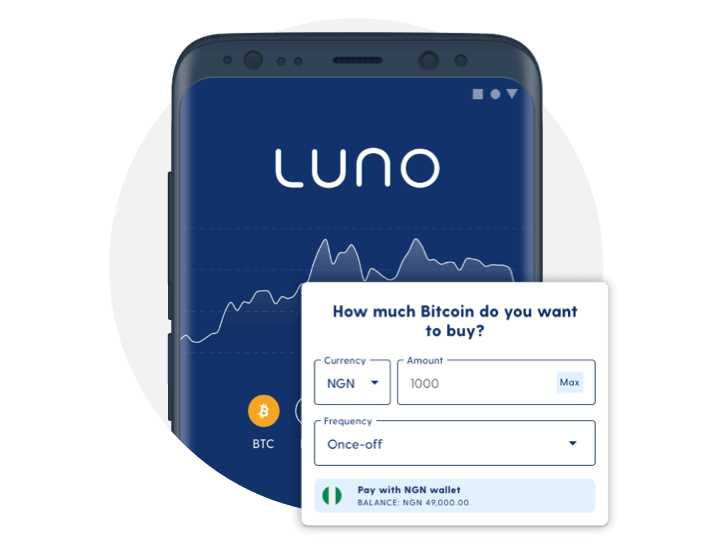
Looking to dive into the world of cryptocurrency? Luno offers a gateway to buying Bitcoin and other cryptocurrencies. This guide provides a detailed overview, covering everything from account creation to security best practices. We’ll explore the ins and outs of Luno’s platform, compare it to other exchanges, and delve into the fundamentals of Bitcoin and cryptocurrency investments.

From understanding different account types to navigating the complexities of various cryptocurrencies, we’ll equip you with the knowledge needed to make informed decisions. This comprehensive guide will walk you through the process of purchasing Bitcoin on Luno, highlighting essential security measures and providing a clear roadmap for success in this dynamic market.

Introduction to Luno and Bitcoin Trading

Luno, a prominent cryptocurrency exchange, has carved a niche for itself in the global digital asset landscape. Founded in 2013, it has played a significant role in making Bitcoin and other cryptocurrencies more accessible to users around the world. Its user-friendly platform and commitment to security have attracted a large user base, particularly in regions where traditional financial services might be less readily available.Luno’s platform offers a comprehensive suite of features tailored for both novice and experienced cryptocurrency traders.

From simple Bitcoin purchases to complex trading strategies, the platform accommodates various needs. Luno’s focus on security and regulatory compliance ensures a secure environment for users to engage in their financial transactions.

Luno’s History and Role in the Cryptocurrency Market

Luno’s history is intertwined with the evolution of the cryptocurrency market. Its early presence helped establish a foothold for digital assets in emerging markets. This early adoption and pioneering efforts have positioned Luno as a trusted and established player in the cryptocurrency space.

Features and Benefits of Using Luno

Luno’s platform provides a range of features designed to enhance the user experience and facilitate smooth trading operations. These features contribute to a positive and user-friendly environment. Security measures are paramount, employing industry-standard protocols to safeguard user funds.

  • User-Friendly Interface: Luno’s intuitive platform simplifies the process of buying, selling, and managing cryptocurrency holdings. This accessibility is a key benefit for both novice and experienced users.
  • Competitive Fees: Luno offers competitive trading fees, aiming to provide users with cost-effective transactions.
  • Multiple Payment Options: Luno supports a variety of payment methods, catering to users from different regions and financial backgrounds. This versatility enhances the user experience by offering choices.
  • 24/7 Customer Support: Round-the-clock customer support is available to address user queries and concerns promptly, thereby enhancing the overall user experience.

Account Types Offered by Luno

Luno provides various account types to accommodate diverse user needs and financial situations. Each account type offers a unique set of features and benefits.

  • Standard Account: This is the most basic account type, suitable for users who are just starting their cryptocurrency journey. It often includes essential features for beginners, such as limited trading volumes and fewer advanced options.
  • Premium Account: A premium account offers enhanced features and benefits, including higher trading limits, priority customer support, and potentially lower fees for high-volume traders. It’s tailored for users who actively trade larger amounts of cryptocurrency.

Comparison of Luno to Other Major Exchanges

This table Artikels a comparative analysis of Luno’s features relative to other prominent cryptocurrency exchanges. The table considers key factors such as fees, security, and offered features.

Platform Fees Security Features
Luno Competitive, tiered fee structure. Industry-standard security measures, including two-factor authentication. User-friendly interface, multiple payment methods, and 24/7 customer support.
Binance Variable fees based on trading volume. Robust security measures, including cold storage and multi-signature wallets. Extensive trading options, large market capitalization, and a vast selection of cryptocurrencies.
Coinbase Fixed or tiered fees. Strong security protocols, incorporating advanced security measures. User-friendly interface, simple deposit and withdrawal methods, and regulatory compliance.
Kraken Variable fees, tiered fee structure. High level of security, including multi-factor authentication and advanced security measures. Advanced trading options, high liquidity, and a wide range of supported cryptocurrencies.

Understanding Bitcoin and Cryptocurrency

Bitcoin and other cryptocurrencies have rapidly gained popularity, offering an alternative to traditional financial systems. This section delves into the fundamental concepts, risks, and diverse types of cryptocurrencies, providing a comprehensive overview for potential investors.Bitcoin, the pioneering cryptocurrency, operates on a decentralized network using blockchain technology. This technology records and verifies transactions across a distributed ledger, enhancing security and transparency.

Its value proposition lies in its potential for global transactions without intermediaries, reduced transaction fees, and the possibility of higher returns compared to traditional investments.

Fundamental Concepts of Bitcoin

Bitcoin’s core concept rests on the blockchain, a secure and transparent digital ledger. Transactions are verified and added to the blockchain in blocks, creating a permanent and immutable record. This decentralization removes the need for intermediaries, enabling peer-to-peer transactions. Bitcoin’s value is determined by market forces, supply and demand, and public perception. A key aspect is its limited supply, with a maximum of 21 million Bitcoins.

Bitcoin’s Underlying Technology

Bitcoin’s underlying technology, the blockchain, uses cryptography to secure transactions and prevent fraud. Transactions are grouped into blocks, which are then chained together to form a permanent record. Proof-of-work is a critical mechanism in Bitcoin’s security model, requiring computational power to validate transactions and add new blocks to the chain. This process ensures the integrity and security of the network.

Risks Associated with Cryptocurrency Investments

Investing in Bitcoin and other cryptocurrencies carries inherent risks. Volatility is a significant concern, with prices fluctuating dramatically over short periods. Regulatory uncertainty and market manipulation can also impact cryptocurrency values. Security risks, including hacking and scams, are also present. A lack of established regulatory frameworks in many jurisdictions also contributes to the inherent risks.

Different Types of Cryptocurrencies

Beyond Bitcoin, numerous other cryptocurrencies exist, each with its unique characteristics and use cases. These include altcoins, which often target specific niche applications or address perceived limitations of Bitcoin. Different types of cryptocurrencies leverage varying underlying technologies and consensus mechanisms. For example, some utilize proof-of-stake instead of proof-of-work, offering potentially lower energy consumption.

Cryptocurrency Use Cases

Cryptocurrency Use Case Advantages Disadvantages
Bitcoin (BTC) Global peer-to-peer transactions, remittances, and diversifying investment portfolios. Decentralized, transparent, and low transaction fees compared to traditional systems in some cases. High volatility, limited functionality beyond basic transactions.
Ethereum (ETH) Smart contract development, decentralized applications (dApps), and tokenized assets. Facilitates a broad range of applications, supports diverse use cases. Complexity in understanding the technology, relatively higher transaction costs compared to Bitcoin in some cases.
Tether (USDT) Stablecoin pegged to the US dollar, facilitating cryptocurrency trading and hedging. Provides price stability, enabling easier integration with traditional financial systems. Susceptibility to manipulation, potential for instability if the peg is broken.
Dogecoin (DOGE) Meme-based cryptocurrency, used for novelty and sometimes for microtransactions. High accessibility and potential for social media buzz. Limited functionality, extremely volatile, often associated with speculation rather than significant utility.

Buying Bitcoin on Luno

Getting started with Bitcoin on Luno is straightforward. This guide will walk you through the essential steps, from account creation to monitoring your holdings. Understanding the process empowers you to confidently navigate the platform and manage your Bitcoin investments effectively.The Luno platform offers a secure and user-friendly environment for buying and selling Bitcoin and other cryptocurrencies. It’s crucial to understand the steps involved in account creation and verification, as well as the different order types and payment methods available.

This ensures a smooth and safe trading experience.

Creating a Luno Account and Verification

Setting up a Luno account involves providing necessary personal information. Accurate and complete information is vital for verification. This process is designed to protect your account and comply with regulations.

  • Register: Visit the Luno website and click on the “Sign Up” button. Fill in the required fields with accurate personal details, including your email address and desired password. Review the platform’s terms and conditions and confirm your agreement.
  • Verification: Luno requires verification to ensure compliance with KYC (Know Your Customer) regulations. This step involves submitting documents to verify your identity, typically a valid government-issued photo ID and proof of address. These documents must be clearly visible and in good condition.
  • Account Activation: Once your verification is complete, your Luno account is activated. You can now access the platform and start exploring trading options.

Purchasing Bitcoin on Luno

Luno allows various payment methods for Bitcoin purchases. Transaction fees apply and vary based on the chosen payment method and the amount transacted. Familiarize yourself with the fees to optimize your transactions.

  • Payment Methods: Luno supports a range of payment methods for buying Bitcoin, including bank transfers, credit/debit cards, and others. Each method might have different transaction limits and associated fees.
  • Transaction Fees: Luno charges transaction fees on Bitcoin purchases. These fees can be displayed and reviewed before confirming a transaction. The exact amount may depend on several factors, such as the chosen payment method and the volume of the transaction.
  • Order Types: Different order types allow you to specify how you want to buy Bitcoin. Market orders execute immediately at the current market price. Limit orders let you set a desired price, and if the price reaches it, the order is filled.

Order Types for Bitcoin Purchases

Understanding the different order types available is key to managing your Bitcoin purchases. Each type has its own implications for price and execution.

  • Market Orders: Market orders execute immediately at the prevailing market price. This is the fastest way to buy Bitcoin, but you might not get the best possible price.
  • Limit Orders: Limit orders allow you to set a desired price for your Bitcoin purchase. If the price reaches your limit, the order is filled. This can ensure you buy at a specific price but might not result in an immediate purchase.

Monitoring Bitcoin Holdings and Transactions

Tracking your Bitcoin holdings and transactions on Luno provides a clear picture of your investments. Luno’s platform allows you to monitor your portfolio, view transaction history, and manage your assets effectively.

  • Transaction History: The Luno platform offers detailed transaction history. This enables you to review past transactions, including the date, time, quantity, price, and payment method used.
  • Portfolio Overview: Luno’s platform displays a comprehensive overview of your Bitcoin holdings. This view includes your current balance, value, and transaction history.

Step-by-Step Guide to Buying Bitcoin on Luno

This structured guide simplifies the Bitcoin purchase process on Luno.

  1. Create a Luno account and verify your identity. Complete the required steps to ensure your account is verified.
  2. Fund your Luno account with your chosen payment method. Deposit the necessary funds.
  3. Locate the Bitcoin trading section on the Luno platform. Navigate to the appropriate section for Bitcoin transactions.
  4. Select the desired order type (e.g., market or limit order). Choose the type of order that suits your investment strategy.
  5. Specify the quantity of Bitcoin you wish to purchase. Enter the amount of Bitcoin you want to buy.
  6. Review the transaction details, including the price, fees, and total cost. Carefully examine all details before confirming the transaction.
  7. Confirm the transaction. Once you’re satisfied with the details, confirm the purchase.
  8. Monitor your Bitcoin holdings and transactions on the Luno platform. Review your portfolio and transaction history to keep track of your investment.

Security and Safety on Luno

Luno prioritizes the security of its users’ funds and accounts. Robust security measures are in place to protect against various threats, including cyberattacks and fraudulent activities. This section details Luno’s security protocols and offers advice on how to maintain a secure Luno account.

Luno’s Security Measures

Luno employs a multi-layered approach to security, incorporating advanced technologies and procedures to safeguard user assets. These measures are constantly reviewed and updated to adapt to evolving threats in the cryptocurrency landscape.

Measure Description Benefits Drawbacks
Two-Factor Authentication (2FA) Requires a second verification method (e.g., a code sent to your phone) beyond your password to access your account. Significantly increases account security by adding an extra layer of protection against unauthorized access. Requires a functioning phone and may present a slight inconvenience for users who are not comfortable with 2FA.
Secure Hardware Wallets Luno employs secure hardware wallets to store private keys offline, making them resistant to online hacking attempts. Provides an extremely secure method for safeguarding sensitive cryptographic keys. May require additional technical knowledge for users to utilize the hardware wallets.
Regular Security Audits Luno undergoes rigorous security audits from independent third-party firms. Ensures adherence to best security practices and identification of potential vulnerabilities. Audits may be expensive and require time, although this is crucial for long-term security.
Advanced Encryption Uses strong encryption protocols to protect data transmitted between users and Luno’s servers. Protects user data from unauthorized interception during transmission. Requires constant updates and maintenance to stay current with evolving encryption threats.

Protecting Your Luno Account and Crypto

Maintaining a secure Luno account is crucial for safeguarding your cryptocurrency holdings. Following best practices can significantly reduce the risk of compromise.

  • Strong Passwords: Create strong, unique passwords for your Luno account and other online accounts. Avoid using easily guessed passwords.
  • Regular Account Monitoring: Regularly review your account activity and transactions to detect any suspicious activity promptly.
  • Avoid Phishing Scams: Be wary of unsolicited emails or messages asking for your login credentials or private keys. Legitimate companies will never ask for this information via email or SMS.
  • Safe Storage of Private Keys: Never share your private keys with anyone. Storing them securely, preferably offline, is essential to prevent theft.

Importance of Safe Private Keys

Your private keys are the keys to accessing your cryptocurrency holdings. Losing or compromising these keys can result in the permanent loss of your assets. Safeguarding your private keys is paramount.

Cryptocurrency Scams and Fraud

Be cautious of fraudulent activities and scams targeting cryptocurrency traders. Common tactics include phishing emails, fake investment schemes, and pump-and-dump schemes.

“Verify the legitimacy of any investment opportunity before committing your funds. Do thorough research and consult with financial professionals if needed.”

Buying Bitcoin (General)

Luno buy bitcoin and crypto

Purchasing Bitcoin, like any other investment, involves careful consideration of available methods and potential risks. Understanding the diverse options and the inherent volatility of the market is crucial for making informed decisions. This section explores various avenues for acquiring Bitcoin, factors influencing platform selection, and the general process, emphasizing the importance of responsible investment practices.

Comparison of Bitcoin Acquisition Methods

Different methods exist for acquiring Bitcoin, each with its own set of characteristics. Exchanges, often favoured for their accessibility and liquidity, provide a platform for buying and selling Bitcoin using fiat currency (like USD or EUR). Over-the-counter (OTC) markets, on the other hand, facilitate transactions between individuals or institutions, offering greater flexibility but potentially higher risks due to a lack of regulatory oversight.

The choice between these methods depends on individual needs and risk tolerance.

Factors to Consider When Choosing a Platform

Several key factors should be considered when selecting a platform for buying Bitcoin. Security measures, including encryption protocols and cold storage solutions, are paramount. Fees charged for transactions, including trading fees and withdrawal fees, should be assessed to ensure they are reasonable and transparent. Platform usability and customer support are also crucial aspects for a seamless experience.

The platform’s regulatory compliance and licensing status are critical indicators of its trustworthiness and adherence to industry standards.

General Bitcoin Purchase Process Overview

The general process for buying Bitcoin, regardless of the platform, typically involves these steps:

  • Account Creation: A user account needs to be established on the chosen platform, which may involve providing personal information and verifying identity to comply with regulations.
  • Funding the Account: Funds need to be deposited into the account, often through bank transfers or other secure methods. Ensure the platform is compliant with local regulations regarding funding sources.
  • Placing an Order: A buy order for Bitcoin is placed at the desired price and quantity. This might involve using limit orders or market orders.
  • Verification and Confirmation: The platform will verify the order and, if successful, confirm the transaction. Confirmation times may vary based on the platform and transaction volume.
  • Bitcoin Delivery: Upon successful completion of the transaction, the purchased Bitcoin will be credited to the user’s wallet, and the funds will be debited from the account.

Market Volatility and Potential Losses

Bitcoin prices are susceptible to significant fluctuations, influenced by various market forces. This volatility can lead to substantial gains or losses. Understanding the market dynamics, including news events, regulatory changes, and technological advancements, is crucial for assessing potential risks. Thorough research and diversification of investment strategies are recommended. Historical data and expert analysis can provide insights into market trends, but predictions are inherently uncertain.

Flowchart of Bitcoin Purchase

This flowchart illustrates the general steps for purchasing Bitcoin.“`[Start] –> [Choose Platform] –> [Account Creation] –> [Funding Account] –> [Place Order] –> [Verification & Confirmation] –> [Bitcoin Delivery] –> [End]“`

Additional Services and Features on Luno

Luno offers a suite of services beyond Bitcoin trading, catering to a broader range of cryptocurrency investments. Understanding these additional features is crucial for making informed decisions about your crypto portfolio. This section explores Luno’s ecosystem, from trading other cryptocurrencies to transferring assets and utilizing fiat currency.

Trading Other Cryptocurrencies

Luno’s platform facilitates trading in various cryptocurrencies, allowing users to diversify their portfolios. This broader selection expands investment options beyond Bitcoin, enabling exposure to different market trends and potential returns. Users can explore and compare various crypto assets to make informed decisions about their investments.

Unique Features of Luno’s Platform

Luno distinguishes itself through several platform-specific features. These features aim to enhance the user experience and offer added security and convenience. One notable feature is the user-friendly interface, designed to make navigating the platform intuitive and accessible. Another key aspect is the robust security measures implemented to protect user funds and data.

Transferring Bitcoin Between Luno and Other Wallets

Luno provides secure methods for transferring Bitcoin to and from other digital wallets. The process typically involves generating a Bitcoin address and entering the destination address for the transfer. Luno’s platform guides users through this process with clear instructions and prompts. This flexibility enables users to move their Bitcoin holdings between different platforms or personal wallets as needed.

The Role of Fiat Currency in Bitcoin Transactions

Fiat currency, such as USD or EUR, plays a critical role in Bitcoin transactions on Luno. Users often need to deposit fiat currency into their Luno account to purchase Bitcoin or other cryptocurrencies. This enables the conversion of fiat into cryptocurrency and vice-versa. The integration of fiat currency allows for seamless access to the cryptocurrency market.

Comparing Luno Features

Feature Description Advantages Disadvantages
Trading Other Cryptocurrencies Allows users to trade a variety of cryptocurrencies beyond Bitcoin. Expanded investment opportunities, diversification potential. Potential for increased complexity, managing diverse market trends.
User-Friendly Interface Intuitive platform design for easy navigation. Simplified trading experience, accessibility for new users. May not cater to advanced users requiring extensive customization options.
Robust Security Measures High-level security protocols to protect user funds. Enhanced safety and security, user trust. Potential for slightly more complex setup compared to less secure platforms.
Fiat Currency Integration Allows seamless conversion between fiat and cryptocurrency. Convenience of using familiar currency, wider accessibility. Potential for fluctuations in exchange rates impacting profit/loss.

Luno and Bitcoin: Market Trends

Bitcoin and cryptocurrency markets are dynamic environments, subject to constant fluctuations. Understanding these trends is crucial for informed investment decisions. Recent market activity has been influenced by a complex interplay of factors, including regulatory shifts, technological advancements, and global economic conditions. Luno, as a prominent cryptocurrency exchange, is directly affected by these market forces.

Recent Market Trends Affecting Bitcoin and Cryptocurrency Prices

Recent trends in the Bitcoin and cryptocurrency markets showcase a complex interplay of factors. Volatility remains a defining characteristic, with prices exhibiting significant fluctuations. These price swings are often driven by news events, regulatory announcements, and shifts in investor sentiment. For example, the recent increase in interest rates by central banks globally has often impacted the price of Bitcoin, as investors look for alternative investment opportunities.

Factors Influencing Bitcoin Price Fluctuations

Numerous factors contribute to the fluctuating nature of Bitcoin’s price. Market sentiment plays a significant role, with investor confidence and fear impacting supply and demand. News events, both positive and negative, can trigger sudden price movements. Technological advancements, such as the development of new blockchain applications, can either boost or depress investor interest. Government regulations and policies, especially those concerning cryptocurrency, are major determinants of the market’s direction.

Impact of Regulatory Changes on Luno and the Bitcoin Market

Regulatory changes worldwide have a direct impact on cryptocurrency exchanges like Luno and the Bitcoin market as a whole. Stricter regulations can increase compliance costs for exchanges, potentially affecting their operations. Conversely, favorable regulations can stimulate market growth and attract more investors. Luno, as a regulated exchange, must adapt to regulatory environments, maintaining compliance and fostering trust. Examples of how different regulatory frameworks in various countries have impacted the Bitcoin market can be seen in the different regulations around taxation and KYC/AML policies.

Future Prospects for Luno and Bitcoin

Predicting the future of Bitcoin and Luno involves assessing multiple potential scenarios. Continued technological advancements, such as advancements in blockchain technology and the development of decentralized finance (DeFi) applications, could significantly impact Bitcoin’s future. The evolution of regulatory frameworks across different jurisdictions will also play a critical role. The adoption of Bitcoin and cryptocurrencies by mainstream financial institutions could further propel their development.

While these advancements are potential factors, no one can definitively predict the exact path of the market.

Bitcoin Price Trends Over the Past Year (Illustrative Example)

Date Bitcoin Price (USD)
January 1, 2023 $23,000
April 1, 2023 $30,000
July 1, 2023 $28,000
October 1, 2023 $25,000
December 31, 2023 $27,500

This table presents a hypothetical illustration of Bitcoin’s price fluctuations over the past year. Actual price data should be consulted from reputable sources for precise information. A visual representation, like a line graph, would further clarify the trend.

Final Thoughts

In conclusion, buying Bitcoin and other cryptocurrencies on Luno involves understanding the platform’s features, security measures, and market trends. This guide provided a comprehensive overview, enabling you to navigate the process with confidence. By understanding the potential risks and rewards, you can make informed decisions and potentially profit from this innovative financial landscape. Remember to prioritize security and conduct thorough research before investing.

FAQs

What are the different account types offered by Luno?

Luno offers various account types catering to different needs. Basic accounts are suitable for beginners, while premium accounts may offer more features and potentially lower fees. Each account type comes with varying benefits and limitations.

What are the risks associated with cryptocurrency investments?

Cryptocurrency investments come with inherent risks. Market volatility, security concerns, and regulatory uncertainty are key factors to consider before entering this market. Thorough research and diversification are crucial.

How do I keep my Luno account and cryptocurrency holdings secure?

Following Luno’s security guidelines and best practices is crucial. Safeguarding your private keys and being aware of scams are vital steps in protecting your investments. Consider using strong passwords and enabling two-factor authentication.

What are the different payment methods for purchasing Bitcoin on Luno?

Luno supports various payment methods for buying Bitcoin. These may include bank transfers, credit/debit cards, and other digital payment options. Check Luno’s website for the most up-to-date list of supported methods.


Beginning with bitcoin mining algorithm, the narrative unfolds in a compelling and distinctive manner, drawing readers into a story that promises to be both engaging and uniquely memorable.

The process of bitcoin mining revolves around specialized algorithms that not only validate transactions but also secure the entire Bitcoin network. With the SHA-256 algorithm at its core, mining serves as a critical mechanism ensuring the integrity and security of blockchain technology, making it essential for both users and miners alike.

Overview of Bitcoin Mining Algorithms

Bitcoin mining algorithms are at the core of the Bitcoin network, serving as the mechanisms that validate transactions and secure the blockchain. These algorithms are responsible for solving complex mathematical problems, known as cryptographic puzzles, which require substantial computational power. The significance of these algorithms cannot be overstated, as they ensure the integrity and security of the Bitcoin ecosystem while facilitating the mining process that rewards participants with new bitcoins.Mining algorithms contribute to blockchain security by creating a decentralized network of miners who compete to solve these puzzles.

As a result, the likelihood of a single entity gaining control over the blockchain diminishes, thereby enhancing its security. A strong mining algorithm protects the network against attacks and ensures that transactions are processed fairly and transparently.

Types of Bitcoin Mining Algorithms

The primary algorithm used in Bitcoin mining is the SHA-256 algorithm, which stands for Secure Hash Algorithm 256-bit. This algorithm is favored for its balance of security and efficiency, making it suitable for the demands of Bitcoin mining. Miners use SHA-256 to generate a hash that must meet specific criteria, thus facilitating the addition of new blocks to the blockchain.In contrast to SHA-256, other cryptocurrencies often utilize different algorithms.

For example, Ethereum employs Ethash, while Litecoin uses Scrypt. Comparing these algorithms highlights several differences:

  • SHA-256: Focused on security, but requires significant computational resources.
  • Ethash: Designed to be memory-hard, making it resistant to ASIC mining, which encourages decentralization.
  • Scrypt: Memory-intensive, allowing for the participation of consumer-grade hardware but can be less secure than SHA-256.

Each algorithm has its advantages and disadvantages, affecting mining efficiency, hardware requirements, and overall security.

How Mining Algorithms Work

The process of mining involves several steps that miners undertake to validate transactions. Initially, miners collect unconfirmed transactions from the Bitcoin network and compile them into a candidate block. The mining algorithm, SHA-256 in Bitcoin’s case, is then applied to this block, creating a hash. Miners continuously modify a value called a nonce within the block header to produce different hashes until one matches the target set by the network’s difficulty level.

This process is computationally intensive and requires considerable energy. Once a valid hash is found, the miner broadcasts the resulting block to the network, and if approved, it becomes part of the blockchain.

Interactions between miners and the blockchain occur through mining algorithms, which dictate how quickly miners can solve puzzles and add blocks. The competitive nature of mining incentivizes miners to invest in more powerful hardware, leading to rapid advancements in technology.

The Role of Mining Difficulty

Mining difficulty directly affects the performance of algorithms by determining how challenging it is to find a valid hash. The Bitcoin network adjusts this difficulty approximately every two weeks, ensuring that blocks are added to the blockchain roughly every ten minutes. This adjustment process is vital to maintaining the network’s stability and efficiency.As mining difficulty increases, it can impact miners’ profitability, as more time and resources are required to mine new blocks.

Miners must constantly evaluate whether their operational costs align with potential rewards, leading to strategic decisions regarding equipment upgrades or participation in mining pools.

Environmental Impact of Mining Algorithms

Bitcoin mining algorithms are notorious for their high energy consumption. The SHA-256 algorithm’s requirement for computational power translates to significant energy use, which raises concerns about the carbon footprint associated with mining activities. Comparatively, the energy consumption of Bitcoin mining can rival that of entire countries, leading to ongoing discussions about its sustainability.Efforts to reduce the environmental impacts of Bitcoin mining are gaining traction.

Strategies include transitioning to renewable energy sources, improving mining efficiency through better hardware, and implementing carbon offset initiatives. These strategies aim to minimize the ecological footprint while still allowing the benefits of Bitcoin mining to be realized.

Future of Bitcoin Mining Algorithms

The future of Bitcoin mining algorithms holds potential advancements that could reshape the landscape of cryptocurrency mining. Innovations in hardware and software could enhance the efficiency of mining operations, while new algorithms may emerge that could offer improved security and sustainability.Quantum computing poses a significant challenge to existing mining algorithms, including SHA-256. As this technology advances, the Bitcoin network may need to adapt its algorithms to remain secure against potential attacks.

Furthermore, trends such as the increasing popularity of proof-of-stake models could influence Bitcoin’s mining practices, leading to discussions about transitioning away from energy-intensive processes.

Conclusive Thoughts

In conclusion, understanding the intricacies of the bitcoin mining algorithm reveals its pivotal role in the cryptocurrency landscape. As technology evolves and new challenges arise, the future of mining algorithms promises to adapt, ensuring that Bitcoin remains a secure and viable option for digital transactions.

FAQ

What is the purpose of bitcoin mining algorithms?

The primary purpose of bitcoin mining algorithms is to validate transactions and secure the Bitcoin network by solving complex cryptographic puzzles.

How does mining difficulty impact miners?

Mining difficulty adjusts the complexity of puzzles that miners must solve, influencing their profitability and the overall security of the network.

Are there alternative mining algorithms?

Yes, other cryptocurrencies use different algorithms like Ethash for Ethereum, but SHA-256 remains unique to Bitcoin.

What are the environmental concerns of bitcoin mining?

Bitcoin mining consumes significant energy, raising concerns about its carbon footprint and environmental sustainability.

What’s the future outlook for bitcoin mining algorithms?

The future may see advancements like quantum computing, which could impact current mining techniques and strategies.

Investing in Bitcoin is gaining traction, and many are curious about the options available. This exploration dives into whether Merrill Lynch offers Bitcoin buying services. We’ll examine the process, potential benefits and drawbacks, and alternative investment strategies.

Navigating the world of cryptocurrency can be daunting. This guide simplifies the process of understanding Bitcoin trading at Merrill Lynch, offering a comprehensive overview for investors.

Introduction to Bitcoin Trading at Merrill Lynch

Bitcoin, a decentralized digital currency, has gained significant traction in the financial market. Its value is volatile, influenced by factors like market sentiment, regulatory developments, and technological advancements. Understanding its mechanics and the associated risks is crucial for any investor considering participation.Buying and selling Bitcoin, like any other asset, involves a transaction process. Generally, this entails converting traditional currency (e.g., USD) into Bitcoin, or vice versa, through a platform or exchange.

Security measures and transaction confirmation procedures are critical for safeguarding investments. The specific methods for buying and selling Bitcoin can vary based on the chosen platform.

Direct Bitcoin Purchases vs. Brokerage Platforms

Buying Bitcoin directly involves interacting with cryptocurrency exchanges. These platforms facilitate transactions between buyers and sellers, allowing for direct access to the Bitcoin market. This method often necessitates acquiring and managing cryptocurrency wallets. Brokerage platforms, on the other hand, offer a more streamlined approach, allowing investors to trade Bitcoin through their existing accounts. This often simplifies the process and may reduce the complexity of managing wallets.

Brokerage platforms, such as Merrill Lynch, act as intermediaries, providing a level of security and familiarity for investors accustomed to traditional financial markets.

Merrill Lynch’s Approach to Cryptocurrency Trading

Merrill Lynch’s approach to cryptocurrency trading reflects its commitment to providing access to diverse investment opportunities. They are likely to offer Bitcoin-related products and services through their platform, potentially incorporating safeguards and security measures. The specific offerings will vary and likely adapt to market trends and regulatory changes.

Available Bitcoin Products at Merrill Lynch

Currently, information about specific Bitcoin products offered by Merrill Lynch is limited. However, if they offer Bitcoin trading, it is likely to include the ability to buy and sell Bitcoin.

Product Type Description
Bitcoin (BTC) Direct purchase and sale of Bitcoin.

Merrill Lynch Bitcoin Buying Process

Buying Bitcoin through Merrill Lynch involves a structured process, mirroring their established brokerage procedures. This process prioritizes security and compliance with regulations, ensuring a smooth experience for their clients. Understanding these steps is crucial for navigating the transaction effectively.The Merrill Lynch platform for Bitcoin trading, while generally user-friendly, requires a degree of familiarity with the brokerage environment. This guide Artikels the key steps involved in opening an account, verifying identity, placing orders, and understanding different order types.

Account Opening and Verification

The process begins with account opening. This typically involves completing an application form online, providing necessary personal information, and agreeing to the terms and conditions. Following the application, a crucial step is verifying your identity. Merrill Lynch will request documentation to confirm your identity and address, adhering to stringent regulatory requirements. This typically includes government-issued photo identification and proof of address.

Thorough verification is essential to maintain account security and comply with anti-money laundering regulations.

Placing a Bitcoin Order

Once your account is verified and funded, you can proceed to place an order for Bitcoin. The order placement process is straightforward and utilizes the platform’s intuitive interface. You specify the desired quantity of Bitcoin and the price you’re willing to pay (or receive).

Order Types for Bitcoin Trading

Different order types offer varying degrees of control and potential outcomes. Understanding these types is crucial for effective trading.

  • Market Order: This type of order executes immediately at the best available price. It ensures the order is filled promptly but may not always yield the most favorable price.
  • Limit Order: A limit order executes only at a specific price or better. This allows you to buy or sell at a desired price point, but there’s no guarantee the order will be filled.
  • Stop-Loss Order: A stop-loss order automatically sells your Bitcoin when the price drops to a predetermined level. This helps limit potential losses.
  • Stop-Limit Order: A stop-limit order combines elements of stop-loss and limit orders. It triggers when the price reaches a specified stop price, and then only executes if the price reaches or surpasses a specified limit price.

Factors Affecting Bitcoin Price at Merrill Lynch

Bitcoin’s price at Merrill Lynch, like any other asset, is influenced by a complex interplay of market forces. Understanding these factors is crucial for investors considering Bitcoin as part of their portfolio. These factors are dynamic and can shift rapidly, impacting both potential profits and risks.

Market Factors Influencing Bitcoin Price

Market forces significantly affect Bitcoin’s price. Supply and demand dynamics, investor sentiment, and overall market conditions all play a role. Positive news or increased institutional interest can drive demand, leading to price increases. Conversely, negative sentiment or market corrections can depress demand and lower prices.

  • Supply and Demand: Bitcoin’s finite supply, combined with fluctuating demand from investors, significantly impacts its price. High demand relative to supply tends to drive up the price, while low demand results in price drops. This is a fundamental economic principle that applies to Bitcoin trading, as it does to all assets.
  • Investor Sentiment: The collective outlook of investors on Bitcoin’s future influences its price. Positive sentiment, fueled by optimism about technological advancements or growing adoption, generally leads to price increases. Conversely, negative sentiment, triggered by concerns about regulation or security, can lead to declines.
  • Overall Market Conditions: The performance of other asset classes, such as stocks and bonds, can influence Bitcoin’s price. During periods of market volatility or uncertainty, investors may seek refuge in Bitcoin, potentially driving up its value. Conversely, a robust performance in other markets might reduce investor interest in Bitcoin, leading to price decreases.

Impact of News Events and Regulatory Changes

News events and regulatory changes are pivotal factors impacting Bitcoin’s price at Merrill Lynch. Significant events, like regulatory announcements or breakthroughs in blockchain technology, can trigger significant price fluctuations.

  • Regulatory Changes: Government regulations regarding cryptocurrencies can significantly impact Bitcoin’s price. Favorable regulations, such as those that streamline the process for institutional investors, may lead to increased demand and price appreciation. Conversely, stringent regulations or restrictions on Bitcoin trading can cause uncertainty and price drops.
  • News Events: News events related to Bitcoin, including security breaches, controversies, and technological developments, can influence investor sentiment. Positive news, such as a successful adoption by a major corporation, may boost investor confidence and drive up the price. Negative news, like a high-profile hacking incident, can cause significant price drops due to investor apprehension.

Bitcoin Trading Compared to Other Asset Classes

Comparing Bitcoin trading to other asset classes reveals crucial differences in terms of volatility, risk, and potential return.

  • Volatility: Bitcoin exhibits significantly higher price volatility compared to traditional assets like stocks or bonds. This volatility presents both higher potential rewards and increased risk for investors.
  • Liquidity: Bitcoin markets can experience periods of high and low liquidity. This liquidity can affect trading activity and pricing. Liquidity varies across exchanges and can be a factor for investors considering trading at Merrill Lynch.
  • Market Structure: The structure of Bitcoin markets differs from traditional financial markets. Bitcoin’s decentralized nature, while offering certain advantages, may also present unique challenges to investors in terms of regulatory oversight and market transparency.

Potential Risks and Rewards of Buying Bitcoin Through Merrill Lynch

Investing in Bitcoin through Merrill Lynch, like any investment, involves both potential risks and rewards.

  • Potential Rewards: Bitcoin has the potential for significant returns, especially during periods of market growth or adoption. The potential for high returns is a key attraction for many investors, however, it is crucial to remember the associated risks.
  • Potential Risks: The volatility of Bitcoin’s price exposes investors to significant risks. Sharp price drops can lead to substantial losses. Regulatory uncertainties and security concerns also pose risks to investors.

Volatility of Bitcoin Prices and its Implications

Bitcoin’s price volatility is a defining characteristic of the cryptocurrency. Investors should be aware of the potential for substantial price fluctuations.

  • Impact on Investment Strategies: The volatility of Bitcoin prices necessitates careful consideration of investment strategies. Strategies that are effective in other asset classes may not be suitable for Bitcoin, given its high price fluctuations.
  • Risk Management: Managing risk is crucial for investors considering Bitcoin. Strategies such as diversification and setting stop-loss orders can help mitigate the impact of price fluctuations.

Alternatives to Buying Bitcoin at Merrill Lynch

Coke Can Stock Photos, Images and Backgrounds for Free Download

Beyond Merrill Lynch, various avenues exist for Bitcoin investment. Understanding these alternatives allows investors to explore a wider range of options, each with its own characteristics and potential benefits. Choosing the right platform hinges on factors like individual risk tolerance, investment goals, and comfort level with the investment process.Alternative platforms offer diverse approaches to acquiring Bitcoin, often with varying fees, security protocols, and user interfaces.

These platforms may include cryptocurrency exchanges, brokerage firms specializing in digital assets, and even peer-to-peer marketplaces.

Other Bitcoin Investment Platforms

Different platforms cater to diverse needs and risk tolerances. Direct cryptocurrency exchanges often provide more control over transactions, while brokerage platforms typically offer a more user-friendly interface, though sometimes with limitations. Peer-to-peer trading provides direct interaction between buyers and sellers, but carries unique risk considerations.

Buying Bitcoin Through Other Brokers or Exchanges

The process of purchasing Bitcoin through a broker or exchange is generally straightforward. A user typically creates an account, funds it, and then places an order to buy Bitcoin. The specific steps vary between platforms. Many platforms offer intuitive interfaces, simplifying the process for most users.

Fees and Commission Structures

Fees and commissions play a crucial role in the cost of acquiring Bitcoin. Exchanges often charge transaction fees, while brokerage platforms might impose commissions or markups. These fees can vary significantly between different platforms. For example, some exchanges may have a flat transaction fee, while others might use a tiered structure, potentially increasing the fee as the volume of transactions rises.

Analyzing fee structures is essential for comparing options.

Security Considerations

Security is paramount when dealing with digital assets like Bitcoin. Users should prioritize platforms with robust security measures, such as two-factor authentication, strong encryption, and secure storage solutions. Platforms employing cold storage for a portion of their assets can enhance security. Choosing platforms with a demonstrated history of security incidents and regulatory compliance is essential. Researching the security measures of various platforms is crucial.

Comparison of Bitcoin Investment Options

Feature Direct Cryptocurrency Exchange Brokerage Firm Peer-to-Peer Marketplace
Ease of Use Moderate to High (Depending on the platform) High Low to Moderate (Requires user familiarity with the platform and potential counterparty risk)
Fees Variable (often lower than brokerages for larger trades) Variable (often higher than exchanges, sometimes with markups) Variable (often high for small transactions, potential hidden fees)
Security Generally high (if the platform is reputable) Moderate to High (relies on the platform’s security measures) Low (potential for fraud, scams, and risks associated with peer-to-peer interactions)
Liquidity High (most platforms have high liquidity) Moderate (often limited by the platform’s assets) Low (transactions depend on available counterparties)

This table provides a general overview and doesn’t represent a complete comparison. The specific features and characteristics can vary significantly across different platforms. Thorough research on individual platforms is always recommended.

General Information about Buying Bitcoin

Bitcoin, a decentralized digital currency, has gained significant traction as a global investment asset. Understanding its market dynamics, transaction types, storage methods, mining process, and different wallet options is crucial for anyone considering investing in Bitcoin. This section provides a comprehensive overview of these key aspects.

Bitcoin Market Overview

Bitcoin’s market is characterized by volatility and significant price fluctuations. These fluctuations are influenced by various factors, including investor sentiment, regulatory changes, and technological advancements. Historical data reveals periods of substantial growth interspersed with periods of decline, making it a high-risk, high-reward investment.

Types of Bitcoin Transactions

Bitcoin transactions are fundamentally peer-to-peer transfers of value. They are recorded on a public ledger called the blockchain. Common transaction types include sending Bitcoin to another address, exchanging Bitcoin for fiat currency (like USD), or purchasing goods and services. Each transaction includes crucial details such as sender and recipient addresses, transaction amount, and timestamp.

Secure Bitcoin Storage Methods

Secure storage of Bitcoin is paramount. Loss or compromise of private keys can lead to irreversible loss of funds. Users employ various methods, including hardware wallets, software wallets, and online exchanges. Each method presents different levels of security and accessibility. Cold storage, often utilizing hardware wallets, is generally considered the most secure option as it isolates private keys from online connections.

Bitcoin Mining

Bitcoin mining is a computational process that verifies and adds new transactions to the blockchain. Miners are rewarded with newly generated Bitcoin for their efforts. This process is crucial for maintaining the integrity and security of the Bitcoin network. The computational power required to mine Bitcoin has increased significantly, leading to more sophisticated mining equipment and strategies.

Bitcoin Wallets

Different types of Bitcoin wallets cater to varying needs and security requirements. Understanding the distinctions between these options is vital.

Wallet Type Description Security Accessibility
Software Wallets Software applications installed on personal computers or mobile devices. Moderate; security depends on user practices and software vulnerabilities. High; accessible from any computer with the software.
Hardware Wallets Physical devices specifically designed for storing Bitcoin private keys offline. High; isolates private keys from online threats. Moderate; requires physical access to the device.
Online Wallets (Exchange Wallets) Wallets hosted by cryptocurrency exchanges. Variable; security depends on the exchange’s security measures. High; accessible via the exchange’s platform.

Specific Considerations for Buying Bitcoin

Navigating the cryptocurrency market, especially for a new investor, requires careful consideration of various factors beyond simply identifying a potential purchase. Understanding different order types, the importance of portfolio diversification, and managing risk tolerance are crucial for successful Bitcoin investment. This section provides insights into these critical aspects.

Market Orders and Limit Orders

Understanding the nuances of order types is fundamental to managing your Bitcoin investments. Different order types impact the price you pay and the potential for profit or loss.

  • Market orders execute immediately at the prevailing market price. This ensures swift execution, but you may not get the price you ideally desire. For example, a sudden surge in market demand can cause the price to rise before your market order is filled, leaving you with a potentially higher purchase price than anticipated.
  • Limit orders allow you to specify a desired price. Your order will only be executed if the market price reaches or surpasses your limit. This provides more control over the purchase price, but your order might not be filled if the market price remains below your limit. For instance, if you set a limit order to buy Bitcoin at $25,000 and the price stays below that level, your order will not be filled.

Diversification

Diversification is a key component of risk management. It involves spreading investments across different asset classes, reducing the impact of any single investment’s performance fluctuations on the overall portfolio.

  • A portfolio solely invested in Bitcoin is highly concentrated. If the Bitcoin market experiences a downturn, the entire portfolio could suffer significant losses. A diversified portfolio including other assets such as stocks, bonds, or real estate can help mitigate this risk.
  • Diversification strategies can involve different cryptocurrencies, or a combination of crypto and traditional assets. A balanced approach can help mitigate the volatility inherent in individual asset classes. For example, diversifying a portfolio with 50% in Bitcoin, 25% in stocks, and 25% in bonds, can provide more stability in times of market volatility.

Risk Tolerance

Risk tolerance is an individual’s comfort level with potential losses. Investors with high risk tolerance can tolerate larger fluctuations in investment value, potentially seeking higher returns.

  • High risk tolerance investors may be more inclined to invest a significant portion of their portfolio in volatile assets like Bitcoin. However, this carries a higher chance of significant losses.
  • Low risk tolerance investors prioritize preserving capital. They may choose a more conservative investment strategy, potentially limiting their exposure to Bitcoin or other high-risk assets. A low-risk tolerance approach might include investing a small percentage of their portfolio in Bitcoin, coupled with a significant portion in stable assets.

Managing Bitcoin Investments

Effective management of Bitcoin investments involves consistent monitoring and adjustments.

  • Set clear investment goals and a budget. Establish a realistic timeframe for investment and identify specific financial objectives. This helps to ensure that Bitcoin investments align with overall financial plans.
  • Regularly review investment performance and adjust strategies as needed. Monitor market trends and make informed decisions about holding, selling, or adding to your Bitcoin position. For example, if a cryptocurrency’s value starts to decline, consider whether to adjust your investment strategy or consider alternative assets.

Potential Benefits and Drawbacks of Buying Bitcoin

Investing in Bitcoin, like any other investment, presents a complex interplay of potential rewards and risks. Understanding these facets is crucial for making informed decisions. While Bitcoin’s volatility and inherent complexities can deter some, its potential for substantial returns, and its role in a changing financial landscape, makes it a subject of considerable interest.A key consideration in evaluating Bitcoin is its unique position within the broader investment market.

Its decentralized nature, coupled with its limited supply, sets it apart from traditional assets. This distinctiveness, however, also introduces challenges that investors must be prepared to navigate.

Potential Benefits of Buying Bitcoin

Bitcoin’s decentralized nature and limited supply have fueled its popularity among investors seeking alternative investment opportunities. Its potential for high returns, while also carrying significant risk, has attracted considerable attention.

  • Potential for High Returns: Bitcoin’s price has exhibited significant fluctuations throughout its history, leading to substantial gains for some investors. However, the past performance of an investment is not necessarily indicative of future results.
  • Decentralization and Transparency: Bitcoin transactions occur on a public ledger, fostering transparency and eliminating the need for intermediaries. This characteristic can be attractive to some investors seeking alternative financial systems.
  • Potential Inflation Hedge: Some proponents believe Bitcoin’s limited supply could offer a hedge against inflation. However, this remains a subject of debate and is not a guaranteed outcome.

Potential Drawbacks and Risks Associated with Bitcoin Investments

Bitcoin’s volatility and lack of regulation pose significant risks for investors. Thorough understanding of these risks is crucial before committing capital.

  • Volatility and Price Fluctuations: Bitcoin’s price is notoriously volatile, making it a highly speculative investment. Rapid and substantial price swings can lead to significant losses, as illustrated by instances of dramatic market corrections.
  • Lack of Regulation and Legal Uncertainty: The lack of comprehensive regulatory frameworks surrounding Bitcoin can introduce legal uncertainties and risks for investors. Varying regulations across jurisdictions add to this complexity.
  • Security Risks: Bitcoin wallets and exchanges are vulnerable to hacking and theft. This risk is a serious consideration for investors.
  • Limited Understanding and Market Manipulation: The relative novelty of Bitcoin means a less developed understanding of its intricacies, potentially leaving investors susceptible to manipulation in the market.

Long-Term Implications of Buying Bitcoin

Bitcoin’s long-term trajectory is uncertain, and its impact on the financial landscape is still unfolding. The evolving regulatory environment and technological advancements will play significant roles in shaping its future.

  • Technological Advancement and Integration: Further development of Bitcoin’s underlying technology and its integration into various financial systems will significantly affect its long-term viability.
  • Regulatory Developments: The evolving regulatory landscape surrounding Bitcoin will significantly impact its future adoption and accessibility.
  • Market Acceptance and Adoption: Broader acceptance and adoption of Bitcoin within mainstream financial systems could dramatically alter its long-term outlook.

Inflation and its Relationship to Bitcoin

Bitcoin’s fixed supply of 21 million coins is often presented as a counterbalance to inflation. However, the precise relationship remains a subject of debate.

“Bitcoin’s limited supply is often cited as a potential hedge against inflation, but the precise correlation is complex and not fully understood.”

The value of Bitcoin is influenced by market forces, including supply and demand.

Comparative Analysis of Bitcoin and Other Investment Options

Comparing Bitcoin to other investment options requires careful consideration of various factors. Diversification is often recommended to mitigate risk.

Investment Option Key Characteristics Potential Benefits Potential Drawbacks
Bitcoin Decentralized, limited supply Potential high returns, inflation hedge (debated) High volatility, lack of regulation
Stocks Represent ownership in companies Potential for long-term growth, dividend income Market fluctuations, company-specific risks
Bonds Debt securities issued by governments or corporations Generally lower risk than stocks, stable income Lower potential returns compared to stocks

Last Recap

In conclusion, the accessibility of Bitcoin at Merrill Lynch depends on their current offerings. Understanding the process, potential risks, and available alternatives is crucial for making informed investment decisions. This overview provides a starting point for your research.

FAQ Corner

Can I buy fractional Bitcoin at Merrill Lynch?

Unfortunately, information on fractional Bitcoin purchases isn’t available in the provided Artikel. Contacting Merrill Lynch directly would be necessary to determine their policies on fractional Bitcoin investments.

What are the typical fees associated with buying Bitcoin at Merrill Lynch?

The Artikel does not specify Merrill Lynch’s Bitcoin trading fees. It’s essential to consult their current fee schedule for the most up-to-date information.

What security measures does Merrill Lynch implement for Bitcoin transactions?

The Artikel doesn’t detail specific security protocols for Bitcoin transactions at Merrill Lynch. However, it’s expected that Merrill Lynch would follow industry best practices for security.

Are there any specific tax implications for buying Bitcoin through Merrill Lynch?

The Artikel does not discuss tax implications. Consulting a tax advisor is recommended for understanding any tax obligations associated with Bitcoin investments.