April 17, 2026

branding

Understanding the components and applications of a branding iron kit can elevate your branding game, ensuring you not only create memorable products but also connect with customers on a personal level. This overview will guide you through the ins and outs of choosing, using, and creatively applying branding irons for maximum impact.

Introduction to Branding Iron Kits

Branding iron kits are specialized tools designed for marking or branding items with a unique logo, symbol, or name. These kits are commonly used by businesses, artisans, and hobbyists to create personalized and professional marks on various materials, including wood, leather, and even metal. The process not only serves to identify ownership but also enhances product recognition and adds a touch of individuality.Branding holds significant importance for businesses and artisans alike.

It establishes a visual identity, reinforces brand values, and fosters customer loyalty. A distinct brand mark can differentiate products in a competitive market, making it easier for consumers to recognize and choose that brand over others. Furthermore, a well-executed branding strategy can lead to increased perceived value and a stronger emotional connection with customers.

Types of Branding Irons in a Typical Kit

A typical branding iron kit includes various types of branding irons tailored for different applications. Understanding these types can help users select the right tool for their branding needs. The following are common types found in these kits:

  • Electric Branding Irons: These irons use electric heating elements to achieve the necessary temperature for branding. They provide consistent heating and are ideal for high-volume production environments.
  • Manual Branding Irons: Often heated over a flame or in an oven, these irons require physical effort to apply the brand. They are commonly used by artisans for smaller batch projects or personalized items.
  • Custom Branding Irons: These irons are tailored to specific logos or designs. Users can create bespoke branding tools that reflect their unique identity, making them essential for small businesses or individual artisans.
  • Adjustable Branding Irons: Some kits include adjustable irons that allow users to change the branding elements. This versatility enables different marks to be made without the need for multiple tools.

Each type of branding iron serves a unique purpose, catering to different user needs and project scopes. By selecting the right type, businesses and artisans can ensure their branding is both effective and efficient.

“A strong brand is a story that never stops unfolding.” – Tony Hsieh

Components of a Branding Iron Kit

A branding iron kit is essential for anyone looking to personalize items, whether for a business or a personal project. Understanding the components of a branding iron kit helps you make informed choices that meet your specific branding needs. A standard branding iron kit includes several key components that work together to deliver precise and effective branding results.

Main Components of a Branding Iron Kit

The effectiveness of a branding iron kit relies on its individual components. Each part plays a critical role in the branding process, ensuring that the final product is professional and durable. Below are the primary components typically found in a branding iron kit:

  • Branding Iron: The central piece of the kit, usually made of metal, featuring the custom design or logo. This part is heated and pressed onto the surface of the item being branded.
  • Handle: This provides a safe grip when using the branding iron. Handles are commonly made of wood or heat-resistant plastic to ensure safety during use.
  • Heating Source: Electric heating elements or propane torches are commonly included. They are essential for heating the branding iron to the required temperature for effective branding.
  • Heat-resistant Surface: Often a heat-resistant mat or surface where the branding takes place. This protects the underlying surfaces from damage and provides stability.
  • Instruction Manual: Provides guidelines on how to safely and effectively use the branding iron kit, including tips for maintaining the tools.

Materials Used for Branding Irons

The choice of materials for branding irons significantly impacts their effectiveness and longevity. Understanding these materials can help you select a kit that best suits your branding needs.

  • Steel: Most branding irons are made from high-quality steel due to its excellent heat retention properties and durability. Steel ensures that the branding iron maintains its shape and effectiveness over time.
  • Copper: Some branding irons use copper for its exceptional thermal conductivity, allowing for even heating across the branded surface. This can lead to a more consistent and clear branding impression.
  • Aluminum: Lightweight and easy to handle, aluminum is used in some branding kits. However, it may not hold heat as effectively as steel or copper, making it less ideal for long branding sessions.

Comparison of Different Types of Branding Iron Kits

The market offers various branding iron kits, each tailored for different applications and preferences. Below is a table comparing the features of some popular branding iron kits available:

Branding Iron Kit Material Heating Method Customization Options Price Range
Adjustable Electric Branding Iron Steel Electric Custom logos and text $50 – $100
Handheld Propane Branding Iron Copper Propane Torch Custom symbols only $30 – $70
Professional Branding Iron Kit Aluminum Electric Custom logos and designs $100 – $200
DIY Branding Iron Kit Steel Electric Customizable kits for DIY $40 – $90

Choosing the Right Branding Iron Kit

Selecting the perfect branding iron kit is essential for ensuring your branding efforts are effective and professional. With various options available, it’s important to consider several factors that can influence your choice and the quality of your branding experience.When choosing a branding iron kit, consider the following key factors to ensure you make an informed decision:

Key Factors for Selection

Understanding the elements that matter in a branding iron kit can lead to a more satisfying purchase. Here are some critical aspects to keep in mind:

  • Type of Branding Iron: Decide between electric, hand-held, or DIY kits based on your intended usage and the materials you’ll be branding.
  • Size and Design: Consider the size of the branding iron and whether it aligns with your branding design; larger brands may require a bigger iron.
  • Material Quality: Look for high-quality materials that ensure durability and longevity; stainless steel is a popular choice due to its resistance to rust and wear.
  • Heat Source: Evaluate the heat source used, as electric models provide consistent heating, while hand-held types may require more effort to maintain temperature.
  • Customization Options: Check if the kit allows for customization to meet your branding needs, especially if you have a unique logo or design.

Evaluating Quality of Branding Irons

Quality is a crucial aspect when selecting branding irons, as it directly affects branding results. Pay attention to several indicators of a high-quality branding iron:

  • Heat Distribution: A good branding iron should provide even heat distribution for consistent branding results. Ensure the iron is designed for this purpose.
  • Material Composition: High-grade materials like stainless steel not only enhance durability but also deliver better branding performance.
  • User Reviews: Look for customer reviews or testimonials that indicate satisfaction and reliability of the branding iron.
  • Reputation of Manufacturer: Choose brands that are recognized in the industry for their quality and service, as they are more likely to offer reliable products.
  • Return Policy and Warranty: A good return policy and warranty indicate the manufacturer’s confidence in their product quality, providing you with peace of mind.

Advantages and Disadvantages of Pre-made vs. Custom Branding Iron Kits

Deciding between a pre-made branding iron kit and a custom one involves understanding the pros and cons of each option. Here’s a breakdown of what you can expect:

  • Pre-made Branding Iron Kits:
    • Advantages:
      • Cost-effective for basic branding needs.
      • Quick availability without waiting for custom designs.
      • Often come with standard sizes and designs suitable for common branding jobs.
    • Disadvantages:
      • Limited design options that may not fit unique branding requirements.
      • Potential mismatch with your branding style or logo.
  • Custom Branding Iron Kits:
    • Advantages:
      • Tailored specifically to your brand’s design and requirements.
      • Provides a unique branding tool that sets you apart from competitors.
    • Disadvantages:
      • Typically more expensive than pre-made options.
      • Longer lead time for production and delivery.

Choosing the right branding iron kit ultimately hinges on your specific branding needs, budget, and desired results.

Using a Branding Iron Kit
40+ Branding Statistics Every Small Business Should Know

Using a branding iron kit can be a fun and efficient way to personalize your items, whether for branding your business or crafting unique gifts. However, to ensure a successful branding experience, it’s critical to understand the step-by-step process, practice safety precautions, and maintain your tools properly.When using a branding iron, following a systematic approach helps to achieve clear and consistent results.

Below are the essential steps to effectively use a branding iron kit.

Step-by-Step Procedure for Effective Branding

1. Prepare the Workspace

Clear a flat, stable surface and gather your materials, including the branding iron, item to be branded, and any safety equipment.

2. Heat the Branding Iron

Connect the branding iron to a power source or heat it over an appropriate flame. Ensure it reaches the required temperature before use, typically around 500°F (260°C).

3. Test the Branding Iron

Before applying it to your item, test the branding iron on a scrap piece of material. This helps confirm the temperature and pressure needed for a clear brand.

4. Position the Iron

Place the heated branding iron firmly on the item. Apply consistent pressure to ensure the design transfers evenly.

5. Timing

Hold the iron in place for 5 to 15 seconds, depending on the material and thickness.

6. Remove the Iron

Gently lift the branding iron straight up to avoid smudging the design.

7. Evaluate the Brand

Check the clarity and depth of the brand. If necessary, reheat and apply again for a stronger imprint.

Safety Precautions While Using a Branding Iron

Safety should be a top priority when using a branding iron. Here are important precautions to keep in mind:

  • Always wear heat-resistant gloves to protect your hands from burns.
  • Keep a fire extinguisher nearby in case of accidental ignition.
  • Work in a well-ventilated area to avoid inhaling fumes from heated materials.
  • Never leave a hot branding iron unattended.
  • Ensure your workspace is free from flammable materials.
  • Use long-handed tongs when handling the branding iron, if necessary, to maintain distance from the heat source.

Best Practices for Maintaining Branding Irons

Proper maintenance of branding irons is essential for longevity and effectiveness. Here are some best practices to ensure your tools stay in top condition:Regularly clean the branding iron after each use to prevent residue build-up.Store the branding iron in a dry, cool place to avoid rust and degradation.Inspect the electrical cord and connections (for electric branding irons) for any signs of wear or damage.Keep the heating element well-maintained and replace it if you notice performance issues.Avoid using the branding iron on materials that are too thin or sensitive, which may damage the tool.By following these steps and precautions, you can ensure a safe and effective branding experience that results in impressive and lasting impressions.

Creative Applications of Branding Irons

Branding irons have long been associated with livestock and traditional craftsmanship, but their creative potential extends far beyond these conventional uses. In today’s market, branding irons can serve as unique tools for personalization and artistic expression across various industries. This segment explores some innovative ways branding irons can be utilized, showcasing the versatility that can cater to niche audiences.One of the most exciting aspects of branding irons is their ability to brand a wide range of materials, thus increasing their application in numerous creative projects.

The following examples illustrate how branding irons can be used in unconventional ways, highlighting their marketability and consumer appeal.

Unique Items That Can Be Branded

The versatility of branding irons allows for unique branding opportunities across various products. The following list includes some of the inventive items that can be branded, along with their potential marketability:

  • Wooden Furniture: Custom branding on furniture pieces adds a personalized touch, appealing to consumers looking for bespoke home decor.
  • Leather Goods: Wallets, bags, and belts can be uniquely marked, allowing brands to offer personalized gifts or one-of-a-kind items.
  • Craft Beverages: Breweries and distilleries often use branding irons to mark barrels or bottles, creating a distinctive visual identity that resonates with customers.
  • Ceramics and Pottery: Artists can use branding irons to imprint their signature or logo on their creations, enhancing the perceived value of their work.
  • Food Items: Bakeries and gourmet food producers can brand cookies, cakes, or cheese, creating memorable products that stand out in a crowded market.

The branding of these items not only enhances their aesthetic appeal but also elevates the perceived personal connection consumers feel towards them. As consumers increasingly seek personalized products, branding irons offer an innovative way to satisfy this demand.

Enhancing Product Personalization for Consumers

Personalization has become a key driver in consumer purchasing decisions. Brands that embrace this trend can differentiate themselves in competitive markets. Using branding irons provides a straightforward mechanism for adding a personal touch to products, fostering a deeper emotional connection with buyers. The ability to imprint names, initials, or custom designs onto items can significantly enhance consumer experience. For instance, custom branded wedding favors or corporate gifts can elevate the perceived value of a product, making it memorable for recipients.

“Personalized products not only meet consumer needs but also create an emotional bond that encourages brand loyalty.”

Offering personalization through branding irons can lead to increased sales and customer satisfaction, as consumers are often willing to pay a premium for items that reflect their individuality. As the trend towards personalization continues to grow, the innovative use of branding irons will remain a valuable asset for businesses looking to stand out in their respective markets.

Troubleshooting Common Issues with Branding Iron Kits

When using branding iron kits, users may encounter several common issues that can affect the quality of the branding process. Understanding these challenges and their solutions can help ensure a smooth and effective branding experience. This section will address typical problems, alignment tips, and maintenance strategies to prolong the life of your branding irons.

Identifying Common Problems and Their Solutions

There are several issues that users frequently face while working with branding iron kits. Recognizing these issues early can save time and improve results. Below are some of the most common problems along with effective solutions:

  • Uneven Branding Marks: This can occur due to inconsistent heat distribution. Ensure that the branding iron is preheated evenly and check that the heating element is functioning correctly.
  • Faded or Weak Impressions: Insufficient pressure during the branding process can lead to poor quality imprints. Apply even pressure for a consistent mark, and consider reheating the iron if necessary.
  • Smoke or Odor: Overheating the branding iron can cause smoke or unpleasant smells. Always monitor the temperature and avoid leaving the iron unattended for too long.
  • Sticking to Materials: Sometimes, branding irons can stick to the material being branded. Ensure the surface is clean, and consider using a release agent on metals or specific woods to prevent sticking.

Fixing Branding Iron Alignment Issues

Alignment issues can lead to improper branding and unsatisfactory results. Here are some tips to ensure accurate alignment of your branding iron:

  • Before starting, mark the exact spot where you want to brand. Use a pencil or chalk to create a visual guide.
  • Hold the branding iron perpendicular to the surface to ensure an even impression.
  • Practice on a scrap piece of material to refine your technique and ensure that alignment is correct before branding your final piece.
  • Adjust the angle of the branding iron if necessary to match the curvature or texture of the surface being branded.

Maintenance Tips for Extending the Life of Branding Irons

Proper maintenance of branding irons is crucial for ensuring longevity and consistent performance. The following table provides key maintenance tips to help you keep your branding iron in top condition:

Maintenance Task Frequency Description
Clean After Use Every Use Remove any residue with a soft cloth when the iron is cool to prevent buildup.
Inspect Heating Element Weekly Check for damage or wear to ensure even heating and safety during operation.
Store Properly After Each Use Keep your branding iron in a dry, safe place to prevent rust and damage.
Regular Calibration Monthly Test the temperature accuracy and adjust if necessary for consistent branding results.

Case Studies

Effective branding with branding irons has been embraced by various businesses looking to enhance their product identity and customer loyalty. These real-life examples illustrate how brands have creatively utilized branding irons to not only mark their products but also tell their story. Successful use of branding irons can significantly deepen customer engagement and foster a loyal client base.

Examples of Businesses Using Branding Irons

Numerous companies across different industries have successfully incorporated branding irons into their branding strategies. Here are some notable examples:

  • Craft Breweries: Many craft breweries use branding irons to mark their wooden barrels with their logo. This not only adds a unique touch to their product but also reinforces brand identity. The visual representation of the brand on the barrel often becomes a talking point among consumers, enhancing their connection to both the product and the brand.
  • Artisanal Furniture Makers: Companies like Barnwood Living use branding irons to imprint their logo on handcrafted furniture. This practice not only signifies authenticity but also establishes a narrative of craftsmanship and quality that resonates with customers seeking unique, handcrafted items.
  • Food Vendors: Gourmet food vendors, particularly those selling meat products, often utilize branding irons to mark their steaks or other meats. This not only adds a personal touch but also signifies the quality and care put into the product. The visual branding translates into a sense of loyalty among customers who appreciate the craftsmanship and uniqueness.
  • Leather Goods Brands: Brands like Saddleback Leather have mastered the use of branding irons to imprint their slogan or logo onto leather products. This not only enhances the aesthetic appeal but also communicates the durability and quality associated with the brand, thus fostering customer loyalty.

Impact of Branding on Customer Loyalty

The strategic use of branding irons can enhance customer loyalty significantly. When customers recognize a brand’s unique mark, it creates a sense of familiarity and trust.

“A strong brand identity leads to increased customer trust, which in turn fosters loyalty.”

Research shows that customers are more likely to return to brands that they can easily identify. For instance, brands that consistently use their branding iron across various products create a cohesive identity that customers can rally around.

Comparison of Branding Strategies

The strategies employed by successful brands utilizing branding irons vary, yet they share common elements that contribute to their effectiveness. Here are some strategies that stand out:

  • Consistency: Brands like Barnwood Living maintain consistent branding across all products, ensuring that every piece reflects the brand’s ethos and quality. This consistency fosters recognition and trust, crucial for building customer loyalty.
  • Storytelling: Companies effectively use branding irons to tell their story. For instance, Saddleback Leather’s branding not only marks their products but also communicates the values of durability and craftsmanship, appealing to their target market’s desire for quality.
  • Unique Aesthetics: Craft breweries often focus on creating visually striking branding on their barrels. This not only enhances the product’s appeal but also creates a memorable visual that can lead to discussions and recommendations among customers.

Each of these strategies illustrates how branding irons can transcend mere product marking to become integral to a brand’s identity and customer loyalty efforts. The effective application of branding irons can lead to memorable branding experiences that resonate deeply with consumers.

Future Trends in Branding Iron Kits

As the use of branding iron kits continues to evolve, emerging technologies and materials are shaping their future. The branding industry is experiencing a surge in innovation, with advances in design, functionality, and sustainability becoming prominent. This transformation not only enhances the effectiveness of branding irons but also broadens their applications across various sectors.Technological advancements are leading to more efficient and user-friendly branding solutions.

The integration of smart technology into branding irons is on the rise, allowing for precision and customization like never before. Smart branding irons equipped with temperature sensors and programmable settings can ensure consistent results, reducing the risk of user error. Moreover, advancements in laser branding technology provide a cleaner, more intricate design without the need for extensive heat, expanding the creative possibilities for users.

Emerging Trends in Branding Technology

The branding industry is witnessing a few key trends that are shaping the future of branding iron kits. The following points highlight the significant developments:

  • Digital Branding Solutions: The shift towards digital branding techniques is becoming prominent, allowing users to design and modify branding patterns using software before applying them physically. This trend facilitates rapid prototyping and customization.
  • Increased Automation: Automation in the manufacturing of branding irons is enhancing consistency and reducing production times, allowing for mass customization.
  • Smart Technologies: The incorporation of IoT (Internet of Things) in branding systems allows for real-time monitoring and adjustments, improving the overall user experience.
  • Integration with E-commerce: As businesses expand online, branding irons are increasingly used for branding products shipped directly to customers, enhancing the unboxing experience.

Predictions for the Evolution of Branding Iron Kits

Predictions regarding the evolution of branding iron kits indicate a diversification in their applications across various industries such as food, crafts, and agriculture. The future may see the following advancements:

  • Customized Solutions: Companies may offer highly customizable branding iron kits tailored to industry-specific needs, such as food-grade materials for culinary applications or designs suitable for artisanal crafting.
  • Eco-Friendly Options: There will likely be a growing demand for sustainable branding solutions, leveraging recyclable materials and environmentally friendly processes.
  • Enhanced User Engagement: Interactive branding tools may become common, allowing consumers to engage with brands in unique ways, such as through personalized branding experiences at events.
  • Global Accessibility: As branding kits become more affordable and accessible, small businesses around the globe will increasingly adopt branding solutions to enhance their market presence.

Impact of Sustainable Materials on Branding Irons

The movement towards sustainability is significantly influencing the future of branding iron kits. Brands are becoming more conscious of their environmental impact, leading to a rise in the use of sustainable materials. The following aspects illustrate this trend:

  • Biodegradable Components: Manufacturers are exploring biodegradable materials for branding irons, reducing waste and enhancing the eco-friendliness of the product.
  • Recycled Metals: The use of recycled metals in the production of branding irons is on the rise, promoting the circular economy and reducing reliance on virgin materials.
  • Eco-friendly Packaging: The trend towards sustainable branding extends to packaging solutions, with many companies opting for recyclable or compostable packaging methods.
  • Energy Efficient Production: The manufacturing process for branding irons is anticipated to embrace renewable energy sources, further decreasing the carbon footprint associated with production.

Closing Summary

In conclusion, a branding iron kit is not just a tool; it’s an investment in your brand’s identity. By understanding its components, proper usage, and creative applications, you can significantly enhance your branding efforts. As you explore the world of branding irons, remember that the right kit can set you apart in a competitive market and help foster customer loyalty through personalized branding.

FAQ Corner

What materials are used for branding irons?

Branding irons are typically made from metals like brass and steel, which can withstand high temperatures and maintain durability.

Can I create custom designs with a branding iron kit?

Yes, many branding iron kits allow for custom designs, enabling you to create a unique brand mark tailored to your business.

How do I maintain my branding iron?

Regular cleaning after use, storing in a dry place, and checking for alignment issues can help maintain the quality of your branding iron.

Is a branding iron kit suitable for beginners?

Absolutely! Many branding iron kits are designed with beginners in mind, featuring user-friendly instructions and basic tools.

What safety precautions should I take when using a branding iron?

Always wear heat-resistant gloves, work in a well-ventilated area, and keep a fire extinguisher nearby as a precaution when using a branding iron.
Branding iron for hats offers an exciting opportunity to personalize headwear in a way that stands out. It’s more than just a trend; it’s about creating a unique identity that resonates with your style or brand. By employing branding irons, you can easily add a professional touch to your hats, making them not only fashionable but also a reflection of your personality or business ethos.

In this guide, we’ll explore the significance of branding irons, the different types available, how to choose the right one, techniques for effective usage, maintenance tips, and even the creative possibilities that come with branding your hats.

Importance of Branding Irons in Hat Customization

In the world of hat customization, branding irons play a pivotal role in creating unique and personalized items. These tools not only enhance the aesthetic appeal of hats but also serve as a powerful means of brand representation and recognition. The use of branding irons brings a distinctive touch that sets a brand apart from the competition.Branding irons provide a method of imprinting designs, logos, or names directly onto the fabric of hats, ensuring durability and a professional finish.

This technique allows businesses to offer customers a personalized product that reflects their identity and style. Moreover, the tactile quality of a branded hat creates a sense of authenticity and craftsmanship that is increasingly valued by consumers. The investment in branding irons can significantly boost brand visibility and trust among potential customers.

Role of Branding Irons in Personalizing Hats

Branding irons serve as an essential tool for personalizing hats, enabling businesses and individuals to imprint their unique designs with precision. The customization process becomes more than just a decorative addition; it transforms the hat into a personal statement. The advantages of using branding irons for this purpose include:

  • Durability: Branding with irons creates a lasting imprint that withstands wear and washing, ensuring the design remains intact over time.
  • Professional Appearance: The clean and clear branding achieved through irons gives hats a polished look, elevating the product’s overall appeal.
  • Customizability: Brands can easily adjust designs or logos to fit different hat styles, making it versatile for various target markets.

The intrinsic quality of branded hats speaks volumes about the brand’s commitment to quality and attention to detail. A well-branded hat captures attention and communicates a message about the brand’s identity. This can lead to increased customer loyalty as consumers resonate with the brand’s image portrayed by their personalized hats.

Brand Recognition Enhancement for Businesses

Utilizing branding irons for hat customization significantly enhances brand recognition. Hats that feature well-executed branding can become walking advertisements, promoting the business in a casual yet effective manner. The visibility of branded hats in public spaces increases exposure and fosters organic brand engagement. Key points highlighting the benefits include:

  • Visibility: Hats are often worn in social settings, making them a constant reminder of the brand to both the wearer and those around them.
  • Memorable Impressions: A unique branded hat can leave a lasting impression, making it more likely that potential customers will remember and seek out the brand later.
  • Community Building: Custom hats can promote a sense of belonging among customers who identify with the brand, creating advocates who may share their experiences within their networks.

Branded hats can also be leveraged during events, trade shows, or community gatherings, further extending their reach and impact. Such exposure can lead to increased sales and customer engagement, proving that branding irons are a smart investment for businesses seeking to enhance their recognition and appeal.

Advantages of Using Branding Irons Over Other Customization Methods

Branding irons stand out among various customization methods available for hats due to their unique advantages. Compared to embroidery or printed designs, branding offers distinct benefits that can significantly influence the decision-making process of businesses and individuals. Some notable advantages include:

  • Cost-Effectiveness: Branding irons often require a lower upfront investment compared to embroidery machines, making them accessible for small businesses.
  • Speed and Efficiency: The process of branding is typically quicker than complex embroidery or printing methods, allowing for faster turnaround times on orders.
  • Consistency: Branding irons provide uniform results across multiple pieces, ensuring that each hat maintains the same quality and appearance.

These factors underline the practicality of using branding irons for customization, showcasing their effectiveness not only in enhancing product quality but also in streamlining production processes. As brands increasingly seek unique ways to stand out in a crowded market, the utilization of branding irons is a strategic choice that can yield significant benefits.

Types of Branding Irons for Hats

What Is Brand Identity? | The Branding Journal

Branding irons play a crucial role in hat customization, allowing brands to leave a lasting impression on their products. Understanding the various types of branding irons can help hat makers choose the best option for their needs and ensure a high-quality outcome.Different branding irons come in various forms, each suited for specific applications. Below is a list of common types of branding irons that are particularly effective for use on hats:

Types of Branding Irons

Branding irons can be categorized based on their design and functionality. The choice of branding iron can significantly affect the final product’s appearance and durability, making it essential to pick the right type.

  • Electric Branding Irons: These irons heat up quickly and provide consistent temperature control, making them ideal for high-volume production. Electric branding irons often come with adjustable temperature settings, allowing users to customize the heat according to the material of the hat.
  • Manual Branding Irons: These are heated over a flame or a heat source and require physical effort to apply. Manual branding irons can be more affordable and are often favored by small businesses or artisans who do less frequent branding.
  • Custom Branding Plates: These are specialized plates designed to accommodate unique logos or designs. They can be used with both electric and manual branding irons, providing flexibility in branding options.
  • Hot Stamping Tools: These tools use heat and pressure to transfer foil onto the hat material. They are often used for adding metallic or colored accents to the branding.

The materials used in making branding irons significantly impact the quality of the branding. Common materials include:

Materials Used in Branding Irons

The choice of material determines the durability and effectiveness of the branding process. It is important to select materials that can withstand high temperatures without warping or degrading.

  • Steel: Many branding irons are made from high-quality steel, providing durability and excellent heat retention. Steel irons can be polished for a clean branding finish.
  • Brass: Brass branding irons offer excellent thermal conductivity, leading to even heat distribution. They are often used for intricate designs due to their ability to hold fine details.
  • Aluminum: Lightweight and less expensive, aluminum branding irons are great for prototypes but may not provide the same durability as steel or brass.

Understanding the difference between electric and manual branding irons can help make informed decisions based on production needs and design complexity.

Electric vs. Manual Branding Irons

Choosing between electric and manual branding irons largely depends on the intended use and production scale. Each type has its advantages and disadvantages.

  • Electric Branding Irons: These irons heat up quickly and maintain a steady temperature, making them suitable for large-scale operations. They require a power source, which may limit portability but enhances efficiency.
  • Manual Branding Irons: These irons rely on an external heat source, which can be more time-consuming. However, they offer greater flexibility in terms of location and can be used in off-grid settings.
  • Cost Effectiveness: Manual branding irons tend to be less expensive upfront compared to electric ones, making them a budget-friendly option for small businesses or hobbyists.

The choice of branding iron can greatly influence the branding quality and efficiency in hat customization, making it essential to consider various factors before making a decision.

How to Choose the Right Branding Iron

When it comes to customizing hats, selecting the right branding iron is essential for achieving the desired look and quality. A well-chosen branding iron not only enhances the aesthetic appeal of your hats but also ensures durability and brand recognition. Factors such as size, material, and heat settings should all be taken into consideration to ensure the best results.One of the primary considerations when selecting a branding iron is the type of material it is made from, as this can affect both heat retention and transfer efficiency.

Additionally, the size and design of the iron should correspond with the intended branding area on the hat. Below are crucial factors to think about when making your choice:

Factors to Consider When Selecting a Branding Iron

Understanding the different aspects that impact the effectiveness of a branding iron is vital. Here are some important factors to consider:

  • Material: Look for irons made from high-quality steel or brass, as these materials provide excellent heat retention and durability.
  • Size: The branding iron should fit well on the hat, so consider whether a small, medium, or large branding area works best for your design.
  • Design: Custom designs may be needed for specific logos or patterns, which means you might require a custom branding iron.
  • Heat Settings: The ability to adjust heat settings is crucial, as different materials and fabrics may require different temperatures for effective branding.

Cost Comparison of Branding Irons

Branding irons come with a wide range of prices, influenced by factors such as material quality, size, and whether they are custom-made. Generally, simpler and smaller branding irons start at around $30, while high-end or custom options can cost upwards of $200 or more. It’s essential to balance cost with quality to ensure longevity and effectiveness. Investing in a more expensive, durable branding iron can save money in the long run, as it may require fewer replacements and deliver better results.

Heat Settings and Effective Branding Tips

The temperature at which a branding iron operates significantly affects the final outcome of the branding process. Too low a temperature may result in incomplete or unclear branding, while too high a temperature can damage the hat material. Here are some tips for achieving effective branding:

  • Always test the branding iron on a scrap piece of material first. This helps gauge the appropriate temperature and branding duration.
  • Keep the branding iron clean to ensure even heat distribution and clear impressions.
  • Apply even pressure to the branding iron for the best results; uneven pressure can lead to poor branding quality.

“Proper heat settings and pressure are key to successful branding; they can make or break the impression on your hat.”

Techniques for Using Branding Irons on Hats

Branding irons offer a unique way to customize hats, allowing individuals or businesses to imprint their logo or design permanently. Using branding irons requires a blend of technique and safety awareness to achieve the best results. Below, we detail the procedures and best practices for effectively branding hats, ensuring both quality and safety throughout the process.

Step-by-Step Procedure for Branding Hats

The process of branding a hat involves several steps to ensure a clean and professional imprint. Following these steps can help achieve the desired results while minimizing errors.

  1. Prepare Your Workspace: Ensure your workspace is clean, organized, and well-ventilated. Lay down a protective covering to prevent damage to your surface.
  2. Heat the Branding Iron: Plug in the branding iron and allow it to heat up to the recommended temperature, usually around 400°F (204°C). Always refer to the manufacturer’s instructions for specific heating guidelines.
  3. Position the Hat: Place the hat on a flat, stable surface. Ensure it is positioned correctly for the branding. The area should be smooth and free from wrinkles to avoid uneven branding.
  4. Mark the Branding Area: Lightly mark the spot on the hat where you intend to apply the branding iron. This ensures precision in placement.
  5. Test the Branding Iron: Before branding your final product, do a test run on a scrap piece of fabric or an old hat to ensure the temperature and pressure are adequate for a clean imprint.
  6. Apply the Branding Iron: Firmly press the branding iron down on the marked area of the hat for the recommended time, usually around 5-10 seconds. Apply even pressure to ensure a consistent imprint.
  7. Remove and Inspect: Carefully lift the branding iron straight up to avoid smudging. Inspect the imprint for quality and consistency.

Best Practices for Positioning and Applying Branding Irons

Proper positioning and application are crucial for achieving high-quality branding results. Here are some best practices to follow:The following points can help ensure proper technique and optimal branding results:

  • Consistent Pressure: Always apply consistent pressure to ensure an even imprint. Uneven pressure can lead to distorted logos.
  • Correct Timing: Adhere to recommended branding times. Too short can result in faint imprints, while too long may cause burns to the fabric.
  • Angle of Application: Hold the branding iron perpendicular to the surface of the hat for even application and better results.
  • Practice Makes Perfect: Before branding on a final piece, practice on scrap materials to refine your technique and gain confidence.

Safety Measures While Using Branding Irons

Safety is paramount when working with heated tools. Taking precautions helps prevent accidents and injuries. Here are essential safety measures to observe:Implement the following safety guidelines when using branding irons:

Always wear protective gloves and goggles to safeguard against burns and accidental splashes of heat.

  • Avoid Overheating: Continuous heat can damage both the branding iron and the material. Always monitor the temperature and allow cooling time between uses.
  • Keep a Fire Extinguisher Nearby: In case of accidental fires, having a fire extinguisher within reach can prevent minor incidents from escalating.
  • Use Heat-Resistant Surfaces: Always work on heat-resistant surfaces to prevent damage and ensure safe branding.
  • Seek Assistance if Needed: If you’re unsure about the branding process or need help, don’t hesitate to ask for assistance.

Maintenance of Branding Irons

Proper maintenance of branding irons is essential for ensuring their longevity and effectiveness in customizing hats. Without adequate care, branding irons can develop issues that affect the quality of the branding, making it crucial to establish a consistent maintenance routine. By following a few simple practices, you can maintain your branding irons in top-notch condition and achieve optimal results with every use.

Care and Cleaning of Branding Irons

To ensure the durability and functionality of branding irons, regular cleaning and care are necessary after each use. Proper maintenance not only prolongs the life of the branding iron but also ensures that the quality of the branding remains high.

1. Cooling Down

Always allow the branding iron to cool down completely before attempting to clean it. This prevents burns and ensures safety during maintenance.

2. Cleaning the Iron

Use a soft cloth or sponge dipped in a mixture of warm water and mild soap. Gently wipe the branding area to remove any residue. For stubborn residues, a non-abrasive scrub can be utilized.

3. Removing Excess Carbon

If the branding iron has collected carbon buildup, it can be cleaned with a wire brush or a steel wool pad. This should be done carefully to avoid scratching the surface of the iron.

4. Drying

After cleaning, make sure to dry the branding iron thoroughly to prevent rusting. You can use a dry cloth for this purpose.

5. Storage

Store branding irons in a dry place, preferably in a protective case or covered with a cloth to avoid dust and moisture accumulation.

Troubleshooting Common Issues with Branding Irons

While branding irons are generally straightforward to use, they can encounter common issues that affect their performance. Identifying and troubleshooting these problems promptly can save time and ensure quality branding.

Uneven Branding

If the branding is coming out unevenly, it may be due to inconsistent heating. Ensure that the branding iron is heated adequately and uniformly before pressing it onto the hat. A heat gun can be used to check the temperature distribution.

Blurry Imprints

Blurriness in the branding can result from applying too much pressure or not enough pressure during branding. Adjust your pressure technique to find the right balance for clear imprints.

Smoke or Foul Odor

If you notice smoke or an unpleasant smell while using the branding iron, it could indicate overheating. Immediately turn off the iron and allow it to cool. Be sure to check for any material buildup that may need cleaning.

Regular maintenance not only enhances the performance of your branding iron but also ensures the quality of your customized products.

By adhering to these maintenance tips and troubleshooting methods, you can keep your branding irons in excellent condition, ensuring high-quality branding on your hats for years to come.

Creative Branding Ideas for Hats

Branding hats is not just about slapping on a logo; it’s an art that combines creativity with style. As hats are versatile accessories worn by various audiences, the potential for unique branding opportunities is immense. Innovative designs can convey a brand’s personality and connect with customers on a deeper level, making hats not only functional but also fashionable.Integrating branding with unique hat styles and materials is essential for standing out in a crowded market.

From snapbacks to beanies, the choice of hat style can significantly impact the branding message. Different materials, like cotton, wool, or synthetic blends, offer various opportunities for texture and aesthetic appeal, enhancing how a brand is perceived. Here are some creative ideas to consider:

Innovative Designs and Concepts

Engaging designs can elevate the branding of hats beyond traditional logos. Here are several concepts to inspire creativity:

  • Custom Embroidery: Utilize intricate embroidery techniques to create detailed and visually appealing designs. This method can include brand names, mascots, or thematic patterns related to the brand’s identity.
  • All-over Prints: Use vibrant, all-over prints that incorporate brand colors and motifs. This approach allows for a more dynamic visual impact compared to standard logos.
  • Interactive Elements: Introduce elements like patches or pins that customers can customize themselves, encouraging personal expression while promoting the brand.
  • Eco-friendly Materials: Utilize sustainable fabrics and dyes to appeal to environmentally-conscious consumers. This not only reflects brand values but also attracts a market segment that prioritizes sustainability.
  • Limited Edition Collaborations: Partner with artists or influencers to create exclusive designs that resonate with specific communities, generating buzz and demand for the product.

Integration of Branding with Hat Styles

Combining branding with various hat styles can result in distinct products that resonate with target audiences. Here’s how different styles can be effectively branded:

  • Baseball Caps: These are perfect for casual branding, incorporating playful designs or retro logos that appeal to younger audiences.
  • Snapbacks: Ideal for streetwear branding, snapbacks allow for bold graphics and slogans that connect with urban culture.
  • Bucket Hats: Often associated with outdoor activities, these can feature adventure-themed designs that highlight the outdoor lifestyle.
  • Fedoras: Use classic branding techniques with upscale designs to target a more sophisticated audience, making these hats elegant and fashionable.
  • Beanies: Perfect for winter branding, they can include motivational quotes or cozy designs that promote warmth and comfort.

Successful Branding Campaigns Using Hats

Several brands have successfully utilized hats in their marketing strategies, showcasing the impact of innovative branding. Notable examples include:

  • New Era: Known for its iconic fitted caps, New Era collaborates with major sports leagues to create exclusive designs that resonate with fans, effectively linking team loyalty with trendy fashion.
  • Supreme: The streetwear brand’s limited-edition hats often sell out instantly, demonstrating how exclusivity and hype can create a powerful branding strategy.
  • Patagonia: Their hats often feature environmental messaging, appealing to eco-conscious consumers who appreciate brands that align with their values.
  • Adidas: Through unique collaborations with artists and designers, Adidas has successfully branded its hats to reflect contemporary culture while maintaining its athletic roots.
  • Local Breweries: Many craft breweries use branded hats as merchandise that promotes their local identity, resonating with a community-focused audience.

Legal Considerations in Branding

In the world of hat customization, understanding the legal landscape surrounding branding is crucial for protecting your designs and ensuring compliance with various regulations. This section delves into the importance of trademarking designs, addresses copyright issues related to logos and images, and highlights regional regulations that could impact branding practices.

Importance of Trademarking Designs

Trademarking your designs is essential for safeguarding your brand identity and preventing unauthorized use. A trademark provides exclusive rights to use a specific symbol, design, or phrase, helping distinguish your hats in the marketplace. This legal protection prevents competitors from imitating your branding, thereby maintaining your brand’s integrity. Trademark registration also enhances your brand’s value. Well-established trademarks can be significant assets, contributing to the overall worth of your business.

When you trademark your hat designs, you create a legal claim that can be enforced in court, providing recourse against infringement.

Copyright Issues Associated with Branding Logos and Images

Copyright laws protect original works of authorship, including logos and images used in branding. It’s crucial to ensure that your branding elements are either created by you or that you have obtained the necessary permissions to use them. Using copyrighted materials without authorization can lead to legal disputes and potential financial liabilities.Additionally, ensure that your branding elements are not too similar to existing trademarks or copyrighted works, as this can lead to claims of trademark dilution or infringement.

A well-designed logo that is unique can help avoid such complications while reinforcing your brand identity.

Regulations Affecting Branding Practices

Branding practices can be influenced by various regulations that differ by region. These regulations can include advertising standards, labeling requirements, and even specific guidelines regarding the use of symbols and designs that may have cultural sensitivities. To navigate these complexities, it’s vital to research the regulatory environment in the regions where you intend to market your hats. For instance, some countries have stringent rules governing the use of national symbols, while others may have specific laws about the representation of cultural icons.

When establishing your branding strategy, consider the following key regulations:

  • Advertising Standards: Ensure that your promotional materials comply with local laws regarding truthfulness and non-deceptive practices.
  • Labeling Requirements: Familiarize yourself with the necessary information that must be displayed on hat labels, including fiber content and care instructions.
  • Cultural Sensitivity: Be aware of local customs and traditions to avoid branding elements that could be deemed offensive or inappropriate.

Understanding and adhering to these legal considerations not only protects your brand but also fosters trust with your customers, ensuring a positive reputation in the market.

Market Trends in Hat Branding

The world of hat branding is ever-evolving, reflecting broader fashion trends and consumer preferences. The customization of hats through branding has become an essential aspect of the industry, allowing brands to connect with customers on a personal level. This segment focuses on analyzing the latest trends and influences shaping the market, emphasizing the role of social media and highlighting innovative brands leading the charge in hat branding.Social media has become a crucial platform for brands aiming to increase their visibility and engage with consumers.

Platforms like Instagram and TikTok are vital in showcasing unique hat designs and branding techniques, making it easier for brands to reach a global audience. Influencers and fashion enthusiasts often display their custom hats, leading to trending styles that can quickly gain popularity. User-generated content, where customers share their personalized hats, further enhances brand visibility and community engagement.

Current Trends in Hat Customization

A variety of trends are currently shaping hat customization. These trends reflect the changing consumer demands for personalization and innovative designs.

  • Eco-Friendly Materials: With rising awareness of sustainability, brands are increasingly opting for eco-friendly materials in their hats. Recycled fabrics and organic cotton are becoming popular choices, appealing to environmentally conscious consumers.
  • Limited Edition Releases: Creating a sense of scarcity, many brands are launching limited edition hats that feature unique designs or branding. This exclusivity drives demand and allows for higher price points.
  • Personalized Embroidery: Consumers are gravitating towards hats that feature personalized embroidery, allowing them to showcase their personality or commemorate special events. Custom names or initials add a unique touch.
  • Collaboration Collections: Collaborations between popular brands or influencers are rising, merging different styles and audiences to create unique hat lines that often sell out quickly.
  • Tech Integration: Some brands incorporate technology into their hats, such as LED lights or Bluetooth connectivity, offering functional and stylish options for tech-savvy consumers.

“Customization is not just a trend; it’s a way to express individuality and connect with a brand on a deeper level.”

As brands navigate these trends, they must also keep their branding strategies dynamic to capture the attention of their audience effectively. Notable brands leading the innovative hat branding landscape include New Era, known for its collaborations with sports teams and artists; Lids, which allows for in-store customization; and Goorin Bros., which excels in unique designs and craftsmanship. These brands leverage current trends to enhance their appeal and maintain relevance in a competitive market.

Last Point

In summary, utilizing a branding iron for hats opens up a world of customization that enhances both personal expression and brand visibility. Whether you’re looking to make a fashion statement or promote your business, understanding the ins and outs of branding irons can significantly impact the way your hats are perceived. Embrace these techniques and trends to ensure your headwear makes a memorable impression.

Question Bank

What materials are used for branding irons?

Branding irons are typically made from metals like brass or stainless steel, which provide durability and excellent heat retention for effective branding.

Can I use a branding iron on different hat materials?

Yes, branding irons can be used on various materials such as leather, fabric, and felt, but it’s essential to adjust the temperature based on the material to avoid damage.

How do I clean my branding iron after use?

To clean a branding iron, let it cool down and use a soft cloth to wipe off any residue. For stubborn marks, use a mild cleaner designed for metal surfaces.

Are electric branding irons better than manual ones?

Electric branding irons provide consistent heat and are generally easier to use, while manual irons are often more portable and can be used anywhere without a power source.

What are common mistakes to avoid when branding hats?

Common mistakes include using incorrect heat settings, not properly positioning the iron, or rushing the branding process, all of which can affect the quality of the imprint.

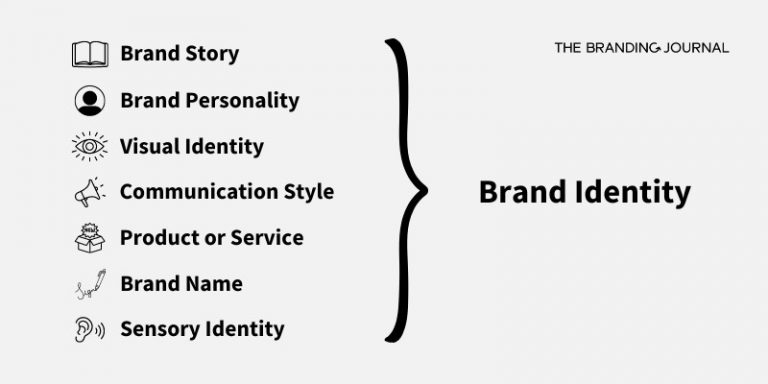
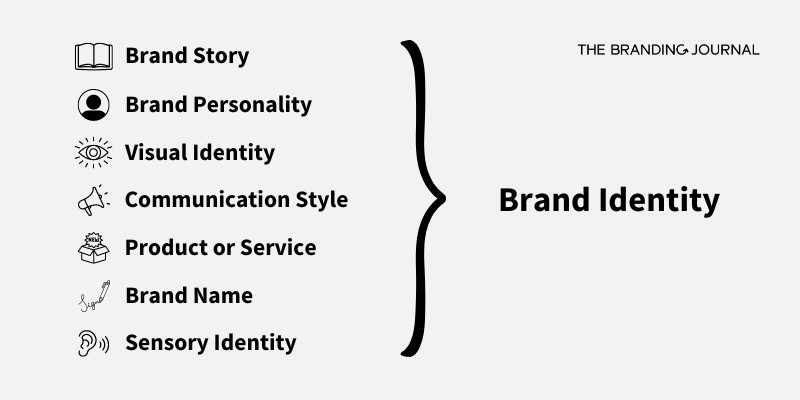
Branding style guides are essential for maintaining a consistent brand identity across all platforms. They offer a clear roadmap for visual elements, voice, and tone, ensuring a cohesive brand experience for customers. This guide delves into various examples and components of a comprehensive style guide, from the basics to practical applications for diverse industries.

This document provides a deep dive into the principles of branding style guides, covering their creation, implementation, and ongoing maintenance. It also illustrates how effective style guides contribute to a strong and recognizable brand identity.

Introduction to Branding Style Guides

A branding style guide is a comprehensive document that Artikels the visual and written elements used to represent a company’s brand. It serves as a crucial reference for maintaining consistency in all brand communications, ensuring a unified and recognizable image across various platforms. This consistency fosters brand recognition and strengthens the overall brand perception.A well-defined branding style guide is essential for maintaining a cohesive brand identity.

It dictates how a company’s logo, colors, typography, imagery, and tone of voice should be utilized, thereby creating a distinct and memorable brand experience for consumers. This guide becomes the bedrock for all future brand interactions, promoting brand awareness and recognition.

Definition of a Branding Style Guide

A branding style guide, often called a brand book or brand manual, is a document that meticulously defines all aspects of a company’s visual and verbal identity. It acts as a crucial reference point, ensuring consistency in all communications and brand interactions across different channels.

Importance of a Well-Defined Branding Style Guide

A well-structured style guide is vital for maintaining a cohesive brand identity across various platforms. It acts as a single source of truth, providing clear instructions on how the brand should be presented in all its communications. This approach reduces inconsistencies and ensures a strong and unified brand message is conveyed to the target audience.

Usage of a Style Guide Across Different Platforms

A well-crafted style guide is crucial for consistent brand representation. For instance, the guide ensures that the company’s logo is used correctly on the website, social media platforms, and print materials. The style guide dictates the color palette and typography used across all platforms, maintaining a consistent visual identity. It also Artikels the tone and style of language used in all written materials, promoting a unified brand voice.

Key Elements Typically Included in a Branding Style Guide

A comprehensive style guide usually includes detailed information about the brand’s logo, colors, typography, imagery, and tone of voice. It also specifies acceptable variations and usage guidelines for the logo. Furthermore, it dictates how brand elements should be presented across different platforms.

Ensuring Brand Consistency Through a Style Guide

A branding style guide is the cornerstone of brand consistency. It meticulously Artikels the rules for using brand elements, preventing inconsistencies in visual representation and messaging. By adhering to the guidelines, a company can maintain a unified and recognizable brand presence across various platforms, reinforcing brand identity and recognition.

Benefits of a Branding Style Guide

Benefit Description Example Impact
Enhanced Brand Recognition A consistent brand image across all platforms leads to easier identification and recall. Using the same logo, colors, and typography across a website, social media, and print materials. Increased brand awareness and customer loyalty.
Improved Brand Consistency A style guide ensures a unified brand message and experience, regardless of the communication channel. Maintaining a consistent tone of voice in all written communications, from website copy to social media posts. Builds trust and credibility with customers, reducing confusion and enhancing the brand’s reputation.
Reduced Errors and Inconsistencies A style guide acts as a reference point for all brand-related tasks, minimizing errors and ensuring consistency. Providing clear guidelines for logo usage, color palettes, and typography choices. Streamlines internal processes, reduces costs associated with corrections, and avoids potential brand damage.
Streamlined Brand Management A style guide provides a central repository for all brand assets, simplifying brand management and communication. Creating a central document for all brand elements, including logo variations, color palettes, and typography. Facilitates efficient brand updates, ensuring that all stakeholders are aware of and comply with the latest guidelines.

Examples of Branding Style Guides

Branding style guides are essential for maintaining a consistent brand image across all platforms. They act as a blueprint for how a brand should be presented, ensuring visual and textual consistency in marketing materials, websites, social media, and other touchpoints. A well-defined style guide fosters brand recognition and strengthens customer perception of the brand.Effective style guides go beyond simply outlining logos and colors.

They encompass the brand’s personality, voice, and tone, creating a holistic representation of the brand identity. This allows for a unified brand experience, which in turn can contribute to higher brand recall and customer loyalty.

Tech Industry Examples

Tech brands often prioritize clean, modern aesthetics, reflecting innovation and technological advancement. Visual elements frequently include minimalist logos, sans-serif typography, and a color palette featuring cool tones like blues and grays. Brand voice tends to be direct, concise, and informative, highlighting functionality and user experience. Consistency across platforms is crucial, ensuring a seamless user journey. For example, a tech company’s website, social media posts, and product packaging should all align with the defined style guide, reinforcing the brand identity.

Fashion Industry Examples

Fashion brands typically leverage visual elements that showcase the brand’s unique style and target audience. Logos are often distinctive and memorable, often incorporating imagery or unique typography. Color palettes are carefully chosen to reflect the brand’s personality and aesthetic. For instance, a luxury fashion brand might use rich, deep colors and intricate patterns, while a more casual brand might opt for brighter, bolder colors and simpler shapes.

Brand voice and tone in fashion style guides are usually evocative and descriptive, highlighting the quality and craftsmanship of the garments. Examples of consistency include matching brand colors on the website, in print advertisements, and on social media posts.

Food Industry Examples

Food brands frequently use imagery and color palettes that evoke a sense of taste, quality, and enjoyment. Logos might feature stylized food items or use specific fonts that evoke a certain feeling, like a vintage feel or a modern feel. Color palettes often include vibrant colors that stimulate appetite, while brand voice and tone often prioritize approachability, friendliness, and a sense of community.

Consistent use of these elements across platforms, from menus to packaging, social media posts, and websites, reinforces the brand identity and builds customer trust.

Comparison of Branding Style Guides Across Industries

Industry Key Visual Elements Brand Voice Platform Examples
Tech Minimalist logos, sans-serif typography, cool color palettes (blues, grays) Direct, concise, informative, focused on functionality and user experience Website, app interfaces, social media posts, product packaging
Fashion Distinctive logos, imagery, typography, carefully chosen color palettes reflecting brand aesthetic Evocative, descriptive, highlighting quality, craftsmanship, and style Website, print advertisements, social media campaigns, product tags
Food Imagery evoking taste, quality, enjoyment, vibrant colors stimulating appetite, specific typography Approachable, friendly, emphasizing a sense of community and quality ingredients Menus, packaging, social media posts, website, online ordering platforms

Components of a Comprehensive Style Guide

A comprehensive branding style guide serves as a crucial document for maintaining brand consistency across all platforms and communications. It acts as a living, breathing reference point for designers, marketers, and anyone else involved in representing the brand. This guide ensures the brand’s visual identity and messaging remain unified and recognizable, fostering a strong and consistent brand experience for the target audience.A well-structured style guide streamlines the creative process, reducing errors and ensuring that all materials reflect the brand’s core values and personality.

It empowers team members with clear guidelines, enabling them to confidently create brand-compliant materials.

Brand Mission and Values

A style guide effectively defines the brand’s mission and values by articulating them in a concise and impactful manner. These statements should be clear, memorable, and easily understood by all stakeholders. For example, a brand dedicated to sustainability might explicitly state its commitment to eco-friendly practices and ethical sourcing. This clarity ensures that every element of the brand’s communication aligns with its fundamental principles.

Brand Personality and Target Audience

The style guide should explicitly Artikel the brand’s personality. This encompasses its tone of voice, whether formal, informal, humorous, or serious. A clothing brand aimed at young adults might adopt a playful and vibrant tone, contrasting with a luxury brand targeting a more sophisticated demographic. The style guide should also identify the target audience’s demographics, psychographics, and needs.

Understanding the target audience enables the brand to tailor its messaging and visuals accordingly, optimizing engagement and resonance.

Typography

Typography plays a vital role in establishing brand identity. The chosen fonts should reflect the brand’s personality and values. For instance, a classic brand might opt for a serif font, while a modern brand might select a sans-serif font. The guide should specify font families, weights, sizes, and usage guidelines for headings, body text, and other elements.

Consistency in font usage creates a unified visual language and enhances brand recognition.

Color Palettes and Their Psychological Impact

Color palettes significantly influence the brand’s perception. A style guide should meticulously define the brand’s primary, secondary, and accent colors. It should explain the psychological impact of each color choice, including the associations and emotions they evoke. For example, blue often signifies trust and reliability, while red might represent energy and excitement. By understanding the emotional response to colors, the brand can leverage them strategically to communicate its intended message.

The guide should include examples of how these colors should be used in various applications.

Essential Elements for a Comprehensive Style Guide

  • Brand Overview: A concise summary of the brand’s history, mission, vision, and values.
  • Brand Personality: A description of the brand’s character, tone of voice, and overall approach to communication.
  • Target Audience: Detailed profiles of the ideal customers, encompassing demographics, psychographics, and needs.
  • Logo Usage: Guidelines for using the logo, including appropriate placement, size, and spacing.
  • Color Palette: Definitions of primary, secondary, and accent colors, along with their usage guidelines and psychological associations.
  • Typography: Specification of fonts, sizes, and styles for various text elements, including headings, body text, and captions.
  • Imagery Guidelines: Guidelines for choosing, using, and editing images, including style, tone, and copyright considerations.
  • Graphic Elements: Guidelines for using icons, patterns, and other graphic elements.
  • Brand Voice: Guidelines for writing style, tone, and language used in all communications.
  • Examples of Application: Visual examples demonstrating the proper application of all elements.

Creating a Style Guide for a Specific Brand

A comprehensive branding style guide is crucial for maintaining brand consistency across all platforms and materials. This guide serves as a blueprint, ensuring visual elements and messaging align with the brand’s core values and identity. A well-defined style guide streamlines the design process and prevents inconsistencies that can dilute the brand’s message.Defining a brand’s unique personality and identity is a pivotal first step in creating a style guide.

This involves understanding the target audience, core values, and the overall brand essence. This exploration informs all subsequent decisions, ensuring that every element reflects the intended brand perception.

Defining the Brand’s Personality and Identity

Understanding the brand’s personality and identity involves delving into its core values, mission, and target audience. These aspects will directly influence the brand’s visual and verbal communication. For example, a brand focused on sustainability might utilize earthy tones and imagery, while a tech-focused brand might prioritize clean lines and modern typography.

  • Target Audience Analysis: Identifying the demographics, psychographics, and needs of the target audience is essential. This information informs the tone of voice, imagery, and overall aesthetic that resonates most effectively.
  • Brand Values and Mission: Explicitly articulating the brand’s core values and mission statement helps shape the brand’s personality. For instance, a brand prioritizing community might use collaborative imagery and inclusive language.
  • Brand Voice and Tone: Defining the brand’s voice (formal, informal, humorous, etc.) and tone (enthusiastic, serious, friendly, etc.) ensures consistency in communication across all channels.

Developing a Distinctive Color Palette

A carefully curated color palette is vital for establishing brand recognition and evoking desired emotions. Colors can effectively communicate a brand’s personality and create a memorable visual identity. For example, the color blue is often associated with trust and reliability, while red evokes excitement and energy.

  • Color Psychology: Researching the psychological impact of different colors on consumers is essential. Understanding the associations and connotations helps in choosing colors that align with the brand’s personality and target audience.
  • Primary, Secondary, and Tertiary Colors: Choosing primary, secondary, and tertiary colors allows for flexibility in design while maintaining a consistent look. Consider a color palette with a limited number of colors to ensure visual clarity and avoid a cluttered appearance.
  • Pantone Matching System (PMS): Using a PMS system ensures color consistency across various printing and digital applications.

Selecting Fonts that Reflect the Brand’s Personality

Typography plays a significant role in conveying the brand’s personality. Fonts can evoke different emotions and establish a specific brand identity. For example, a serif font might suggest tradition, while a sans-serif font might convey modernity.

  • Font Selection: Choosing fonts that align with the brand’s personality is crucial. Consider factors like the font’s readability, visual appeal, and how it complements the brand’s overall aesthetic.
  • Font Variations: Selecting different font weights and styles (bold, italic, condensed, etc.) provides flexibility in design while maintaining brand consistency.
  • Font Pairings: Combining fonts effectively can enhance the visual appeal and create a cohesive design system. Carefully consider font pairings to ensure legibility and visual harmony.

Designing Logo Variations for Different Applications

A versatile logo design is crucial for maintaining brand consistency across diverse platforms. This includes various sizes and applications, from social media profiles to large-scale print materials.

  • Logo Formats: Creating different logo formats (vertical, horizontal, icon, etc.) ensures the logo can be used effectively in diverse contexts.
  • Logo Size and Resolution: Defining the appropriate logo size and resolution for various applications, like websites and print materials, is critical for maintaining image quality.
  • Logo Usage Guidelines: Establish specific rules for logo usage, such as minimum spacing requirements and appropriate backgrounds to maintain brand consistency.

Flowchart for Designing a Style Guide

The following flowchart Artikels the process of designing a style guide:

  [Start] --> [Define Brand Identity] --> [Choose Color Palette]
                   |                                  |
                   V                                  V
          [Select Fonts] --> [Design Logo Variations] --> [Develop Style Guide] --> [Finalize Style Guide] --> [End]
 

Branding Strategy and Style Guides

A strong brand strategy is the bedrock upon which a successful brand is built.

It Artikels the core values, target audience, and overall brand personality. A well-defined branding strategy provides a clear direction for all brand communications and marketing efforts. Style guides are critical tools that translate this strategy into actionable visual and textual elements, ensuring consistency and impact across all platforms.

Branding strategies and style guides are intrinsically linked. The style guide is a practical implementation of the strategic decisions made in the branding process. A robust style guide clarifies how the brand’s core identity should be presented visually and verbally. This ensures consistent messaging and visual representation across various platforms, thereby strengthening brand recognition and reinforcing the intended brand image.

Relationship Between Branding Strategy and Style Guides

A well-defined branding strategy informs the style guide’s creation. The strategy dictates the overall tone, voice, and visual aesthetic. A style guide then provides the detailed rules and guidelines to maintain this consistent brand identity. For example, a luxury brand strategy emphasizing sophistication and exclusivity will likely translate into a style guide with elegant typography, high-quality imagery, and a sophisticated color palette.

How a Style Guide Supports the Overall Branding Strategy

A style guide acts as a comprehensive manual for all brand interactions. It ensures that all marketing materials, from website designs to social media posts, maintain a cohesive visual and verbal identity. This consistency reinforces brand recognition and strengthens the brand’s overall message, fostering trust and credibility with consumers.

Examples of How Different Branding Strategies Influence the Style Guide’s Design

Different branding strategies lead to distinct style guides. A playful, youth-oriented brand will likely use vibrant colors, bold fonts, and informal language in its style guide, whereas a professional, corporate brand will lean toward sophisticated typography, neutral colors, and formal language. The style guide meticulously details these differences, reflecting the brand’s personality and target audience.

How a Style Guide Ensures Brand Consistency Across Different Marketing Materials

Style guides establish a set of rules for all brand communication channels. These rules govern logo usage, typography, color palettes, imagery, and messaging. The guide provides clear instructions for maintaining consistency across websites, social media platforms, print advertisements, packaging, and other marketing materials. This ensures that the brand appears unified and recognizable across all touchpoints.

Comparison and Contrast of Branding Strategies of Different Companies

Company Strategy Visual Style Messaging
Apple Innovation, simplicity, premium quality Clean lines, minimalist design, muted color palettes, high-quality imagery Focus on user experience, product utility, and sleek aesthetics
Nike Performance, athleticism, empowerment Bold colors, dynamic imagery, athletic-inspired design, impactful typography Emphasis on motivation, determination, and achieving personal goals
Coca-Cola Happiness, togetherness, global appeal Iconic red and white color scheme, friendly imagery, classic typography Focus on shared experiences, positive emotions, and global connections
Starbucks Community, quality, experience Warm tones, inviting imagery, elegant typography, distinctive logo Emphasis on creating a welcoming atmosphere, high-quality coffee, and shared moments

This table showcases how diverse branding strategies translate into distinct visual and messaging styles.

How a Branding Strategy Shapes the Brand’s Overall Message and Identity

A branding strategy meticulously crafts a brand’s message and identity. It defines the core values, target audience, and personality of the brand, thereby shaping the overall narrative communicated through various channels. The chosen strategy directly influences the brand’s visual identity, tone of voice, and messaging style. A strong branding strategy creates a cohesive and memorable brand experience for consumers.

Style Guide Maintenance and Evolution

A robust brand style guide isn’t a static document; it’s a living, breathing reflection of the brand’s identity. Regular maintenance and evolution are crucial for ensuring the guide remains relevant and effective, adapting to changes in the market, brand strategy, and customer preferences. This dynamic approach keeps the brand consistent and impactful.

Maintaining a style guide involves a cyclical process of review, updates, and adaptation. The guide should be viewed as a living document, subject to revisions and adjustments as the brand evolves. A well-maintained style guide ensures consistent brand messaging across all platforms, maximizing impact and minimizing potential misinterpretations.

Importance of Updating and Maintaining a Style Guide

Consistent brand presentation across all touchpoints is essential for building brand recognition and trust. A meticulously maintained style guide ensures that all brand assets, from logos and color palettes to typography and tone of voice, remain cohesive and recognizable. This consistency builds a strong and reliable brand image. Without regular updates, the guide risks becoming outdated, leading to inconsistencies that undermine brand identity.

Adapting a Style Guide to Brand Evolution

Brand evolution is an inherent part of a company’s growth. As a brand matures and refines its strategic direction, the style guide must reflect these changes. Updating the guide to incorporate new brand values, messaging, and visual elements ensures that the brand’s current identity is accurately represented. This alignment helps maintain the brand’s core identity while allowing for fresh perspectives and modern interpretations.

For instance, a company rebranding from a traditional retail store to an online marketplace might need to adapt its visual style guide to incorporate e-commerce elements and digital interactions.

Adapting to Changing Market Trends and Customer Preferences

Market trends and customer preferences are constantly shifting. A style guide should be flexible enough to accommodate these changes. By incorporating new trends and customer feedback into the guide, brands can stay relevant and resonate with their target audience. A style guide should reflect a brand’s understanding of the current market and its evolving consumer landscape. For example, the adoption of new digital platforms, such as social media, may require updates to the guide, including the definition of tone of voice in various online channels.

Examples of Style Guide Adaptations Over Time

Numerous brands have adapted their style guides over time. Consider the evolution of a tech company’s style guide. Initially, the visual language might have been minimalist and functional. As the company expanded its product line and target audience, the guide might incorporate more illustrative elements to communicate the complexity and benefits of the products. This showcases the dynamic nature of style guides.

Identifying Areas for Improvement in a Style Guide

A critical step in style guide maintenance is identifying areas for improvement. Regular audits of the guide can reveal inconsistencies, outdated elements, or gaps in coverage. A team review can help uncover such deficiencies, leading to a more comprehensive and effective guide. This process ensures the guide is aligned with current brand objectives.

Best Practices for Style Guide Maintenance

Issue Solution Example Frequency
Outdated visual elements Update color palettes, typography, and imagery Replacing outdated fonts with modern alternatives Annually or as needed
Missing guidelines for new platforms Add guidelines for social media, mobile apps, and other emerging channels Creating a dedicated section for social media content guidelines Quarterly or as needed
Inconsistent application of guidelines Regular audits and reviews of brand assets Checking marketing materials for adherence to the style guide Monthly
Lack of clarity in guidelines Refine language and provide detailed examples Adding more specific instructions for using the brand logo Annually or as needed

Final Summary

In conclusion, crafting and maintaining a strong branding style guide is crucial for any organization. This comprehensive resource provides examples and insights into every stage of the process, from defining brand elements to ensuring consistency across platforms. A well-designed style guide is a cornerstone of a successful brand identity, ensuring recognition and a positive customer experience.

Common Queries

What are some common mistakes to avoid when creating a branding style guide?

Vagueness in defining brand personality and visual elements can lead to inconsistencies. Failing to consider diverse platforms (website, social media, print) can result in a fragmented brand experience. Another mistake is neglecting to involve stakeholders throughout the creation process.

How can a branding style guide adapt to changing market trends?

Regular reviews and updates are crucial. The guide should be flexible enough to incorporate new trends and insights without sacrificing the core brand identity. Regular feedback from customers and internal teams should also be incorporated.

What is the difference between a brand style guide and a brand book?

While often used interchangeably, a brand style guide focuses more on the practical application of brand elements, whereas a brand book tends to provide a more comprehensive overview of the brand’s history, mission, and overall strategy. Essentially, a style guide is a subset of the larger brand book.

How often should a branding style guide be reviewed and updated?

Regular reviews (at least annually) are best practice. However, the frequency depends on factors like market changes, brand evolution, and customer feedback.

Marketing, a cornerstone of modern business, is more than just advertising. This exploration delves into the multifaceted nature of marketing, tracing its evolution from its foundational principles to its contemporary applications. We’ll examine the core components of a successful marketing strategy, comparing different approaches and dissecting their nuances.

Understanding the interplay between marketing and branding is crucial for success in today’s competitive landscape. This overview will guide you through the key elements of a strong brand strategy, highlighting the importance of market research and customer-centric approaches. We will also analyze the current challenges facing marketers and provide actionable insights for navigating the digital age.

Defining Marketing

Marketing is the process of identifying, anticipating, and satisfying customer needs and wants profitably. It encompasses a broad range of activities, from market research and product development to sales and customer service, all aimed at achieving a desired outcome for the organization. This multifaceted process is critical for success in today’s competitive marketplace, where understanding and responding to consumer demands is paramount.This definition highlights the core objectives of marketing, which involve understanding the customer, creating value for them, and achieving profitable outcomes.

The evolution of marketing has been a journey marked by shifts in understanding, technological advancements, and evolving consumer expectations. Understanding these changes provides a framework for adapting strategies and achieving sustainable growth.

Comprehensive Definition of Marketing

Marketing is more than just advertising; it’s a holistic process encompassing the entire customer journey. It involves a deep understanding of target audiences, their needs, and their behaviors. This understanding guides the development of products or services that meet these needs, and effective communication strategies to position them favorably in the market. Ultimately, successful marketing aims to build lasting customer relationships and drive profitable growth.

Evolution of Marketing

Early marketing practices focused primarily on product promotion and distribution. The rise of mass media, such as television and radio, marked a significant shift towards broader reach and standardized advertising campaigns. Later, the focus shifted to market segmentation and targeting specific customer groups. Digital technologies have further revolutionized marketing, enabling personalized interactions and real-time data analysis. The ongoing evolution of consumer behavior, fueled by factors like social media and e-commerce, continues to drive new approaches and innovations in the field.

Marketing vs. Advertising

Marketing and advertising are often confused, but they serve distinct roles. Marketing is the broader strategic process of understanding and meeting customer needs. Advertising is a specific tool within marketing, primarily focused on communicating the value proposition of a product or service through various channels. Advertising is a subset of marketing, not the other way around.

Different Marketing Approaches

  • Digital Marketing leverages online channels such as search engines, social media, and email to reach and engage customers. This approach allows for targeted campaigns, personalized messaging, and real-time performance tracking. Examples include search engine optimization (), social media marketing, and email marketing.
  • Content Marketing focuses on creating and distributing valuable, relevant, and consistent content to attract and retain a clearly defined audience. This builds trust and establishes expertise, ultimately driving profitable customer action. Examples include blog posts, articles, videos, and infographics.
  • Inbound Marketing attracts customers by creating valuable content and experiences that draw them into a company’s ecosystem. It focuses on creating a relationship with potential customers by providing useful information and resources. Examples include webinars, online courses, and downloadable resources.

Key Components of a Modern Marketing Strategy

A modern marketing strategy must be adaptable and integrate various elements. The table below highlights key components and their importance.

Component Description Importance
Target Audience Definition Identifying the specific customer segments a company aims to reach. Provides focus for all marketing efforts.
Value Proposition Clearly articulating the unique benefits and value offered by a product or service. Communicates the reason for customers to choose one offering over another.
Marketing Channels Defining the channels (online and offline) to reach the target audience. Ensures efficient and effective communication.
Budget Allocation Allocating resources effectively across various marketing activities. Ensures optimal ROI.
Performance Measurement Tracking and evaluating the results of marketing campaigns. Provides insights for optimization and future planning.

Marketing Perspectives

Marketing transcends simple product promotion; it’s a multifaceted approach encompassing diverse perspectives. Understanding these perspectives is crucial for crafting effective strategies that resonate with target audiences and drive business success. From a customer-centric viewpoint, market research plays a vital role in shaping marketing strategies, ensuring alignment with overall business objectives, and encompassing the various stakeholders involved in the process.

Quantifiable metrics help monitor the effectiveness of marketing initiatives.A customer-centric perspective recognizes the customer as the focal point of all marketing activities. This approach prioritizes understanding customer needs, preferences, and pain points to tailor offerings and experiences that meet or exceed expectations. By focusing on the customer journey, businesses can optimize interactions across various touchpoints, fostering loyalty and advocacy.

Customer-Centric Marketing

Customer-centric marketing emphasizes understanding and meeting customer needs. This approach prioritizes gathering feedback and tailoring marketing efforts to specific customer segments. Businesses adopt this perspective to build stronger customer relationships, foster brand loyalty, and drive repeat business.

Role of Market Research in Shaping Strategies

Market research is essential for informing marketing strategies. It involves gathering and analyzing data about customer preferences, market trends, and competitive landscapes. Thorough research helps identify opportunities, assess risks, and develop targeted marketing campaigns. This ensures marketing efforts are aligned with market demands and maximize impact.

Marketing Alignment with Business Objectives

Effective marketing strategies directly support overall business objectives. For instance, a marketing campaign designed to increase brand awareness contributes to the business objective of market expansion. The strategies should be integrated with sales and other departments to ensure a cohesive approach. This ensures that marketing efforts are not working in silos but rather supporting each other.

Stakeholders in the Marketing Process

Marketing involves numerous stakeholders beyond the core marketing team. These include customers, sales representatives, distribution channels, and even the public. Understanding the needs and perspectives of all stakeholders is crucial for building a comprehensive and effective marketing strategy. Successful marketing strategies involve collaborative efforts and a unified front.

Marketing Metrics and Measurement

Monitoring marketing performance is critical for optimizing campaigns. A variety of metrics track progress and assess return on investment (ROI).

Metric Description Measurement Method
Website Traffic Number of visitors to a website Website analytics tools (e.g., Google Analytics)
Conversion Rate Percentage of visitors who complete a desired action (e.g., purchase) Website analytics tools, CRM data
Customer Acquisition Cost (CAC) Cost of acquiring a new customer Tracking marketing spend and dividing by the number of new customers acquired
Customer Lifetime Value (CLTV) Total revenue a customer is projected to generate throughout their relationship with the business Forecasting based on historical data and customer behavior
Brand Awareness Extent to which a brand is recognized and recalled by potential customers Surveys, social media monitoring, and brand mentions in news

Marketing Mix (4Ps)

The marketing mix, often referred to as the 4Ps, is a crucial framework for developing effective marketing strategies. It provides a structured approach to understanding the key elements involved in bringing a product or service to market and achieving desired outcomes. This framework guides companies in tailoring their offerings to meet specific customer needs and preferences.The 4Ps—product, price, place, and promotion—are interconnected and must be carefully considered in conjunction with each other to create a cohesive marketing strategy.

Each element plays a distinct role, influencing customer perceptions and ultimately impacting purchasing decisions. Understanding how these elements interact is essential for businesses to optimize their marketing efforts and achieve their goals.

Product

Understanding the product is paramount. This encompasses not only the physical attributes but also the perceived value, features, benefits, and overall experience associated with the product. The product strategy should consider the target market’s needs and desires, ensuring the product aligns with these expectations. Successful product development often involves extensive market research and customer feedback. Consider the iPhone: its sleek design, user-friendly interface, and advanced features are core elements of its appeal.

These attributes create a strong brand image and drive customer loyalty.

Price

Price strategy is integral to the success of any product. It encompasses various factors, including production costs, market analysis, competitor pricing, and perceived value. Determining the right price point is critical; it needs to balance profitability with attracting customers. A price that is too high can deter potential customers, while a price that is too low may signal a lack of value.

For instance, premium brands like Rolex often command higher prices due to the perceived exclusivity and craftsmanship associated with their watches. This price reflects the value proposition and target market.

Place

The ‘place’ element in the marketing mix refers to the distribution channels used to make the product accessible to customers. This involves decisions about where the product will be sold, how it will be delivered, and the overall convenience of the purchase process. Efficient distribution channels are essential for reaching the target market effectively. For example, a company selling cosmetics might choose to sell its products through both online retailers and physical stores to maximize its reach and cater to different customer preferences.

Promotion

Promotion encompasses the various methods used to communicate the value proposition of the product to the target market. It includes advertising, public relations, sales promotions, and direct marketing. Effective promotion creates awareness, generates interest, and ultimately drives sales. For example, a company might use social media campaigns to promote a new product, generating excitement and interest among potential customers.

This can be complemented by influencer marketing to further enhance visibility and engagement.

Marketing Mix Interaction

The 4Ps are not independent entities; they interact dynamically to shape a cohesive marketing strategy. A successful marketing campaign harmonizes these elements to create a unified customer experience. For example, a premium product (e.g., a luxury car) will be marketed through high-end channels (e.g., exclusive dealerships) and promoted through targeted advertising campaigns. The price will reflect the product’s perceived value, and the promotion will emphasize exclusivity.

This integrated approach ensures consistency and maximizes the impact on the target market.

Product Life Cycle and Marketing Strategies

Product Life Cycle Stage Marketing Strategy
Introduction Focus on creating awareness and generating initial interest. Promotional activities emphasizing product benefits and unique selling propositions are crucial.
Growth Build brand recognition and market share. Expand distribution channels and emphasize product differentiation. Consider introducing new product variations to cater to evolving needs.
Maturity Maintain market share and sustain customer loyalty. Enhance product offerings, refine distribution channels, and focus on promotional activities aimed at retaining existing customers and attracting new ones. Explore price adjustments or promotions to stimulate demand.
Decline Reduce marketing efforts. Focus on profitability. Potentially phase out the product or explore options like strategic repositioning to rejuvenate the product line.

Marketing and Branding

Marketing and branding are intrinsically linked. A strong brand is the cornerstone of successful marketing efforts, providing a consistent identity and message that resonates with target audiences. Effective branding goes beyond a logo; it encompasses the entire customer experience, from initial awareness to post-purchase engagement. A well-defined brand fosters customer loyalty and helps differentiate a company from its competitors in a crowded marketplace.

The Intertwined Nature of Marketing and Branding

Branding is the process of creating a unique identity for a product, service, or company. Marketing, on the other hand, is the set of activities used to promote and sell that brand. The relationship is symbiotic; marketing efforts communicate and reinforce the brand identity, while the brand itself guides marketing strategies and messaging. This unified approach helps build brand recognition, trust, and ultimately, customer loyalty.

Importance of Brand Identity in a Competitive Market

A strong brand identity acts as a differentiating factor in a highly competitive market. It helps consumers recognize and remember a company’s products or services. A cohesive brand identity, encompassing visual elements like logos and color palettes, combined with consistent messaging, creates a recognizable and memorable experience for customers. This recognition and memorability are crucial for building brand awareness and trust, essential for attracting and retaining customers.

Brand Positioning Strategies and Customer Loyalty

Brand positioning strategies involve defining how a brand is perceived by customers in relation to competitors. These strategies aim to establish a clear and distinctive position in the minds of the target audience. Effective positioning strategies, which clearly articulate a brand’s unique value proposition, can lead to higher customer loyalty. For example, a brand positioned as environmentally conscious might attract customers who value sustainability.

Marketing Activities for Building and Strengthening a Brand

Marketing activities play a pivotal role in building and strengthening a brand. Consistent messaging across all marketing channels reinforces brand identity and creates a unified customer experience. Utilizing various marketing tools like social media campaigns, public relations efforts, and targeted advertising reinforces the brand’s message and values. A multi-faceted approach to marketing, incorporating diverse strategies, strengthens brand recognition and loyalty.

Key Elements of a Successful Brand Strategy

Element Description
Brand Vision A clear articulation of the brand’s aspirations and long-term goals. This defines the desired future state and guides all brand decisions.
Target Audience Definition A detailed understanding of the customers a brand aims to reach. Knowing their needs, motivations, and pain points is crucial for effective brand communication.
Brand Values The core principles that guide the brand’s actions and decisions. These values should be authentic and reflected in all aspects of the brand experience.
Brand Personality The human-like characteristics associated with the brand. This personality helps create an emotional connection with customers and makes the brand relatable.
Brand Promise A clear articulation of the value a brand delivers to its customers. This promise must be consistently fulfilled to build trust and loyalty.
Brand Voice and Tone The style and manner in which the brand communicates with its audience. This should align with the brand’s personality and values.
Brand Story A compelling narrative that explains the brand’s origins, values, and mission. This story helps connect with customers on an emotional level.

Branding Strategy

A strong branding strategy is crucial for any business seeking to establish a recognizable presence in the market and foster customer loyalty. It goes beyond simply creating a logo; it’s about crafting a unique identity that resonates with the target audience and differentiates the company from competitors. A well-defined brand strategy fosters customer recognition, builds trust, and ultimately drives profitability.

Importance of a Branding Strategy

A robust branding strategy is essential for a company’s success. It provides a clear and consistent message to the target market, reinforcing brand recognition and customer trust. This, in turn, fosters brand loyalty and encourages repeat business. A strong brand also serves as a valuable asset, allowing a company to command premium prices and build a positive reputation within the industry.

Key Elements of a Successful Branding Strategy

A successful branding strategy comprises several key elements, including brand positioning, brand personality, and brand messaging.

  • Brand Positioning: This involves defining the target audience and articulating how the brand differentiates itself from competitors. A clear brand positioning statement helps the company communicate its value proposition effectively, highlighting unique selling points (USPs). For instance, a company positioned as a premium, eco-friendly clothing brand will communicate its values and sustainability efforts in its marketing materials.
  • Brand Personality: This encompasses the human-like characteristics attributed to the brand. It involves establishing a consistent and relatable persona that resonates with the target audience. A tech company might project a modern, innovative, and forward-thinking personality, whereas a family-friendly restaurant might portray a warm, welcoming, and comforting brand image.
  • Brand Messaging: This refers to the consistent and clear communication of the brand’s values, mission, and vision. The brand message should be reflected in all marketing materials, from website copy to social media posts. This consistent messaging builds brand recognition and trust over time.

Alignment with Business Objectives

A well-crafted branding strategy should directly support the overall business objectives. It must align with the company’s mission, vision, and goals. For example, if a company aims to expand its market share, its branding strategy should focus on increasing brand awareness and attracting new customers. If the objective is to enhance customer loyalty, the strategy should prioritize building strong relationships with existing customers.

Building Brand Equity

Building brand equity involves cultivating various aspects of brand perception. This encompasses creating brand awareness, fostering brand loyalty, and driving brand advocacy.

  • Creating Brand Awareness: This involves making the brand recognizable and familiar to the target audience. This can be achieved through consistent brand messaging, effective marketing campaigns, and strategic partnerships.
  • Building Brand Loyalty: This focuses on creating a strong connection between the customer and the brand. This involves delivering exceptional customer service, providing high-quality products or services, and engaging customers through interactive experiences. Loyalty programs and exclusive customer benefits are valuable tools for this purpose.
  • Encouraging Brand Advocacy: This encourages customers to become brand ambassadors, spreading positive word-of-mouth recommendations. Exceptional customer experiences, innovative products, and engaging social media campaigns can foster brand advocacy. Happy customers are more likely to share their positive experiences with their network.

Comparison of Branding Strategies

Business Type Branding Strategy Focus Example Tactics
Start-up Building brand awareness and establishing a unique identity in a competitive market. Aggressive social media marketing, influencer collaborations, targeted advertising.
Established Company Reinforcing brand recognition, maintaining customer loyalty, and expanding market share. Loyalty programs, brand refresh campaigns, strategic partnerships, consistent brand messaging across all channels.
Non-profit Organization Building trust and credibility, garnering support and donations. Community outreach programs, transparent communication, showcasing impact stories.

Marketing Challenges

Marketing in the digital age presents a unique set of challenges for businesses. The constant evolution of technology, global interconnectedness, and ever-shifting consumer preferences demand adaptability and innovative strategies from marketers. Overcoming these hurdles requires a deep understanding of the current landscape and a willingness to embrace new approaches.

Current Challenges in Digital Marketing

Marketers face numerous challenges in the digital realm, including maintaining brand consistency across diverse platforms, navigating complex algorithms, and effectively measuring return on investment (ROI) in online campaigns. The proliferation of digital channels necessitates sophisticated strategies to capture and engage target audiences, often within highly competitive environments.

Impact of Technology on Marketing Strategies

Technological advancements have fundamentally altered the way businesses interact with consumers. The rise of social media, mobile devices, and artificial intelligence (AI) has expanded marketing opportunities while simultaneously increasing the complexity of reaching and engaging target audiences. Marketers must leverage these technologies strategically to build brand awareness, drive sales, and enhance customer experiences. Effective use of data analytics is critical in understanding consumer behavior and optimizing marketing campaigns.

Adapting to Changing Consumer Behaviors and Preferences

Consumer behaviors and preferences are in a constant state of flux. Factors like economic conditions, social trends, and cultural shifts influence purchasing decisions. Marketers need to adapt their strategies in response to these evolving dynamics. This involves continuous market research and analysis to stay ahead of the curve and effectively cater to evolving consumer needs.

Examples of Successful Marketing Campaigns that Overcame Challenges

Numerous successful marketing campaigns demonstrate the power of adapting to challenges. For example, companies that successfully leveraged social media to build brand communities and drive engagement have demonstrated agility and responsiveness. Another example includes brands that effectively used data analytics to personalize marketing messages, resulting in higher conversion rates. Successful campaigns demonstrate that a proactive approach to overcoming challenges is crucial for achieving marketing objectives.

Table Demonstrating Marketing Tool Applications

This table illustrates how different marketing tools can be used to address challenges in the digital age. It highlights the versatility of tools and the importance of tailoring approaches to specific situations.

Marketing Tool Challenge Addressed Example Application
Social Media Marketing Building brand awareness and engagement Creating interactive content, running contests, engaging with customer reviews, and leveraging influencer marketing.
Search Engine Optimization () Improving online visibility and organic traffic Optimizing website content for relevant s, building high-quality backlinks, and implementing technical strategies.
Email Marketing Building customer relationships and driving conversions Segmenting email lists, personalizing email content, and utilizing automated email sequences.
Content Marketing Establishing thought leadership and attracting target audiences Creating valuable and informative content such as blog posts, articles, videos, and infographics that resonate with the target audience.
Paid Advertising (PPC) Reaching specific target audiences and driving immediate results Targeting ads based on demographics, interests, and online behavior, and continuously optimizing ad campaigns for improved ROI.

Marketing Tools and Techniques

Marketing success hinges on employing the right tools and techniques to effectively reach and engage target audiences. A diverse toolkit, encompassing both traditional and digital methods, allows businesses to tailor their strategies to achieve specific objectives, from brand awareness to driving sales. Understanding the nuances of each tool is crucial for maximizing ROI and achieving a competitive edge.

Role of Various Marketing Tools

Different marketing tools play distinct roles in the overall marketing strategy. Each contributes to a comprehensive approach, addressing various stages of the customer journey. For instance, social media fosters engagement and brand building, while email marketing nurtures leads and drives conversions. Search engine optimization () ensures visibility in online searches, and paid advertising delivers targeted messages to potential customers.

Social Media Marketing

Social media platforms have become powerful marketing channels, allowing businesses to connect directly with their audience. Engagement through interactive content, targeted advertising, and community building are key components of successful social media strategies. Analyzing social media performance data is critical for refining strategies and maximizing reach. Examples include running contests on Instagram, engaging in conversations on Twitter, or showcasing behind-the-scenes content on Facebook.

Email Marketing

Email marketing remains a vital tool for nurturing leads and maintaining customer relationships. Targeted email campaigns, personalized content, and automated sequences can significantly impact conversion rates. Segmenting audiences based on demographics, purchase history, or engagement levels is essential for delivering relevant and engaging messages.

Search Engine Optimization ()

Search engine optimization () is crucial for improving organic visibility in search engine results. Optimizing website content, building high-quality backlinks, and using relevant s are essential components of a successful strategy. This increases website traffic and exposure to a wider audience. Businesses need to continually adapt their strategies to evolving search engine algorithms.

Paid Advertising

Paid advertising, such as Google Ads and social media ads, provides targeted reach and measurable results. Detailed audience targeting and precise campaign management are essential for maximizing return on ad spend. Ad copy, landing pages, and bidding strategies need careful optimization. By precisely targeting ads to the correct audience, businesses can increase the probability of a desired action.

Data Analysis in Optimizing Marketing Campaigns

Data analysis is essential for understanding campaign performance and identifying areas for improvement. Analyzing key metrics such as website traffic, conversion rates, and customer engagement provides valuable insights into campaign effectiveness. This allows businesses to make informed decisions and adjust strategies to achieve optimal results. Tools like Google Analytics provide comprehensive data visualization and reporting, helping marketing teams make data-driven decisions.

Comparison of Digital Marketing Channels

Various digital marketing channels offer distinct advantages and disadvantages. Social media excels in brand building and community engagement, while email marketing excels in lead nurturing and customer retention. focuses on long-term organic growth, and paid advertising delivers rapid results. Understanding the strengths and weaknesses of each channel is crucial for developing a balanced and effective digital marketing strategy.

Key Metrics to Track for Each Marketing Tool

Marketing Tool Key Metrics
Social Media Engagement (likes, shares, comments), Reach, Impressions, Website traffic
Email Marketing Open rates, Click-through rates (CTR), Conversion rates, Bounce rates
Organic traffic, rankings, Domain authority, Backlink profile
Paid Advertising Cost per click (CPC), Conversion rate, Return on ad spend (ROAS), Impressions

End of Discussion

In conclusion, marketing is a dynamic field requiring adaptability and a deep understanding of consumer behavior. This exploration has provided a comprehensive overview of marketing principles, from definition and evolution to practical application. By grasping the key elements of a modern marketing strategy, businesses can enhance their brand positioning, foster customer loyalty, and achieve sustainable growth.

FAQ Insights

What’s the difference between marketing and advertising?

While often used interchangeably, marketing is a broader concept encompassing all activities aimed at promoting a product or service. Advertising is a subset of marketing, focusing specifically on persuasive communication to target audiences.

How does market research influence marketing strategies?

Market research provides crucial insights into consumer preferences, needs, and behaviors. This data is instrumental in shaping product development, pricing strategies, and targeted marketing campaigns.

What are some key challenges facing marketers today?

Marketers face challenges like adapting to evolving consumer behaviors, navigating the complexities of the digital landscape, and competing in a globalized market. Staying ahead of the curve requires continuous learning and adaptation.

What role does technology play in modern marketing?

Technology has revolutionized marketing, enabling businesses to reach broader audiences, personalize customer experiences, and gather valuable data for analysis. This constant evolution is essential for staying competitive.

Design and Marketing Pte Ltd, a leading Singaporean design and marketing firm, has carved a niche for itself in the competitive landscape. Their journey reflects a commitment to innovation and client satisfaction, resulting in impressive milestones and a loyal customer base.

This Artikel delves into the company’s history, services, market strategies, and future plans, providing a comprehensive understanding of their operations and achievements. It explores their expertise in various design disciplines, their digital marketing strategies, and their competitive positioning in the Singaporean market.

Company Overview

Design and Marketing Pte Ltd is a dynamic and innovative company specializing in providing comprehensive design and marketing solutions. Founded in 2015, the company has established a strong reputation for delivering impactful strategies and creative executions across various industries. Our commitment to client success drives our every action.Our mission is to empower businesses through compelling design and effective marketing strategies, fostering growth and brand recognition in the competitive landscape.

We believe in the power of creative problem-solving and strive to exceed client expectations with every project.

Company History and Mission

Design and Marketing Pte Ltd was established in 2015 with a small team of experienced designers and marketers. Early projects focused on developing brand identities and marketing materials for local businesses. The company quickly gained recognition for its ability to translate complex ideas into engaging and effective visual communication.Our core mission is to help businesses thrive in today’s marketplace by developing innovative solutions that deliver measurable results.

We believe that impactful design and strategic marketing are crucial for success in any industry.

Key Services and Offerings

We provide a wide array of services, including brand development, graphic design, web design and development, digital marketing, and content creation. Our expertise encompasses a range of industries, allowing us to tailor solutions to meet the unique needs of each client. We approach each project with a deep understanding of our clients’ business objectives and industry trends.

  • Brand Development: We help clients establish a strong brand identity by defining their core values, target audience, and visual language. This involves creating logos, brand guidelines, and visual assets that reinforce their brand message across all platforms.
  • Graphic Design: Our graphic designers create compelling visuals for brochures, flyers, posters, social media graphics, and other marketing materials. We use innovative techniques and cutting-edge software to produce high-quality designs that capture attention and convey the desired message.
  • Web Design and Development: We craft user-friendly and visually appealing websites that effectively communicate a company’s brand and services. We prioritize user experience and ensure the site is optimized for both desktop and mobile platforms.
  • Digital Marketing: We leverage various digital channels to promote our clients’ businesses, including , social media marketing, email marketing, and paid advertising. We analyze data and adjust strategies to maximize return on investment.
  • Content Creation: We develop engaging content, including articles, blog posts, and social media updates, that attract and retain customers. We ensure that all content aligns with the brand’s voice and resonates with the target audience.

Target Market and Customer Base

Our target market encompasses small and medium-sized enterprises (SMEs) across various sectors. We understand the specific needs and challenges of this demographic and strive to provide customized solutions that address their requirements effectively. Our clients value our commitment to clear communication and transparency throughout the entire process.

Geographical Reach and Presence

Currently, Design and Marketing Pte Ltd operates primarily within Singapore, serving clients throughout the island nation. We have a strong network of local contacts and resources to support our clients effectively. We aim to expand our reach to regional markets in the coming years.

Timeline of Significant Milestones and Achievements

  1. 2015: Company founded with a focus on brand identity development for local businesses.
  2. 2017: Launched a dedicated digital marketing service, expanding service offerings.
  3. 2019: Secured a key contract with a major retail client, showcasing our expertise in large-scale projects.
  4. 2021: Achieved a 20% year-over-year growth in revenue, reflecting the positive reception of our services.
  5. 2023: Introduced a new web design package tailored for e-commerce businesses, demonstrating a commitment to innovative solutions.

Organizational Structure

Our organizational structure is a flat, collaborative environment. This allows for quick decision-making and efficient communication, which is vital in our client-centric approach. A dedicated project manager oversees each project, ensuring seamless execution and clear communication with clients.

Key Personnel

Name Role
Amelia Tan Managing Director
Benjamin Lee Head of Design
Chloe Lim Head of Marketing
David Goh Senior Web Developer

Services and Expertise

Design and Marketing Pte Ltd offers a comprehensive suite of design and marketing services, catering to diverse client needs. Our team of experts possesses deep understanding of the latest trends and technologies, ensuring clients receive innovative and effective solutions. We are dedicated to providing superior quality work and fostering strong client relationships.

Key Areas of Expertise

Design and Marketing Pte Ltd excels in various design disciplines, including web design, branding, graphic design, and digital marketing. Our web design services encompass the creation of user-friendly and visually appealing websites, optimized for both desktop and mobile platforms. We leverage responsive design principles to guarantee a seamless user experience across devices. Branding services involve developing comprehensive brand identities, from logos and color palettes to brand guidelines, ensuring consistent messaging across all platforms.

Graphic design services include creating compelling visuals for brochures, posters, advertisements, and other marketing materials. The team possesses a strong understanding of typography, layout, and image manipulation to create visually striking and impactful designs.

Comparison with Competitors

Design and Marketing Pte Ltd differentiates itself from competitors by focusing on a holistic approach to design and marketing. While competitors might specialize in specific areas, our integrated services ensure a cohesive brand experience across all touchpoints. We prioritize understanding client objectives and tailoring strategies to achieve measurable results. Our pricing structure is transparent and competitive, reflecting the value and scope of our services.

Digital Marketing Services

Our digital marketing services are geared towards driving online visibility and engagement. We utilize a range of strategies, including search engine optimization (), social media marketing, pay-per-click (PPC) advertising, and email marketing. These strategies are meticulously crafted to align with client goals and target audiences.

Innovative Technologies and Strategies

We continuously explore and integrate the latest technologies and strategies to maintain a competitive edge. This includes utilizing artificial intelligence (AI) tools for content creation and analysis, and employing data-driven insights to optimize marketing campaigns. Our team keeps abreast of evolving digital trends and incorporates these into our strategies to ensure our clients stay ahead of the curve.

A strong emphasis is placed on understanding user behavior and incorporating this into our strategies to improve campaign performance.

Case Studies

Our portfolio showcases a range of successful projects across various industries. These projects demonstrate our ability to create impactful designs and effective marketing campaigns. We provide measurable results and client testimonials to validate our success. Examples include:

  • Project A: Successfully increased website traffic by 30% within 6 months for a client in the e-commerce industry. This was achieved through a comprehensive strategy that targeted relevant s and improved website usability.
  • Project B: Developed a compelling brand identity for a startup in the tech sector, resulting in a 25% increase in lead generation within the first quarter. This involved creating a distinctive logo, brand guidelines, and a comprehensive marketing plan.

Service Comparison Table

Service Design and Marketing Pte Ltd Competitor A Competitor B
Web Design Responsive design, user-centered approach, optimization Basic website creation, limited mobile optimization Focus on e-commerce platforms, lack of customization
Branding Comprehensive brand guidelines, consistent messaging across platforms Basic logo design, limited brand strategy Strong focus on visual identity, less emphasis on strategy
Digital Marketing Data-driven strategies, AI-powered tools, multi-channel approach Limited digital marketing expertise, basic social media management focused, limited social media engagement

Digital Marketing Strategies

Design and Marketing Pte Ltd leverages digital marketing strategies to connect with target audiences and drive business growth. A robust digital presence is crucial in today’s competitive landscape, and these strategies are vital for achieving marketing objectives. Effective implementation of these strategies is paramount for success.Digital marketing strategies employed by companies like Design and Marketing Pte Ltd encompass a wide range of techniques.

These strategies are tailored to specific business goals and target audiences, allowing for efficient allocation of resources and measurable results.

Common Digital Marketing Strategies

A range of digital marketing strategies are commonly used by companies like Design and Marketing Pte Ltd. These include Search Engine Optimization (), social media marketing, content marketing, pay-per-click (PPC) advertising, email marketing, and influencer marketing. Each strategy plays a specific role in achieving overall business objectives.

Importance of and Social Media Marketing

Search Engine Optimization () is critical for businesses in the design and marketing industry. By optimizing websites and content for relevant s, companies can improve their visibility in search engine results pages (SERPs). This increased visibility drives organic traffic to their websites, leading to more potential customers. Social media marketing is equally important. It allows businesses to engage with their target audience, build brand awareness, and foster customer loyalty.

Engaging content and strategic advertising campaigns on platforms like Facebook, Instagram, and LinkedIn can drive significant results.

Current Digital Marketing Trends

Current digital marketing trends include the rise of video marketing, the increasing importance of mobile-first strategies, and the integration of artificial intelligence (AI) into marketing campaigns. Video marketing is gaining traction due to its ability to convey information effectively and engagingly. Mobile-first strategies are essential given the prevalence of mobile devices in accessing online content. AI is increasingly used for tasks like personalized recommendations and automated ad campaigns.

Design and Marketing Pte Ltd can adapt to these trends by incorporating video content, optimizing for mobile devices, and leveraging AI tools.

Successful Digital Campaigns

Successful digital campaigns from companies in the design and marketing industry often involve a strong understanding of the target audience. For instance, a company might create a series of visually appealing and informative videos showcasing their design services. Another example involves running targeted social media ads to reach potential clients within a specific demographic. These campaigns frequently combine various digital marketing strategies to maximize their impact.

Impact on Business Goals

Digital marketing significantly impacts the overall business goals of Design and Marketing Pte Ltd. Increased brand awareness, higher lead generation, improved customer engagement, and enhanced brand loyalty are directly linked to effective digital marketing strategies. These goals are measurable, contributing to the overall success and profitability of the company.

Key Metrics for Measuring Digital Marketing Campaign Effectiveness

Metric Description Importance
Website Traffic Number of visitors to the website Indicates visibility and reach of marketing efforts.
Conversion Rate Percentage of visitors who complete a desired action (e.g., making a purchase, signing up for a newsletter) Measures effectiveness in driving desired outcomes.
Lead Generation Number of potential customers who express interest in the company’s products or services. Quantifies the effectiveness of generating prospects.
Customer Acquisition Cost (CAC) Cost incurred to acquire a new customer. Helps assess the profitability of marketing campaigns.
Return on Investment (ROI) Profit generated from marketing investments. Measures the overall profitability of marketing efforts.

Market Analysis

Singapore’s design and marketing landscape is highly competitive, driven by a strong emphasis on visual branding and digital presence. Numerous agencies cater to diverse client needs, from small startups to large multinational corporations. Understanding the competitive landscape, key players, and market drivers is crucial for Design and Marketing Pte Ltd to effectively position itself for success.

Competitive Landscape in Singapore

The Singaporean design and marketing industry is characterized by a diverse range of agencies, each with its own specialization and target market. Large multinational corporations often have in-house design teams, while small and medium-sized enterprises (SMEs) rely heavily on external agencies for marketing and design support. This creates a dynamic environment where agencies must constantly adapt and innovate to stay ahead of the competition.

Key Competitors

Several established agencies in Singapore offer comparable services to Design and Marketing Pte Ltd. These include renowned international brands with local offices, as well as local competitors specializing in specific niches. Direct competitors include [Competitor A], [Competitor B], and [Competitor C]. Their strengths and weaknesses are often determined by factors such as their specific expertise, target market focus, and overall branding strategy.

Demand Drivers

The demand for design and marketing services in Singapore is consistently high, fueled by several key factors. Rapid technological advancements and the increasing importance of digital marketing strategies are driving the need for creative solutions. Singapore’s strong entrepreneurial spirit and thriving business ecosystem also contribute to the demand for professional design and marketing services.

Opportunities and Challenges

Design and Marketing Pte Ltd faces numerous opportunities and challenges in this competitive environment. The increasing sophistication of consumer expectations presents an opportunity to offer innovative and personalized experiences. However, maintaining a competitive edge through continuous improvement and adaptation to emerging technologies is essential. The evolving digital landscape also presents a significant challenge, requiring a proactive approach to stay updated with the latest trends.

Market Positioning

Design and Marketing Pte Ltd differentiates itself by focusing on a specific niche within the design and marketing sector. For example, the company may specialize in [Specific Niche, e.g., branding for tech startups] or [Specific Target Market, e.g., small businesses in the F&B sector]. This focused approach allows for greater expertise and tailored solutions, setting the company apart from competitors offering more generalized services.

Strengths and Weaknesses Comparison

Factor Design and Marketing Pte Ltd Competitor A Competitor B Competitor C
Expertise Strong in [Specific Expertise, e.g., brand development] Broad expertise in various marketing disciplines Specialised in [Specific Niche, e.g., social media management] Known for [Specific Strength, e.g., creative design]
Pricing Competitive pricing strategy Higher price point, premium service Competitive pricing for their specialized services Variable pricing based on project scope
Client Base Growing base of [Specific Target Market, e.g., startups] Wide range of clients across industries Focus on clients in [Specific Sector, e.g., e-commerce] Concentrated on [Specific Sector, e.g., real estate]
Innovation Adapts to new technologies quickly Maintains a strong focus on innovation Slow to adapt to new trends Reluctant to experiment with new strategies

Client Testimonials and Reviews

Client testimonials and reviews are invaluable assets for any business, particularly for Design and Marketing Pte Ltd. They offer powerful endorsements that build trust and credibility with potential clients. Positive feedback provides social proof, showcasing the company’s expertise and successful projects. Gathering and showcasing these reviews helps demonstrate the value Design and Marketing Pte Ltd brings to its clients.Gathering and showcasing client reviews is a crucial part of our marketing strategy.

This section details the process, examples, and impact of testimonials on attracting new business.

Examples of Client Testimonials

These examples highlight the positive experiences clients have had with Design and Marketing Pte Ltd:

“Design and Marketing Pte Ltd exceeded our expectations with their innovative marketing strategies. Their team was incredibly responsive and helpful throughout the entire process, leading to a significant increase in our sales.”Mr. Tan, CEO, ABC Company.

“Their design team transformed our brand identity into something truly modern and memorable. The result is a much stronger brand presence and increased customer engagement.”Ms. Lee, Marketing Manager, XYZ Corporation.

These testimonials demonstrate the tangible benefits clients experience, including increased sales and improved brand perception.

Process for Gathering and Showcasing Client Reviews

We actively seek feedback from clients after project completion. This typically involves sending a satisfaction survey via email, offering a short, easy-to-complete online form. We also encourage clients to leave reviews on platforms like Google My Business and industry-specific review sites. These platforms provide a public space for showcasing client experiences and are easily accessible to potential clients.

Prompt follow-up with clients, particularly for successful projects, is crucial.

Impact of Positive Reviews on Attracting New Clients

Positive reviews are highly effective in attracting new clients. They act as social proof, instilling confidence in potential customers. Potential clients are more likely to choose a company with positive reviews, seeing them as a testament to the company’s abilities. This can lead to a significant increase in inquiries and ultimately, conversions.

How Client Testimonials Build Trust and Credibility

Client testimonials are powerful tools for building trust and credibility. By showcasing real-life experiences, Design and Marketing Pte Ltd demonstrates its competence and commitment to client satisfaction. This builds confidence in potential clients, encouraging them to consider the company as a reliable partner.

Client Testimonials Categorized by Service Type

We categorize testimonials based on the specific services provided:

  • Web Design and Development: Testimonials highlighting the effectiveness of websites designed and developed by Design and Marketing Pte Ltd, showcasing improved user experience and engagement.
  • Social Media Marketing: Testimonials focusing on the impact of social media campaigns, mentioning increased engagement, brand awareness, and leads.
  • Branding and Identity: Testimonials describing how the company’s branding and identity services have improved the client’s brand perception and recognition.

Frequency and Source of Client Testimonials

The following table displays the frequency and source of client testimonials collected over the past year:

Source Frequency
Google My Business 25
Industry Review Sites 12
Direct Client Feedback 18

Future Outlook

Design and Marketing PTE Ltd envisions sustained growth and innovation in the dynamic landscape of digital marketing. Our long-term strategy focuses on leveraging emerging technologies and adapting to evolving client needs to remain a leader in the industry. We are committed to providing cutting-edge solutions and exceptional client service, fostering long-term partnerships based on mutual success.

Long-Term Goals and Objectives

Our core objectives include expanding our market share by 25% within the next three years through strategic partnerships and a focus on niche markets. We aim to achieve this by consistently delivering high-quality results for our clients, building strong brand recognition, and maintaining a culture of innovation within the company. This will involve further investment in employee training and development, which will enhance their expertise and enable us to offer even more comprehensive services.

Potential Growth Areas and Expansion Plans

We identify several key growth areas: the burgeoning metaverse market, the rise of AI-driven marketing strategies, and the increasing demand for data-driven insights. Our expansion plans encompass developing specialized teams dedicated to these emerging technologies. This involves recruiting skilled professionals and investing in the necessary tools and resources to ensure our expertise remains at the forefront of these developing fields.

We plan to offer more tailored packages to cater to the growing need for customized digital marketing strategies, rather than relying on a one-size-fits-all approach.

Strategies for Adapting to Future Industry Trends

To remain competitive, we will proactively monitor industry trends, including the evolution of search engine algorithms and the integration of emerging technologies like AI and AR/VR. This proactive approach involves constant learning, adapting our strategies accordingly, and investing in ongoing professional development for our team members. We will maintain a flexible and adaptable approach to ensure our services remain relevant and effective in a rapidly evolving marketplace.

We will also explore potential collaborations with other businesses to enhance our offerings.

Company Vision for the Future

Our vision is to be a leading provider of integrated digital marketing solutions, recognized for its innovative approach, exceptional service, and impactful results. We aspire to be the trusted partner of choice for businesses seeking to navigate the complex digital landscape and achieve their marketing goals. This vision includes continuous investment in technology and human capital to maintain our position at the forefront of industry innovation.

Potential Challenges and Opportunities

The increasing competition in the digital marketing sector presents a potential challenge. However, it also provides opportunities for innovation and differentiation. We plan to address this by focusing on developing unique, data-driven strategies and cultivating strong client relationships. The ongoing evolution of technology also poses a challenge but, at the same time, provides opportunities to enhance our services and create new value propositions.

Table of Potential Future Services or Expansions

Potential Service/Expansion Description Expected Benefits
Metaverse Marketing Solutions Developing strategies and campaigns for businesses to leverage the metaverse for brand building and engagement. Reaching a new generation of consumers, enhancing brand presence in immersive virtual environments, and unlocking innovative marketing possibilities.
AI-Powered Marketing Automation Implementing AI-driven tools to streamline marketing tasks, personalize campaigns, and optimize results. Increased efficiency, reduced manual effort, and enhanced campaign performance through personalized messaging and targeted outreach.
AR/VR Integration Developing interactive experiences and campaigns using augmented reality and virtual reality technologies. Creating memorable brand experiences, engaging customers in interactive ways, and delivering a new level of customer immersion.
Data Analytics & Insights Providing in-depth analysis of marketing data to identify trends, measure campaign effectiveness, and generate actionable insights. Data-driven decision-making, enhanced campaign optimization, and informed strategies for achieving maximum ROI.

Industry Trends and Comparisons

The design and marketing landscape is constantly evolving, driven by technological advancements and shifting consumer preferences. Staying ahead of the curve is crucial for firms like Design and Marketing Pte Ltd to maintain a competitive edge and deliver exceptional results for clients. This section examines emerging trends, compares Design and Marketing Pte Ltd’s strategies to global best practices, and analyzes the potential impact on the company.Design and marketing firms worldwide are increasingly adopting data-driven approaches, leveraging analytics to understand customer behavior and tailor strategies accordingly.

This trend reflects a move towards precision marketing, enabling more targeted and effective campaigns.

Emerging Trends in Global Design and Marketing

The global design and marketing industry is experiencing a confluence of significant trends. These trends are shaping the way businesses operate and interact with their target audiences. Key emerging trends include a growing emphasis on personalization, the increasing adoption of AI-powered tools, and the rising importance of sustainability and ethical considerations in branding.

  • Personalization: Consumers expect tailored experiences. Firms are leveraging data to understand individual preferences and deliver personalized content and offers. This approach improves customer engagement and drives conversions.
  • AI-powered Tools: Artificial intelligence is automating various tasks, from content creation to campaign optimization. This boosts efficiency and allows for more sophisticated analysis of market trends.
  • Sustainability and Ethics: Consumers are increasingly conscious of environmental and social issues. Brands are incorporating sustainability into their design and marketing strategies, showcasing their commitment to ethical practices and responsible sourcing.

Comparison to Global Best Practices

Design and Marketing Pte Ltd can benchmark its strategies against industry best practices to enhance performance. Global leaders often leverage agile methodologies to adapt quickly to changing market dynamics. They also focus on building strong brand narratives that resonate with target audiences.

  • Agile Methodologies: Adopting agile frameworks allows Design and Marketing Pte Ltd to react rapidly to evolving market conditions and client needs. This adaptability translates to faster project turnaround times and more responsive service delivery.
  • Strong Brand Narratives: Developing a clear and compelling brand story is crucial for building customer loyalty and trust. Effective storytelling connects with audiences on an emotional level, leading to increased brand recognition and affinity.

Key Innovations and Advancements

The industry is witnessing continuous innovation in design tools and marketing technologies. The integration of augmented reality (AR) and virtual reality (VR) in marketing campaigns is becoming increasingly common, offering immersive customer experiences.

  • AR/VR Integration: Immersive technologies like AR and VR are transforming the way brands interact with customers. These experiences create memorable interactions and allow for innovative ways to present products and services.

Adaptations by Other Design and Marketing Firms

Numerous firms are adapting to emerging trends. Some are creating in-house data analytics teams to better understand customer behavior and tailor strategies. Others are investing in AI-powered tools to automate tasks and improve efficiency.

  • Data-Driven Strategies: Many firms are establishing data analytics teams to gain a deeper understanding of customer preferences and market trends. This allows for more informed decision-making and targeted marketing efforts.
    • Automation Through AI: Several firms are adopting AI-powered tools to streamline marketing tasks, like content creation, social media management, and email marketing. This frees up human resources for more strategic initiatives.

Potential Impact on Design and Marketing Pte Ltd

Design and Marketing Pte Ltd can capitalize on these trends by embracing data-driven strategies, investing in AI-powered tools, and creating personalized experiences for its clients. This approach will enhance their service offerings, allowing them to stay ahead of competitors.

Evolution of Design and Marketing Trends (Past Decade)

Year Trend Impact
2014-2015 Rise of Social Media Marketing Increased brand awareness and customer engagement.
2016-2017 Mobile Optimization Enhancement of user experience across different devices.
2018-2019 Personalization Increased customer engagement and conversion rates.
2020-2023 AI Integration and Data Analytics Enhanced efficiency and data-driven decision making.

Final Wrap-Up

Mobilă de Lux la Ada Luxury, București | TikTok

In conclusion, Design and Marketing Pte Ltd stands as a testament to the power of strategic design and effective marketing in today’s dynamic business environment. Their dedication to innovation, client focus, and a forward-thinking approach promises continued success and growth in the future.

FAQ

What are Design and Marketing Pte Ltd’s key services?

Design and Marketing Pte Ltd offers a wide range of services, including web design, branding, graphic design, and digital marketing strategies tailored to meet diverse client needs.

What is their target market?

Their target market is primarily businesses and organizations in Singapore, with a focus on those seeking creative solutions for growth and brand enhancement.

How do they measure the effectiveness of their digital marketing campaigns?

They employ key performance indicators (KPIs) such as website traffic, conversion rates, and social media engagement to gauge campaign effectiveness.

What are some of their recent achievements?

Specific achievements should be included here from the Artikel, if available.